Swallowing Problems After Stroke: Aspiration Risk, Testing, and Safe Eating
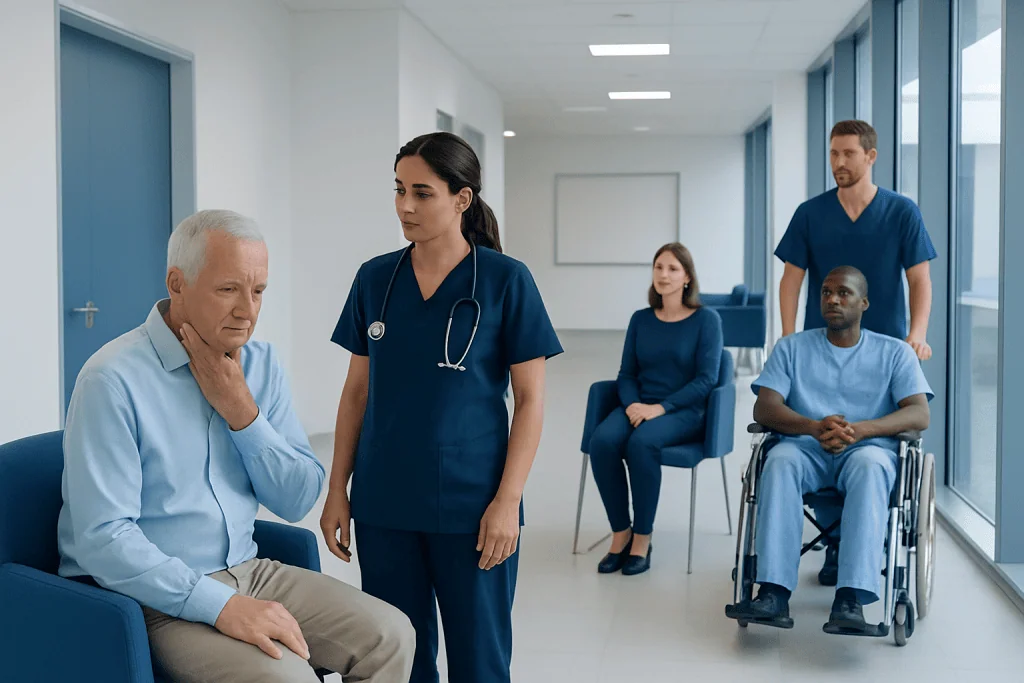
A stroke can weaken or disrupt the muscles and nerves used for swallowing. Aspiration means food, liquid, or saliva enters the airway instead of the esophagus.
Key Takeaways
- A stroke can weaken or disrupt the muscles and nerves used for swallowing.
- Aspiration means food, liquid, or saliva enters the airway instead of the esophagus.
- Swallowing tests help identify which foods and drinks are safest and whether therapy is needed.
- Treatment may include swallowing therapy, posture changes, texture-modified diets, and temporary feeding support.
- Prompt medical review is important if coughing, choking, fever, weight loss, or chest symptoms develop.
Medically reviewed by the Acıbadem International Medical Board — July 15, 2026
Swallowing problems after stroke are common and can affect eating, drinking, nutrition, and lung health. Careful assessment and practical strategies can reduce aspiration risk and help many people eat more safely during recovery.
Overview
Swallowing problems after stroke are known medically as post-stroke dysphagia. They happen when a stroke affects the brain areas that control the timing, strength, sensation, or coordination of swallowing. Because swallowing is a complex action involving the mouth, throat, voice box, nerves, and muscles, even a small disruption can make eating and drinking less safe.
One of the main concerns is aspiration. This means food, liquid, saliva, or stomach contents go into the airway and lungs rather than moving down the esophagus to the stomach. Aspiration may cause coughing and choking, but in some people it happens silently, with no obvious outward sign. Silent aspiration can still lead to chest infections or aspiration pneumonia.
Swallowing difficulty can also affect quality of life. A person may take much longer to finish meals, avoid food because of fear of choking, or struggle to get enough fluids and calories. With timely testing, guidance from a trained team, and individualized treatment, many patients improve and learn safer ways to eat and drink during recovery.
Symptoms and Signs to Watch For
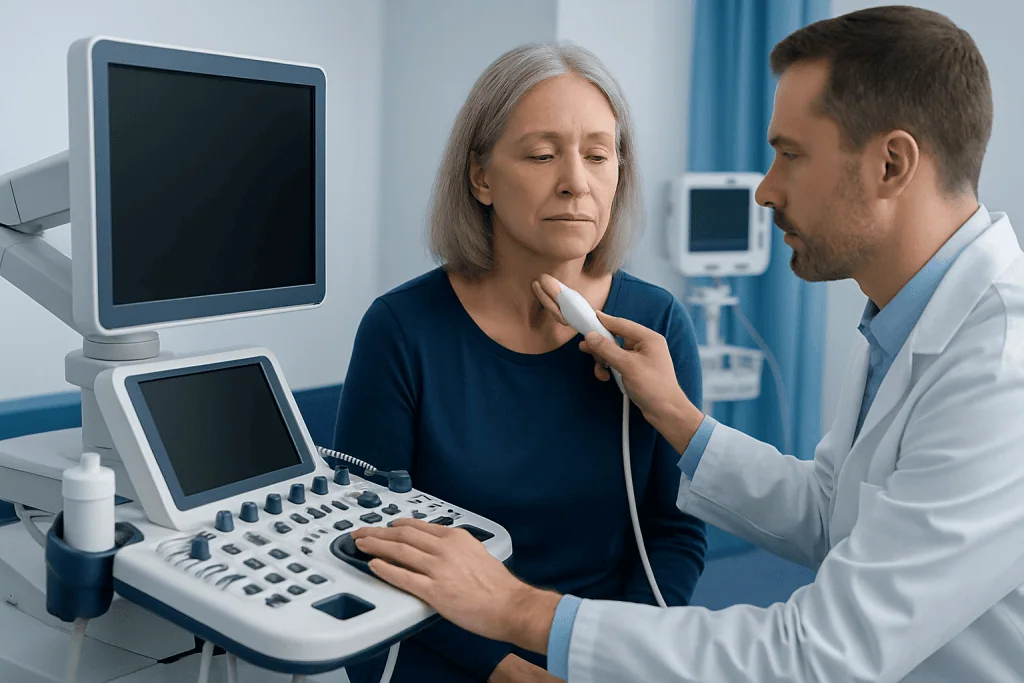
The symptoms of swallowing problems after stroke can be obvious or subtle. Some people cough or choke as soon as they try to drink water. Others seem to swallow normally but develop a wet or gurgly voice afterward, repeatedly clear their throat, or need several swallows for one bite.
Common warning signs include trouble starting a swallow, food staying in the mouth, drooling, pocketing food in the cheeks, pain when swallowing, and the feeling that food is stuck in the throat or chest. Eating may become tiring, and meals may take much longer than usual. Some people avoid certain foods, especially dry, crumbly, or thin liquid items.
Not all signs happen during meals. Recurrent chest infections, fever without another clear cause, weight loss, dehydration, poor appetite, or unexplained shortness of breath can also suggest swallowing is not safe. Family members and caregivers often notice these changes first, so their observations can be helpful during medical assessment.
- Coughing or choking during or after meals
- Wet, hoarse, or gurgly voice after swallowing
- Food or liquid leaking from the mouth
- Repeated throat clearing
- Food left in the mouth after swallowing
- Weight loss, dehydration, or recurrent pneumonia
Why Stroke Causes Swallowing Problems and Who Is at Risk

A stroke can interrupt the normal swallowing pathway in several ways. It may weaken facial, tongue, or throat muscles; reduce sensation in the mouth or throat; slow the swallow reflex; or affect attention and alertness, making it harder to eat safely. Problems may involve the oral phase of swallowing, when food is chewed and moved to the back of the mouth, or the pharyngeal phase, when the airway closes and the food bolus moves into the esophagus.
Risk can be higher after larger strokes, brainstem strokes, severe weakness, or reduced consciousness. People who already have neurological disease, poor dentition, frailty, or lung disease may also have more difficulty. Medicines that cause drowsiness can make swallowing less coordinated, and reflux may add to airway irritation.
Swallowing problems can improve as the brain and body recover, but the timeline varies. Some patients recover within days, while others need longer-term support. Because stroke recovery often involves speech, mobility, and daily function as well, dysphagia care is commonly part of a broader stroke rehabilitation plan.
How Aspiration Risk Is Tested
Assessment usually begins with a bedside swallow screening or clinical swallowing evaluation. A doctor, nurse, or speech and language therapist asks about symptoms, watches how the person manages saliva, checks alertness and mouth movement, and may assess swallowing with small amounts of food or fluid if appropriate. This first step helps identify who needs more detailed testing and whether oral intake should be limited for safety.
If aspiration is suspected, instrumental tests may be recommended. One common test is the videofluoroscopic swallow study, sometimes called a modified barium swallow. During this X-ray test, the person swallows foods and liquids mixed with contrast so the team can see where the swallow is breaking down and which strategies help. Another option is fiberoptic endoscopic evaluation of swallowing, in which a small flexible camera is passed through the nose to view the throat during swallowing.
These tests do not simply confirm whether dysphagia is present. They help guide treatment by showing the safest food textures, liquid thickness, head position, and therapy approach for that individual. In some cases, the care team may also look for related issues such as reflux, dehydration, malnutrition, or another swallowing disorder, including dysphagia from causes other than stroke.
Treatment Options and Swallowing Therapy
Treatment depends on the type and severity of the problem. Many patients benefit from swallowing therapy led by a speech and language therapist. Therapy may focus on improving lip closure, tongue control, laryngeal elevation, swallowing timing, and airway protection. Specific exercises or swallow maneuvers may be taught, but they should be individualized rather than copied from another person’s plan.
Simple changes can also make a meaningful difference. The care team may recommend sitting fully upright, taking small bites and sips, avoiding talking while chewing, swallowing twice per mouthful, or tucking the chin slightly if that is shown to help on testing. Some patients need texture-modified foods or thickened liquids for a period of time. These changes aim to improve safety, not to be restrictive, and they should be reviewed as recovery progresses.
If swallowing is temporarily unsafe, the team may advise alternative feeding support to protect nutrition and hydration. Depending on the situation, this may include short-term nasogastric tube placement or, for longer support in selected cases, PEG tube placement. Treatment may also be coordinated with broader stroke rehabilitation to support communication, mobility, and daily recovery after a stroke.
Safe Eating, Drinking, and Self-care at Home
Safe eating after stroke starts with following the care plan closely. The safest food and drink consistency is the one recommended after testing, even if it seems less familiar at first. Thin liquids, mixed textures such as soup with chunks, dry crumbly foods, and large mouthfuls are common trouble areas for people with dysphagia.
Meals are often easier when the person is awake, well supported, and not rushed. Sitting upright at 90 degrees during meals and staying upright for at least 30 minutes afterward can help reduce aspiration risk. Good oral hygiene is also important. Cleaning the teeth, gums, and tongue lowers the number of bacteria in the mouth, which may reduce the risk of pneumonia if aspiration occurs.
Caregivers can support safer meals by offering one small bite at a time, checking for food left in the cheeks, and watching for fatigue. Hydration and weight should be monitored, especially if appetite is low or fluids have been restricted to certain textures. If eating remains difficult, a dietitian can help find ways to maintain calories, protein, and fluid intake safely.
- Eat slowly and avoid distractions
- Use the recommended food texture and liquid thickness
- Sit upright during meals and afterward
- Stop if coughing, breathlessness, or fatigue increases
- Maintain careful mouth care every day
When to See a Doctor
Medical review is important if swallowing problems appear suddenly after a stroke, worsen over time, or lead to poor intake. A doctor should be informed if the person coughs or chokes frequently, cannot take medicines safely, becomes dehydrated, or starts losing weight. New drowsiness, confusion, or reduced ability to handle saliva also need prompt attention.
Urgent assessment is especially important if there are signs of aspiration pneumonia or another complication. Warning signs include fever, chest pain, increasing shortness of breath, fast breathing, wheezing, persistent wet cough, or a noticeable drop in energy. These symptoms do not always mean pneumonia is present, but they should not be ignored.
Ongoing follow-up matters because swallowing often changes during stroke recovery. A plan that was safe in the hospital may need to be adjusted later, either to make eating less restrictive or to address new difficulties. In appropriate cases, Acibadem International’s multidisciplinary specialists in JCI-accredited hospitals assess and treat swallowing problems after stroke for international patients.
Frequently asked questions
How common are swallowing problems after stroke?
They are relatively common, especially in the early period after a stroke. Severity varies widely, and many people improve with time, monitoring, and therapy.
What is aspiration after stroke?
Aspiration happens when food, liquid, or saliva enters the airway instead of going down the esophagus. It can cause coughing and choking, but sometimes it occurs silently and is only recognized through testing or complications such as chest infection.
Can a person have swallowing trouble even if they do not cough?
Yes. Some people have silent aspiration, meaning material enters the airway without a cough reflex. That is why a formal swallowing assessment can be important even when symptoms seem mild.
Which doctor or specialist helps with swallowing problems after stroke?
Care is often shared by a stroke physician or neurologist, a speech and language therapist, nurses, and sometimes a dietitian or gastroenterologist. The exact team depends on the person’s needs and whether temporary feeding support is required.
Will a feeding tube always be needed?
No. Many people can continue eating and drinking by mouth with adjustments in posture, food texture, liquid thickness, and therapy. A feeding tube is usually considered only when swallowing is not safe enough to meet nutrition, hydration, or medication needs.
Can swallowing improve after a stroke?
Yes, improvement is common, especially with early assessment and rehabilitation. Recovery may happen over days, weeks, or months, and regular reassessment helps the team update the care plan as swallowing changes.
References
- World Stroke Organization
- American Stroke Association
- National Institute of Neurological Disorders and Stroke
- American Speech-Language-Hearing Association
- National Institute on Deafness and Other Communication Disorders
This article is for general information only and is not a substitute for professional medical advice. Please consult a qualified doctor about your individual situation.
Explore treatments in Turkey — costs, top hospitals & a free quote
JCI-accredited · board-certified surgeons · reply within 24h