Quick answer
Pneumonia is an infection that inflames the air sacs in one or both lungs, causing symptoms such as cough, fever, chest pain, and shortness of breath. At Acibadem in Turkey, evaluation focuses on identifying the cause and severity with clinical assessment and imaging, and treatment may include antibiotics, antiviral or supportive care, oxygen, and hospital monitoring when needed.
What is pneumonia?
Pneumonia is an infection of one or both lungs that causes the tiny air sacs, called alveoli, to become inflamed and fill with fluid or pus. The alveoli are where oxygen passes from the air you breathe into your bloodstream. When they are filled with fluid instead of air, breathing becomes harder and less oxygen reaches the body. This is why people with pneumonia often feel breathless, tired, and unwell.
If you have been searching for what is pneumonia and how it differs from a common cold or bronchitis, the key point is location and depth. A cold affects the nose and throat, and bronchitis affects the airways (the tubes that carry air into the lungs). Pneumonia goes deeper, into the lung tissue itself, which is why it is usually more serious and often takes longer to recover from.
Pneumonia can affect anyone, from newborns to older adults. It ranges from a mild illness that can be managed at home to a severe, life-threatening condition that requires hospital care. Certain groups are more vulnerable, including infants and young children, adults over 65, people with long-term lung or heart disease, people with diabetes, and anyone with a weakened immune system. Pneumonia is diagnosed and treated by family doctors and, in more complex cases, by pulmonologists, specialists in lung disease. In hospital settings such as Acibadem, this condition is typically managed within the pulmonology department.
Doctors often describe pneumonia by where it was acquired. Community-acquired pneumonia develops in everyday life, outside of a hospital. Hospital-acquired pneumonia develops during a hospital stay and can be harder to treat because the germs involved are sometimes more resistant to antibiotics. Aspiration pneumonia occurs when food, liquid, saliva, or vomit is accidentally breathed into the lungs, which is more common in people with swallowing problems or reduced consciousness.
Symptoms of pneumonia
Pneumonia symptoms can develop suddenly, over 24 to 48 hours, or more gradually over several days. They vary depending on the germ responsible, the person’s age, and their overall health. Common pneumonia symptoms include:
- Coughoften producing thick mucus (phlegm) that may be yellow, green, or occasionally streaked with blood; some types cause a dry cough
- Feveroften with sweating and shivering or chills
- Shortness of breathbreathing may feel fast, shallow, or difficult, sometimes even at rest
- Chest paintypically sharp or stabbing, and often worse when breathing in deeply or coughing (this is called pleuritic pain)
- Fatigue and weaknessfeeling exhausted and unable to carry out normal activities
- Loss of appetite
- Rapid heartbeat
- Confusion or disorientationparticularly in older adults, and sometimes the only obvious sign in this group
Symptoms often differ by the type of pneumonia. Bacterial pneumonia tends to come on quickly with high fever, chills, and a productive cough. Viral pneumonia may begin more like the flu, with headache, muscle aches, dry cough, and gradually worsening breathlessness. So-called “atypical” or “walking” pneumonia, often caused by the bacterium Mycoplasma pneumoniae, usually produces milder symptoms, a nagging dry cough, low-grade fever, and tiredness, and people may continue their daily routines without realizing they have pneumonia.
Age also changes the picture. Young children may show fast or labored breathing, poor feeding, irritability, or a bluish tinge around the lips rather than the classic adult symptoms. Older adults may have little or no fever; instead, new confusion, falls, or a sudden decline in general condition can be the main warning signs. Because these presentations are easy to miss, any unexplained deterioration in a frail or elderly person deserves medical assessment.
Causes and risk factors
Pneumonia causes fall into three main groups: bacteria, viruses, and, less commonly, fungi. These germs usually enter the lungs through the air we breathe. In healthy people, the body’s defenses, coughing, the immune system, and the natural cleaning mechanisms of the airways, usually stop germs before they reach the alveoli. Pneumonia develops when these defenses are overwhelmed or weakened.
- BacteriaStreptococcus pneumoniae (pneumococcus) is the most common bacterial cause of community-acquired pneumonia in adults. Other bacteria, including Haemophilus influenzae, Mycoplasma pneumoniae, and Legionella species, can also be responsible.
- Virusesinfluenza (flu) viruses, respiratory syncytial virus (RSV), and the coronavirus that causes COVID-19 are common viral causes. Viral pneumonia is a frequent cause in young children. A viral infection can also weaken the lungs and open the door to a secondary bacterial pneumonia.
- Fungifungal pneumonia is uncommon in otherwise healthy people. It mainly affects those with weakened immune systems, such as people receiving chemotherapy, organ transplant recipients, or people living with advanced HIV.
- Aspirationinhaling food, drink, saliva, or stomach contents into the lungs can cause aspiration pneumonia, particularly in people with swallowing difficulties, stroke, or reduced consciousness.
Several factors raise the risk of developing pneumonia or of having a more severe illness:
- Ageinfants, young children, and adults over 65
- Smokingtobacco smoke damages the lungs’ natural defenses
- Chronic lung diseasesuch as chronic obstructive pulmonary disease (COPD), asthma, or bronchiectasis
- Other chronic conditionsincluding heart disease, diabetes, kidney disease, and liver disease
- Weakened immune systemfrom medications (such as steroids or chemotherapy), HIV, or certain cancers
- Recent respiratory infectionsuch as a cold or the flu
- Hospitalizationespecially in intensive care or when a breathing machine (ventilator) is used
- Difficulty swallowing or reduced consciousnesswhich increases the risk of aspiration
- Heavy alcohol use
Some causes of pneumonia can spread from person to person through coughing, sneezing, or contact with contaminated surfaces, although not everyone exposed will develop pneumonia. Vaccination against pneumococcus, influenza, and COVID-19 reduces the risk of some of the most common and serious forms, particularly in high-risk groups. Your doctor can advise which vaccines are appropriate for you.
Diagnosis
Pneumonia diagnosis begins with a conversation and a physical examination. Your doctor will ask about your symptoms, how quickly they started, recent illnesses, travel, smoking, and any long-term health conditions. Using a stethoscope, the doctor listens to your lungs for abnormal sounds, such as crackles, wheezing, or areas where breath sounds are reduced, that suggest fluid or inflammation in the lung tissue.
Because other conditions can mimic pneumonia, doctors usually confirm the diagnosis with tests. Commonly used investigations include:
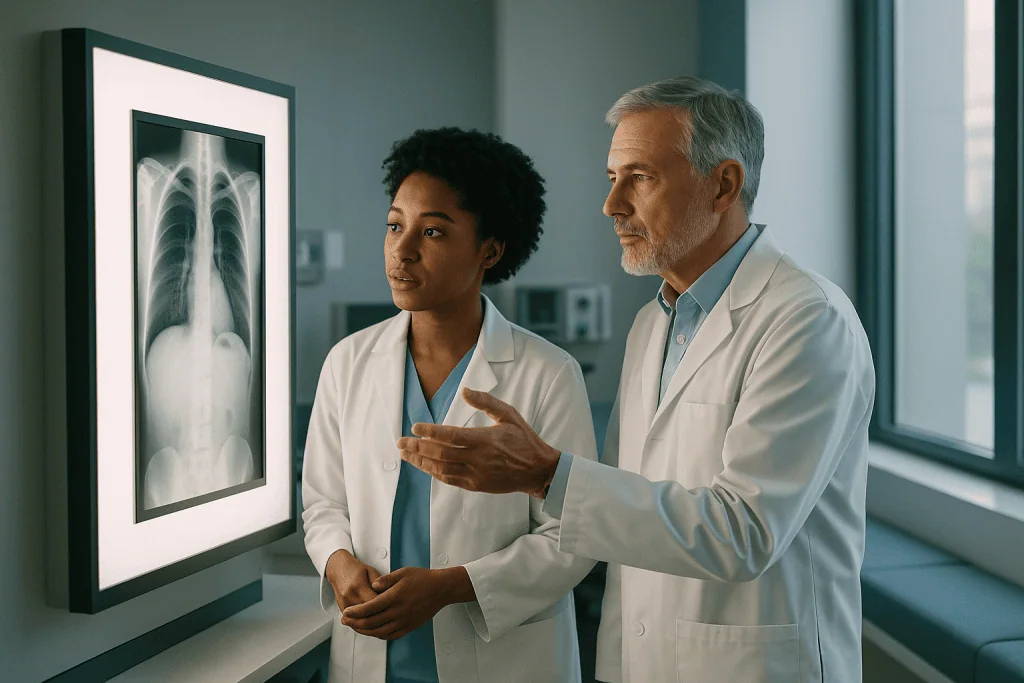
- Chest X-raythe standard test to confirm pneumonia. It shows areas of the lung that appear white or cloudy (called infiltrates or consolidation) where the air sacs are filled with fluid.
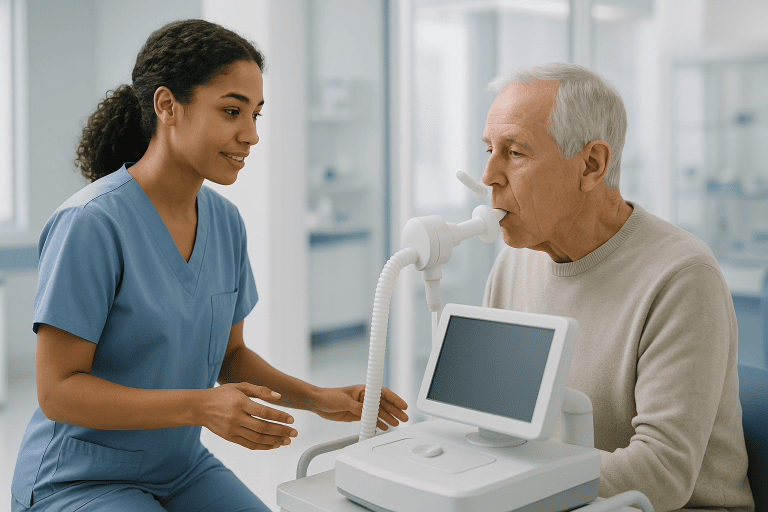
- Pulse oximetrya small, painless clip on the finger that measures the oxygen level in the blood. Low oxygen levels suggest the infection is affecting lung function.
- Blood testsa complete blood count and inflammation markers can support the diagnosis and help gauge severity. Blood cultures may be taken in hospital to look for bacteria in the bloodstream.
- Sputum testsa sample of coughed-up mucus can be examined in the laboratory to identify the germ responsible, which helps guide antibiotic choice.
- CT scan of the chesta more detailed imaging test, sometimes used when the X-ray is unclear, when complications are suspected, or when symptoms do not improve as expected.
- Viral testingnose or throat swabs can detect viruses such as influenza or the COVID-19 virus.
- Bronchoscopyin selected cases, a thin flexible camera is passed into the airways to collect samples, usually when the diagnosis is uncertain or the patient is severely ill.
Doctors also assess how severe the pneumonia is, since this determines where and how it should be treated. They consider factors such as age, confusion, breathing rate, blood pressure, oxygen levels, and other illnesses. Formal scoring tools (such as severity scores used in clinical guidelines) help decide whether a person can safely recover at home or needs hospital admission.
Treatment options
Pneumonia treatment depends on the cause of the infection, how severe it is, and the person’s age and overall health. Many otherwise healthy adults with mild pneumonia recover at home, while others need hospital care. A general overview of how pneumonia is managed is available on the pneumonia treatment page.
Medications
- Antibioticsthe main treatment for bacterial pneumonia. Doctors choose the antibiotic based on the likely germ, local resistance patterns, and your medical history. It is important to take the full course as prescribed, even if you start feeling better after a few days, because stopping early can allow the infection to return or become resistant.
- Antiviral medicinesmay be used for certain viral pneumonias, such as those caused by influenza, especially if started early. Antibiotics do not work against viruses, though they may be added if a bacterial infection develops on top of a viral one.
- Antifungal medicinesused for the less common fungal pneumonias, typically in people with weakened immune systems.
- Symptom reliefmedicines to reduce fever and pain, such as acetaminophen (paracetamol), are often recommended. Cough medicines should be used with caution and only on medical advice, because coughing helps clear mucus from the lungs.
Supportive care at home
For mild pneumonia treated at home, supportive care matters as much as medication. Rest, drinking plenty of fluids to loosen mucus, and avoiding smoking and secondhand smoke all support recovery. Your doctor may arrange a follow-up visit or repeat examination to confirm the infection is clearing. If symptoms worsen or do not improve within a few days of starting treatment, contact your doctor, as the treatment plan may need to change.
Hospital care
People with more severe pneumonia, for example, those with low oxygen levels, confusion, very fast breathing, or significant other illnesses, are usually admitted to hospital. Hospital treatment may include:
- Intravenous (IV) antibioticsmedicines given directly into a vein for a faster, more reliable effect
- Oxygen therapyextra oxygen through a mask or nasal tubes when blood oxygen levels are low
- IV fluidsto prevent or treat dehydration
- Breathing supportin severe cases, machines that assist breathing, ranging from noninvasive masks to mechanical ventilation in an intensive care unit
Procedures and surgery
Surgery is not part of routine pneumonia treatment, but procedures may be needed for complications. If infected fluid collects in the space around the lung (a condition called empyema, or a complicated pleural effusion), doctors may drain it with a needle or a chest tube. Rarely, if a pocket of pus forms in the lung (a lung abscess) or infected fluid cannot be drained by simpler means, a surgical procedure may be required to remove infected tissue or fluid. These situations are managed by specialist teams, often involving pulmonology and thoracic surgery.
Watchful waiting
Because untreated bacterial pneumonia can worsen quickly, doctors rarely take a purely “wait and see” approach once pneumonia is confirmed. However, in mild viral chest infections that resemble early pneumonia, a doctor may recommend close monitoring with supportive care rather than immediate antibiotics, with clear instructions to return if symptoms worsen. Decisions like these should always be made with a doctor, not on your own.
Living with pneumonia and outlook
Most people with pneumonia recover fully, especially when the infection is recognized and treated promptly. However, recovery often takes longer than people expect. Fever and mucus production usually improve within the first week of effective treatment, but the cough can persist for several weeks, and tiredness may last a month or more. Older adults and people with chronic illnesses tend to need longer to regain their previous strength.
During recovery, it helps to rest, return to activity gradually, stay well hydrated, and avoid smoking. If you smoke, pneumonia is a strong reason to consider quitting, and your doctor can support you with this. Attending follow-up appointments is important; in some cases, particularly in smokers and older adults, doctors recommend a follow-up chest X-ray after several weeks to confirm the lung has cleared and to rule out an underlying problem.
The outlook depends on age, general health, the germ involved, and how quickly treatment starts. Pneumonia can be serious, and in vulnerable people it can be life-threatening, especially if complications develop, such as spread of infection to the bloodstream (sepsis), fluid collections around the lung, or respiratory failure. This is why medical assessment matters even when symptoms initially seem manageable. Vaccination, good hand hygiene, managing chronic conditions, and not smoking all lower the risk of future episodes, although no measure removes the risk entirely.
Frequently asked questions
What is pneumonia and how is it different from bronchitis?
Pneumonia is an infection of the lung tissue itself, in which the air sacs fill with fluid or pus. Bronchitis is inflammation of the airways, the tubes leading into the lungs, and is usually milder. The two can feel similar at first, with cough and chest discomfort, but pneumonia is more likely to cause high fever, breathlessness, and low oxygen levels. A chest X-ray is often needed to tell them apart, so a doctor’s assessment is important if symptoms are significant or worsening.
Is pneumonia contagious?
The germs that cause many types of pneumonia, such as flu viruses and some bacteria, can spread from person to person through coughing, sneezing, and contaminated hands or surfaces. However, being exposed does not mean you will develop pneumonia; many people develop a milder illness or none at all. Covering coughs, washing hands regularly, and staying up to date with recommended vaccines reduce the risk of spread.
How serious is pneumonia?
Severity varies widely. In many healthy adults, pneumonia is a treatable illness that resolves with medication and rest at home. In infants, older adults, and people with chronic illnesses or weakened immune systems, it can become severe and, in some cases, life-threatening. Because it is difficult to predict who will deteriorate, anyone with suspected pneumonia should be evaluated by a doctor, and worsening symptoms should prompt urgent reassessment.
Can pneumonia heal on its own without antibiotics?
Some mild viral pneumonias improve with rest and supportive care, since antibiotics do not work against viruses. Bacterial pneumonia, however, usually needs antibiotics and can worsen dangerously without them. Because it is not possible to tell the cause reliably from symptoms alone, self-treating or waiting it out is risky. A doctor can determine the likely cause and whether medication is needed.
How long does it take to recover from pneumonia?
Recovery time varies with age, health, and how severe the infection was. Many people notice improvement in fever and general well-being within the first week of effective treatment, but the cough often lingers for several weeks, and fatigue can last a month or longer. Older adults and people with other illnesses may need several months to feel fully back to normal. If you are not gradually improving, tell your doctor.
What are the first symptoms of pneumonia to watch for?
Early pneumonia symptoms often include cough (with or without mucus), fever, chills, chest discomfort, and feeling more breathless or tired than usual. In older adults, confusion or a sudden decline in general condition may appear before any classic chest symptoms. If cold or flu symptoms suddenly worsen, or breathing becomes difficult, seek medical advice, as this can signal that pneumonia is developing.
Can you get pneumonia more than once?
Yes. Having pneumonia once does not make you immune, because many different germs can cause it. People with ongoing risk factors, such as smoking, chronic lung disease, or a weakened immune system, are more likely to have repeated episodes. Recurrent pneumonia, especially in the same part of the lung, should be investigated by a doctor, as it can sometimes point to an underlying problem in the airway or immune system.
When to see a doctor
See a doctor promptly if you have a cough with fever that is not improving after a few days, if cold or flu symptoms suddenly get worse, or if you belong to a higher-risk group, for example, you are over 65, pregnant, have a chronic illness, or have a weakened immune system. Do not wait to see if things settle on their own if you feel significantly unwell.
Seek urgent or emergency medical care if you or someone you are caring for has any of these red-flag warning signs:
- Severe difficulty breathingstruggling to breathe, breathing very fast, or being unable to speak in full sentences
- Bluish or gray lips, face, or fingertipsa sign of dangerously low oxygen
- Chest pain that is severe, persistent, or worsening
- Coughing up blood
- Confusion, unusual drowsiness, or difficulty wakingespecially in an older adult
- High fever that does not respond to treatment, or a very low body temperature
- Little or no urination, dizziness, or fainting, possible signs of dehydration or dangerously low blood pressure
- In infants and childrenfast or labored breathing, grunting, flaring nostrils, the skin pulling in between the ribs with each breath, poor feeding, or unusual sleepiness
Pneumonia can progress quickly, and early treatment gives the best chance of a smooth recovery. If you have already been diagnosed and your symptoms worsen despite treatment, or you do not begin to improve within a few days, contact your doctor for reassessment.
Medically reviewed by the Acıbadem International Medical Board September 2, 2026
See our medical review board →
Update history
- PublishedJune 14, 2026
- Medical review approvedSeptember 2, 2026
- Last content updateSeptember 2, 2026