

Stroke vs Seizure: How Doctors Tell the Difference in an Emergency
Stroke and seizure can both cause sudden weakness, confusion, speech trouble, or altered awareness. Doctors treat possible stroke as a medical emergency because rapid treatment can protect brain tissue.
Key Takeaways
- Stroke and seizure can both cause sudden weakness, confusion, speech trouble, or altered awareness.
- Doctors treat possible stroke as a medical emergency because rapid treatment can protect brain tissue.
- A careful history, neurological exam, blood tests, and urgent brain imaging help tell the difference.
- Some seizures can mimic stroke, and some strokes can trigger seizures.
- People should call emergency services right away for any sudden neurological symptoms.
- Diagnosis should be made by qualified clinicians, not by trying to judge symptoms at home.
Medically reviewed by the Acıbadem International Medical Board — July 15, 2026
Stroke and seizure can both cause sudden neurological symptoms, which is why they are sometimes confused in emergency care. Doctors distinguish them by looking at how symptoms began, what the body is doing, what remains afterward, and what brain tests show.
Overview: Why stroke and seizure are confused
Stroke and seizure are different medical conditions, but they can look similar at first. Both can begin suddenly and affect the brain, leading to weakness, trouble speaking, confusion, facial drooping, unusual movements, or changes in awareness. In an emergency setting, the priority is to recognize that either possibility needs urgent medical attention.
A stroke happens when blood flow to part of the brain is blocked or when a blood vessel in the brain ruptures. A seizure happens when there is a sudden burst of abnormal electrical activity in the brain. Because the brain controls movement, speech, sensation, and consciousness, either problem can temporarily disrupt these functions.
Doctors do not rely on one sign alone. Instead, they combine the person’s symptoms, the timing of events, witness descriptions, physical examination findings, blood tests, and urgent brain imaging. This structured approach helps emergency teams decide whether symptoms are due to stroke, a seizure disorder, or another condition that can mimic both.
Symptoms that may overlap
Several symptoms can occur in both stroke and seizure. A person may suddenly develop slurred speech, confusion, weakness on one side of the body, numbness, staring, loss of awareness, or difficulty understanding language. This overlap is one reason doctors encourage people not to delay seeking emergency care while trying to work out the cause themselves.
Stroke often causes a sudden loss of function. For example, a person may abruptly be unable to move an arm, smile evenly, or speak clearly. Seizures can also briefly interrupt movement, speech, or awareness, and after a seizure, a person may remain confused or weak for a short time. This temporary weakness after a seizure is sometimes called Todd’s paralysis and can closely resemble a stroke.
Witness descriptions are very helpful. Family members or bystanders may notice body stiffening, rhythmic jerking, lip smacking, eye deviation, or a brief loss of awareness, which can suggest seizure activity. In other cases, the person may simply collapse, stop responding, or look confused, which means imaging and examination become especially important.
- Symptoms more often seen in stroke: sudden facial droop, one-sided weakness, vision loss, trouble speaking, sudden severe imbalance
- Symptoms more often seen in seizure: rhythmic jerking, repeated involuntary movements, tongue biting, loss of bladder control, a post-event confused state
- Symptoms that can occur in both: confusion, staring, weakness, speech difficulty, altered awareness
How doctors assess the emergency

When a patient arrives with sudden neurological symptoms, emergency teams first focus on immediate safety. They check breathing, circulation, blood pressure, oxygen level, blood sugar, temperature, and level of consciousness. Low blood sugar, infections, medication effects, head injury, and some metabolic problems can also imitate stroke or seizure, so these are considered early.
Doctors then ask when the person was last known to be well, how the symptoms started, whether there were convulsions or shaking, whether the person lost consciousness, and whether there is a history of stroke, epilepsy, heart disease, head trauma, or blood-thinning medication use. The exact timeline matters greatly because some stroke treatments depend on how recently symptoms began.
A neurological exam follows. Clinicians assess face symmetry, speech, arm and leg strength, sensation, coordination, eye movements, attention, and alertness. Persistent one-sided deficits may suggest stroke, while a fluctuating or post-event confused state may point toward seizure. Still, these patterns are not always clear, so testing is usually needed to confirm the diagnosis.
Tests used to tell stroke from seizure
Brain imaging is central to the diagnosis. A non-contrast CT scan is often the first imaging test because it can quickly detect bleeding in the brain and help rule out some other emergencies. If an ischemic stroke is suspected, doctors may also use advanced imaging such as CT angiography, CT perfusion, or MRI to look at blood vessels and brain tissue in more detail. In some cases, a patient may need urgent stroke treatment decisions within a short time window.
Blood tests may check glucose, electrolytes, kidney function, infection markers, clotting status, and other possible contributors to altered mental status. An electrocardiogram may be done to look for heart rhythm problems such as atrial fibrillation, which can increase stroke risk. If the symptoms suggest a seizure, an electroencephalogram, or EEG, may later be used to detect abnormal brain electrical activity, although it is not always performed immediately in the emergency department.
MRI can sometimes help distinguish a seizure-related change from an acute stroke, especially when the diagnosis remains uncertain. Doctors may also repeat the neurological examination over time. Improvement of weakness or speech difficulty after a post-seizure period can support seizure, while persistent or worsening deficits can increase concern for stroke. The diagnosis is often made by combining all of these findings rather than relying on a single test.
Key clues doctors look for
Although every case is different, some clues are especially useful. Stroke often causes symptoms that begin suddenly and remain present, such as continued arm weakness or ongoing speech difficulty. Seizures often have a more active event phase, such as shaking, staring, automatisms, or unresponsiveness, followed by a recovery phase with sleepiness or confusion.
One-sided weakness can occur in both conditions, but its pattern may differ. In stroke, weakness is often immediate and persistent. After a seizure, weakness may appear after the event and then gradually improve. Similarly, stroke less commonly causes full-body convulsions as the first obvious sign, while generalized seizures more often involve stiffening, jerking, or sudden loss of awareness.
Doctors also consider whether a stroke may have triggered a seizure. This is particularly relevant in older adults and in people with bleeding in the brain or a large cortical stroke. In these situations, both diagnoses may be part of the same emergency picture, which is another reason specialist evaluation is so important. Depending on the findings, care may involve neurology evaluation and close monitoring.
Treatment depends on the cause
Treatment is very different for stroke and seizure, which is why prompt diagnosis matters. For ischemic stroke, doctors may consider clot-dissolving medicine or a catheter-based procedure to remove a clot if the person arrives within an appropriate time frame and meets safety criteria. Hemorrhagic stroke is managed differently, often with blood pressure control, reversal of anticoagulants when needed, intensive monitoring, and sometimes surgery.
Seizure treatment focuses on stopping ongoing seizure activity, protecting the airway if needed, and identifying the underlying cause. A person with a first seizure may need blood tests, brain imaging, and follow-up care to determine whether the event was provoked by fever, alcohol withdrawal, medication issues, electrolyte imbalance, a structural brain problem, or an ongoing seizure disorder. Longer-term treatment may include anti-seizure medication if a clinician determines it is appropriate.
Because the first hours are so important in stroke care, doctors often move quickly with imaging and stroke protocols while also keeping seizure in the differential diagnosis. If symptoms are due to a seizure mimic rather than stroke, the team can shift treatment accordingly. In complex cases, patients may benefit from comprehensive brain and nerve assessment to clarify the cause and guide prevention.
Prevention and self-care after the emergency
After the immediate event, prevention focuses on the final diagnosis. If the episode was a stroke or transient ischemic attack, doctors may address risk factors such as high blood pressure, diabetes, high cholesterol, smoking, obesity, sleep apnea, or heart rhythm disorders. Rehabilitation can also play an important role if the stroke affected speech, movement, swallowing, or daily function.
If the event was a seizure, prevention depends on the cause. Some people need medication and regular follow-up, while others improve once a trigger such as infection, alcohol withdrawal, or a metabolic imbalance has been treated. Good sleep, medication adherence, avoiding hazardous activities until a doctor advises otherwise, and follow-up with a specialist can all support safer recovery.
It also helps for family members to learn the warning signs of stroke and seizure. They should know the person’s medications, allergies, medical history, and the exact time symptoms began if another emergency happens. For international patients who need coordinated neurological care, Acibadem International’s multidisciplinary specialists and JCI-accredited hospitals diagnose and treat these conditions, including stroke rehabilitation when needed.
When to seek emergency help
Any sudden neurological symptom should be treated as an emergency. This includes facial drooping, sudden arm or leg weakness, trouble speaking, sudden confusion, loss of vision, severe imbalance, a new seizure, or loss of consciousness. People should call emergency services right away rather than driving themselves if symptoms are severe or rapidly changing.
It is especially important to seek urgent care if symptoms last more than a few minutes, return after briefly improving, follow a head injury, occur during pregnancy, or happen in someone with a known history of stroke, seizures, heart disease, or blood thinner use. Even if the person seems better afterward, medical assessment is still important because a temporary event can be an early warning sign.
While waiting for help, bystanders should note the time symptoms started, keep the person safe, and avoid giving food, drink, or medication unless instructed by a healthcare professional. If a seizure is occurring, they should protect the person from injury, turn them onto one side if possible, and not place anything in the mouth. Fast, informed action gives doctors the best chance to make the right diagnosis quickly.
Frequently asked questions
Can a seizure look exactly like a stroke?
It can look very similar, especially if the person is confused, cannot speak clearly, or has weakness on one side afterward. That is why emergency doctors use imaging, examination, and the event history to tell the difference as quickly as possible.
Can a stroke cause a seizure?
Yes. Some strokes, particularly those affecting the outer parts of the brain or involving bleeding, can trigger seizures. In these cases, doctors evaluate and treat both the stroke itself and the seizure risk.
What is the biggest difference between stroke and seizure symptoms?
A stroke usually causes a sudden loss of function that persists, such as lasting arm weakness or speech trouble. A seizure more often includes abnormal movements, staring, or altered awareness followed by a recovery period, although this pattern is not always obvious.
Why do doctors do a CT scan first?
A CT scan is fast and widely available, which makes it very useful in emergencies. It can quickly show bleeding in the brain and help guide urgent treatment decisions, especially when stroke is suspected.
If symptoms go away, is it still an emergency?
Yes. Symptoms that improve or disappear can still represent a transient ischemic attack, a seizure, or another serious neurological event. The person should still be evaluated promptly to reduce the risk of future complications.
Should family members try to decide whether it is stroke or seizure at home?
No. The safest response is to treat sudden neurological symptoms as an emergency and call for help. Trying to sort it out at home can delay treatment that may be time-sensitive, particularly in stroke.
References
- World Health Organization
- American Stroke Association
- National Institute of Neurological Disorders and Stroke
- Centers for Disease Control and Prevention
- International League Against Epilepsy
This article is for general information only and is not a substitute for professional medical advice. Please consult a qualified doctor about your individual situation.
Explore treatments in Turkey — costs, top hospitals & a free quote
JCI-accredited · board-certified surgeons · reply within 24h

More from the Health Library


Related Specialists

Prof. Dr. Bülent Değertekin
Gastroenterology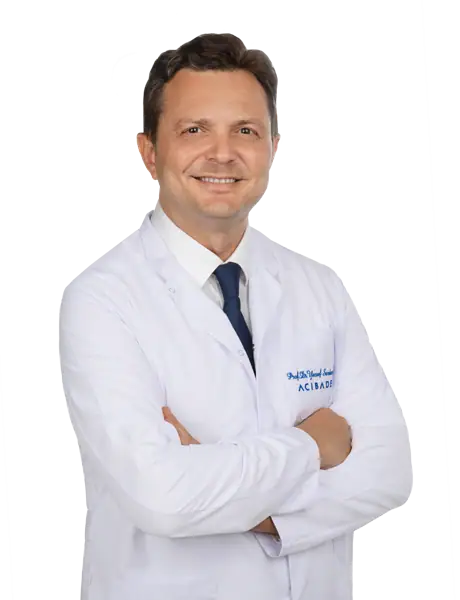
Prof. Dr. Yusuf Serdar Sakın
Gastroenterology
Dr. Erdoğan Süleyman
Radiology
Dr. Üzeyir Tırmık
Orthopedic Surgery & Traumatology