Silent Stroke: What It Is and Why It Still Matters

A silent stroke causes brain tissue injury without noticeable stroke symptoms. It is often found by chance on brain imaging, especially MRI.
Key Takeaways
- A silent stroke causes brain tissue injury without noticeable stroke symptoms.
- It is often found by chance on brain imaging, especially MRI.
- Silent strokes are linked to higher risks of memory decline, walking problems, and future stroke.
- High blood pressure is one of the most important risk factors.
- Treatment focuses on finding the cause and reducing future vascular risk.
- Healthy lifestyle changes and regular medical care can help prevent further brain injury.
Medically reviewed by the Acıbadem International Medical Board — July 15, 2026
A silent stroke is a small area of brain damage caused by interrupted blood flow, but it does not produce the sudden, classic warning signs many people associate with stroke. Even without obvious symptoms, it matters because it can affect thinking, balance, and future stroke risk over time.
Overview
A silent stroke, sometimes called a silent brain infarct, happens when blood flow to a small part of the brain is blocked long enough to damage brain tissue. It is called “silent” because it does not cause the sudden, obvious warning signs people often expect with stroke, such as one-sided weakness, facial drooping, or trouble speaking. Even so, the injury is real and can be seen on brain imaging.
Many people only learn they have had a silent stroke after a brain scan is done for another reason, such as headaches, dizziness, balance concerns, or memory changes. A silent stroke is different from an ordinary headache or simple age-related forgetfulness. It is a marker of blood vessel disease affecting the brain.
Although a silent stroke may not be noticed when it happens, it still matters. Over time, one or more silent strokes can contribute to changes in thinking, mood, balance, and walking. They also signal a higher chance of a future symptomatic stroke, which is why medical evaluation and prevention are important.
Symptoms and Possible Effects
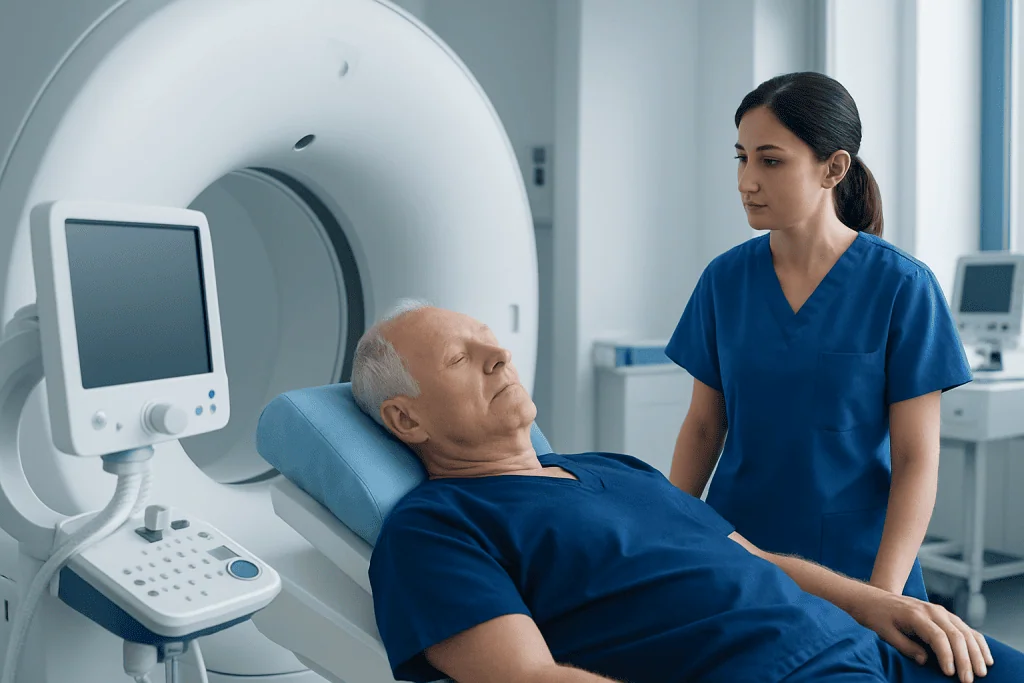
By definition, a silent stroke does not cause the clear, sudden symptoms of a typical stroke at the time it occurs. That is why many people do not know they have had one. However, some people later notice subtle changes that may be related to cumulative brain injury rather than a single dramatic event.
Possible effects can include mild problems with memory, attention, planning, or processing information. Some people describe feeling mentally slower or more forgetful. Others may notice gait changes, reduced balance, or a greater tendency to stumble. These changes can be gradual and may be mistaken for normal aging unless carefully assessed.
Silent strokes can also be associated with mood or emotional changes in some cases, especially when small vessel disease affects certain brain regions. Still, these symptoms are not specific, and many other conditions can cause similar concerns. That is why imaging and medical evaluation are needed to understand the cause.
It is important to distinguish a silent stroke from a symptomatic stroke or a transient ischemic attack. If a person develops sudden weakness, numbness, confusion, difficulty speaking, vision loss, or severe imbalance, this should be treated as a medical emergency rather than a silent event.
Causes and Risk Factors

Silent strokes most often result from disease in the blood vessels supplying the brain. A small artery may become narrowed or blocked, or a clot may briefly interrupt circulation. In many cases, the pattern on imaging suggests small vessel disease, a condition often linked to long-standing high blood pressure, diabetes, and aging.
Risk factors for silent stroke are similar to those for other forms of stroke. These include:
- High blood pressure
- Diabetes
- High cholesterol
- Smoking
- Atrial fibrillation and other heart rhythm problems
- Heart disease or carotid artery disease
- Obesity and physical inactivity
- Older age
- Sleep apnea
High blood pressure is especially important because it can damage the small vessels deep inside the brain over many years. This damage may lead not only to silent strokes but also to other changes visible on MRI, such as white matter disease or tiny old bleeds. Together, these findings can increase the risk of cognitive decline and future stroke.
Some silent strokes are related to conditions that send clots from the heart or larger arteries to the brain. For example, an irregular heartbeat such as atrial fibrillation may allow blood clots to form. In these situations, identifying the source is a key part of preventing another event.
How Silent Stroke Is Diagnosed
Silent stroke is usually diagnosed through brain imaging rather than by symptoms alone. Magnetic resonance imaging, especially brain MRI, is often the most sensitive test for detecting old small infarcts and other signs of vascular injury. Computed tomography may also show older areas of damage, but MRI can provide more detail in many cases.
Once a silent stroke is found, doctors usually try to understand why it happened. This may include a detailed medical history, blood pressure review, blood tests for diabetes and cholesterol, and an evaluation of heart and blood vessel health. Depending on the person’s age, symptoms, and risk factors, tests may assess the neck arteries or the heart.
Additional studies sometimes include carotid ultrasound to look for narrowing in the carotid arteries, heart rhythm monitoring to check for atrial fibrillation, and an echocardiography exam to evaluate heart structure and clot risk. The goal is to identify treatable causes and lower the chance of another stroke.
Doctors also consider other brain conditions that can look similar on imaging. Small vessel disease, prior unnoticed injury, inflammation, or other neurological disorders may need to be ruled out. A neurologist or stroke specialist can help interpret these findings in the context of the person’s overall health.
Treatment Options
Treatment for silent stroke focuses less on reversing old damage and more on preventing future injury. The care plan depends on the likely cause, the person’s risk factors, and whether other vascular changes are present. In general, treatment aims to protect the brain, heart, and blood vessels over the long term.
Doctors may recommend medicines to control blood pressure, lower cholesterol, or manage diabetes. In selected patients, antiplatelet or blood-thinning treatment may be appropriate, especially if there is evidence of a clotting source or certain vascular conditions. Medication decisions should always be individualized by a qualified physician.
If a silent stroke appears linked to a heart rhythm problem, such as atrial fibrillation, treatment may focus on rhythm evaluation and stroke prevention. If significant carotid narrowing is found, further vascular management may be considered. Some patients also benefit from cognitive assessment, balance evaluation, or rehabilitation support if they are experiencing subtle functional changes.
In cases where imaging raises concern for broader cerebrovascular disease, regular follow-up may help track risk and guide prevention. Acibadem International’s multidisciplinary specialists and JCI-accredited hospitals diagnose and treat stroke-related conditions for international patients when advanced evaluation is needed.
Prevention and Self-care
Preventing silent stroke often involves the same steps used to prevent other strokes and heart disease. Good blood pressure control is one of the most effective measures. People who know they have hypertension should take it seriously, attend follow-up appointments, and use prescribed treatment consistently.
Other helpful steps include stopping smoking, staying physically active, eating a heart-healthy diet, maintaining a healthy weight, and limiting excess alcohol. Managing diabetes, high cholesterol, and sleep apnea can also lower risk. These changes support the health of both large and small blood vessels throughout the body.
For people who already have a silent stroke on imaging, prevention becomes even more important. A doctor may recommend home blood pressure checks, regular cholesterol and glucose monitoring, and ongoing review of medications. It can also help to watch for changes in memory, walking, or balance and mention them during routine visits.
Self-care should not replace professional guidance. Because the reasons behind silent stroke vary, a personalized plan is important. Simple steps taken early can meaningfully reduce the chance of additional silent injury or a future symptomatic stroke.
When to See a Doctor
A person should speak with a doctor if brain imaging shows a silent stroke, even if they feel well. This finding deserves evaluation because it may reveal hidden vascular risk factors or an underlying heart or artery problem. A neurologist, stroke specialist, or primary care doctor can help guide next steps.
Medical review is also important for gradual changes in memory, concentration, walking, or balance, especially in older adults or those with high blood pressure, diabetes, or smoking history. These symptoms do not always mean silent stroke, but they should not be dismissed without assessment.
Emergency care is needed for any sudden possible stroke symptoms, including facial drooping, arm weakness, speech difficulty, new confusion, sudden vision loss, severe imbalance, or sudden numbness. Silent stroke is not an emergency because it lacks these acute warning signs, but a symptomatic stroke always is.
After diagnosis, follow-up care helps reduce future risk. Questions about medication, exercise, diet, blood pressure targets, or the need for further testing are best discussed with a qualified healthcare professional who knows the individual’s health history.
Frequently asked questions
Is a silent stroke the same as a mini stroke?
Not exactly. A mini stroke usually refers to a transient ischemic attack, which causes temporary stroke-like symptoms without permanent brain injury on the same scale as a stroke. A silent stroke causes actual brain tissue damage but does not produce obvious symptoms at the time.
How serious is a silent stroke?
A silent stroke should be taken seriously because it shows that blood vessel disease has affected the brain. It may increase the risk of future stroke, memory problems, and walking difficulties, even if the person feels well now.
Can a silent stroke be reversed?
The brain tissue already injured by a silent stroke generally cannot be restored. However, treatment can reduce the risk of additional silent strokes and future symptomatic strokes. Managing risk factors early is very important.
How is a silent stroke found?
Most silent strokes are discovered on brain imaging, often during an MRI done for another reason. Afterward, doctors may investigate blood pressure, cholesterol, diabetes, heart rhythm, and blood vessels to look for the cause.
Can younger adults have a silent stroke?
Yes, although silent stroke is more common with increasing age. Younger adults may also be affected, especially if they have high blood pressure, diabetes, smoking exposure, heart rhythm problems, or other vascular risk factors.
What lifestyle changes help prevent silent stroke?
Controlling blood pressure, quitting smoking, being physically active, eating a heart-healthy diet, and managing diabetes and cholesterol can all help. Regular medical care is important because prevention often depends on treating conditions that may not cause symptoms early on.
References
- World Health Organization
- American Stroke Association
- National Institute of Neurological Disorders and Stroke
- Centers for Disease Control and Prevention
- National Institute on Aging
This article is for general information only and is not a substitute for professional medical advice. Please consult a qualified doctor about your individual situation.
Explore treatments in Turkey — costs, top hospitals & a free quote
JCI-accredited · board-certified surgeons · reply within 24h