Stroke Mimics: Conditions That Can Look Like a Stroke

Stroke mimics can closely resemble a true stroke but have different causes and treatments. Common stroke mimics include seizures, migraine, low blood sugar, Bell’s palsy, infections, and functional neurological symptoms.
Key Takeaways
- Stroke mimics can closely resemble a true stroke but have different causes and treatments.
- Common stroke mimics include seizures, migraine, low blood sugar, Bell’s palsy, infections, and functional neurological symptoms.
- Brain imaging, blood tests, and a neurological examination help doctors tell stroke from its mimics.
- Anyone with sudden face drooping, arm weakness, speech trouble, vision changes, or severe imbalance should seek emergency care immediately.
- Quick evaluation matters because a true stroke needs time-sensitive treatment.
- Preventing confusion starts with controlling chronic conditions and knowing personal stroke risk factors.
Medically reviewed by the Acıbadem International Medical Board — July 15, 2026
Stroke mimics are medical conditions that can cause sudden symptoms similar to a stroke, including weakness, numbness, confusion, or trouble speaking. Because true stroke is a medical emergency, any possible stroke symptoms should be assessed urgently, even when a mimic is suspected.
Overview
Stroke mimics are conditions that produce symptoms similar to a stroke but are caused by something else. A person may suddenly develop one-sided weakness, facial drooping, speech difficulty, confusion, dizziness, or vision changes, and these symptoms can look very much like a stroke in the first minutes or hours. This overlap is the reason emergency teams treat any possible stroke seriously until tests show otherwise.
A true stroke happens when blood flow to part of the brain is blocked or when bleeding occurs in the brain. In contrast, a stroke mimic may involve changes in blood sugar, a seizure, a migraine, an infection, a nerve problem, or another neurological or medical condition. Although a mimic is not the same as a stroke, it still deserves prompt medical attention because some causes can also be urgent.
Doctors do not rely on symptoms alone to make the difference. They combine a history of how symptoms began, a physical and neurological examination, brain imaging, and blood tests. This careful approach helps identify people who need immediate stroke treatment and those whose symptoms have another explanation.
Symptoms That May Resemble a Stroke
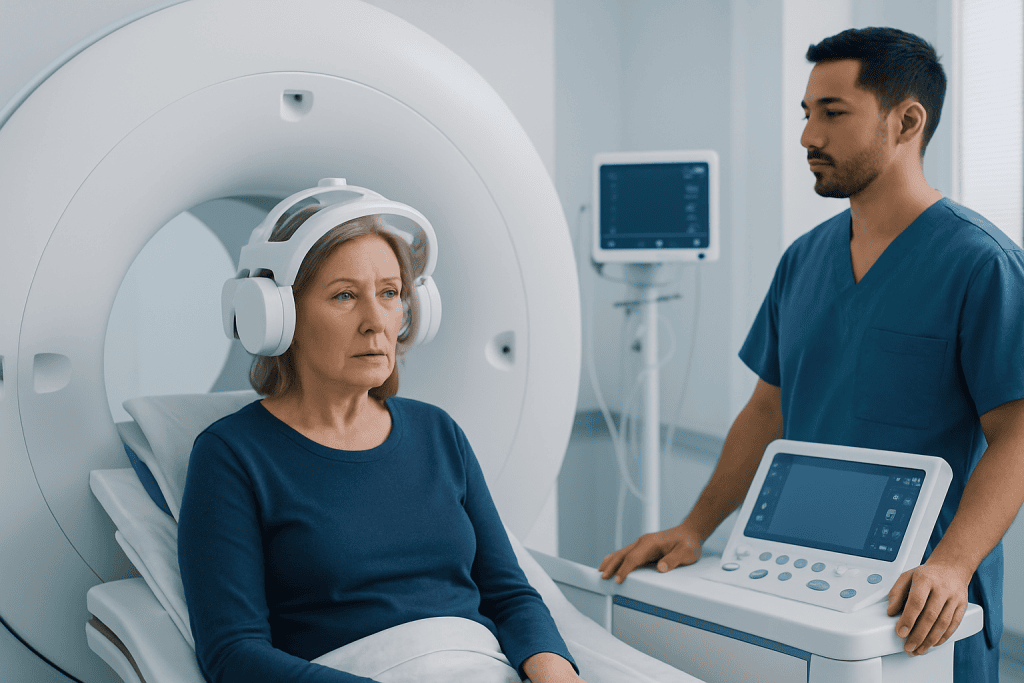
The symptoms of a stroke mimic can be almost identical to those of a real stroke. Sudden weakness or numbness on one side of the body, facial asymmetry, slurred speech, difficulty finding words, confusion, and trouble walking are common reasons people seek emergency care. Some people also have vision loss, double vision, severe dizziness, or sudden clumsiness.
What makes these symptoms challenging is that they may come on abruptly, just as a stroke does. For example, low blood sugar can cause confusion and weakness within minutes. A seizure can leave temporary weakness afterward. A migraine aura may lead to numbness, visual changes, or speech problems that appear suddenly and are frightening.
Symptoms that especially raise concern for stroke include:
- Face drooping
- Arm or leg weakness, especially on one side
- Speech that is slurred or hard to understand
- Sudden trouble seeing
- Sudden loss of balance or coordination
- A sudden, unusual severe headache
Because a person cannot safely tell at home whether symptoms are due to a stroke or a mimic, emergency evaluation is always the safest response.
Common Causes of Stroke Mimics
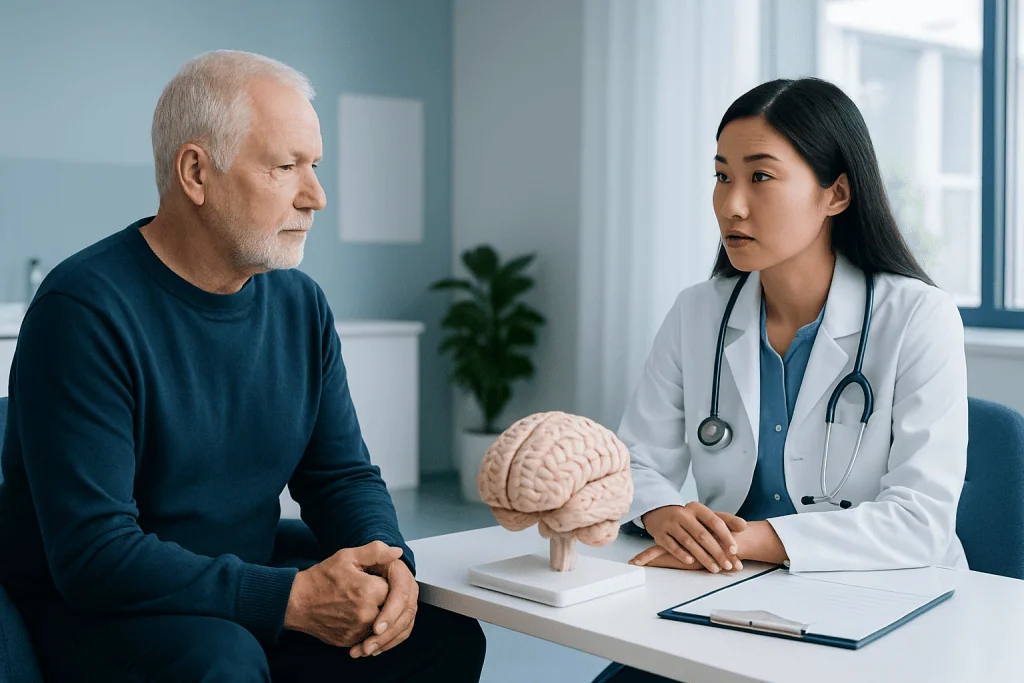
Several medical conditions can imitate stroke. One of the most common is low blood sugar, also called hypoglycemia, which can cause confusion, sweating, shakiness, weakness, and even focal neurological symptoms. Seizures are another major cause. After a seizure, some people develop temporary weakness on one side of the body, called Todd’s paralysis, which may last minutes to hours.
Migraine, especially migraine with aura, can also be a powerful stroke mimic. Aura symptoms may include flashing lights, numbness, language difficulty, or weakness. In some cases, doctors may consider conditions such as migraine when the symptom pattern, age, and medical history fit. Bell’s palsy, which affects the facial nerve, can cause sudden facial drooping that may look like stroke, though it usually involves the whole side of the face rather than only the lower part.
Other possible mimics include brain tumors, multiple sclerosis flare-ups, inner ear disorders, severe infections, medication effects, intoxication, and metabolic disturbances such as low sodium. Functional neurological disorder can also cause sudden symptoms affecting movement, sensation, or speech without structural brain injury. In older adults, delirium from infection or dehydration may be mistaken for stroke because it can cause sudden confusion or altered behavior.
Sometimes a transient ischemic attack, often called a mini-stroke, is also part of the discussion because it causes temporary stroke-like symptoms without lasting injury on imaging. While not a mimic in the same way, it is a warning sign that needs urgent medical review and may lead to evaluation for stroke risk.
Who May Be More Likely to Experience a Stroke Mimic
Stroke mimics can occur at any age, but some groups are more likely to have certain causes. People with diabetes may be more vulnerable to low blood sugar episodes. Those with epilepsy or a history of seizures may have post-seizure weakness. People with migraine, especially migraine with aura, may experience neurological symptoms that can be mistaken for stroke.
Older adults may have more complex presentations because infections, dehydration, medication interactions, or preexisting neurological disease can cause sudden changes in function. Younger adults, on the other hand, may be more likely to have migraine, functional neurological symptoms, or seizure-related events, though stroke can still happen at any age.
Risk factors for true stroke still matter in every evaluation. High blood pressure, atrial fibrillation, smoking, high cholesterol, diabetes, and prior stroke or transient ischemic attack increase the urgency of considering a real cerebrovascular event. That is why emergency teams assess both possibilities at the same time rather than assuming one or the other.
How Doctors Tell Stroke From a Stroke Mimic
Diagnosis begins with timing. Doctors ask when symptoms started, whether they came on suddenly or gradually, and whether they are improving, spreading, or recurring. They also ask about headache, seizure activity, fever, recent illness, medication use, diabetes, and prior episodes. A careful neurological examination checks strength, speech, sensation, eye movements, coordination, and facial movement patterns.
Brain imaging is central to the evaluation. A head CT scan is commonly used first to look for bleeding and other urgent problems. Depending on the situation, doctors may use MRI, CT angiography, or perfusion imaging to assess blood vessels and areas of brain tissue at risk. Blood tests can identify low blood sugar, infection, electrolyte problems, or other metabolic causes. Heart rhythm monitoring and an electrocardiogram may also be needed.
In some cases, further testing helps clarify the diagnosis. An electroencephalogram may be used if seizure is suspected. If a facial droop seems more consistent with a peripheral nerve problem, doctors may assess for Bell’s palsy. If there are recurrent brief symptoms, the care team may consider transient ischemic attack and guide further evaluation for stroke prevention, sometimes including carotid endarterectomy when carotid artery narrowing is found and treatment is appropriate.
This process can feel stressful, but it is designed to avoid missing a treatable stroke while also identifying the real cause quickly and safely.
Treatment Options
Treatment depends entirely on the cause. If tests confirm a true stroke, care may be time-sensitive and highly specialized. Depending on the type and timing, treatment may include clot-busting medication or procedures such as mechanical thrombectomy to restore blood flow in selected patients. If bleeding in the brain is found, the treatment approach is different and may involve blood pressure control, monitoring, or surgery.
If the symptoms are caused by a stroke mimic, treatment focuses on the underlying condition. Low blood sugar is corrected promptly. Seizures are managed with appropriate anti-seizure evaluation and medication planning. Migraine treatment may include symptom relief, trigger management, and preventive strategies. Bell’s palsy, infections, or metabolic disturbances are treated according to their specific cause.
Even when symptoms improve, follow-up remains important. Some people need rehabilitation for temporary weakness, balance problems, or speech difficulty. Others need neurology review to clarify whether they experienced a mimic, a transient ischemic attack, or another disorder. In some situations, additional care such as stroke rehabilitation may be recommended if neurological symptoms have affected daily function.
Near the end of the care journey, multidisciplinary teams can be helpful, especially when symptoms have more than one possible cause. Acibadem International’s multidisciplinary specialists and JCI-accredited hospitals evaluate and treat stroke and stroke-like conditions for international patients when advanced assessment is needed.
Prevention and Self-care
Not all stroke mimics can be prevented, but many triggers and contributing factors can be managed. People with diabetes can reduce risk by monitoring blood sugar as advised and knowing the warning signs of hypoglycemia. Those with migraine may benefit from identifying triggers such as sleep disruption, dehydration, skipped meals, or stress. People with seizure disorders should take medicines as prescribed and discuss any breakthrough symptoms with their doctor.
General stroke prevention is also important because a person can have both risk factors for stroke and a condition that mimics it. Healthy blood pressure control, diabetes management, avoiding smoking, regular physical activity, and treatment of heart rhythm problems all support brain and vascular health. For individuals with known carotid artery disease or recurring transient symptoms, doctors may discuss medical therapy or procedures such as carotid artery treatment options when appropriate.
At home, the most important self-care rule is not to wait and see if sudden neurological symptoms pass. Writing down the time symptoms began, current medications, and any recent illnesses can help emergency clinicians. Family members should learn basic stroke warning signs and act quickly if they appear.
When to See a Doctor
Any sudden stroke-like symptom should be treated as an emergency. Immediate medical care is needed for face drooping, one-sided weakness, speech difficulty, sudden vision loss, severe imbalance, or a sudden severe headache. It is safer to have a stroke mimic evaluated urgently than to miss the short treatment window for a true stroke.
A person should also seek medical advice if they have repeated brief episodes of numbness, confusion, or speech trouble, even if they recover fully. These events could be related to migraine, seizure, metabolic changes, or a transient ischemic attack, and each possibility deserves proper assessment. Recurrent episodes should never be dismissed without medical review.
After emergency treatment, follow-up with a neurologist or the appropriate specialist helps prevent future events and clarifies the diagnosis. A clear explanation of what happened can reduce anxiety and guide the right long-term care plan.
Frequently asked questions
What is a stroke mimic?
A stroke mimic is a condition that causes symptoms similar to a stroke but is not caused by a blocked or bleeding blood vessel in the brain. Common examples include seizures, migraine, low blood sugar, Bell’s palsy, and infections.
Can a doctor tell right away if symptoms are a stroke or a mimic?
Not always. Symptoms can overlap closely, so doctors usually need a neurological exam, brain imaging, and blood tests to make the distinction safely. This is why emergency evaluation is so important.
Are stroke mimics dangerous?
Some are less dangerous than a true stroke, but they still need proper assessment. Certain causes, such as severe low blood sugar, infection, or seizure-related problems, can also require urgent treatment.
How is a mini-stroke different from a stroke mimic?
A mini-stroke, or transient ischemic attack, is caused by a temporary interruption of blood flow to the brain. A stroke mimic is caused by something else entirely, even though the symptoms may look similar.
Can migraine really look like a stroke?
Yes. Migraine with aura can cause numbness, visual changes, speech problems, and sometimes weakness, which may closely resemble stroke symptoms. Because the difference is not always obvious, urgent medical assessment is still recommended.
Should someone wait to see if stroke-like symptoms go away?
No. Sudden neurological symptoms should be treated as a medical emergency, even if they improve quickly. Early assessment helps doctors rule out stroke and start the right treatment without delay.
References
- World Stroke Organization
- American Stroke Association
- National Institute of Neurological Disorders and Stroke
- National Health Service
- Centers for Disease Control and Prevention
This article is for general information only and is not a substitute for professional medical advice. Please consult a qualified doctor about your individual situation.
Explore treatments in Turkey — costs, top hospitals & a free quote
JCI-accredited · board-certified surgeons · reply within 24h

More from the Health Library


Related Specialists
Dr. Rasim Farajov
General Surgery
Prof. Dr. Şafak Kıziltaş
Gastroenterology
Asst. Prof. Dr. Ezgi Yakupoğlu
Neurology
Assoc. Prof. Dr. Mirza Zafer Dağtaş
Orthopedic Surgery & Traumatology