Prognosis: Symptoms, Causes, and Treatment Options

Prognosis describes the likely course and outcome of a condition, not a certain prediction. Doctors base prognosis on diagnosis, severity, age, overall health, test findings, and treatment response.
Key Takeaways
- Prognosis describes the likely course and outcome of a condition, not a certain prediction.
- Doctors base prognosis on diagnosis, severity, age, overall health, test findings, and treatment response.
- A prognosis can change over time as symptoms improve, worsen, or new treatments are started.
- Good communication with a healthcare team helps patients understand short-term and long-term expectations.
- Early diagnosis, follow-up care, and healthy habits can improve outlook in many conditions.
Prognosis is the medical term for the expected course and likely outcome of a health condition. It is not a guarantee, but an informed estimate based on the diagnosis, stage or severity, test results, overall health, and response to treatment.
Overview: what prognosis means in healthcare
Prognosis is a doctor’s best estimate of how a disease or health condition is likely to develop over time. It may describe the chance of recovery, how long symptoms may last, whether the condition can be controlled, and what the long-term outlook may be. In simple terms, prognosis helps answer the question, “What is likely to happen next?”
A prognosis is based on medical evidence, but it is never a promise. Two people with the same diagnosis may have different outcomes because health is influenced by many factors, including age, other medical conditions, lifestyle, and how well treatment works. For this reason, prognosis is usually discussed as a range of possibilities rather than a fixed result.
Doctors may talk about prognosis when diagnosing a new illness, planning treatment, or reviewing progress after therapy. The information can help patients and families make informed decisions, prepare for recovery, and understand what kind of monitoring or support may be needed. A clear explanation of prognosis can also reduce uncertainty and improve communication between the patient and care team.
How prognosis differs from diagnosis
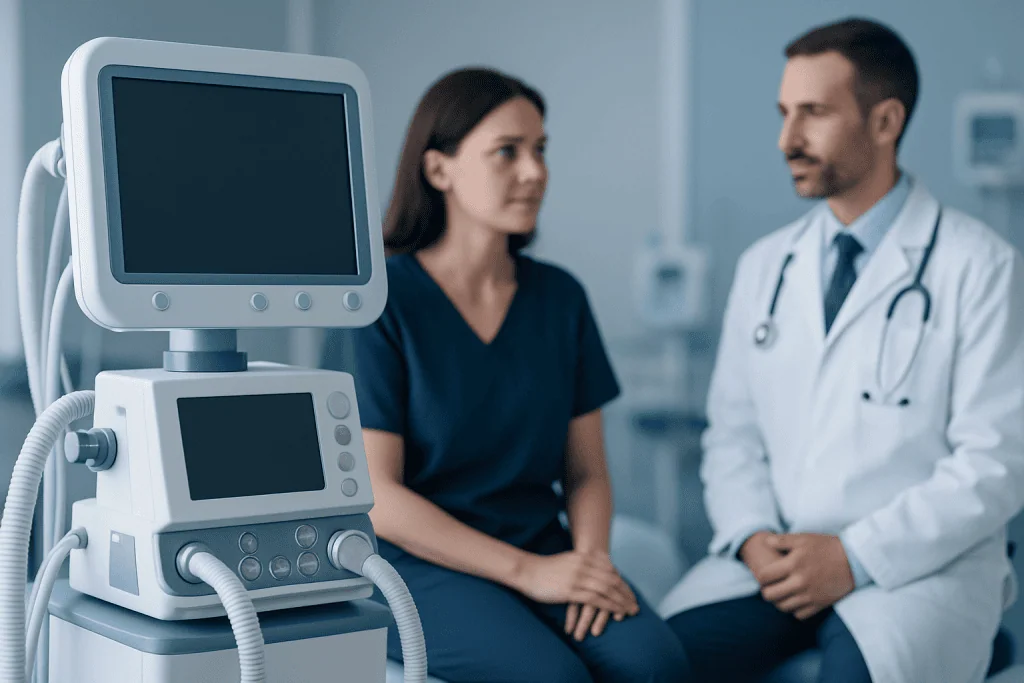
Diagnosis and prognosis are related, but they are not the same. A diagnosis identifies what condition a person has. Prognosis explains the expected course of that condition. For example, a diagnosis might confirm asthma, diabetes, or cancer, while the prognosis addresses whether the illness is likely to improve, remain stable, return, or require long-term management.
This distinction matters because many conditions share a broad diagnosis but have very different outlooks. Some illnesses are short-term and improve fully. Others are chronic and need ongoing care. Some conditions progress slowly over years, while others require urgent treatment. In cancer care, for instance, prognosis depends heavily on stage, tumor type, and treatment response, which is why early evaluation and therapies such as cancer treatment may be important parts of discussing outlook.
Patients sometimes hear terms such as “good prognosis,” “guarded prognosis,” or “poor prognosis.” These phrases are general clinical impressions, not exact forecasts. A more useful conversation often focuses on practical questions: what symptoms to expect, which treatments may help, how function may change, and what signs should prompt review by a doctor.
What factors influence prognosis

Many details shape prognosis, and the most important factors depend on the condition. In general, doctors consider how severe the disease is, how early it was found, whether it has spread or caused complications, and how much it affects important organs or daily function. Test results, imaging findings, and laboratory values can also provide useful clues about expected outcomes.
Personal health factors are just as important. Age, pregnancy status, nutrition, immune health, mobility, smoking, alcohol use, and the presence of other conditions such as heart disease or kidney disease may all affect recovery or long-term control. A person with several chronic illnesses may face a different outlook than someone with the same diagnosis but otherwise good health.
Treatment response often changes prognosis over time. If symptoms improve, scans are stable, or blood tests return to normal, the outlook may become more favorable. If a condition does not respond as expected, the medical team may revise the prognosis and adjust the treatment plan. This is one reason regular follow-up matters in chronic illnesses such as diabetes or high blood pressure, where long-term control can strongly influence future health.
- Type and stage or severity of the condition
- How early the disease is diagnosed
- Age and overall physical health
- Presence of other medical conditions
- Results of blood tests, imaging, or biopsy
- How well the person responds to treatment
Symptoms and signs linked to a changing prognosis
Prognosis itself is not a symptom. However, symptoms and physical signs often help doctors judge whether a condition is improving, stable, or worsening. For example, less pain, better breathing, improved strength, normal appetite, and better sleep may suggest recovery or effective treatment. On the other hand, new fatigue, unexplained weight loss, worsening shortness of breath, fainting, persistent fever, or increasing swelling may signal a need for reassessment.
Changes in function can be especially meaningful. A person who can return to work, exercise more comfortably, or manage daily tasks more easily may be moving in a positive direction. In chronic illnesses, even small gains in mobility, mood, or symptom control can improve quality of life and alter the overall outlook.
It is important not to interpret symptoms alone without medical advice. Some symptoms that feel minor may be significant, while some alarming symptoms may have treatable causes. Keeping track of symptom patterns, flare-ups, triggers, and treatment side effects can help the healthcare team assess prognosis more accurately and make timely changes to care.
How doctors assess and explain prognosis
Assessing prognosis usually involves combining clinical experience with objective medical information. Doctors review the diagnosis, examine the patient, and use tests such as blood work, scans, heart studies, lung function tests, or biopsy results when needed. In some diseases, validated scoring tools or staging systems help estimate risk and guide treatment planning.
These assessments are often updated over time. A first prognosis may be broad, especially early in the diagnostic process. As more information becomes available, the outlook may become clearer. Follow-up appointments are important because they allow the team to measure progress, monitor complications, and discuss whether expectations have changed.
Patients can ask practical questions during these discussions, such as: Is this condition curable, controllable, or likely to be long-term? What is the best-case and most likely scenario? What signs would suggest improvement or concern? What can be done to support recovery? When advanced evaluation is needed, tests such as MRI or comprehensive check-up may help clarify the diagnosis and outlook.
Treatment options and ways to improve outlook
Treatment does not guarantee a specific prognosis, but it often plays a major role in improving it. The goal may be to cure the disease, slow progression, relieve symptoms, prevent complications, or maintain daily function. The best approach depends on the condition and may include medication, surgery, rehabilitation, lifestyle changes, counseling, or long-term monitoring.
For many conditions, early treatment leads to a better outlook because it can limit damage before complications develop. Adherence also matters. Taking medicines as prescribed, attending follow-up visits, and reporting side effects promptly can help the care team adjust the plan and improve results. In chronic conditions, steady long-term management may matter more than any single treatment step.
Supportive care can be just as valuable as disease-specific treatment. Nutrition support, pain control, physical therapy, sleep care, and mental health support may improve quality of life and function even when a disease is not curable. Near the end of the care journey, patients may also benefit from a multidisciplinary review. Acibadem International’s multidisciplinary specialists in JCI-accredited hospitals diagnose and treat complex conditions for international patients when coordinated expert evaluation is needed.
Prevention, self-care, and living with uncertainty
Not every prognosis can be prevented, but healthy habits can improve the outlook for many conditions. Avoiding tobacco, staying physically active, eating a balanced diet, getting enough sleep, and keeping vaccinations up to date all support general health. Managing blood pressure, blood sugar, and cholesterol can also reduce the risk of complications in many chronic illnesses.
Self-care also means staying engaged with medical care. Regular screening, timely appointments, and prompt attention to new symptoms can lead to earlier diagnosis and more effective treatment. Patients who understand their condition are often better prepared to notice changes and take part in decisions about care.
Uncertainty is a normal part of prognosis. Many people want a definite answer, but medicine often works in probabilities rather than certainties. It can help to focus on the next practical step: understanding the diagnosis, following the treatment plan, and knowing which symptoms require review. Honest communication with the healthcare team can make uncertainty feel more manageable.
When to seek medical care
A person should seek medical care if they have new, unexplained, or persistent symptoms, especially if symptoms interfere with breathing, eating, movement, sleep, or daily activities. A medical review is also important when a known condition seems to be changing, treatment is no longer helping, or new side effects appear. Early reassessment can sometimes improve prognosis by identifying complications or allowing treatment to be adjusted.
Urgent medical attention is needed for severe chest pain, sudden weakness, confusion, major bleeding, seizures, signs of stroke, serious shortness of breath, or loss of consciousness. These symptoms may signal a medical emergency and should not be monitored at home.
Even when symptoms are not urgent, patients should not hesitate to ask for clarification if they do not understand their prognosis. A clear conversation about expected recovery, possible setbacks, and the goals of treatment can help people feel informed and supported while planning next steps.
Frequently asked questions
What does prognosis mean in simple terms?
Prognosis means the likely course and outcome of a disease or health condition. It is a medical estimate based on current information, not a guaranteed result.
Is prognosis the same as diagnosis?
No. Diagnosis identifies the condition, while prognosis describes what is expected to happen over time. A diagnosis answers what the illness is, and a prognosis explains the likely outlook.
Can a prognosis change?
Yes, prognosis can change as new test results become available or as treatment begins. Improvement, complications, or a different response to therapy may all affect the outlook.
What makes a prognosis better or worse?
Important factors include the type and severity of the condition, how early it is found, age, overall health, and response to treatment. Lifestyle factors and other medical problems can also influence the long-term outlook.
Does a poor prognosis mean there is no treatment?
No. Even when a condition cannot be cured, treatment may still relieve symptoms, slow progression, and improve quality of life. Supportive care and careful follow-up can remain very important.
How can someone discuss prognosis with their doctor?
It helps to ask clear questions about expected recovery, treatment goals, possible complications, and warning signs to watch for. Patients can also ask what the best-case, most likely, and less likely scenarios are.
References
- World Health Organization
- MedlinePlus
- Mayo Clinic
- National Cancer Institute
- Centers for Disease Control and Prevention
This article is for general information only and is not a substitute for professional medical advice. Please consult a qualified doctor about your individual situation.
Explore treatments in Turkey — costs, top hospitals & a free quote
JCI-accredited · board-certified surgeons · reply within 24h
Add us as a Preferred Source to see more of our trusted health content across Google Search, AI Overviews and Discover.
Check your numbers in seconds
BMI, calories, due date, blood pressure and 30+ more clinical calculators — free, instant, doctor-reviewed ranges.