Comprehensive Check-Up
Comprehensive Check-Up is a preventive health assessment that combines physician evaluation, laboratory tests, and imaging to detect risk factors and early health problems before symptoms appear.

Quick answer
A comprehensive check-up is a preventive health assessment that combines medical consultation, laboratory testing, and imaging to identify risk factors and possible health concerns early. At Acibadem in Turkey, check-up programmes are tailored to age, sex, medical history, and individual health needs, with results reviewed by relevant specialists.
When You Feel Well but Want Real Clarity
Many important health conditions develop quietly. High blood pressure may not cause symptoms for years. Early diabetes can be easy to miss. Some heart, digestive, metabolic, or cancer-related risks may begin long before a person feels unwell. For many people, that is what makes the decision to have a comprehensive check-up so important. It is not only about looking for disease. It is about understanding your current health, identifying risks early, and deciding what deserves attention now rather than later.
International patients often begin this search with practical and emotional questions. Do I really need a full evaluation if I feel healthy? What tests are actually useful? Will I end up with unnecessary procedures, or will something meaningful be overlooked? These concerns are reasonable. A good check-up should be thoughtful, individualized, and evidence-based. It should not be a long list of tests performed without context. Instead, it should be a structured medical assessment that interprets findings in relation to your age, family history, lifestyle, symptoms, and personal concerns.
For some patients, a comprehensive check-up is a first step after years of postponing care. For others, it is part of a routine preventive strategy, especially if they have a family history of heart disease, stroke, diabetes, thyroid disease, gastrointestinal disorders, or certain cancers. It can also be valuable before major life transitions, such as starting an intensive fitness program, planning pregnancy, managing stress-related symptoms, or returning to health after a demanding period of work or travel.
What matters most is that the evaluation leads to clear next steps. Sometimes the result is reassuring and confirms that your health is on track. Sometimes it reveals a problem at an early, more manageable stage. Often, it identifies modifiable risks, such as cholesterol abnormalities, liver fat accumulation, anemia, hormonal imbalance, digestive issues, obesity-related complications, or blood sugar changes, that can be treated before they progress.
A well-designed comprehensive check-up gives patients something many are looking for but rarely receive from fragmented healthcare visits: a coherent medical picture. That perspective can make decisions easier, reduce uncertainty, and support earlier, more effective care.
What a Comprehensive Check-Up Is
A comprehensive check-up is a preventive medical assessment that combines clinical evaluation, laboratory analysis, and selected imaging or functional tests to detect health risks and early disease. It is broader than a routine office visit and more personalized than a basic screening panel. The goal is to create an accurate overview of your health status and identify conditions that may benefit from monitoring, lifestyle changes, further testing, or treatment.
At its core, a comprehensive check-up usually includes several parts. The first is a detailed medical history. This covers current symptoms, previous illnesses, surgeries, medications, allergies, family history, smoking and alcohol use, exercise habits, sleep, nutrition, and work or travel patterns. The second is a physical examination performed by a physician. The third includes laboratory tests, such as blood and urine analysis, to evaluate organ function, metabolism, inflammation, blood counts, and other markers relevant to your profile.
Depending on age, sex, symptoms, and risk factors, the check-up may also include imaging studies and functional assessments. These may involve ultrasound, chest imaging, heart evaluation, bone health testing, gastrointestinal screening, breast screening, gynecologic assessment, prostate evaluation, or other specialty-based tests. Not every patient needs every investigation. The value of a comprehensive check-up lies in selecting the right tests for the right person.
In practical terms, this type of assessment helps answer several important questions: Are there signs of disease that have not yet caused symptoms? Are there treatable risk factors that need attention? Are current symptoms related to a specific medical problem? Are there age-appropriate screenings that should not be delayed? And if something abnormal is found, what should happen next?
A comprehensive check-up is therefore not one single test. It is a carefully coordinated process that brings together multiple pieces of information so physicians can provide a meaningful interpretation rather than isolated results.
Who May Need a Comprehensive Check-Up
A comprehensive check-up can be useful for adults at many different stages of life. Some people seek one because they have not had a proper health evaluation in years. Others do so because they feel generally well but know they may have risks that deserve closer attention. It is especially relevant for patients who want a structured baseline assessment rather than waiting for a medical issue to become more obvious.
You may benefit from a comprehensive check-up if you have symptoms that are mild, intermittent, or difficult to interpret. These often include fatigue, unexplained weight changes, sleep problems, shortness of breath with exertion, palpitations, digestive discomfort, changes in bowel habits, frequent headaches, dizziness, increased thirst, urinary symptoms, or decreased exercise tolerance. Such symptoms do not always indicate serious disease, but they should not automatically be dismissed, particularly if they persist.
It is also commonly recommended for people with known risk factors, including:
- Family history of cardiovascular disease, stroke, diabetes, high cholesterol, thyroid disease, or certain cancers
- High stress levels, sedentary lifestyle, smoking, or excess alcohol use
- Overweight or obesity, especially with abdominal weight gain
- High blood pressure or previously abnormal blood test results
- History of metabolic syndrome, fatty liver disease, or prediabetes
- Personal history of gastrointestinal conditions, polyps, breast abnormalities, or hormonal disorders
- Age-related need for preventive screening even in the absence of symptoms
Many patients pursue a check-up after a change in health status that feels subtle but persistent. A person may say, “I do not feel seriously ill, but I do not feel like myself.” That can be an important reason to be evaluated. A comprehensive assessment can help distinguish between common lifestyle-related causes and a condition that needs treatment.
Diagnosis within a check-up does not rely on one test alone. Physicians begin by understanding the full picture, then choose the appropriate investigations. Blood tests may identify anemia, thyroid dysfunction, glucose abnormalities, kidney or liver issues, inflammation, or vitamin deficiencies. Urine testing can provide clues about kidney, metabolic, or urinary tract problems. Imaging may reveal gallstones, fatty liver, thyroid nodules, kidney abnormalities, or other structural findings. Heart-related tests can identify rhythm issues, blood pressure concerns, or signs that further cardiology review is needed.
In women, preventive assessment may include gynecologic evaluation and breast screening according to age and individual risk. In men, prostate-related assessment may be considered when appropriate. For patients with digestive symptoms or family history of gastrointestinal disease, endoscopic evaluation or specialist review may be advised. If there are red flags, such as unexplained bleeding, significant weight loss, persistent pain, or an abnormal screening result, the check-up may transition from preventive assessment to targeted diagnostic workup.
What brings a patient to a comprehensive check-up is often a combination of prevention and uncertainty. The purpose is to replace that uncertainty with informed medical judgment.
What Conditions or Risks It Can Help Detect
A comprehensive check-up is not intended to diagnose every possible disease, but it can identify a wide range of conditions and risk factors at an earlier stage than would otherwise be likely. This is one of its main strengths. Many disorders are more manageable when they are recognized before complications develop.
Common issues that may be detected or clarified include cardiovascular risk factors such as high blood pressure, elevated cholesterol, irregular heart rhythm, obesity-related strain, and early signs of vascular disease. Metabolic disorders are also frequently identified, including prediabetes, diabetes, insulin resistance, fatty liver disease, and abnormal uric acid levels.
Routine laboratory and imaging assessment may reveal kidney dysfunction, liver abnormalities, anemia, iron deficiency, vitamin deficiencies, thyroid disorders, and inflammatory conditions. In some patients, the check-up uncovers digestive issues such as gallbladder disease, reflux-related concerns, liver enlargement, hernia, or findings that lead to further gastrointestinal evaluation.
Age-appropriate cancer screening is another important area. Depending on the patient’s profile, a comprehensive check-up may support early detection strategies for colorectal cancer, breast cancer, cervical cancer, prostate conditions, thyroid nodules, skin lesions, or other suspicious findings that require additional investigation. The goal is not indiscriminate testing, but appropriate screening based on accepted preventive guidance and individual risk.
Bone and hormonal health may also be assessed, particularly in patients with menopause-related concerns, thyroid symptoms, fractures, long-term medication use, or fatigue. Respiratory, sleep, and general fitness-related concerns can also emerge through the evaluation process, especially in people with sedentary habits, smoking history, or reduced exercise capacity.
Just as important, a comprehensive check-up can identify when a patient is doing well. A normal assessment, interpreted in context, provides a useful baseline for future comparison and may prevent unnecessary worry.
How a Comprehensive Check-Up Is Performed
The process typically begins before you arrive. Patients are usually asked to share prior medical records, recent laboratory results, imaging studies, medication lists, and a summary of personal and family history. This helps the medical team avoid unnecessary duplication and tailor the assessment. For international patients, this preparation is particularly valuable because it allows the physicians to make efficient use of time and focus on the most relevant questions.
On the day of the check-up, the first step is usually registration, review of your medical information, and confirmation of the planned testing pathway. Some tests require fasting, so scheduling and preparation instructions are provided in advance. Once the program begins, blood pressure, pulse, height, weight, and other basic measurements are recorded. In many programs, body composition or waist circumference may also be assessed because these findings contribute to cardiometabolic risk evaluation.
The physician consultation is a central part of the check-up. This is where symptoms, risk factors, lifestyle patterns, family history, and personal priorities are discussed in detail. A patient who wants evaluation for digestive complaints will not need the same pathway as someone seeking cardiovascular risk review or age-based cancer screening. The physical examination then helps guide test selection and interpretation.
Laboratory tests often include a complete blood count, blood sugar measurements, kidney and liver function tests, lipid profile, thyroid-related markers when indicated, inflammatory markers, electrolyte levels, and urine analysis. Depending on the situation, additional tests may assess vitamin status, iron stores, hormonal factors, infectious disease markers, or organ-specific concerns.
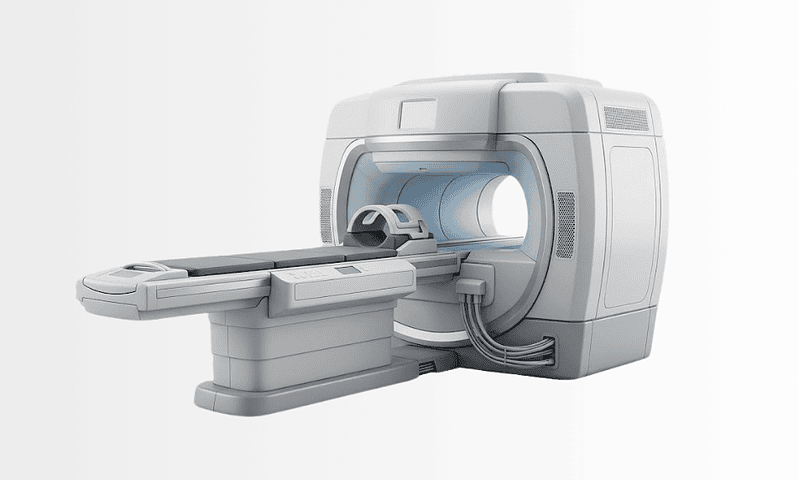
Imaging and functional studies are chosen according to need. Ultrasound is commonly used because it can assess abdominal organs, thyroid structures, blood flow, or pelvic organs without radiation exposure. Cardiac evaluation may include electrocardiography, echocardiographic assessment, blood pressure monitoring, or exercise-related testing in selected patients. Chest imaging may be recommended for respiratory symptoms or smoking history. Bone density measurement may be useful for those at risk of osteoporosis. Endoscopy or colon evaluation may be advised when digestive symptoms, age, or family history suggest the need.
Modern check-up programs often rely on digital imaging, laboratory automation, structured reporting, and coordinated specialist review. For the patient, these technologies matter because they improve accuracy, reduce delays, and allow different findings to be interpreted together rather than in isolation. Imaging helps detect structural changes that blood tests cannot show. Functional tests assess how organs are working. Laboratory analysis can reveal biochemical changes long before structural disease becomes obvious. Each has a role, and the most useful evaluations combine them appropriately.
A comprehensive check-up may be completed in a single day or over a short, organized period depending on the depth of the program and whether specialty consultations are needed. If an abnormality is found, the next step may involve further imaging, endoscopy, biopsy, referral to a specialist, or a treatment plan. In many cases, however, the immediate outcome is a clear prevention strategy that includes diet, exercise, medication review, weight management, follow-up intervals, or targeted monitoring.
The final stage is one of the most important: results review. This is where the physician explains what the findings mean, which results are normal, which are borderline, and which require action. Good preventive medicine depends not simply on collecting data, but on translating that data into sensible decisions. Patients should leave understanding both their current health status and what they should do next.
Why Acting Early Matters
The strongest reason to have a comprehensive check-up is that early detection changes what is possible. A mildly elevated blood sugar level can often be managed very differently from long-standing diabetes with complications. High blood pressure recognized early may be treated before it contributes to stroke, kidney damage, or heart disease. Colon polyps found during screening can often be removed before they become cancerous. Anemia discovered before it becomes severe may lead to a relatively straightforward explanation and treatment.
Delay can allow silent conditions to progress. Cardiovascular risk factors may accumulate gradually and only become visible after a major event. Liver fat may advance to inflammation or fibrosis. Kidney disease may worsen before symptoms appear. Some cancers are more difficult to treat once they spread or begin causing obvious signs. Even non-life-threatening conditions can affect quality of life significantly when they are not recognized early, including thyroid disease, sleep-related issues, digestive disorders, and nutritional deficiencies.
Acting early also tends to create more choices. When a problem is identified at an initial stage, treatment may be simpler, less invasive, and easier to integrate into daily life. Sometimes that means lifestyle measures and monitoring rather than medication. Sometimes it means arranging specialist care before an urgent problem develops. Either way, time is clinically valuable.
There is also a psychological benefit to timely assessment. Uncertainty can be stressful, especially for patients who sense that something may be wrong but have not had a thorough evaluation. A well-structured check-up can replace guesswork with evidence and give patients a realistic, individualized plan.
Key Benefits of a Comprehensive Check-Up
The value of a comprehensive check-up is best understood in terms of what it changes for the patient.
| Benefit | What It Means for You |
|---|---|
| Early detection of silent disease | Conditions such as high blood pressure, diabetes, thyroid disorders, liver abnormalities, or certain cancers may be identified before symptoms become obvious. |
| Personalized risk assessment | Your results are interpreted in the context of age, family history, lifestyle, and symptoms, helping physicians focus on what is most relevant to your health. |
| Clear baseline for future care | Normal and abnormal findings create a reference point that supports more accurate follow-up over time. |
| More timely treatment decisions | If a problem is found, you can move earlier toward monitoring, medication, specialist evaluation, or preventive intervention. |
| Better coordination across specialties | When multiple tests and consultations are reviewed together, it is easier to avoid fragmented care and understand the overall picture. |
Recovery and After the Check-Up: What to Expect
A comprehensive check-up is not a surgical treatment, so recovery is usually minimal. What patients experience afterward depends mainly on whether any additional tests or procedures were performed.
| Time Period | What Patients Can Expect |
|---|---|
| Day 1 | Most patients complete consultations, blood tests, and imaging with little disruption. Mild fatigue can occur, especially if fasting was required or the schedule was busy. |
| First Few Days | Results are reviewed, and patients receive recommendations. If findings are normal, the focus is usually on preventive guidance and future screening intervals. |
| First Week | If abnormalities are detected, further testing or referral may be arranged. Some patients begin medication changes, dietary adjustments, or monitoring plans during this period. |
| First Month | Follow-up appointments may clarify outstanding issues, confirm diagnoses, or review response to early interventions. Additional specialty evaluations may be completed. |
| Longer Term | The check-up becomes a roadmap for ongoing care, with repeat screening, risk-factor management, and preventive follow-up based on your individual profile. |
What Influences the Value and Accuracy of the Check-Up
The usefulness of a comprehensive check-up depends on several factors. One is appropriate test selection. More testing is not always better. The best check-up is one that matches the patient’s age, sex, symptoms, family history, and risk profile. This reduces unnecessary investigations while improving the chance of identifying meaningful problems.
Another factor is the quality of interpretation. A borderline laboratory value may be insignificant in one person and important in another. An imaging finding may require no action, surveillance, or urgent specialist review depending on context. This is why physician-led evaluation matters. Results should not be read as isolated numbers; they should be integrated into a coherent clinical assessment.
The completeness of the medical history is also important. Patients sometimes underestimate details that can change the direction of a check-up, such as family history of colon cancer, prior abnormal Pap tests, recurrent kidney stones, long-term medication use, unexplained weight change, or sleep symptoms. Sharing accurate records and concerns helps the team build a better plan.
Outcomes are also shaped by what happens after the check-up. Even the most thorough evaluation has limited value if the findings are not followed by appropriate action. Good results often depend on adherence to follow-up recommendations, lifestyle changes, medication when needed, and specialist review when indicated.
Finally, timing matters. Preventive assessment is most effective when it is proactive rather than delayed until symptoms are advanced. For patients with new concerns, persistent symptoms, or known risks, a timely check-up often leads to better-informed and more manageable care.
Why International Patients Choose Acibadem for a Comprehensive Check-Up
For international patients, the quality of a comprehensive check-up depends not only on the tests performed but also on how well the evaluation is organized, interpreted, and communicated. This is particularly important when patients are traveling from abroad and want a meaningful assessment within a defined period of time.
At Acibadem, comprehensive check-up programs are supported by structured diagnostic pathways and specialist collaboration. When findings involve more than one area of health, patients may benefit from coordinated review across internal medicine, general surgery, cardiology, endocrinology, gastroenterology, radiology, women’s health, urology, and other relevant specialties. This multidisciplinary approach is especially helpful when a preventive assessment uncovers a condition that requires more focused evaluation.
Acibadem’s JCI-accredited hospital environment is relevant for patients who value internationally recognized standards in clinical processes, safety, and care coordination. In a check-up setting, this supports consistency in testing, reporting, and next-step planning. Access to modern laboratory systems, advanced imaging, endoscopic evaluation when needed, and specialist consultation in the same healthcare network can make the diagnostic process more efficient and clinically coherent.
Experienced physicians also matter because preventive medicine is not only about detecting disease. It is about knowing what deserves attention, what can be monitored, and how to avoid both missed findings and over-investigation. In practice, this means personalized test selection, careful review of results, and recommendations that are specific to the individual rather than generic.
For patients coming from outside Turkey, dedicated international patient services can also make a practical difference. Support with appointment planning, medical record review, language assistance in more than 20 languages, and coordination of follow-up care helps patients navigate the process more comfortably. For someone arranging evaluation from another country, that level of organization can reduce uncertainty and allow more focus on the medical questions themselves.
The most important point is not convenience alone. It is that a comprehensive check-up should lead to decisions you can use, whether that means reassurance, a prevention strategy, or a prompt plan for further care. That is where coordinated expertise has real value.
Taking the Next Step
If you are considering a comprehensive check-up, you may not be looking for more information alone. You may be looking for clarity. A carefully designed preventive assessment can help identify hidden risks, investigate persistent but nonspecific symptoms, and establish a reliable baseline for future health decisions. For many patients, that clarity is the beginning of better care.
If you would like to understand which check-up approach may be appropriate for your age, health history, and concerns, you can request a consultation or a second opinion. A tailored review can help determine which evaluations are worthwhile, which screenings should be prioritized, and what kind of follow-up may be needed.
Note: This information is general in nature and is not a substitute for professional medical advice, diagnosis, or treatment.
Our Specialists Explain
 Comprehensive Health Check-Up at Acibadem | Preventive Screening
Preparation
- Preparation depends on the tests included, but patients are often asked to fast for several hours before blood work and imaging. Bring previous medical records, a list of medications, and information about personal and family health history. Comfortable clothing is recommended, and some tests may require avoiding caffeine, smoking, or strenuous exercise beforehand.
Aftercare
- Most patients can return to daily activities right after the check-up. Results are reviewed by the physician, who may recommend lifestyle changes, follow-up tests, or referral to a specialist if needed. Ongoing preventive care and routine screening schedules are tailored to the patient's age, sex, and risk profile.
Frequently Asked Questions
What is included in a comprehensive check-up at Acibadem Hospitals?
A comprehensive check-up is a personalized health evaluation designed to review your overall condition and detect possible problems early. It may include a detailed medical history, physical examination, blood and urine tests, heart assessment, imaging studies, and screenings based on your age, sex, symptoms, and risk factors. At Acibadem Hospitals, specialists tailor the program to your needs, so you receive relevant tests rather than a one-size-fits-all package.
Who should have a comprehensive check-up?
A comprehensive check-up can be helpful for adults who want a clear picture of their health, especially if they have a family history of disease, ongoing symptoms, a stressful lifestyle, or risk factors such as smoking, excess weight, or high blood pressure. It is also commonly chosen by people over 40 or those who have not had regular screening. Acibadem specialists can advise which evaluations are appropriate for your age and medical background.
How long does a comprehensive check-up take in Turkey?
The duration depends on the scope of your program and whether advanced imaging or specialist consultations are needed. Many comprehensive check-ups are completed within one day, while more detailed assessments may take longer or involve follow-up visits. International patients often appreciate coordinated scheduling to reduce waiting time. At Acibadem Hospitals, the care team plans your appointments efficiently and explains in advance how much time to allow for testing and results review.
Do I need to fast before a comprehensive check-up?
You may need to fast before certain blood tests, usually for several hours, especially if glucose or cholesterol levels are being checked. Some imaging or digestive system evaluations may also require preparation. However, not every test needs fasting, and instructions can vary depending on your personalized check-up plan. Before your visit, Acibadem Hospitals provides clear preparation guidance so you know what to eat, drink, bring, and whether to continue your regular medications.
Can a comprehensive check-up detect cancer or serious diseases early?
A comprehensive check-up can help identify warning signs, risk factors, or early abnormalities linked to conditions such as heart disease, metabolic disorders, digestive problems, and some cancers. It is not a single test for every disease, but a structured evaluation that may include recommended screenings and imaging when appropriate. Early detection often improves treatment options. Acibadem specialists assess your history and symptoms to decide which investigations are most useful for you.
What tests are usually done during a comprehensive check-up?
Common tests may include blood count, blood sugar, cholesterol, liver and kidney function tests, urine analysis, blood pressure measurement, ECG, chest imaging, abdominal ultrasound, and physician examinations. Depending on age, sex, and personal risk, additional screenings such as thyroid testing, breast screening, prostate evaluation, gastrointestinal assessment, or more advanced imaging may be recommended. Acibadem Hospitals designs each check-up individually, helping avoid unnecessary tests while making sure important areas are covered.
Will I get my check-up results on the same day?
Many routine test results are available quickly, often on the same day or shortly after your assessments are completed. Some specialized laboratory studies or detailed imaging reports may take longer. After your check-up, a physician reviews the findings with you, explains what they mean, and recommends any next steps if needed. At Acibadem Hospitals, international patients receive coordinated follow-up and a personalized summary to help them understand their results clearly.
Is a comprehensive check-up suitable if I have no symptoms?
Yes. Many people choose a comprehensive check-up even when they feel well because some health conditions develop silently without obvious symptoms. Regular screening can help identify issues such as high blood pressure, diabetes, cholesterol problems, liver changes, or early-stage disease before they become more serious. A check-up is also a good chance to review lifestyle habits and prevention strategies. Acibadem specialists can recommend the right screening plan for your current health status.
How should I prepare for a comprehensive check-up as an international patient?
Bring your passport, previous medical records, imaging reports, a list of medications, and information about allergies or past surgeries. Wear comfortable clothing and follow any fasting or medication instructions sent before your appointment. If you have a chronic condition, share details in advance so the team can plan your tests properly. Acibadem Hospitals supports international patients with organized scheduling and personalized guidance to make the check-up process smooth and efficient.
What happens if my comprehensive check-up finds a problem?
If an abnormal result is found, it does not always mean a serious illness is present. The next step may involve repeating a test, arranging more detailed imaging, or meeting a relevant specialist for further evaluation. The goal is to clarify the finding and create an appropriate care plan without delay. At Acibadem Hospitals, doctors explain results in understandable language and provide a personalized assessment and treatment recommendations based on your specific needs.
Medically reviewed by the Acıbadem International Medical Board July 19, 2026
See our medical review board →
Update history
- PublishedJuly 19, 2026
- Medical review approvedJuly 19, 2026
- Last content updateAugust 31, 2026
Planning tools for this treatment
Indicative figures for orientation only: your written plan and quote follow a free medical review.
Scan & check-up costsledger-based guide ranges, or browse the full Turkey Medical Price Index.
From the Acibadem Blog

How Often Should You Get Blood Tests? Honest Guidance by Age and Risk
For most healthy adults, a basic blood panel every one to three years is reasonable, with cholesterol checked every four to six years starting…
The Well Man Check: The Screening Every Man Postpones, Unpacked
A well man check is a preventive appointment that measures blood pressure, cholesterol, blood sugar, weight, and lifestyle risks before symptoms appear, typically every…