The Female Hormone Panel: What a Full Workup Includes, Test by Test
A complete female hormone panel usually measures FSH, LH, estradiol, progesterone, total testosterone, DHEA-S, prolactin, AMH, thyroid markers (TSH, often free T4), and sometimes…
Articles that explain laboratory results: what common blood and urine tests measure, what high or low values can mean and which questions to take to your doctor. A single number rarely tells the whole story; results are read together with your symptoms and history.
A complete female hormone panel usually measures FSH, LH, estradiol, progesterone, total testosterone, DHEA-S, prolactin, AMH, thyroid markers (TSH, often free T4), and sometimes…
A cortisol test measures the stress hormone cortisol in blood, saliva, or urine, and the collection time is critical because levels normally peak in…
An AMH (anti-Müllerian hormone) blood test estimates how many eggs remain in your ovaries: your ovarian reserve. It helps predict how the ovaries may…
A D-dimer test measures protein fragments left behind when the body dissolves blood clots. Because many conditions besides dangerous clots raise D-dimer, infection, pregnancy,…
Lymphoma does not show up reliably in a standard blood test. A complete blood count or markers such as lactate dehydrogenase can look abnormal…
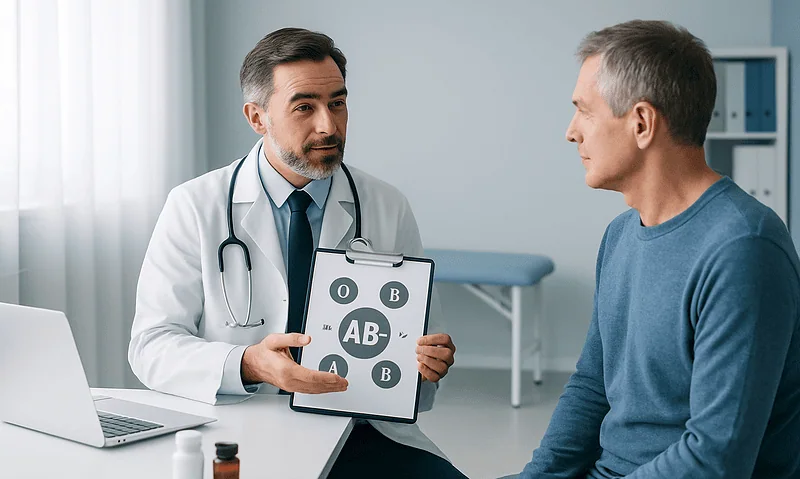
Among the eight main blood types, AB-negative is the rarest, found in about 0.6 percent of the U.S. population, roughly 1 in 167 people.…
A low platelet count (thrombocytopenia) means your blood has fewer than about 150,000 platelets per microliter, the cells that plug small leaks in blood…
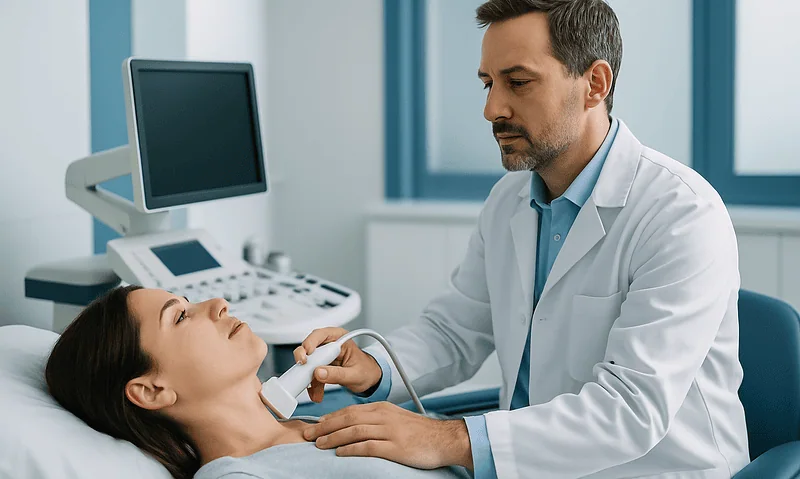
A thyroid biopsy, usually performed as fine-needle aspiration, uses a needle thinner than a standard blood-draw needle to sample cells from a thyroid nodule…
Most biopsy results are ready within a few days to about two weeks, depending on the tissue type and the tests required. Routine skin…
Ferritin is a blood protein that stores iron, and a ferritin test estimates the body's iron reserves. Many labs consider roughly 24–336 ng/mL normal…
To read a blood test, start with the reference range printed beside each result, which shows the values found in roughly 95 percent of…
Most blood tests that require fasting call for 8 to 12 hours without food or calorie-containing drinks; plain water is fine and usually encouraged.…
Positive thyroid antibodies, most often against thyroid peroxidase (TPO) or thyroglobulin, mean the immune system is reacting to thyroid tissue. That raises the likelihood…
Bruising after a blood test is common and almost always harmless. It happens when a small amount of blood leaks from the tiny puncture…
No, human blood is never blue. It ranges from bright cherry red when carrying oxygen to a dark brick red when oxygen-poor, but it…
RDW (red cell distribution width) is a routine part of a complete blood count that measures how much your red blood cells vary in…
A homocysteine test measures the level of homocysteine, an amino acid, in your blood. Levels above roughly 15 micromoles per liter most often point…
A1C levels reflect your average blood sugar over roughly the past three months, reported as a percentage. Below 5.7% is generally considered normal, 5.7–6.4%…
Choose which cookies you allow. Essential cookies are always on because the site cannot work without them.