

Executive Check-Up in Turkey: Treatment Guide
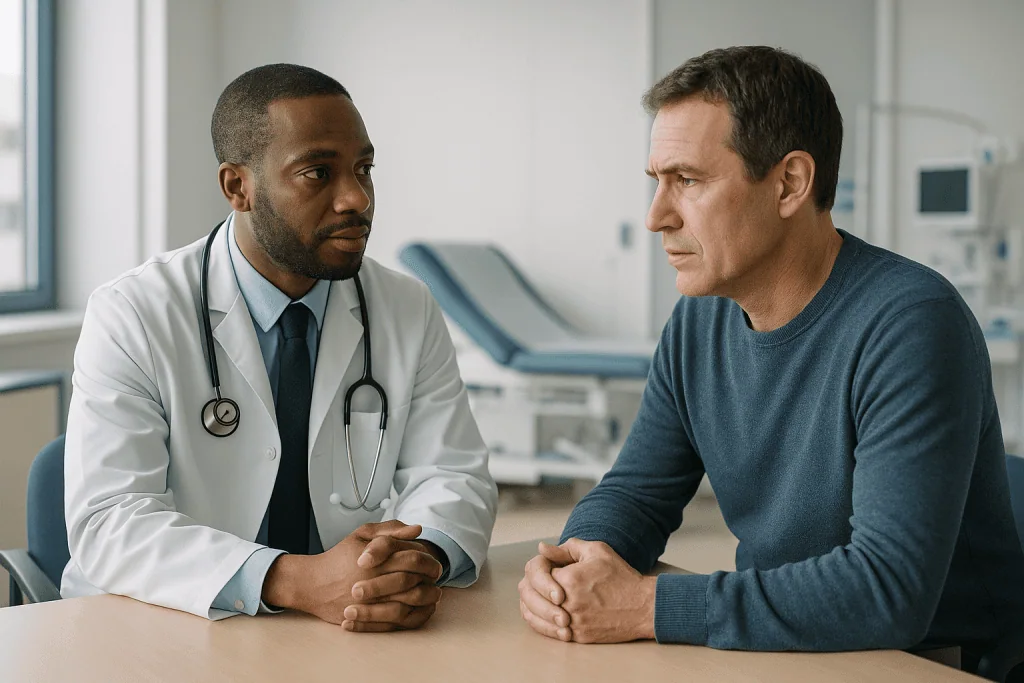
An executive check-up in Turkey is a physician-led preventive screening programme, usually completed as an outpatient visit within one or two hospital days. It combines consultation, laboratory tests, imaging and selected specialist assessments chosen for your age, sex and medical history. Most people resume normal activity the same day, and many results are reviewed before you fly home.
Can you fit a full preventive health screening into a trip to Turkey and still fly home on schedule? For most people, yes. An executive check-up in Turkey is normally an outpatient programme built around one or two hospital days, with results reviewed by a physician before you leave. This guide explains what the programme includes, who it suits, how to prepare, and what to expect from the day itself, including what screening can and cannot do.
It is written for international patients. That means it also covers the practical side: fasting, timing around a long flight, how quotes are structured, and what happens to results that arrive after you have gone home.
At a glance
- Procedure type: Preventive health screening and structured medical assessment
- Purpose: Baseline health review, risk-factor identification and early detection of possible conditions
- Anaesthesia: Not required for a standard check-up; sedation only for selected add-on procedures such as endoscopy
- Hospital stay: Outpatient; an overnight stay is not typically needed
- Recovery: Minimal for routine tests; a short observation period after sedation or invasive add-ons
- Return to daily life: Usually the same day, depending on the tests performed
- Result timeline: Many results the same day or within a few days; some specialised tests take longer
- Department: Check-Up and Preventive Medicine, with access to Internal Medicine, Cardiology, Radiology and other specialties
- International patient support: Interpreter assistance, appointment coordination, transfer planning, accommodation guidance and remote follow-up
What is an executive check-up?
An executive check-up is a comprehensive preventive assessment. It is not a treatment for one disease. It is a structured review of your current health: a physician consultation, laboratory tests, imaging and selected specialist examinations, planned as a single coordinated programme rather than a series of separate appointments.
The word “executive” reflects who the format was designed for, people with demanding schedules, frequent travel and limited time for routine medical visits, but there is nothing exclusive about the medicine. The clinical content of an executive check-up in Turkey is decided by your age, sex, medical history, family history, current symptoms and previous results, not by your job title.
At Acibadem, check-up planning runs through the Check-up and Preventive Medicine unit, which coordinates the tests, the specialists and the final physician review. The aim is deliberately narrow: the right tests for your risk profile, and no unnecessary ones.
When is it recommended?
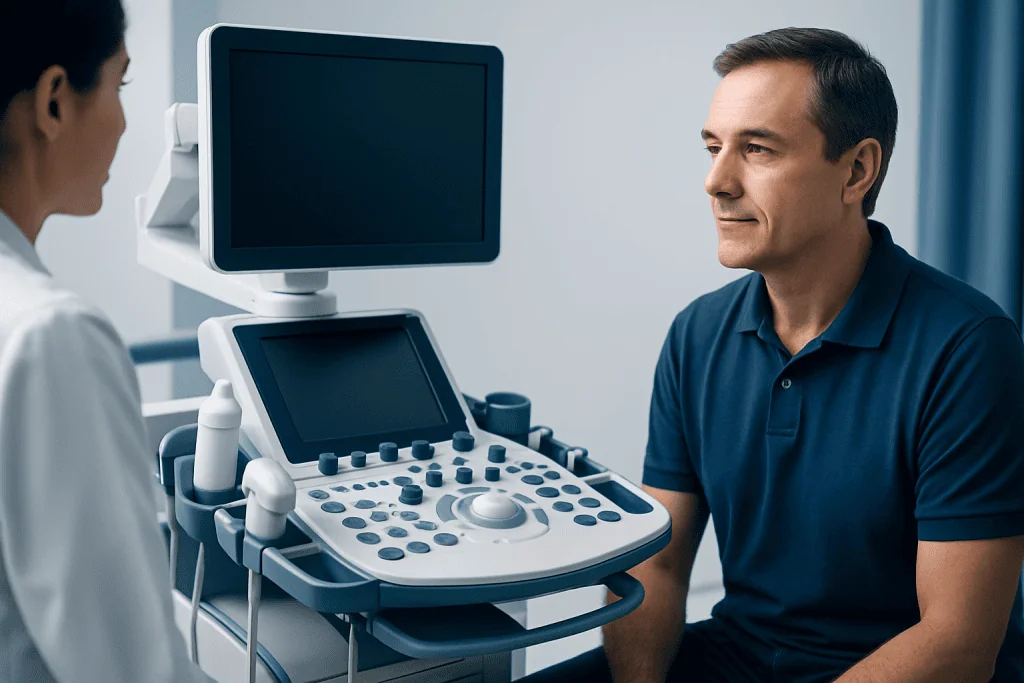
A check-up makes sense when you want a baseline picture of your health, when you have not had routine screening for years, or when you want to monitor known risk factors, blood pressure, cholesterol, blood sugar, weight, or a family history of heart disease or cancer. Some people book one before a major lifestyle change, a new training programme or a demanding period at work.
Cardiovascular disease is the leading cause of death in Turkey, as it is across most of Europe, which is one reason cardiac risk assessment sits at the centre of nearly every check-up programme. Cancer screening appropriate to your age and sex is the other main pillar.
One boundary is worth stating plainly. A check-up is planned, preventive medicine. It is not designed for urgent or acute problems, which follow a different clinical pathway. Acute symptoms need diagnostic care, not a screening appointment.
Who is a good candidate?
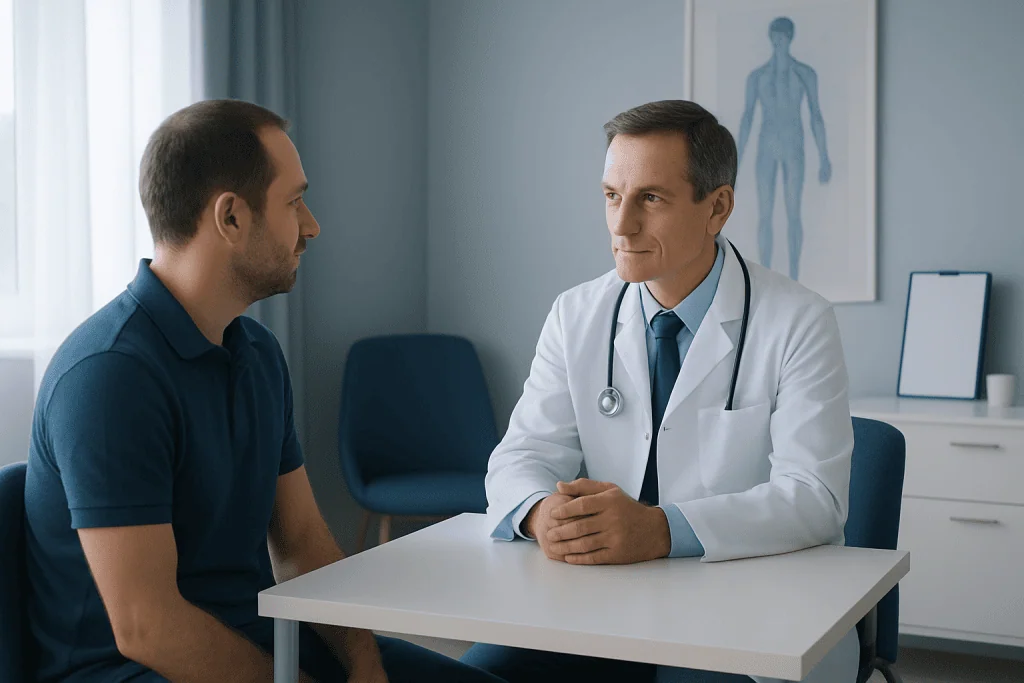
Most adults who want a preventive review are candidates, particularly those with a sedentary job, high stress, a smoking history, alcohol use, weight concerns or a family history of chronic disease. Vague symptoms, persistent fatigue, poor sleep, reduced exercise tolerance, can also prompt a check-up, though symptoms always need a physician-led diagnostic approach rather than screening alone.
People with known chronic conditions can benefit too, when the check-up is used to monitor overall health. Someone with diabetes may need kidney, eye and vascular assessment; someone with hypertension may need a focused cardiovascular review.
Suitability is individual. Some tests are not appropriate during pregnancy, after recent surgery, with kidney disease, with contrast allergy or with certain medications. The reviewing physician decides which tests are safe and useful in your case: that judgement is part of what you are paying for.
What a programme typically includes
A standard programme usually includes a physician consultation, blood and urine tests, blood sugar and cholesterol assessment, liver and kidney function tests, thyroid screening, an electrocardiogram, chest imaging where appropriate, abdominal ultrasound and an overall risk evaluation. The exact contents follow your medical profile, and Acibadem’s comprehensive check-up page describes the broader clinical programme in more detail.
Age- and sex-specific additions may include breast screening, cervical screening, prostate assessment, bone density measurement or hormonal evaluation when medically indicated. Cardiovascular-focused programmes may add exercise testing, echocardiography or advanced cardiac imaging if the physician considers it appropriate.
Gastrointestinal assessment, stool testing, abdominal imaging or endoscopydepends on age, symptoms, family history and previous screening. Endoscopy is not part of every check-up. It requires separate preparation, informed consent and sometimes sedation, and it changes the shape of your day.
Other options include nutrition consultation, pulmonary function testing, dermatology review and ophthalmology examination. The guiding principle is selection, not accumulation: more tests do not automatically mean better medicine.
Where can you get a health check-up in Turkey?
Hospital-based check-up programmes are widely available in Turkey’s larger cities, with the greatest concentration in Istanbul. Acibadem runs dedicated check-up units within its hospitals, which matters more than it might sound: if a screening result needs specialist interpretation, cardiology, radiology, gastroenterology and other departments are in the same system, so a referral can happen within your existing schedule rather than restarting the process elsewhere.
Standalone laboratories and imaging centres also exist. The trade-off is coordination. A hospital-based executive check-up in Turkey is planned, performed and interpreted as one programme, with a physician responsible for the overall picture rather than a folder of unconnected reports.
Planning before you travel
Planning starts before arrival. A preliminary review of your basic information, age, sex, height, weight, current symptoms, conditions, medications, allergies, previous surgeries and recent results, lets the medical team recommend a suitable pathway and flag any extra tests or specialist appointments in advance. This review is not a diagnosis; it is scheduling done properly.
Early planning matters for international patients because some tests require fasting, medication guidance from your treating doctor, or timing around the menstrual cycle. It also matters for the flight: jet lag, dehydration and travel fatigue can affect how you feel on the day, so build in time to rest before fasting tests. Our arrival day checklist covers the journey from airport to hospital in practical detail.
How to prepare for the day
You will usually be asked to fast from the night before, depending on the planned laboratory work. Water is normally allowed unless you are told otherwise. Whether to take your usual morning medications, particularly diabetes medication, blood thinners, blood pressure or thyroid medication, is a decision for the treating doctor, so raise it when your instructions are confirmed rather than deciding on your own. There is a fuller preparation guide at how to prepare for blood tests, scans and pre-op checks.
Bring previous test results, imaging reports, discharge summaries, vaccination records and a complete list of medications and supplements. Mention allergies, previous contrast reactions, kidney disease, any possibility of pregnancy, implanted devices and claustrophobia before imaging is scheduled, each of these can change which tests are safe.
Avoid heavy meals, alcohol and intense exercise in the day or two before the check-up, as these can distort some results. For women, the timing of urine tests, cervical screening and certain gynaecological evaluations may need adjusting around menstruation.
What happens during the check-up
On arrival you are met by the international patient services team and guided through registration, with interpreter support if needed. The day usually opens with a physician consultation covering your history, family history, lifestyle and expectations: this conversation shapes the rest of the programme.
Tests then follow a planned sequence: blood and urine sampling, vital signs, electrocardiogram, imaging and specialist examinations according to your programme. The sequence is designed for efficiency, but expect some waiting; certain tests need preparation time, reporting time or physician availability, and an honest schedule includes those gaps.
Once the tests are complete, a physician reviews the available results with you in plain language. If something looks abnormal, you may be referred for an additional consultation or a confirmatory test. Not every abnormality signals serious disease, many findings are minor, temporary or simply need rechecking.
Results, discharge and follow-up
Most check-ups finish the same day, and you return to your hotel afterwards. If your programme included sedation, for endoscopy, for example, you rest under supervision until fully alert, and you should not drive, drink alcohol or make important decisions for the remainder of that day. A companion may be advisable depending on the procedure.
Before you leave, make sure you know three things: which results are final, which are pending, and whether any follow-up appointment is recommended. The care team gives you written aftercare instructions relevant to anything invasive that was performed. Pending reports can be shared after you return home, and remote communication is available to help you understand next steps. Translation support for reports is available where the service allows, ask in advance about the format and timing of your final documents.
Recovery timeline
Recovery from a standard check-up is quick because most tests are non-invasive. Mild tenderness at the blood-draw site or tiredness after fasting is common, and most people resume normal activity the same day. Invasive add-ons follow their own instructions from the care team.
| Timeframe | What to expect |
|---|---|
| First 24 hours | Eat and drink normally after routine blood tests unless told otherwise. Mild bruising or fasting fatigue can occur. If sedation was used, rest and avoid driving and alcohol for the day. |
| First week | Most routine results are reviewed or arriving. You may receive lifestyle recommendations, a medication review through your treating doctor, or a suggestion for further specialist assessment. |
| Weeks 2–4 | Specialised results, second opinions and follow-up plans are completed. Findings that need confirmation may lead to repeat or targeted testing. |
| Months 1–3 | The period for acting on recommendations: lifestyle changes, treatment through your local physician where advised, and any scheduled re-testing. |
| Long term | A check-up is a snapshot of one point in time. Its value depends on acting on the advice and repeating screening at the intervals your physician recommends. |
What to avoid afterwards
After a standard check-up there are few restrictions. If your day consisted of blood tests, imaging and consultations, you can generally return to normal life immediately.
If sedation was used, avoid driving, operating machinery, signing important documents, alcohol and unaccompanied travel for the period your care team advises. If contrast material was used, you may be advised to drink extra fluids unless a medical condition requires fluid restriction.
Above all, avoid interpreting results on your own. Laboratory values shift with fasting, stress, recent illness, medication and exercise. A number outside a reference range means something different in a 30-year-old marathon runner than in a 60-year-old with diabetes, and only a physician who knows your context can tell you which is which.
Risks and limits of screening
A check-up built on consultation, blood and urine tests, ultrasound and non-invasive examinations is generally low risk. Minor issues include bruising or lightheadedness after blood sampling and some anxiety while waiting for results.
Some tests carry additional considerations. Imaging that uses radiation is recommended only when the expected benefit justifies it. Contrast imaging carries a small risk of allergic reaction and needs caution in patients with kidney concerns, which is why your history is reviewed first.
The honest limits matter more than the risks. Screening can produce incidental findings that are harmless but require further evaluation. It can produce false positives, suggesting a problem that is not there, and false negatives, missing an early condition. No screening programme detects every disease, and a normal result does not remove the need for medical review if symptoms develop later. Physician interpretation and a follow-up plan are what turn raw results into useful medicine.
How the cost of a check-up works
Quotes for an executive check-up in Turkey are structured around scope. The main variables are your age and sex (which determine the screening components), the number of specialist consultations, the laboratory panel, the imaging studies included, and any add-on procedures such as endoscopy or advanced cardiac assessment. Tests recommended after the physician’s initial review may be billed separately from the original package.
A written quote should state what is included, consultations, listed tests, nursing support, coordination and result review, and what is not. Common exclusions are extra specialist visits, additional imaging, sedated procedures, biopsy and pathology, medications, treatment of newly discovered conditions, accommodation, flights and personal expenses. Ask for that breakdown in writing before confirming travel, and budget for the trip as a whole, not just the medical quote: our medical travel budget checklist covers the costs that sit outside it.
Is Turkey the best country for a full body check-up?
There is no single “best country” for screening, and any page that names one is selling something. The medicine, validated laboratory tests, standard imaging, evidence-based screening intervals, is broadly the same in any well-run hospital worldwide. What differs is access and coordination: how quickly appointments can be arranged, whether the tests happen in one place on one schedule, and how the visit fits your travel.
Turkey’s practical case rests on those factors. Large hospital groups run dedicated check-up units, programmes are organised for completion within a short stay, international patient services handle language and logistics, and Istanbul is a direct flight from much of Europe, the Middle East and Central Asia. Whether that combination suits you better than screening at home depends on your own healthcare system, waiting times and travel plans: a comparison worth making honestly before you book.
Why choose Acibadem
Acibadem operates check-up programmes inside a multi-specialty hospital system. For screening, that structure is the practical advantage: if a result needs cardiology, gastroenterology, radiology or another specialty, the referral happens within the same institution, often within your existing visit.
The international patient pathway is organised end to end, preliminary planning, interpreter support during consultations, hospital navigation on the day, and remote follow-up after you return home. Recommendations come from physician evaluation of your individual profile, and the stated aim is the right tests rather than the most tests.
Medical review and disclaimer
This guide has been reviewed by the Acibadem International medical team and is provided for general information only. It does not replace consultation with a qualified physician, and medical decisions should be based on your personal history, examination findings, test results and physician judgement.
Suitability for any check-up programme, test, imaging study or procedure requires physician evaluation. Results, recommendations and follow-up needs vary from person to person, and no screening programme can detect or prevent every medical condition.
Step by step
- Initial enquiry. You share your preferred dates, language needs, main health concerns and whether you want a general or focused executive check-up.
- Medical record submission. Relevant records, previous results, medication lists and allergy information are shared for review. Photos are rarely needed unless a specific concern such as a skin lesion is involved.
- Preliminary medical review. The medical team reviews your information and recommends a check-up pathway. This shapes the plan; it is not a diagnosis.
- Programme plan and quotation. You receive a proposed plan listing the main tests and consultations, with inclusions and possible separately billed items set out before confirmation.
- Travel planning. Appointment timing, arrival date, fasting instructions, transfers and accommodation guidance are arranged where requested.
- Arrival. You are guided to the hospital according to the agreed schedule, with interpreter support arranged where needed.
- In-person consultation. A physician reviews your history, symptoms, lifestyle and previous results, and may adjust the plan if a safety concern or a better test pathway emerges.
- Baseline tests. Blood tests, urine tests, vital signs and screening assessments are performed. Invasive add-ons involve additional safety checks and consent.
- Examinations and imaging. Imaging, cardiology assessments and specialist consultations follow according to your programme.
- Observation if needed. Most check-ups are outpatient. Short supervised rest follows sedation or additional procedures.
- Result review. Your physician explains the available findings and recommends next steps. Some specialised results follow later.
- Discharge and travel. You leave with written instructions covering pending results and any recommended follow-up. Standard check-ups do not usually delay travel.
- Remote follow-up. Completed reports are shared after you return home, with remote communication available for questions about recommended next steps.
Your checklist
- Valid passport and travel documents
- Full medical history, including chronic diseases and current symptoms
- List of all medications, vitamins and supplements
- Allergy information, including medication, food, latex or contrast allergies
- History of previous surgeries, hospitalisations and major illnesses
- Recent blood tests, imaging reports, ECGs or specialist letters
- Family history of heart disease, cancer, diabetes or inherited conditions
- Vaccination records if relevant
- Honest notes on smoking, alcohol, exercise, sleep and diet
- For women: pregnancy possibility, cycle details and previous gynaecological screening results
- Any implanted devices, pacemakers, stents or metal implants
- The questions and health priorities you want to raise with the physician
Key takeaways
- An executive check-up is a physician-led preventive review, tailored to your age, sex, history and risk factors, not a fixed menu of tests.
- Most programmes are completed as an outpatient visit, often within one day, though add-ons such as endoscopy extend the schedule.
- Fasting is usually required before blood tests; medication decisions on the day belong to the treating doctor.
- Results are interpreted in your personal context by a physician, not read off reference ranges.
- Screening supports early detection but has honest limits: false positives, false negatives and incidental findings all occur.
- Quotes are structured by scope; ask for written inclusions and exclusions before confirming travel.
Frequently asked questions
How much is a full check-up in Turkey?
There is no single figure, because the price is built from the scope of the programme: your age and sex, the laboratory panel, the imaging studies, the number of specialist consultations and any add-on procedures such as endoscopy. Tests recommended after the physician’s review may be billed separately. Request a written quote listing inclusions and exclusions before you confirm travel.
What is the best country for a full body check-up?
No country holds that title. Validated screening medicine is broadly the same in any well-run hospital. What varies is access, coordination and cost structure. Turkey’s practical strengths are dedicated hospital check-up units, programmes designed for short stays, organised international patient services and direct flights from many regions, weigh those against waiting times and access in your own healthcare system.
Where can I get a health check-up in Turkey?
Hospital-based check-up units operate in Turkey’s larger cities, with the widest choice in Istanbul. Acibadem runs dedicated Check-up and Preventive Medicine units within its hospitals, so tests, imaging and specialist referrals happen inside one coordinated system rather than across separate providers.
What is the biggest cause of death in Turkey?
Cardiovascular disease is the leading cause of death in Turkey, as in most of Europe, followed by cancers. This is reflected in check-up design: cardiac risk assessment and age-appropriate cancer screening form the core of most executive programmes.
Do I need to fast before the check-up?
Usually yes, from the night before, because glucose and lipid measurements are affected by food. Water is normally allowed unless you are told otherwise. Whether to take your usual morning medications is a decision for the treating doctor, so raise it when your instructions are confirmed.
Can I combine the check-up with tourism or business travel?
In most cases, yes, standard check-ups involve minimal recovery. Schedule the medical visit early in your trip so that any additional tests can be arranged without pressure, and allow a rest day after a long flight before fasting tests. If sedation or an invasive add-on is planned, build in a quiet day afterwards.
How long should I stay in Turkey for an executive check-up?
Many standard programmes finish within one or two hospital days, so a short stay is often enough. It is wise to allow buffer time in case the physician recommends additional tests or a specialist consultation after the first review. The right length depends on your programme and what the initial results show.
Will the check-up detect every possible disease?
No. Screening provides a snapshot and helps identify important risks, but false-positive and false-negative results occur, and some conditions have no reliable screening test. A normal check-up does not replace medical review if symptoms develop later, and an abnormal result does not automatically mean serious disease: it may simply need repeat testing or specialist interpretation.
Add us as a Preferred Source to see more of our trusted health content across Google Search, AI Overviews and Discover.

Update history
- PublishedJune 9, 2026
- Medical review approvedSeptember 13, 2026
- Last content updateSeptember 12, 2026
References3
- Health Screening: MedlinePlus medlineplus.gov
- NHS Health Check: NHS nhs.uk
- Cardiovascular diseases (CVDs): World Health Organization who.int
More Patient Guides

HoLEP in Turkey: How It Compares With TURP and What Recovery Involves
HoLEP in Turkey treats enlarged prostate tissue with laser enucleation; learn how it compares with TURP, recovery, travel and follow-up.
Porcelain Veneers in Turkey: Who Is Suitable and How Many Visits Are Needed?
Porcelain veneers in Turkey can enhance tooth shape and colour in two visits for suitable patients after a personalised dental assessment.

How to Prepare for a Sedation Procedure in Turkey
Prepare safely for a sedation procedure in Turkey with guidance on fasting, medicines, travel, recovery and follow-up.
Treatment Delays in Turkey: What Happens If Tests or Recovery Change Your Schedule
Treatment delays in Turkey can happen if tests or recovery change your plan. Learn how to manage appointments, travel, accommodation and follow-up.