

At Acibadem, How to Prepare for Blood Tests, Scans, and Pre-Op Checks

Read the instructions attached to each appointment, because fasting and fluid rules vary by test. Bring your passport, appointment confirmation, a complete medication list, and any previous reports or scan images. Do not change any medicine on your own, tell the team what you take and let the treating doctor decide. Wear simple clothing, arrive early, and keep the day flexible in case extra checks are added.
Can you have breakfast before your blood test? What happens if your old scans are on a disc at home? Do you need to fast before a pre-op assessment, or only before the operation itself? These are the questions patients ask most often the night before an appointment. If you are coming to Acibadem for laboratory tests, imaging, or pre-operative checks, knowing how to prepare for blood tests, scans, and pre-op checks in advance makes the day noticeably smoother, and reduces the chance that a test has to be rebooked.
This guide explains what these checks are for, what to bring, which preparation rules genuinely vary from test to test, and what a typical testing day looks like for an international patient. It is general information, not personal medical advice: the instructions attached to your own appointment always take priority over anything written here.
At a glance
- Best for: International patients preparing for blood tests, imaging, or pre-operative assessment
- What to bring: Passport, appointment confirmation, medication and allergy list, previous reports and scan images, insurance details if relevant
- Preparation varies: Some tests require fasting or fluid limits, others none, always follow the instructions for your specific appointment
- Medications: Never stop or change a prescribed medicine yourself; the treating doctor decides what to do before each test or procedure
- Language support: Interpreter and international patient coordination are typically available
- Main goal: To give your care team accurate, current information before any treatment goes ahead
Why blood tests, scans, and pre-op checks matter before treatment
Before any planned procedure, your care team needs a clear, current picture of your health. Blood tests can confirm details such as blood counts, clotting, kidney and liver function, blood sugar, and signs of infection. Imaging shows anatomy the surgeon needs to see. A pre-operative assessment brings this together and adds the questions that matter for anaesthesia: your medical history, previous operations, allergies, medications, and how you have responded to anaesthetic drugs in the past.
Even if you feel completely well, these checks still earn their place. They can surface practical issues that are far easier to handle before surgery than during it: a medication that needs timing adjustments, mild dehydration on a fasting day, or an imaging finding that a specialist wants to clarify first. Understanding how to prepare for blood tests, scans, and pre-op checks is therefore less about passing an exam and more about making sure nothing important is missing from your file.
What a pre-op work-up includes depends on your age, health, and the procedure planned. Commonly it involves a panel of blood tests, an ECG, sometimes a chest X-ray or other imaging, a urine test, and a consultation with an anaesthetist or another specialist. If you want a fuller picture of what may be requested, our separate guide to pre-op tests in Turkey for international patients goes through the typical components in more detail.
At Acibadem, these steps are usually coordinated for you. International patient services can help with scheduling, documentation, and same-day logistics across hospital departments, which matters when your laboratory, radiology, and consultation appointments all fall on the same day.
How to prepare in the days before your appointment
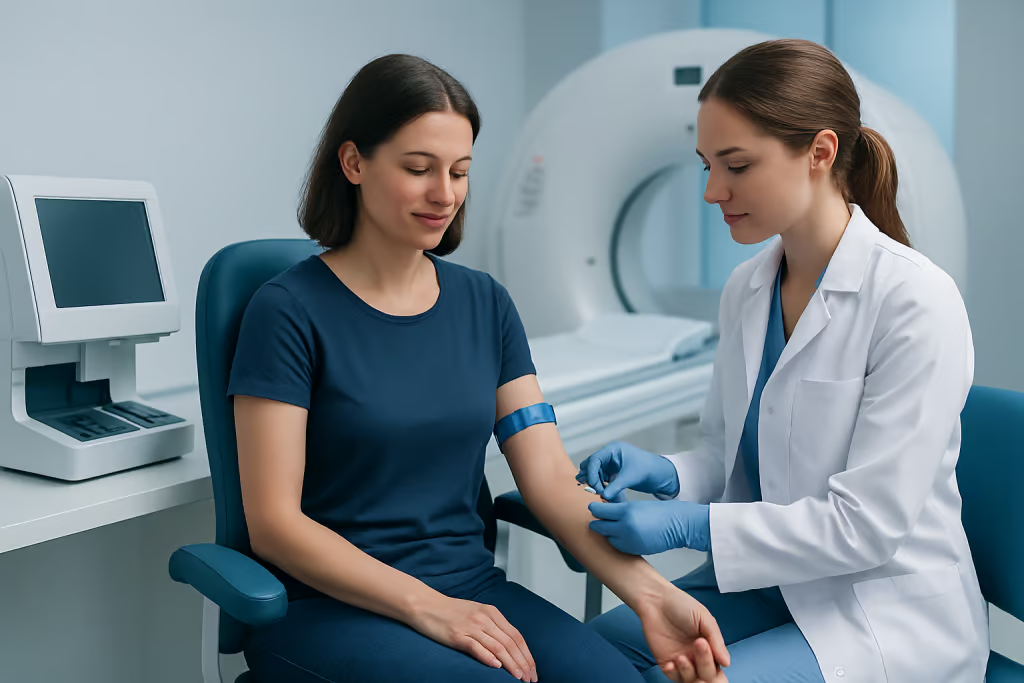
The single most useful step is unglamorous: read your appointment instructions carefully, and read them again the evening before. Some blood tests require fasting; many do not. Some scans need you to drink extra water or arrive with a full or empty bladder; others need nothing at all. A pre-op day may involve several stops, laboratory, ECG, radiology, anaesthesia consultation, each with its own timing. Guessing based on a previous test, or on general internet advice, is the most common reason a sample has to be redrawn.
Build a single folder. On paper or on your phone, keep together: your passport, appointment confirmation, a written list of diagnoses, allergies, and every medicine and supplement you take, plus your recent medical reports. If you have had imaging elsewhere, bring both the written report and the image files (a disc or a download link). Original images let radiologists compare old and new studies directly. Without them, some tests may need to be repeated: our guide on why blood tests and scans are sometimes repeated before treatment in Turkey explains when that happens and why.
Prepare a proper medication list. Include prescription medicines, over-the-counter tablets, vitamins, herbal products, injections, inhalers, patches, and creams, with doses and when you last took each one. Blood thinners and diabetes medicines are particularly important for the team to know about, because they can affect how tests and procedures are timed. There is a step-by-step template in our guide to preparing a medication list for treatment in Turkey.
Dress and pack for the format of the day. Wear clothing that is easy to remove, with sleeves that roll up past the elbow for blood draws. Leave heavy jewellery and metal accessories at home if a scan is planned. Pack water, a small snack for after any fasting period ends, a phone charger, reading glasses or hearing aids if you use them, and your regular medicines in their original packaging. Practical detail on clothing, fasting, and timing is covered in our broader guide on how to prepare for medical tests in Turkey.
Fasting, medications, and what to tell your care team
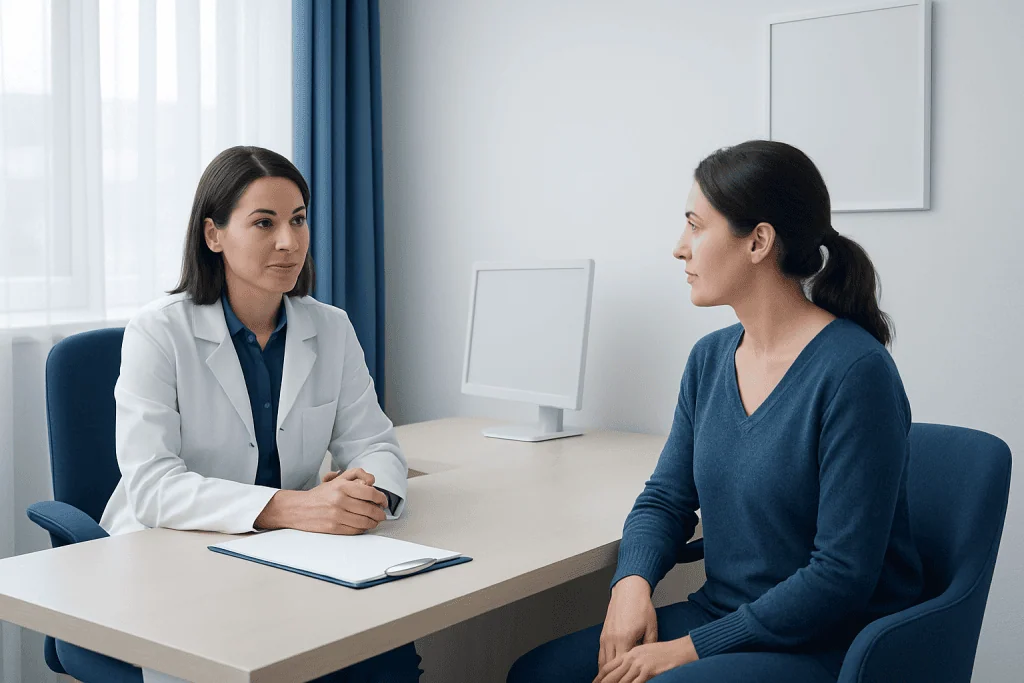
Fasting: it depends on the test, not on a general rule
Some blood tests, commonly those measuring blood sugar or blood fats, require fasting for a set number of hours, and your instructions will state the exact window. Many other blood tests need no fasting at all. Scans vary too: some require nothing, some require an empty stomach, and some contrast studies come with their own food and fluid rules. Anaesthesia carries the strictest requirements: before a procedure under sedation or general anaesthetic, you will be told precisely when to stop eating and when to stop drinking, and those two cut-off times are often different.
Because the rules differ, follow the guidance for your specific test rather than a rule remembered from a previous appointment. If several tests fall on the same day, ask before eating or drinking anything between them, one department’s “you can eat now” may not apply to the next test on your list. If fasting is required, water is often still allowed unless your instructions say otherwise, but confirm rather than assume. For planning food around a testing day, see our guide on how to plan meals around tests, scans, and procedures in Turkey.
The night before: what genuinely helps
If you have a fasting blood test in the morning, the evening before is when preparation actually happens. Finish eating before your fasting window begins, avoid alcohol, and avoid an unusually heavy or fatty late meal, which can affect some results even outside the formal fasting period. Strenuous, unaccustomed exercise the night before can also influence certain blood values, so keep the evening ordinary. Go to bed at a reasonable hour: a rested patient with normal hydration gives a more representative sample and an easier blood draw.
Small comforts are usually fine. Brushing your teeth before a fasting blood test is generally acceptable, since it does not meaningfully affect standard laboratory results. Before anaesthesia the fluid rules are stricter, so follow the exact instructions you were given about what may pass your lips and when.
Medications: inform, don’t improvise
Tell your care team about everything you take, including supplements and herbal products, which patients often leave off because they do not think of them as medicines. Do not stop, skip, or change any prescribed medicine on your own before a test or a pre-op check. Whether a particular medicine should be taken as usual, moved, or paused is a decision for the treating doctor, and it depends on the medicine, the test, and the procedure planned. Your job is simpler: make sure the team knows what you take and when you last took it.
What else to mention
Some details change how a test is planned, so raise them early rather than on the table: possible pregnancy or breastfeeding, implanted devices such as pacemakers or metal implants, previous reactions to contrast dye or anaesthesia, kidney problems, claustrophobia, recent illness or fever, and any past difficulty with blood draws. None of these is unusual, and none is a problem to mention: they are exactly the information the team is asking for. If English is not your first language, interpreters can help make sure nothing is lost.
What to expect on the day: blood tests, scans, and pre-op clearance
On arrival you will check in, confirm your identity, and review your appointment details. For international patients this may include passport verification, insurance or payment paperwork, and coordination through the international patient desk. Arriving early gives you time for this without rushing, and if a fasting blood draw is on your list, an early slot means you finish fasting sooner.
The blood test is usually the quickest station of the day: a short wait, identity confirmation, the draw itself, and a moment of pressure on the puncture site. Imaging takes longer, and how long depends on the modality: an X-ray is brief, while MRI studies take considerably more time and involve changing clothes, removing metal, and sometimes contrast injection. Staff will explain each step; our dedicated guide to MRI and CT scans in Turkey walks through what happens inside the scanner room.
The pre-op assessment is mostly conversation and simple measurements. You will answer questions about your health history, previous operations, medications, allergies, and fasting status, and you may have an ECG and other baseline checks. The questions are not there to catch you out. Incomplete answers help no one; complete answers let the anaesthesia team plan around your actual body rather than an idealised one.
- Carry your ID and appointment confirmation to each department if requested
- Keep your phone accessible in case your coordinator updates the day’s timing
- Ask before eating, drinking, or taking anything if multiple tests share the day
- Tell staff promptly if you feel faint, anxious, or unwell during any test
Practical tips for international patients in Istanbul or elsewhere in Turkey
Build flexibility into your schedule. Even a well-planned testing day can grow: a specialist may want one additional check, or a result may need same-day repetition. Avoid booking tight sightseeing plans or immediate onward travel around a testing day, and especially around the days before surgery. A loose schedule costs you nothing; a tight one can cost you a rebooked procedure.
Know which hospital campus you are visiting: Acibadem operates multiple hospitals, and departments are not always in the same building. Save the hospital address and your coordinator’s contact details in your phone, ideally in both English and Turkish so a taxi driver can read them. If a companion is travelling with you, make sure they know your itinerary and your fasting rules, so a well-meant breakfast does not undo a fasting window.
Keep your essentials on your person rather than in checked or stored luggage: passport, charger, glasses, hearing aids, regular medicines, and a written emergency contact. If you have an implanted device, carry its documentation with you throughout the trip.
After the checks: results, next steps, and avoiding delays
Results arrive at different speeds. Some laboratory values are available quickly; others take longer or need specialist interpretation. Imaging almost always needs a formal radiologist’s report before decisions are made from it. Pre-op clearance is a jigsaw: it is only complete when every requested piece is in place, which is why one pending result can hold up an otherwise finished assessment.
If something unexpected appears, resist the urge to assume the worst. A repeated sample, a second opinion, or a short delay usually means the team wants certainty before proceeding: a planning step, not a verdict. Abnormal-looking values are sometimes explained by fasting status, hydration, recent illness, or timing of medication, which is exactly why those details are asked about beforehand.
Before you leave, make sure your next instruction is unambiguous. Confirm when you may eat and drink, what to do about your usual medicines (as directed by the treating doctor, not by memory), what time to return, and how results will reach you. If you will complete some follow-up testing at home, agree on which tests, on what schedule, and how the reports should be shared.
Step by step
- Read your appointment instructions, twice. Check whether you need to fast, limit fluids, drink extra water, or arrive early. If anything is unclear, ask before the day rather than guessing on the morning.
- Assemble your documents. Passport or ID, appointment confirmation, insurance details if relevant, recent reports, previous scan images with their written reports, and a written list of diagnoses and allergies.
- Finalise your medication list. Every prescription medicine, supplement, herbal product, injection, and inhaler, with doses and last-taken times. Do not change anything yourself; bring the list and let the treating doctor decide.
- Flag special circumstances early. Possible pregnancy, breastfeeding, implanted devices, contrast or anaesthesia reactions, kidney problems, claustrophobia, and recent illness all affect planning and are best mentioned in advance.
- Plan travel and timing generously. Allow time for registration and movement between departments, and leave room in your wider schedule for possible same-day additions.
- Dress simply, pack for comfort. Easy-to-remove clothing, minimal metal, water and a snack for after fasting ends, charger, glasses, and regular essentials.
- Follow the day’s rules literally. Ask before eating, drinking, or taking anything between tests, and tell staff if you feel dizzy, anxious, or unsure.
- Leave with clear next steps. Confirm when results will be reviewed, whether your procedure plan stands, and how you will be updated.
Your checklist
- Passport or official ID
- Appointment confirmation and hospital campus details
- Complete list of medications, supplements, and allergies
- Previous medical reports and imaging files with written reports
- Insurance or payment documents if relevant
- Comfortable clothing, sleeves that roll up, minimal metal
- Water and a light snack for after any fasting period ends
- Phone charger and a written emergency contact
Key takeaways
- Knowing how to prepare for blood tests, scans, and pre-op checks mostly means reading your own instructions carefully: the rules genuinely differ between tests.
- Fasting is required for some blood tests and for anaesthesia, but not for everything; follow the guidance attached to your appointment, not a remembered rule.
- Never change a medicine on your own before a test or procedure. Bring a complete list and let the treating doctor decide.
- Prior reports and original scan images reduce repeat testing; bring both whenever you can.
- International patients should keep the testing day, and the days around it, flexible, extra checks are sometimes added at short notice.
Frequently asked questions
What should I not do the night before a blood test?
If your test requires fasting, do not eat after your fasting window begins. Avoid alcohol, unusually heavy or fatty late meals, and strenuous unaccustomed exercise the evening before, as these can influence some results. Keep the evening ordinary and follow the exact instructions given for your specific test.
Do you have to fast before a pre-op blood test?
It depends on which tests are included. Some values, such as blood sugar or blood fats, are measured fasting; many others are not. Your appointment instructions will say whether fasting applies and for how long. If nothing was said and you are unsure, confirm before the day rather than guessing.
Can I brush my teeth before a blood test?
Generally yes. Brushing your teeth does not meaningfully affect standard laboratory blood results, even before a fasting test. Before a procedure under anaesthesia, however, fluid rules are stricter, so follow the specific instructions you were given about food and drink cut-off times.
What should I not do before a pre-op appointment?
Do not stop or change any medicine on your own, do not leave supplements or herbal products off your medication list, and do not withhold details such as previous anaesthesia problems, implanted devices, or possible pregnancy. Incomplete information is the main thing that slows a pre-op assessment down.
Should I take my regular medications before pre-op checks?
That decision belongs to the treating doctor and depends on the medicine, the tests planned, and the procedure. In many cases medicines continue as usual, but some need timing adjustments. Bring your full list, say when you last took each medicine, and follow the instructions you are given.
What should I bring to Acibadem for tests and imaging?
Bring your passport or ID, appointment confirmation, a complete medication and allergy list, and any previous reports and scan images, ideally both the written report and the image files. If relevant, keep insurance information and your coordinator’s contact details with you as well.
How long do blood tests, scans, and pre-op checks take?
A simple blood draw is usually quick. Imaging varies by type, and a combined day of laboratory work, scans, and consultations can take several hours, with waiting between departments. Keep the day flexible, especially if same-day review or additional checks might be added.
What happens if a test result is unexpected?
An unexpected result does not automatically change your treatment plan. The team may repeat a sample, ask another specialist to review your case, or adjust timing. Fasting status, hydration, recent illness, and medication timing can all affect some values, which is why they are asked about beforehand.
Add us as a Preferred Source to see more of our trusted health content across Google Search, AI Overviews and Discover.

Update history
- PublishedAugust 16, 2026
- Medical review approvedSeptember 13, 2026
- Last content updateSeptember 12, 2026
References3
- MedlinePlus: How to Prepare for a Lab Test medlineplus.gov
- MedlinePlus: Fasting for a Blood Test medlineplus.gov
- NHS: Having an operation (surgery): Before surgery nhs.uk
More Patient Guides
Sleep Apnea Testing in Turkey: What Happens During Your Evaluation
Sleep apnea testing in Turkey may include a consultation, overnight sleep study or home test, and a clear review of your results…

How to Organize Your Test Results Before Traveling to Turkey
Organize your test results before traveling to Turkey by sorting records, images, medicines and timelines so your Istanbul care team can review…

When Extra Tests Are Needed Before Treatment in Turkey
Extra tests before treatment in Turkey may be needed to confirm diagnosis, timing, and safety. Here is what you can expect in…

Medical Test Results in Turkey: How to Understand the Next Step in Your Plan
Medical test results in Turkey usually lead to a clear next-step plan: review findings, confirm urgency, ask for copies, and arrange follow-up…