

MRI and CT Scans in Turkey: How to Prepare and What to Expect
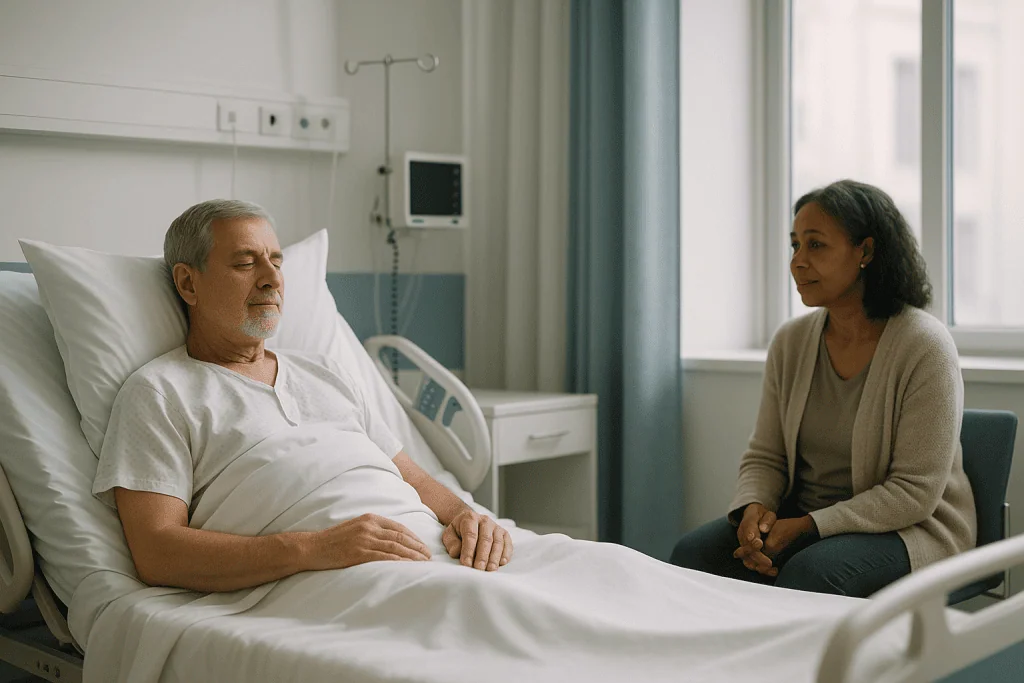
MRI uses magnets and radio waves; CT uses X-rays and is usually quicker. Preparation depends on the scan type, the body area and whether contrast is planned, some scans need fasting or a kidney function blood test first. Bring your ID, previous images, a medication list and implant details, allow more time than the scan itself, and confirm before you leave how the report and images will reach you.
You have an imaging appointment booked, or one is likely to appear in your treatment plan, and you want to know three things: how to prepare, how long the visit really takes, and when the results arrive. This guide answers those questions for MRI and CT scans in Turkey, including the parts most overviews skip, such as contrast checks, implant safety questions, and how to carry your results home.
At a glance
- Best for: International patients travelling for diagnostic imaging, or adding scans to a wider treatment or second-opinion plan
- Main difference: MRI uses magnets and radio waves and takes longer; CT uses X-rays and is usually faster
- Preparation: Depends on the scan type, the body area and whether contrast is planned, sometimes fasting or a kidney function blood test is required first
- What to bring: Passport, previous images and reports, a medication list, implant or device details, referral letter if you have one
- Time on the day: The visit is longer than the scan, allow for registration, safety questionnaires, changing and possible IV placement
- Results timing: Varies with urgency and complexity; ask before the scan when and how the report and images will be shared
MRI and CT scans in Turkey: what each test actually does
MRI and CT are the two imaging tests international patients are most often asked to have, either as the reason for the trip or as part of a wider treatment plan. If you are coming to Turkey for a diagnosis, a second opinion or pre-treatment planning, a specialist may want one of these scans before or shortly after your first consultation. In larger hospital groups, imaging can usually be scheduled within the same visit as the consultation itself, which matters when your itinerary is tight.
The two tests answer different questions. An MRI (magnetic resonance imaging) scan uses a strong magnetic field and radio waves to build detailed images, and it is particularly good at showing soft tissue: the brain, spinal cord, joints, muscles, ligaments and many internal organs. It involves no X-ray radiation, but it takes longer and requires you to lie very still inside a tube-shaped scanner that makes loud knocking sounds while it works.
A CT (computed tomography) scan uses X-rays to produce cross-sectional images. It is much faster, the scanning itself often takes only minutes, and is widely used for the chest, abdomen, bones, lungs and urgent assessments. Because it uses ionising radiation, doctors order it when the clinical question justifies it, not by default.
| MRI | CT | |
|---|---|---|
| How it works | Magnetic field and radio waves | X-rays |
| Typical strengths | Soft tissue detail: brain, spine, joints, organs | Speed; bones, chest, abdomen, urgent assessment |
| Radiation | None | Yes (a controlled dose) |
| Time in the scanner | Often 20–60 minutes depending on the area and sequences | Often only a few minutes |
| Main safety screening | Metal implants and devices | Contrast history, kidney function, some medications |
| Noise and space | Loud; narrower tunnel; ear protection provided | Quieter; open ring rather than a tunnel |
One point worth understanding early: your doctor chooses the scan based on the clinical question, not because one is universally better. It is also normal for a specialist in Turkey to review your existing images first and only order new imaging if something is missing, outdated or of insufficient quality. If a scan you already had is repeated, there is usually a specific reason: our guide on why tests and scans may be repeated before treatment in Turkey explains the common ones.
How to prepare before your appointment
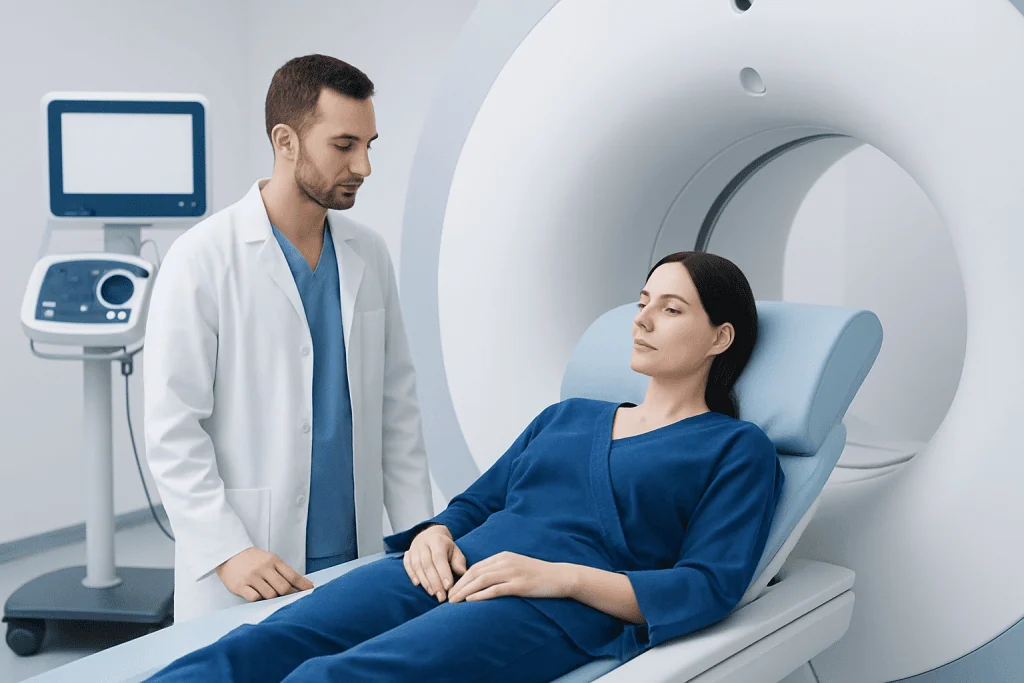
Preparation depends on three things: the type of scan, the body area being examined, and whether contrast material is planned. Some scans need nothing beyond arriving on time. Others involve fasting for a few hours, drinking a preparation liquid, or having a blood test first to check kidney function before intravenous contrast. Do not assume that the instructions from a previous scan apply to this one: the same person can have two MRIs with completely different preparation rules.
Documents and records to gather
Bring your passport or photo ID, your appointment confirmation, any referral letter, allergy information and a written medication list: the guide on preparing a medication list for treatment in Turkey shows a format that works well across language barriers. If you have previous scans or radiology reports, bring them. Prior images let the radiologist compare old and new findings, which often changes what the report can say. Ask in advance whether digital images should be uploaded beforehand or brought on a CD, USB drive or secure link, and check that the files include the actual images, not just the written report.
Safety information the radiology team needs early
For MRI, the team must know in advance about anything metallic or electronic in or on your body: pacemakers, defibrillators, aneurysm clips, cochlear implants, drug pumps, neurostimulators, joint replacements, surgical staples, shrapnel or metal fragments, and any history of metalwork injuries near the eyes. Some devices are MRI-conditional, safe under specific scanner settings, while others rule the scan out or require a different test. The department cannot make that judgement without model details, so bring implant cards or surgical notes if you have them. Also mention pregnancy, breastfeeding, claustrophobia, or difficulty lying flat or still.
For CT with contrast, report any previous reaction to contrast material, asthma, kidney problems, thyroid conditions and diabetes medication use. Do not change or pause any medication on your own initiative; if an adjustment is needed around the scan, your treating doctor will tell you exactly what to do and when.
- Wear comfortable clothing that is easy to change out of.
- Leave jewellery, hairpins, watches and valuables at your accommodation for MRI appointments.
- Ask in advance whether you may eat, drink and take your regular medicines as normal.
- Plan extra time for registration, interpretation support and any pre-scan blood test.
If your imaging sits inside a larger treatment plan at Acibadem, the practical steps are described in how to prepare for blood tests, scans and pre-op checks.
Contrast material: what it is and why it changes your visit
Contrast is a substance that makes certain tissues and blood vessels show up more clearly. For CT it is usually an iodine-based liquid given through an IV line, sometimes combined with a drink you swallow beforehand. For MRI it is typically a gadolinium-based agent, also given by IV. Not every scan needs it: the referring doctor and radiologist decide based on what they are looking for.
Contrast changes the practical shape of your appointment in three ways. First, you may need a recent kidney function blood test, which either arrives with your records or is done at the hospital before the scan. Second, an IV line is placed before you enter the scanner, which adds time. Third, you sign a consent form for the contrast itself. During the injection, a brief warm sensation, a metallic taste or a feeling that you need to pass urine are all common and pass quickly. Serious reactions are uncommon, and the department monitors for them: this is one reason contrast scans are done in a supervised setting rather than treated as a formality.
Afterwards, you are usually advised to drink fluids to help clear the contrast, unless another medical condition limits your fluid intake. If you are breastfeeding, ask the radiology team for their specific guidance rather than relying on general advice, because it differs by contrast type.
What happens on the day of the scan
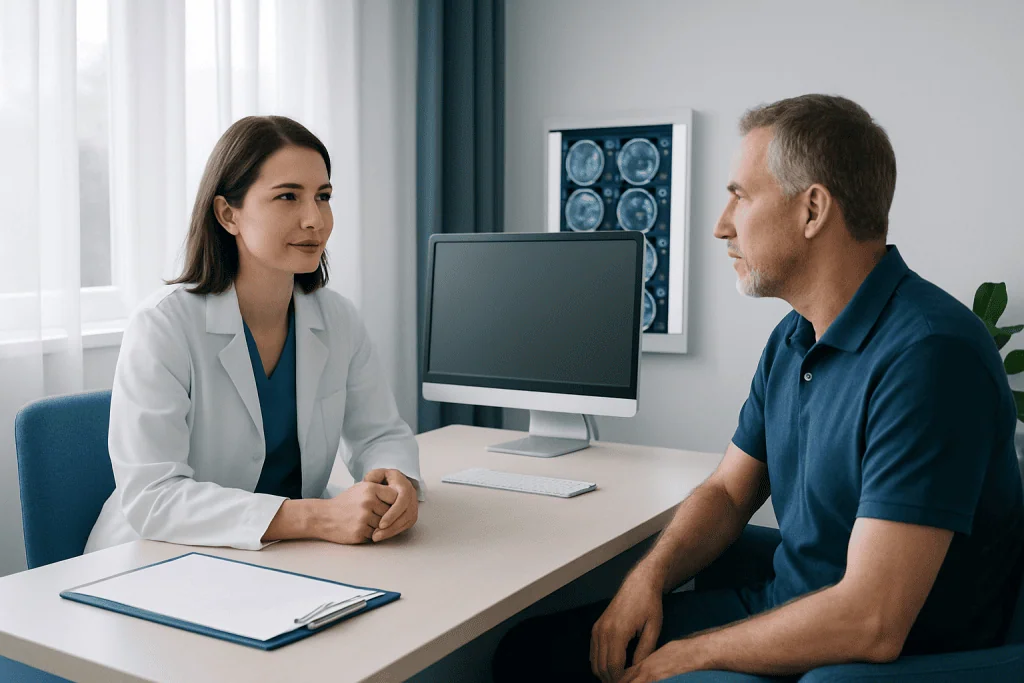
On arrival you check in at registration, confirm your identity and appointment details, and complete a safety questionnaire: a detailed one for MRI. If contrast is planned, you sign a consent form. If you are attending through an international patient department, a coordinator or interpreter can walk you through these steps and translate the questionnaire, which is worth using even if your English is strong: implant terminology is easy to get wrong.
The MRI experience
You will usually change into a gown if your clothing contains metal, zips or underwire, and remove all metal objects, phone, bank cards, hearing aids, removable dental items, jewellery. You then lie on a padded table that slides into the scanner. The machine is loud, with rhythmic knocking and buzzing, so ear protection or headphones are provided. The technologist can see and hear you throughout, and you hold a call button the entire time. The single most useful thing you can do is stay still; movement blurs the images and can mean repeating sequences, which lengthens the scan.
The CT experience
CT is typically quicker and less enclosed. You lie on a table that moves through a ring-shaped scanner while the technologist gives short instructions, usually when to hold your breath for a few seconds. If IV contrast is used, expect the brief warmth and metallic taste described above. The whole scanning phase is often over in minutes, though the visit around it is not.
For both tests, the scan is only one part of the appointment. Registration, changing, safety checks, IV placement and a final check that the images are technically complete all add time. Do not book an airport transfer or a tightly timed consultation immediately after; leave a comfortable buffer, especially in Istanbul, where traffic alone can undo a careful schedule.
Can you have a CT and an MRI in the same visit?
Yes, in most cases. The two machines are separate, so the scans happen one after the other rather than simultaneously, but there is generally no medical reason you cannot have both on the same day if your doctor has ordered both. The practical constraints are scheduling, two scanner slots, sometimes in different parts of the imaging department, and preparation, since each scan may carry its own fasting or contrast rules. If both are planned, tell the scheduling team so the order and timing can be arranged sensibly, and expect the combined visit to fill a good part of the day.
It is also normal for a scan to be added, changed or cancelled after a specialist reviews your first results. That is not a sign of disorganisation; it is how diagnostic work proceeds. The guide on unexpected test or treatment changes in Turkey explains how to build slack into your travel plans for exactly this situation.
What the price of a scan depends on
This guide does not quote figures, because a meaningful number depends on your specific case and any figure printed here would mislead someone. What you can do is understand the structure of a quote, so you can compare like with like. The main variables are:
- The scan type and body regions. An MRI of one joint is a different undertaking from imaging several regions, and multi-region requests are priced accordingly.
- Contrast. Contrast material, the IV placement and any required kidney function blood test can each appear as separate items.
- Sedation or anaesthesia support, if anxiety, pain or a medical condition means you cannot lie still without help.
- The radiologist’s report, including whether comparison with prior imaging or a second specialist review is involved.
- Format of resultswritten report, digital images, translation of the report if you need it in a specific language.
When you receive a quote, ask what it includes from that list and what would be billed separately. Ask, too, how the price changes if the doctor adds or removes a scan after seeing you: a common event in diagnostic visits. A clear itemised answer before you travel is worth more than a low headline figure that turns out to cover only the scanner time.
Comfort, anxiety and practical travel tips
Feeling anxious before an imaging test is normal, especially before a first MRI or in an unfamiliar country. The most effective step is also the simplest: tell the team early about claustrophobia, chronic pain, difficulty lying still, hearing problems or limited mobility. They can adjust positioning, explain each stage before it happens, and pace the appointment differently.
If enclosed spaces are the concern, ask in advance about the scanner’s dimensions, the expected duration and the comfort options available. Simple techniques help many people: closing your eyes before the table moves into the scanner, slow steady breathing, focusing on the technologist’s voice, and remembering that you hold a call button throughout. A companion can usually accompany you to the department even if they cannot enter the scan room. If you suspect anxiety may stop you completing the scan, raise it before the appointment, because options such as medication support need planning, and if any relaxing medicine is used, you will need an escort afterwards and should not drive that day.
On logistics: stay reasonably close to the hospital the night before an early appointment. International patient teams at hospital groups such as Acibadem can help coordinate appointment timing, interpretation and practical guidance around transport and accommodation, which reduces friction when scans, consultations and treatment planning share one trip.
After the scan and getting your results
Most people return to normal activities straight after the scan unless told otherwise. After contrast, drinking fluids is usually encouraged unless a medical condition limits it. After sedation, the rules change: an escort home, no driving, no important decisions for the rest of the day.
Your images go to a radiologist, who prepares a written report for the referring doctor. Timing varies with urgency, complexity, whether a second review is requested, and whether your case is going to a multidisciplinary team discussion. If your schedule is short, ask before the scan, not after, when the report will be ready and who will explain it to you.
For most international patients, the results need to travel too. Ask for both the written report and the images themselves in a portable digital format, and check whether a secure online portal is available. Confirm what language the report will be issued in and whether a translation can be arranged. If the imaging was done for a second opinion, complete images plus reports are exactly what the reviewing specialists need: the guide on medical second opinions in Turkey covers what a strong records package looks like. Before you leave, make sure you know who holds the report, who explains it, and how it reaches your doctor at home.
Questions worth asking before you book
A short list of questions prevents most of the confusion patients report. Before confirming the appointment, ask which scan you are having, which body area is being imaged, whether contrast is expected, and what preparation is required. Ask how long to allow for the full visit rather than the scan alone: this is the number that matters for airport transfers, hotel check-out and same-day consultations.
Then ask about the practical layer: language support, when and how payment is handled, how images will be transferred, and whether your previous scans should be sent ahead for review. Sending earlier reports in advance can spare you a repeated test and lets the first consultation start from a fuller picture. Finally, ask who coordinates the next step once the scan is done. In integrated hospital settings, the imaging department, the specialist clinic and international patient services work together so the report reaches the right team quickly: the kind of coordination that matters most when you are balancing medical decisions with flights and a limited stay.
Step by step
- Confirm exactly which scan you need. Ask whether you are booked for an MRI or CT, which body area will be scanned, and whether contrast is planned. This determines your preparation, visit length and safety checks.
- Share your medical history early. Implants, devices, allergies, kidney problems, pregnancy, claustrophobia and past contrast reactions all change how the radiology department plans your scan. Earlier is always better.
- Gather documents and previous imaging. ID, appointment details, medication list, referral if available, and earlier images with their reports. Prior imaging helps the radiologist compare findings and can prevent unnecessary repeats.
- Follow the preparation instructions exactly. Fasting, fluids, metal-free clothing, arriving early for a blood test, small details affect image quality, safety and whether the scan goes ahead on time.
- Arrive with time to spare. International visits involve registration, questionnaires, interpretation and sometimes payment formalities. Arriving early means you can ask questions before the scan, not after.
- Plan for results before you leave. Confirm when the report will be ready, in what language, how you receive the images, who explains the findings, and how follow-up works once you are home.
Your checklist
- Passport or photo ID
- Appointment confirmation and hospital contact details
- Previous scan images and radiology reports
- Medication list and allergy information
- Details of any implants, devices or prior contrast reactions
- Comfortable clothes and no unnecessary valuables
- Questions about fasting, contrast and result timing written down
- Transport plan to and from the hospital, with a time buffer
- Escort arranged if sedation or anti-anxiety medication may be used
Key takeaways
- MRI and CT scans in Turkey are usually straightforward, but preparation depends on the exact scan and whether contrast is used, never assume last time’s rules apply.
- MRI needs detailed information about implants and devices in advance; CT with contrast needs your kidney, allergy and medication history.
- Bring previous images and reports: they improve the radiologist’s report and can spare you repeated tests.
- Allow for the whole visit, not just the scan, registration, questionnaires, changing, IV placement and image checks all add time.
- Before you leave, confirm how and when you receive the report, the digital images and an explanation of the findings.
Frequently asked questions
How much does an MRI cost in Turkey?
There is no single figure, and any number quoted without your details would mislead you. The price depends on the body regions scanned, whether contrast and its blood test are needed, whether sedation is involved, and what the quote includes, scanner time only, or the radiologist’s report, digital images and translation as well. Ask for an itemised quote so you can compare offers on the same basis.
Can I get a CT scan and an MRI at the same time?
Not simultaneously, they are different machines, but usually on the same day, one after the other, if your doctor has ordered both. Tell the scheduling team in advance so the order, preparation rules and contrast timing can be arranged properly, and expect the combined visit to take a substantial part of the day.
What is the main difference between an MRI and a CT scan?
An MRI uses magnets and radio waves and excels at soft tissue detail; a CT uses X-rays, is much faster, and suits bones, the chest, the abdomen and many urgent assessments. Your doctor chooses based on the clinical question, neither test is simply better than the other.
Do I need to fast before an MRI or CT scan in Turkey?
Not always. Some scans require no fasting, while others do, particularly abdominal imaging or scans with contrast. Follow the exact instructions given for your specific appointment rather than assuming one rule covers every scan, and ask whether you may take your regular medicines as normal.
Can I have an MRI if I have metal in my body?
Possibly. Some implants and devices are MRI-compatible under specific conditions; others prevent the scan or require a different imaging method. The radiology team must assess this in advance, so provide the make and model of any implanted device if you can, implant cards and surgical notes are ideal.
How long does the appointment usually take?
Longer than the scan itself. CT scanning often takes only minutes; MRI can take twenty minutes to an hour depending on the area and sequences. Around both sit registration, safety questionnaires, changing, possible IV placement and a final image check. Leave a comfortable buffer before anything else booked that day.
What is the cheapest country to get an MRI in?
There is no honest single answer, because headline prices in any country often exclude contrast, the radiologist’s report, image copies or translation. A meaningful comparison looks at the full itemised quote plus travel costs and the quality of the reporting, not the lowest advertised number.
How do I get my results if I am returning home soon?
Ask before the appointment when the report will be ready, what language it will be in, and whether a secure online portal is available. Request both the written report and the digital image files, since your doctors at home will usually want to see the images themselves, and confirm who will explain the findings to you before you travel.
Add us as a Preferred Source to see more of our trusted health content across Google Search, AI Overviews and Discover.

Update history
- PublishedJuly 8, 2026
- Medical review approvedSeptember 13, 2026
- Last content updateSeptember 12, 2026
References3
- MRI scan: NHS nhs.uk
- CT scan: NHS nhs.uk
- CT Scans: MedlinePlus medlineplus.gov
More Patient Guides
Sleep Apnea Testing in Turkey: What Happens During Your Evaluation
Sleep apnea testing in Turkey may include a consultation, overnight sleep study or home test, and a clear review of your results…

How to Organize Your Test Results Before Traveling to Turkey
Organize your test results before traveling to Turkey by sorting records, images, medicines and timelines so your Istanbul care team can review…

When Extra Tests Are Needed Before Treatment in Turkey
Extra tests before treatment in Turkey may be needed to confirm diagnosis, timing, and safety. Here is what you can expect in…

At Acibadem, How to Prepare for Blood Tests, Scans, and Pre-Op Checks
Blood tests, scans, and pre-op checks at Acibadem in Turkey help confirm you are ready for treatment and avoid delays on the…