

Medical Second Opinion in Turkey: What Records to Send and What Answers to Expect

Send your most recent doctor reports, imaging files with their written reports, pathology results, laboratory tests and a current medication list, plus a one-page summary of your situation and the question you want answered. Expect a specialist's view on whether the diagnosis fits the evidence, whether the proposed treatment is standard, and what tests are still needed, not a final verdict from incomplete files.
Surgery has been recommended, or the plan you were given does not sit right, and you want to know whether another specialist would read your case the same way. That is usually the moment people start looking into a medical second opinion in Turkey, and it is a reasonable moment to do so, because a second opinion works best before you commit to a treatment, not after.
The quality of the answer you receive depends heavily on what you send. A complete, well-organised file lets a specialist comment with confidence; a thin or muddled one produces a vague reply and a list of follow-up questions. This guide explains exactly what to prepare, how to share it safely, what the reviewing team will and will not be able to tell you, and how to use the opinion once you have it.
At a glance
- Best for: Patients who want an expert review of a diagnosis or treatment plan before deciding on treatment or travel
- What to send: Recent doctor reports, original imaging files plus their written reports, pathology results, laboratory tests, a medication list and a short summary of your history
- What you receive: A specialist review covering whether the diagnosis fits the records, whether the proposed treatment is standard, and what should happen next
- What you do not receive: Certainty from incomplete files, or a final plan without enough evidence
- Timing: Depends on case complexity and whether the records arrive complete, readable and in the right format
- Helpful support: International patient coordinators can explain which documents are needed, arrange translation guidance and route the file to the right specialty
What a medical second opinion in Turkey actually involves
A second opinion is another specialist’s independent review of your diagnosis, your proposed treatment, or both. People request one when a major treatment such as surgery has been recommended, when a diagnosis is complex or uncertain, when symptoms have not improved on the current plan, or simply when they want more confidence before a big decision. All of these are legitimate reasons. No responsible clinician is offended by a patient seeking one.
In practice, a medical second opinion in Turkey almost always starts with a document review rather than a trip. You send your records, the file is directed to the relevant specialty, and a specialist, or, for complex cases such as cancer, a multidisciplinary group, examines whether the diagnosis and proposed treatment fit the information available. The outcome may be confirmation that the original plan is reasonable, a suggestion of alternatives, or a request for further tests before any firm recommendation can be made.
This remote-first structure matters for international patients. It means you can get an initial expert view before booking flights, taking time off work or paying anything toward treatment. At Acibadem, the process for reviewing files from abroad follows a defined sequence, which is described in detail in how a second medical opinion from abroad works. Understanding that sequence before you send anything helps you send the right things in the right order.
One honest caveat from the start: a records-based review is only as good as the records. A specialist reading your file from another country cannot examine you, cannot repeat a scan, and cannot see what is not in the documents. The rest of this guide is about closing that gap as far as it can be closed.
Which records you should send
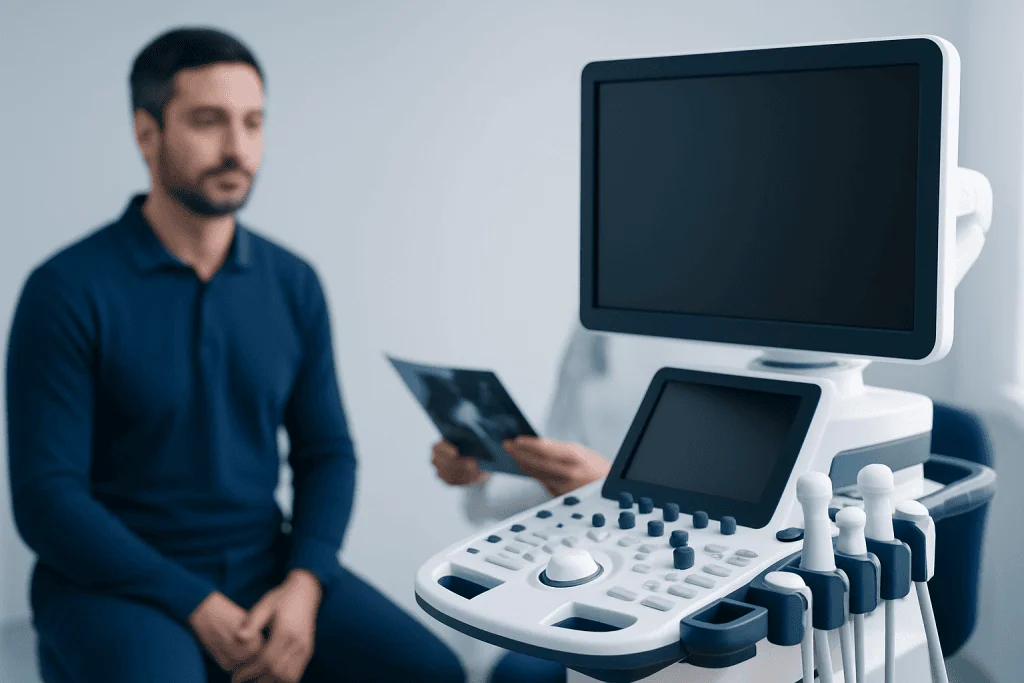
Start with the documents that explain your situation: the doctor reports that state your diagnosis, the reason you were referred, the treatment proposed so far, and any important medical history. These give the reviewing specialist the narrative. Everything else is evidence supporting or questioning that narrative.
Imaging: reports and the images themselves
If you have had CT, MRI, PET-CT, mammography, ultrasound or X-ray studies, send both the written radiology report and the image files where possible. The report tells the specialist what your local radiologist saw; the images let them look for themselves. Image files are usually stored in DICOM format and can be shared on a CD, a USB drive or a secure upload link. A report alone is workable, but original images allow a genuinely independent reading, which is often the whole point of a second opinion.
Pathology: the report first, materials if asked
If you have had a biopsy or surgery, the pathology report is essential. For some conditions, the reviewing team may later ask about glass slides, paraffin blocks or digital pathology scans, because re-examining the tissue itself can change how a case is understood. Do not ship physical materials unprompted, wait until the team confirms they are needed and tells you how to send them, since courier rules and local regulations vary by country.
Everything else that sharpens the picture
- Doctor consultation notes and referral letters
- Imaging reports plus the original image files
- Pathology reports and, only if requested, specimen materials
- Recent blood tests and any relevant test panels
- Genetic or molecular test results, where these exist
- Your current medication list, allergies and chronic conditions
- Operation notes and hospital discharge summaries from previous treatment
Recency matters as much as completeness. A scan from two years ago may describe a situation that no longer exists. If your newest imaging is old, say so in your summary: the team can then tell you whether a repeat study is worth doing before or after the review. A separate guide covers in more depth which medical records help doctors advise you faster, including specialty-specific detail.
How to organise your file so the team can review it faster

A clear file saves days. Begin with a short summary in your own words: your age, the main diagnosis or suspected condition, current symptoms and when they began, what treatment has been recommended, and, most importantly, the specific question you want answered. “Is surgery the right next step, or are there alternatives?” is a far more useful question than “What do you think?” Keep the summary to one page and keep it factual.
Then arrange documents in date order, oldest to newest, or grouped by type. Use file names that identify the content without opening it: “MRI_brain_March_2026_report” or “Pathology_biopsy_January_2026” rather than “scan1” and “document(3)”. If a scan link carries a password, include the password. If a document exists in two versions, send only the clearer one.
If some records are missing, say so plainly rather than delaying your request while you chase them. The reviewing team can usually tell you whether the missing item is essential or can follow later, and starting with an honest gap is faster than starting late with a complete file. For a fuller method, folder structure, naming, what to translate first, see how to organise your medical records for a faster review in Turkey.
What answers you can realistically expect
A good second opinion gives you clarity, not false certainty. From a well-documented case, you can reasonably expect a specialist to address three things:
- Diagnosis: whether the stated diagnosis is consistent with the records provided, and whether anything in the file raises a question about it
- Treatment: whether the proposed treatment is a standard approach for this situation, and whether reasonable alternatives exist that you should know about
- Next steps: whether additional tests are needed before any firm recommendation can be made, and roughly in what order
You may also receive guidance on timing, on whether travel makes sense at this stage, and on which specialty or multidisciplinary team should be involved. For conditions where imaging, pathology and clinical history all interact, cancers, cardiac disease, neurological conditions, complex orthopaedic problems, a multidisciplinary review adds real value, because a single reading of a single document rarely settles such cases.
Equally important is what you should not expect. You should not expect a definitive diagnosis from incomplete documents, a treatment commitment made sight unseen, or a final plan built on insufficient evidence. Sometimes the most responsible answer a specialist can give is that repeat imaging, a pathology re-read, updated blood work or an in-person examination is needed first. That answer can feel anticlimactic, but it is genuinely useful: it tells you what the next well-founded step is, and it protects you from decisions built on gaps.
If the opinions you gather disagree, that is information too. A disagreement about diagnosis is different from a disagreement about timing or technique, and knowing which kind you are facing tells you what to clarify next.
Questions the medical team may ask after the first review
Expect follow-up questions; they are a sign the review is being done properly. Clinical questions typically cover when symptoms began, whether they are changing, what treatments you have already tried and how you responded, other significant health conditions, and any recent changes to your medication. Do not adjust anything yourself in anticipation, medication decisions belong to your treating doctor, and the reviewing team only needs an accurate list of what you currently take.
If a report is ambiguous or a scan is outdated, the team may ask for better copies or suggest a repeat study. In pathology-based cases they may request original specimen materials or digital slide scans, where logistics and local rules allow. Prompt, complete replies to these requests are the single biggest factor within your control for keeping the review moving.
There will also be practical questions from the international patient side, particularly if treatment in Istanbul or elsewhere in Turkey might follow: your preferred language, whether you would need an interpreter, whether you would travel alone, and what help you might want with appointments, accommodation or airport transfers. These are logistics questions, not commitments, answering them does not oblige you to travel.
Privacy, translation and how to send records safely
Medical records are sensitive, and large imaging files are unwieldy, so the sending method matters. Secure upload portals, protected email channels or coordinator-managed transfers are all better than informal messaging apps, both for confidentiality and because DICOM files often exceed ordinary attachment limits. Check how the receiving hospital prefers to get files, and confirm afterwards that everything opened correctly: an unreadable disc discovered a week later costs you that week. A step-by-step walkthrough is available in sending medical records to Turkey securely.
On translation, ask before you spend money. Usually the highest-priority items are the latest doctor summary, the pathology report, the imaging reports and the medication list. You rarely need every page of a thick file translated; the reviewing team can tell you which documents matter first, and radiology images themselves need no translation at all.
Keep copies of everything you send. Your records remain yours, and you will want the same organised file for any future consultation, wherever it happens.
What a second opinion and treatment cost, and why nobody can quote blind
Cost questions are fair, so here is the honest structure. A quote for treatment in Turkey, whether for a procedure or a full check-up programme, depends on the specialty involved, the complexity of your case, which tests and imaging are actually needed, the expected length of stay, and what the quote includes beyond the clinical work itself, such as interpreter support or transfers. That is why serious hospitals give case-specific quotes after reviewing records, and why a figure offered before anyone has seen your file deserves scepticism.
This is also one of the strongest arguments for getting the opinion before committing money. A records review can confirm whether the proposed treatment is appropriate at all before you pay toward it: a scenario examined in second opinion before you pay a medical deposit. When you do receive a quote, ask what it includes, what it excludes, and what would change it. A transparent answer to those three questions tells you a great deal about the organisation behind it.
Is Turkey a sensible place for this?
Turkey is a major destination for international patients, with large hospital groups that maintain dedicated international departments, multilingual coordination and experience handling cases that arrive as files before they arrive as people. That infrastructure is precisely what makes a remote second opinion practical: the routing of records to the right specialty, translation guidance and structured replies are established processes rather than improvisation.
What you will not find here is a claim that any single country is “the best” for medical care. Rankings of medical tourism destinations vary by who compiles them and what they measure, and none of them says anything about your specific case. The sensible questions are narrower: does this hospital have relevant specialty depth for your condition, does the reviewing team communicate clearly in a language you understand, and are they willing to say when the evidence is insufficient? A team that tells you “we need more information before we can advise” is demonstrating exactly the honesty you want.
How to use the second opinion once you have it
Read the opinion with a practical mindset. Look first for points of agreement with the advice you already have, agreement on the core diagnosis or the safest treatment path is often the most valuable outcome, because it lets you proceed with confidence, whether locally or abroad.
Where the opinions differ, identify what kind of difference it is. Is it about the diagnosis itself, the timing of treatment, the method proposed, or simply the need for more tests before deciding? Each of these leads to a different next step. A difference in method might be resolved by a follow-up teleconsultation; a difference in diagnosis might justify a pathology re-read or new imaging before anything else.
A good second opinion should leave you better organised, better informed and better prepared for your next medical conversation, with any doctor, in any country. Even if you never travel to Turkey, the discipline of assembling your records and defining your question tends to improve every consultation that follows.
Step by step
- Gather your core records. Start with the documents that explain your diagnosis and current situation: recent doctor reports, test results, imaging reports, pathology and your medication list. Prioritise the newest and most relevant items rather than sending everything unsorted.
- Write a one-page patient summary. State your age, main symptoms, diagnosis if known, key dates, prior treatments and the specific question you want answered. This focuses the reviewing specialist from the first minute.
- Check image and pathology requirements. Ask whether the team needs only written reports or also the original DICOM files and pathology materials. For many conditions, the originals are far more informative than summaries.
- Send records through the preferred secure channel. Use the hospital’s recommended upload method, include any passwords, and use clear, dated file names so each item can be identified without guesswork.
- Respond to follow-up questions promptly. Missing pages, clearer scans, translations or symptom updates may be requested after the first review. Fast replies are the biggest time-saver within your control.
- Read the opinion critically. Note what is confirmed, what remains uncertain and what further tests are suggested. Ask for plain-language clarification of anything unclear before making travel or treatment decisions.
- Decide your next practical step. Depending on the opinion, that may be local treatment, a teleconsultation, or planning an in-person assessment, with clear questions about testing, interpreter support and expected length of stay if travel is on the table.
Your checklist
- Recent specialist and hospital reports
- Imaging reports plus original image files if available
- Pathology report and specimen details if relevant
- Blood tests and other recent lab results
- Current medication list and known allergies
- Summary of previous treatments or surgeries
- A short note describing your symptoms and the key question
- Passport details only if needed for registration, never as a substitute for medical records
Key takeaways
- A medical second opinion in Turkey usually begins with a careful records review, not a trip.
- Send recent doctor reports, original imaging with written reports, pathology, lab results and your medication list, led by a one-page summary.
- Expect comment on diagnosis, treatment options and next steps, not certainty from incomplete files.
- Sometimes the most responsible answer is that more testing or an examination is needed; that is still a useful answer.
- Clear organisation, secure sending and quick replies to follow-up questions are the biggest factors you control.
- Cost quotes are case-specific by nature; a review of your records comes before any meaningful figure.
Frequently asked questions
Is it worth getting a second medical opinion?
For major decisions, surgery, cancer treatment, long-term therapy, it usually is. A second opinion either confirms your plan, which builds confidence, or surfaces alternatives and open questions before you commit. Either outcome improves your next decision, and responsible clinicians expect patients to seek one for significant treatment choices.
Do I need to travel to Turkey to get a second opinion?
Not usually, at least not at first. Most second opinions begin with a remote review of your records, imaging and pathology. Travel only becomes relevant later, if the team needs an in-person examination or repeat testing, or if you decide to continue treatment in Turkey.
Are written reports enough, or do I need to send the actual scan images too?
Reports help, but original images allow an independent reading, which is often the point of the exercise. If you have CT, MRI, PET-CT, mammography or other imaging, ask whether the specialist wants the DICOM files as well as the report, for many cases the answer is yes.
What if my records are not in English?
Ask which documents need translation before translating anything. The latest doctor summary, pathology report, imaging reports and medication list are usually the priority. You rarely need every page translated, and the images themselves need no translation at all.
How long does a second opinion take?
It depends on how complete and readable your records are, how complex the case is, and whether more than one specialty must weigh in. A straightforward, well-organised file moves faster than one requiring pathology reassessment, multidisciplinary discussion or chasing of missing documents.
How much does a full medical check-up cost in Turkey?
There is no single figure, and any number quoted before your details are known should be treated cautiously. The cost depends on which tests and imaging your age, history and risk profile call for, the scope of the programme, and what is included beyond the clinical work. Hospitals give case-specific quotes; ask what a quote includes, excludes, and what would change it.
What is the number one medical tourism destination in the world?
There is no single authoritative ranking. Different indices measure different things, volume, infrastructure, specific specialties, and produce different leaders. Turkey is consistently among the major destinations, but the useful question is narrower: whether a particular hospital has the specialty depth and communication standards your case needs.
Can a second opinion confirm that I definitely need surgery or another treatment?
It can give expert guidance based on the records available, but a final treatment decision may still require further tests or an in-person examination. A careful team will say clearly when the evidence is sufficient and when it is not, and that honesty is what makes the opinion worth having.
Add us as a Preferred Source to see more of our trusted health content across Google Search, AI Overviews and Discover.

Update history
- PublishedAugust 4, 2026
- Medical review approvedSeptember 13, 2026
- Last content updateSeptember 12, 2026
References2
- Medical Tourism: CDC Travelers' Health wwwnc.cdc.gov
- Getting a second opinion before surgery: MedlinePlus medlineplus.gov
More Patient Guides

CyberKnife Radiosurgery in Turkey: Candidacy, Treatment Schedule, and Travel Plans
CyberKnife radiosurgery in Turkey involves eligibility review, several planning steps and short outpatient visits; international patients can arrange care in Istanbul.

Traveling to Turkey for Biopsy Review: What Happens Before Treatment Is Confirmed
Biopsy review in Turkey helps confirm your diagnosis before treatment, using pathology slides, reports and specialist assessment in Istanbul.

Flying to Turkey with Recent Scan Results: How to Organize Reports and Images
Organize recent scan results for travel to Turkey by bringing reports, original image files, dates, and a clear medical summary for your…

Complications During Treatment Abroad: How International Patients in Turkey Can Prepare
Complications during treatment abroad can be managed with planning, clear contacts and follow-up support for international patients in Turkey.