Recovery After a Stereotactic Biopsy: Headache, Pin-Site Soreness, Driving and Results
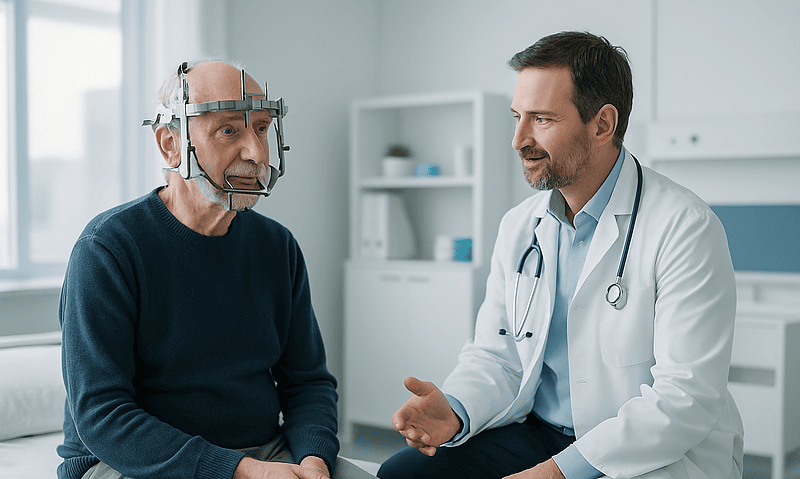
Stereotactic biopsy recovery is usually short. After a breast biopsy, most people go home the same day and have bruising or soreness for a…
Read article

Articles on medical imaging: MRI, CT, ultrasound, PET-CT and X-ray, covering preparation, contrast agents, radiation and how to read the wording of a report. The report is interpreted together with your symptoms by your doctor.
Stereotactic biopsy recovery is usually short. After a breast biopsy, most people go home the same day and have bruising or soreness for a…
After a PET-CT scan, most people go home the same day, drink extra fluids and empty their bladder often to help clear the radioactive…
For most MRI scans you can eat and drink normally beforehand, because the magnet images tissue, not stomach contents. The exceptions are scans of…
A comprehensive check-up usually includes a medical and family history, a physical examination with blood pressure and body measurements, and blood and urine tests…
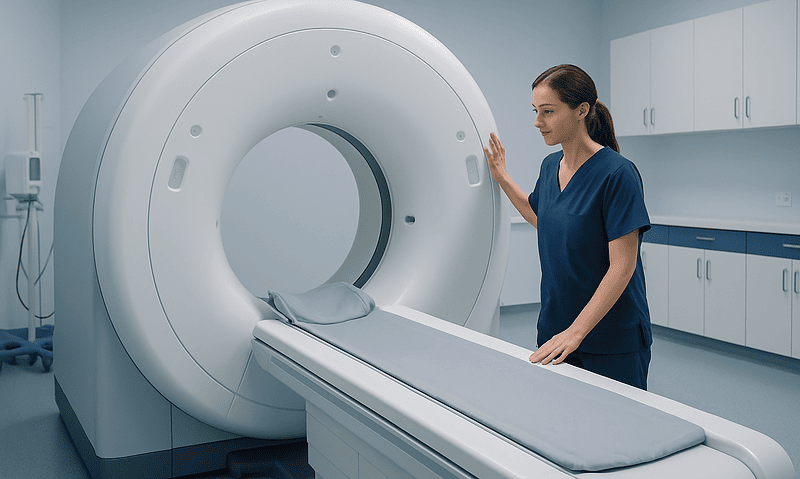
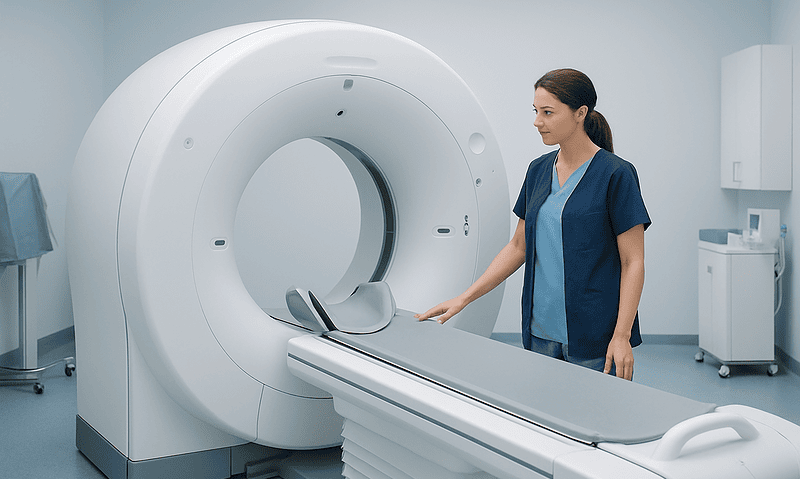
A CT scan shows detailed cross-sectional images of bones, organs, blood vessels and soft tissue by combining many X-ray views into slices. Doctors most…
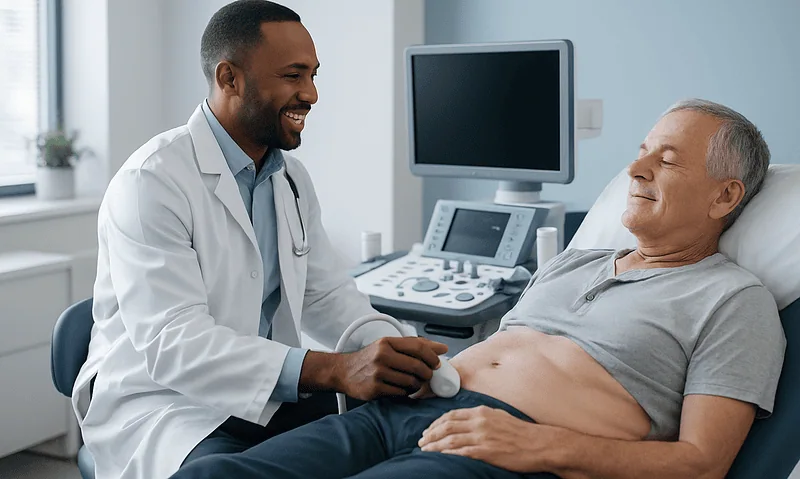
An ultrasound can detect abnormal lumps, masses and changes in organs that may be cancer, and it is especially good at telling a fluid-filled…
A PET-CT scan shows how actively tissues are using energy, mapped onto a detailed anatomical picture. The PET part tracks a mildly radioactive sugar…
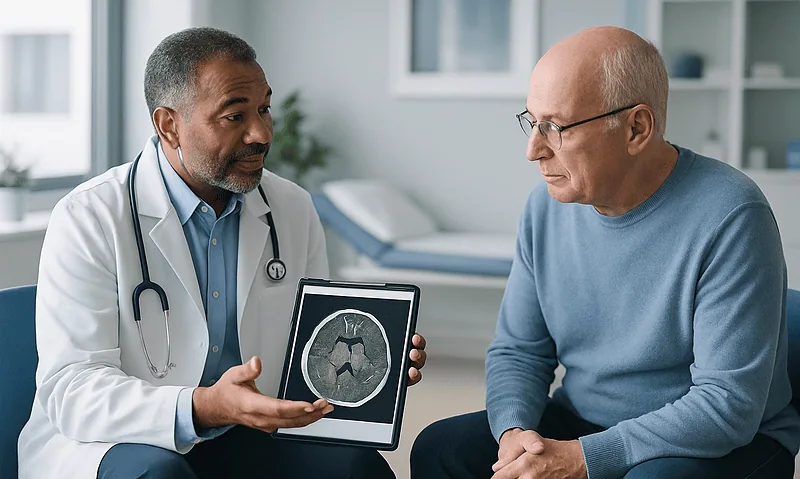
A brain lesion is usually sampled with a stereotactic needle biopsy when the tissue diagnosis will change treatment but removing the lesion is not…
A stereotactic brain biopsy uses a detailed MRI or CT scan, a three-dimensional coordinate system and a thin needle to remove a tiny sample…
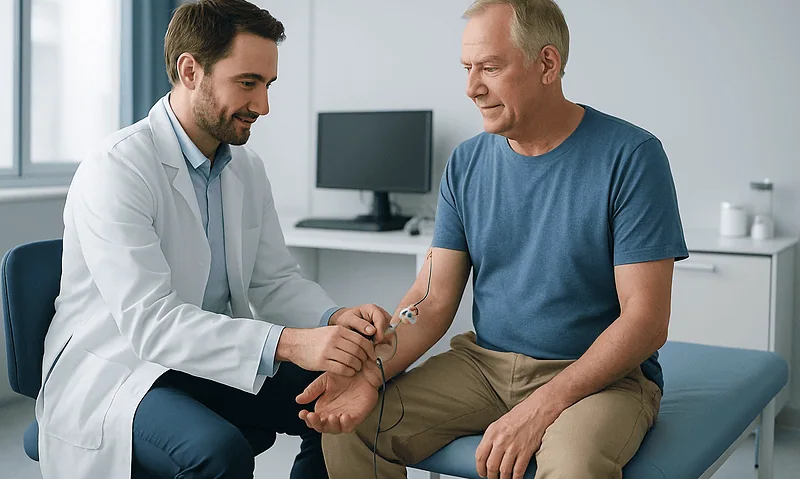
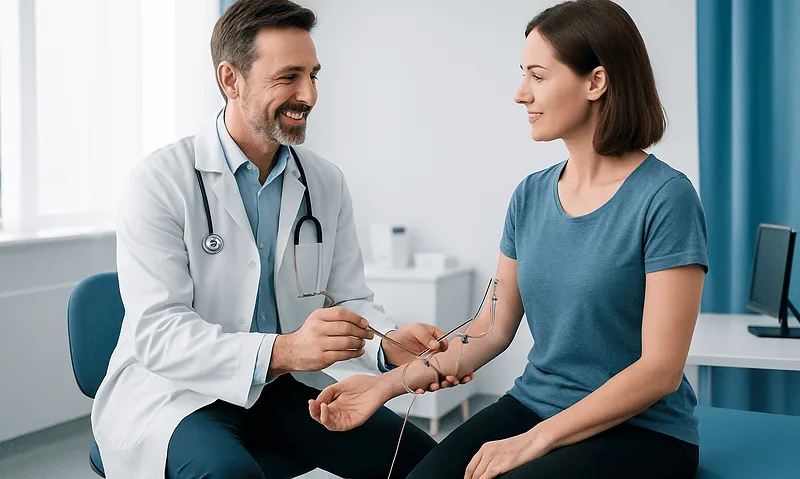
During an EMG test, a clinician first performs a nerve conduction study, placing sticky surface electrodes on the skin and delivering brief electrical pulses…
A standard echocardiogram is an ultrasound scan of the heart. You undress from the waist up, wear a gown, lie on your left side,…
To prepare for an EMG test, arrive with clean, lotion-free skin, wear loose clothing that lets the examiner reach the arms and legs, and…
To prepare for a PET-CT scan, most people are asked to stop eating for about six hours beforehand, drink only plain water, avoid sugar,…
An MRI can show many cancers, often in fine detail, because tumors tend to have different water content and blood supply than the tissue…
Doctors generally choose a CT scan when speed matters, suspected bleeding, fractures, lung problems, or trauma, because it takes minutes and is available around…
A calcium score test, also called a coronary artery calcium scan, is a brief low-dose CT that measures hardened plaque in the heart's arteries…
A transesophageal echocardiogram (TEE) is an ultrasound of the heart performed from inside the esophagus, which lies roughly a centimeter behind the heart's left…
A standard coronary angiogram usually takes 30 to 60 minutes, though the whole hospital visit is often half a day because of preparation and…
Choose which cookies you allow. Essential cookies are always on because the site cannot work without them.