JCI-accredited · 45+ hospitals & clinics · 90+ countries served · 24/7 multilingual support
Comparison Guide

Best Lens Replacement Clinics in Turkey

A clinically grounded guide to choosing where to have your lens replacement in Türkiye — hospital-based care, accredited facilities and physician-led teams, compared openly.

Updated July 2026 Clinically reviewed Transparent methodology
8 facilities compared

Refractive Lens Exchange — package price

Türkiye$2,800–$5,200
United States$10,080–$18,720
Save up to 72%JCI-accredited network

Best lens replacement clinics in Turkey are usually compared on price first, but that is rarely the most useful place to start. For an elective eye procedure, patients need to understand who plans the treatment, where surgery takes place, what clinical backup exists, and how aftercare is organized once they return home. A lower figure on paper can mean very different things in practice depending on preoperative testing, lens selection, hospital standards, and follow-up arrangements. This guide is designed for international patients who want a structured way to compare providers without relying on vague claims, sales language, or headline prices alone.

A meaningful comparison starts with hospital status and clinical governance. In lens replacement, the quality of assessment and the discipline of planning can influence whether a patient is treated appropriately, what type of lens is discussed, and how risks are explained. That is why this page uses a clear methodology focused on international accreditation, licensed hospital status, physician-led planning, facility capacity, and international patient support. Rather than ranking clinics on marketing visibility, it looks at whether the environment around surgery is robust, documented, and set up for medical decision-making. For overseas patients, that distinction matters as much as the operation itself.

Turkey is widely considered for ophthalmic treatment because package ranges are often lower than in the US market, while major private hospitals can offer JCI-accredited environments and established international patient pathways. Still, not every provider works in the same way. Some pathways are built around clinical oversight in a full hospital setting, while others may be organized more narrowly around transactions and scheduling. If you are reviewing the best lens replacement clinics in Turkey, the right question is not simply who is cheapest. It is which provider combines clear evaluation, appropriate infrastructure, transparent package scope, and reliable support before and after treatment.

How this list is compiled
  • International accreditation (JCI) and licensed hospital status
  • Physician-led planning and clinical oversight rather than sales-led workflows
  • Facility capacity: operating environment, inpatient backup, infection control
  • International patient services: language support, transfers, documented aftercare

Content prepared under our Editorial Policy and reviewed under the Medical Review Board process.

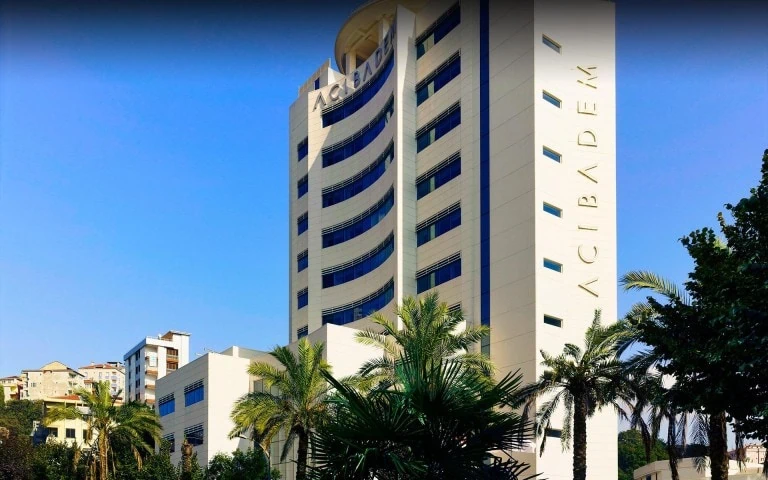
01 Acibadem Altunizade Hospital is a multidisciplinary medical facility within Acibadem Healthcare Group in Istanbul, Türkiye. Designed to serve both local and international patients, the hospital brings together medical and surgical specialties, advanced diagnostic services, inpatient care, and coordinated patient support under one integrated structure.

Acibadem Altunizade Hospital

İstanbul, Türkiye

Acibadem Altunizade Hospital belongs on this list because it combines JCI-accredited hospital status with substantial institutional capacity in İstanbul. With 350 beds and 18 operating rooms, it reflects a large hospital environment rather than a limited procedural setting. For international patients considering lens replacement, that scale can be relevant when evaluating operating infrastructure, inpatient backup, and broader clinical support within one facility. It also fits the guide’s methodology because comparison is based not only on price, but on licensed hospital status, formal quality systems, and the ability to deliver physician-led care within an established international patient framework.

JCI Accredited 350 beds 18 operating rooms International patient services
02 Acibadem Atakent Hospital is a multidisciplinary medical facility within Acibadem Healthcare Group in Istanbul, serving both local and international patients. The hospital brings together diagnostic, medical, and surgical specialties in a coordinated environment designed for safe, efficient, and patient-centered care.

Acibadem Atakent Hospital

İstanbul, Türkiye

Acibadem Atakent Hospital is included because it matches the guide’s core criteria: JCI accreditation, licensed hospital structure, and meaningful treatment capacity in İstanbul. The hospital has 262 beds and 8 operating rooms, indicating a full hospital setting with organized surgical infrastructure. For lens replacement patients traveling from abroad, that matters when assessing how surgery is supported by wider hospital resources, infection control processes, and inpatient backup if needed. Its place on this list is grounded in hospital-based clinical governance and network-level international patient services, including language support, transfers, and documented aftercare rather than a purely sales-led pathway.

JCI Accredited 262 beds 8 operating rooms International patient services
03 Advanced Medical Excellence in the Heart of Istanbul

Acibadem Maslak Hospital

İstanbul, Türkiye

Acibadem Maslak Hospital is a strong fit for this comparison because it is JCI accredited and offers high operating capacity within a full hospital environment in İstanbul. With 230 beds and 20 operating rooms, it stands out for the scale of its surgical infrastructure. For patients assessing lens replacement providers, that can be a useful marker of institutional readiness, operating environment, and access to broader hospital support. Its inclusion is based on the methodology used throughout this guide: internationally accredited hospital status, physician-led planning, structured clinical oversight, and international patient coordination that extends beyond the procedure day itself.

JCI Accredited 230 beds 20 operating rooms International patient services
04 Acibadem Hospitals Group modern hospital buildings illuminated at night, showcasing advanced healthc.

Acibadem Atasehir Hospital

İstanbul, Türkiye

Acibadem Atasehir Hospital belongs on this list because it offers a JCI-accredited hospital setting in İstanbul with 210 beds and 12 operating rooms. Those figures indicate a facility with substantial capacity for organized surgical care and hospital-based backup, which is relevant even for procedures often performed on a short-stay basis. In a lens replacement comparison, its value lies not in promotional claims but in verifiable structural factors: licensed hospital status, operating infrastructure, and alignment with physician-led clinical planning. For international patients, it also fits the guide’s focus on language support, transfers, and documented aftercare within a broader hospital network.

JCI Accredited 210 beds 12 operating rooms International patient services
05 Acibadem Kent Hospital is a private medical facility in Izmir, Türkiye, within the Acibadem Healthcare Group. Serving both local and international patients, the hospital offers multidisciplinary healthcare supported by hospital-based diagnostic, treatment and follow-up units. Its location in Izmir, one of Türkiye’s most accessible coastal cities, makes it a practical choice for patients who are combining medical care with international travel.

Acibadem Kent Hospital (Izmir)

İzmir, Türkiye

Acibadem Kent Hospital (Izmir) is included because it brings the same JCI-accredited hospital framework to İzmir, giving patients an option outside İstanbul while still meeting the guide’s methodology. The hospital has 190 beds and 12 operating rooms, reflecting a substantial clinical environment with established surgical capacity. For international lens replacement patients, this matters when considering not only the procedure itself but also inpatient backup, infection control systems, and the practical advantages of treatment within a licensed hospital. Its place on this list is grounded in verified hospital characteristics and organized international patient services rather than headline pricing alone.

JCI Accredited 190 beds 12 operating rooms International patient services
06 Acibadem Kartal Hospital is a modern medical facility located in Istanbul’s Kartal district, serving patients on the Anatolian side of the city and welcoming international patients who travel to Türkiye for medical care. As part of Acibadem Healthcare Group, the hospital brings together multidisciplinary medical expertise, patient-focused service, and coordinated care pathways designed to support patients from first enquiry through recovery and follow-up.

Acibadem Kartal Hospital

İstanbul, Türkiye

Acibadem Kartal Hospital belongs on this list because it meets the key selection criteria of JCI accreditation and licensed hospital status in İstanbul. With 127 beds and 4 operating rooms, it is smaller than some other hospitals in this guide, but it remains a full hospital setting with formal surgical infrastructure and broader clinical support. For patients comparing lens replacement providers, this can still be highly relevant, particularly when they want care delivered within a structured institution rather than a narrow outpatient model. Its inclusion reflects hospital governance, physician-led planning, and access to coordinated international patient services and documented aftercare.

JCI Accredited 127 beds 4 operating rooms International patient services
07 Acibadem Hospitals Group modern hospital building in Istanbul with palm trees in front.

Acibadem Fulya Hospital

İstanbul, Türkiye

Acibadem Fulya Hospital is included because it offers a JCI-accredited hospital environment in İstanbul with 124 beds and 8 operating rooms. For a lens replacement comparison, that combination suggests a hospital-based setting with dedicated surgical capacity and the wider systems expected in a licensed institution. Patients traveling internationally often value this kind of structure because it supports clinical oversight, standardized infection control processes, and practical continuity around assessment, surgery, and early follow-up. Its place on the list is based on the guide’s methodology: formal accreditation, physician-led care pathways, and international patient services that help make treatment abroad clearer and more manageable.

JCI Accredited 124 beds 8 operating rooms International patient services
08 Acibadem Hospitals Group building exterior showcasing modern healthcare facilities.

Acibadem Bodrum Hospital

Muğla, Türkiye

Acibadem Bodrum Hospital belongs on this list because it meets the same essential methodology as the other facilities while offering a location in Muğla. It is JCI accredited and has 108 beds with 4 operating rooms, making it a hospital-based option with established surgical infrastructure rather than a standalone procedure center. For lens replacement patients, that matters when evaluating the operating environment, infection control, and access to broader clinical resources if needed. Its inclusion is grounded in verifiable hospital characteristics and general network strengths such as physician-led planning, language support, transfer coordination, and documented aftercare for international patients.

JCI Accredited 108 beds 4 operating rooms International patient services
In Depth

How to Evaluate Providers Beyond Price

Price attracts attention because it is easy to compare, but lens replacement should be evaluated as a clinical pathway, not just a package figure. The most reliable starting points are whether the provider operates as a licensed hospital, whether it holds international accreditation such as JCI, and whether treatment planning is led by physicians rather than non-clinical coordinators. Patients should also look at the practical environment around surgery: operating room capacity, inpatient backup, and infection control standards. These features do not make a procedure risk-free, but they do help show whether the provider is organized around hospital-based care rather than a narrow transactional model.

Clinical oversight matters because not every patient seeking freedom from glasses is automatically a straightforward candidate for refractive lens exchange or cataract surgery. Proper planning begins with an ophthalmic assessment, a review of expectations, and a discussion of benefits, trade-offs, and limitations. A physician-led pathway is more likely to keep those decisions anchored in appropriateness rather than convenience. For international patients, this becomes even more important because travel compresses timelines. When planning is done carefully and documented clearly, the patient can make a more informed decision about whether to proceed, postpone, or consider a different technique based on their own eye condition and visual goals.

Another useful comparison point is whether the provider can support the whole patient journey, not only the operating day. Language support, airport or local transfers, and documented aftercare instructions are especially relevant for overseas visitors who may be staying only briefly. Good coordination should make the process easier without replacing medical judgment. It should be clear who answers questions before surgery, what follow-up is expected, and how records will be shared for ongoing care at home if needed. This is one reason many patients searching for the best lens replacement clinics in Turkey end up prioritizing organized hospital systems over standalone pricing advertisements.

Finally, compare package ranges with discipline. An indicative market-level range can help you understand what treatment typically costs in Turkey relative to the US, but it does not tell you whether the same tests, lenses, medications, follow-up, or hospital resources are included. Patients should ask what is actually covered, what may change the total, and whether both eyes are planned within the same package. A sensible comparison does not mean choosing the highest price either. It means understanding what clinical environment and service structure sit behind the number so that the package reflects real medical value rather than just a low starting point.

Lens Replacement, Cataract Surgery, and LASIK: Honest Differences

Patients often compare lens replacement with cataract surgery and LASIK because all three aim to improve vision, but they are not interchangeable. Refractive Lens Exchange replaces the eye's natural lens with an artificial intraocular lens, usually to address refractive needs and reduce dependence on glasses. Cataract surgery also replaces the natural lens, but it is performed because the lens has become cloudy. LASIK, by contrast, reshapes the cornea and does not replace the lens. Understanding these differences helps patients ask better questions and avoid choosing a procedure based only on a familiar name or a package range seen online.

The practical implication is that suitability depends on more than a desire for clearer vision. Lens-based procedures involve planning around the natural lens and intraocular lens choice, while LASIK depends on corneal treatment principles. Cataract surgery is medically indicated when a cataract is present; refractive lens exchange is generally discussed in a refractive context. These distinctions affect expectations, recovery, and the preoperative conversation. A careful provider should explain what the procedure changes anatomically, why that recommendation is being made, and what limitations remain. Honest technique selection is a sign of clinical maturity and usually more valuable than a broad promise of convenience.

Package ranges in Turkey also differ by technique. Based on the market-level figures used for this guide, Refractive Lens Exchange commonly falls around USD 2,800 to 5,200 in Turkey, compared with approximately USD 10,080 to 18,720 in the US market. Cataract surgery for both eyes is commonly seen around USD 1,800 to 3,200 in Turkey versus USD 6,480 to 11,520 in the US. LASIK for both eyes often appears around USD 1,500 to 2,800 in Turkey compared with roughly USD 5,400 to 10,080 in the US. These are indicative ranges, not quotes, and actual package scope can vary.

Because these procedures solve different problems, the best option is not the one with the lowest headline cost. It is the one that matches the diagnosis, eye findings, and visual priorities discussed with the ophthalmology team. In a comparison guide about the best lens replacement clinics in Turkey, that means being cautious about providers that present all eye procedures as if they are equally suitable for every patient. A credible process should separate cataract care from refractive goals, explain where LASIK fits and where it does not, and make sure the treatment plan follows the eye examination rather than the advertising category.

Why Hospital Setting and Safety Standards Matter

Eye surgery is often described as routine, but routine does not mean casual. The quality of the operating environment, sterile processes, and access to broader hospital support all matter when assessing a provider. JCI accreditation is one meaningful signal because it reflects internationally recognized standards around quality and patient safety systems. Licensed hospital status also matters because it indicates a formal institutional setting rather than a loosely organized procedural site. Neither accreditation nor hospital scale removes risk, but both can help patients identify providers that operate within structured governance, documented protocols, and a wider framework of accountability.

Facility capacity is another useful indicator, especially for international patients who may not be familiar with the local healthcare landscape. In this guide, the listed hospitals range from 108 to 350 beds and from 4 to 20 operating rooms. Those figures do not say which hospital is right for a particular person, but they do help show the level of infrastructure behind the service. Inpatient backup can be reassuring even for procedures typically performed without overnight admission, because it means broader medical resources exist within the same institution if the clinical team needs them. That is very different from a minimal outpatient environment.

Infection control deserves specific attention in any comparison of lens replacement providers. Patients may not see these systems directly, yet they are central to how hospitals manage sterile workflows, operating room discipline, and perioperative processes. A hospital with established operating capacity and formal quality systems is generally better positioned to deliver consistent standards than a setting built mainly around volume and speed. When overseas patients compare the best lens replacement clinics in Turkey, they should view hospital infrastructure as part of the treatment itself, not as a background detail. The environment around surgery supports the clinical work, and that environment should be taken seriously.

Safety also includes what happens outside the operating room. Language support reduces misunderstandings during consent and discharge. Coordinated transfers can lower practical stress around appointments. Documented aftercare matters because patients often fly home before the recovery period is fully complete. A provider that can integrate these elements into a hospital-based pathway is often easier to trust than one focused only on booking surgery quickly. Good systems do not guarantee an uncomplicated course, but they do help create a safer and more understandable patient experience from consultation through follow-up.

The International Patient Journey and Typical Recovery Milestones

For many international patients, the treatment journey begins well before travel. Records may be reviewed remotely, preliminary questions answered, and logistics coordinated around appointment dates. Once in Turkey, the process usually includes diagnostic assessment, physician consultation, treatment planning, surgery, and one or more early follow-up checks before departure. A well-run pathway should be easy to navigate without feeling rushed. The patient should know who is responsible for each step, how interpretation is handled, and what the plan is if the examination suggests that surgery should be delayed or a different procedure considered. Clear sequencing is a strong sign of physician-led care.

Recovery timelines vary by individual and by procedure, so patients should be cautious with one-size-fits-all promises. Many people expect to resume basic activities relatively soon after eye procedures, but the timeline for vision stabilization, comfort, medication use, and travel advice should be explained personally by the treating team. What matters most on a comparison page is not a generic guarantee of fast recovery, but whether the provider has a documented aftercare process. That includes written instructions, medication guidance, early review planning, and a practical way to communicate questions once the patient has returned home.

International patient services can meaningfully affect this experience. Language support helps ensure the patient understands informed consent, postoperative precautions, and what symptoms should trigger urgent review. Transfer coordination is not a luxury detail; for many overseas visitors, it reduces confusion on treatment days and keeps the schedule predictable. Just as important, aftercare should be documented rather than verbal alone. Written summaries and follow-up recommendations are useful for the patient and for any ophthalmologist they may see later in their home country. Structured communication supports continuity, which is especially important when care is delivered across borders.

When comparing the best lens replacement clinics in Turkey, it is reasonable to ask not just how surgery is done, but how the trip is managed around it. Patients benefit from a process that respects both medical and travel realities: preoperative testing, time for questions, safe discharge planning, and clear recovery instructions. The strongest providers typically combine hospital infrastructure with international patient coordination, so the experience feels organized without becoming sales-driven. That balance is often what differentiates a dependable clinical journey from a package that looks attractive online but proves thin when the patient needs information and support.

Indicative Costs in Turkey and What a Package Should Cover

Cost is one reason many patients consider Turkey for ophthalmic treatment, but the most responsible way to discuss pricing is through indicative market-level package ranges. For Refractive Lens Exchange, this guide uses a Turkey range of about USD 2,800 to 5,200, compared with roughly USD 10,080 to 18,720 in the US market. Cataract surgery for both eyes is commonly seen around USD 1,800 to 3,200 in Turkey versus USD 6,480 to 11,520 in the US. LASIK for both eyes typically appears around USD 1,500 to 2,800 in Turkey compared with approximately USD 5,400 to 10,080 in the US. These ranges suggest about 72% lower market pricing than the US.

Those figures are useful for orientation, but they should never be mistaken for a personal quote. Actual package scope can differ between hospitals and between patients because preoperative workup, procedure planning, and postoperative needs are not always identical. A package may vary based on what testing is included, whether one or both eyes are treated within the same plan, the type of lens being discussed, medications, and the number of follow-up checks scheduled before travel. Comparing price without comparing package content can lead to poor assumptions. Patients should request a detailed breakdown rather than relying on a single advertised number.

International patients should also pay attention to non-surgical inclusions. If a provider offers language support, transfer arrangements, and documented aftercare, those practical services contribute to the overall value of the treatment journey. They can make communication smoother and reduce stress around travel, which matters when patients are navigating a procedure away from home. By contrast, a lower package that excludes key coordination elements may create hidden complexity later. In any fair comparison, medical planning and patient support should be weighed alongside the procedure fee itself rather than treated as separate or optional details.

A balanced cost discussion puts numbers in context. Turkey may offer a more accessible market range for lens replacement and related eye procedures, but the best decision still depends on clinical suitability, hospital standards, and aftercare quality. Patients comparing the best lens replacement clinics in Turkey should use price as one filter, not the deciding factor. A transparent provider should be comfortable explaining both what is included and what is not, while keeping the conversation anchored in medical appropriateness. That combination of clarity and clinical structure is usually more meaningful than a simple promise of the lowest cost.

Indicative Pricing

What does it cost in Türkiye?

ProcedureTürkiye (package)United States
Refractive Lens Exchange $2,800 – $5,200 $10,080 – $18,720 save ~72%
Cataract Surgery (both eyes) $1,800 – $3,200 $6,480 – $11,520 save ~72%
LASIK (both eyes) $1,500 – $2,800 $5,400 – $10,080 save ~72%

Indicative market-level package ranges — not a quote or an offer. Compare more countries and currencies in the free Cost Calculator. Open the Cost Calculator →

Good to Know

Frequently asked questions

How do I choose among lens replacement providers in Turkey?
Start with hospital status, accreditation, and how treatment planning is organized. A JCI-accredited, licensed hospital with physician-led assessment offers a different level of structure from a sales-led booking pathway. Also compare operating capacity, inpatient backup, infection control systems, and international patient support. Price matters, but it should be reviewed together with what the package includes and how aftercare will be documented once you return home.
Is lens replacement the same as cataract surgery?
They both involve replacing the eye’s natural lens, but the reason for surgery differs. Cataract surgery is performed when the natural lens has become cloudy. Refractive Lens Exchange is usually discussed in a refractive context to improve vision and reduce dependence on glasses. Because the goals are different, a proper ophthalmic evaluation is important before deciding which pathway, if any, is appropriate for your situation.
Why does JCI accreditation matter for eye surgery?
JCI accreditation is one practical sign that a hospital works within internationally recognized quality and patient safety standards. It does not guarantee a specific outcome, but it helps patients identify providers with structured governance, formal processes, and accountability at the hospital level. For international patients considering surgery abroad, accreditation can be a useful filter alongside licensed hospital status, physician oversight, and documented aftercare arrangements.
Are lower prices in Turkey a reason to choose one provider over another?
Lower market pricing can make Turkey attractive, but it should not be the only deciding factor. A lower package may reflect differences in scope, testing, follow-up, or non-surgical services rather than better value. Compare whether the provider is a licensed hospital, whether planning is physician led, what operating environment is available, and what support is offered before and after surgery. A transparent breakdown is more useful than a headline figure alone.
What are the indicative package ranges for common eye procedures in Turkey?
Using the market-level data in this guide, Refractive Lens Exchange in Turkey commonly ranges from about USD 2,800 to 5,200. Cataract surgery for both eyes commonly ranges from about USD 1,800 to 3,200, and LASIK for both eyes from about USD 1,500 to 2,800. These are indicative ranges, not personal quotes. Actual package scope can vary depending on clinical planning, testing, and follow-up arrangements.
What should an international patient package ideally include?
Beyond the procedure itself, patients should look for clear preoperative assessment, physician consultation, written treatment planning, medications or discharge instructions as applicable, early follow-up, and documented aftercare. For overseas visitors, language support and transfer coordination can also be valuable parts of the pathway. The key is not whether every item is bundled, but whether the provider explains exactly what is included and what may fall outside the package.
How long should I plan to stay in Turkey for lens replacement?
The exact timeline depends on your examination findings, the procedure recommended, and the follow-up plan set by the treating team. International patients usually need time for assessment, surgery, and at least early postoperative review before travel. Rather than relying on a generic number, ask the provider to outline the expected schedule and what clinical checks must be completed before you fly home. That is a safer and more practical way to plan.
What makes hospital-based care different from a smaller eye center?
A hospital-based pathway typically offers broader infrastructure around surgery, including formal operating environments, inpatient backup, infection control systems, and wider clinical resources in one institution. That does not automatically make every hospital the right choice for every patient, but it does provide a more structured setting for medical decision-making and perioperative support. For international patients especially, that extra layer of organization can be important when comparing providers abroad.
We’re With You at Every Step

How can we help you today?

We value your privacy We use essential cookies to run this site and, with your consent, analytics cookies to understand how it is used and improve it. You can accept, reject, or choose what to allow. See our Cookie Policy.