Turkey Neck — Explained by Medical Evidence, Not Myths

Turkey neck usually refers to sagging neck skin, loss of jawline definition, and sometimes vertical neck bands. It commonly develops because of normal aging, sun exposure, genetics, weight changes, and muscle or fat distribution in the neck.
Key Takeaways
- Turkey neck usually refers to sagging neck skin, loss of jawline definition, and sometimes vertical neck bands.
- It commonly develops because of normal aging, sun exposure, genetics, weight changes, and muscle or fat distribution in the neck.
- Skin care and healthy habits may help slow progression, but they do not reverse moderate or advanced laxity.
- Treatment options range from topical care and minimally invasive procedures to surgery, depending on anatomy and goals.
- A medical review is important if neck swelling, pain, a new lump, or sudden asymmetry is present.
Turkey neck is a common term for loose skin, soft tissue fullness, and visible neck bands that can appear under the chin with age. It is usually a cosmetic concern rather than a medical illness, but understanding the causes helps people choose realistic prevention steps and treatment options.
Overview: what turkey neck really means
Turkey neck is a non-medical term used to describe loose, wrinkled, or hanging skin beneath the chin and along the front of the neck. It may also include a softer jawline, extra fat under the chin, and vertical neck bands caused by the platysma muscle. In most people, turkey neck reflects normal structural changes in skin, fat, and muscle over time rather than a dangerous health problem.
Medical evidence shows that neck aging is usually multifactorial. The skin gradually loses collagen, elastin, and hydration; the supporting tissues weaken; and fat may shift or collect under the chin. For some people, the main issue is skin laxity. For others, the more visible change is muscle banding or fullness from submental fat. This is why the same term can look different from person to person.
It is also helpful to separate myths from facts. Turkey neck is not caused by looking down at a phone alone, and creams cannot lift significantly loose skin in the way a procedure can. At the same time, not every neck concern requires surgery. The most suitable approach depends on anatomy, skin quality, age, and personal expectations.
How turkey neck looks and feels
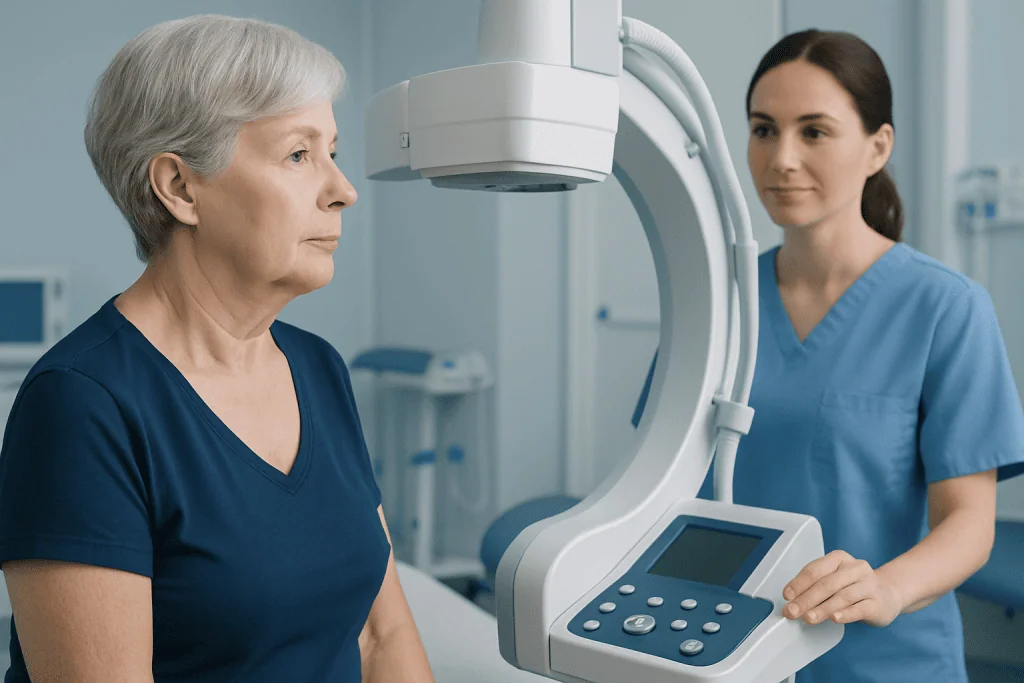
Turkey neck usually develops gradually. A person may first notice that the angle between the chin and neck looks less defined, or that the skin under the jaw appears crepey. In brighter light or profile view, the neck may look fuller, looser, or more folded than before.
Common features include:
- Loose or hanging skin under the chin
- Fine lines, wrinkles, or a crepey texture on the neck
- Loss of jawline definition
- Fullness from fat beneath the chin
- Vertical cords or bands, especially when speaking or tensing the neck
- Skin that feels thinner or less elastic than in earlier years
Most people do not have pain or physical symptoms from turkey neck itself. However, the appearance can affect self-confidence, especially when the face still looks relatively youthful but the neck does not. Because the neck ages differently from the face, this mismatch is a common reason people ask for professional advice.
It is important to remember that not every neck contour change is turkey neck. A neck lump, thyroid enlargement, inflamed lymph node, sudden swelling, or skin rash may point to a different condition that needs medical evaluation.
Why it happens: the anatomy behind neck aging
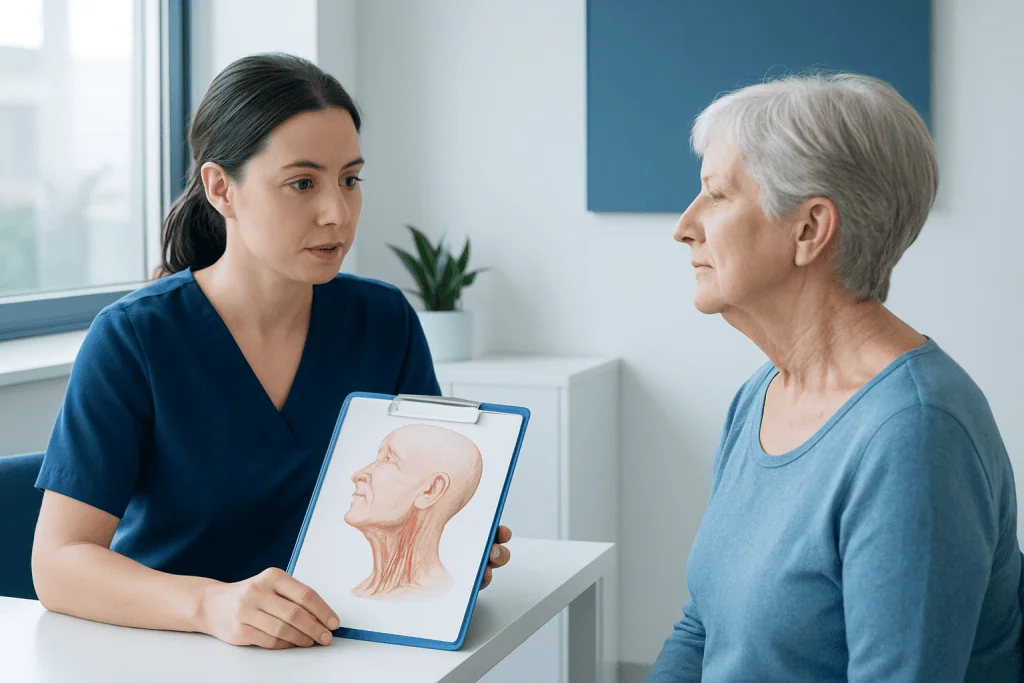
Turkey neck develops because several tissues change together. The skin becomes thinner and less resilient with age as collagen and elastin decrease. Sun exposure can accelerate this process by damaging connective tissue, leading to wrinkles, pigment changes, and earlier laxity. The neck is particularly vulnerable because it is often exposed to ultraviolet light but may be less consistently protected than the face.
Below the skin, soft tissue and muscle also contribute. The platysma is a thin sheet-like muscle in the front of the neck. Over time, its edges can separate and become more visible as vertical bands. At the same time, fat under the chin may become more prominent, or deeper structural support may lessen, making the lower face and neck look heavier.
Genetics play a large role. Some people naturally have a shorter chin, a softer jawline, thinner skin, or a tendency to collect fullness under the chin even at a healthy weight. Weight gain can increase submental fullness, while major weight loss can leave extra skin that is more obvious afterward. In this way, turkey neck is not simply a sign of “getting old”; it reflects each person’s inherited anatomy plus environmental factors over time.
Risk factors and common myths
Several factors make turkey neck more likely or more noticeable. Age is the strongest factor, but lifestyle and medical history matter too. Smoking, repeated sun exposure, dehydration, and poor general skin care can worsen the quality of neck skin. Large weight fluctuations may stretch tissues and reduce skin rebound. Posture may influence how someone notices neck lines, but it is not considered a sole cause of true skin laxity.
Common risk factors include:
- Natural aging and menopause-related skin changes
- Chronic sun exposure or tanning
- Smoking or nicotine use
- Genetic tendency toward a less defined jawline or thinner skin
- Weight gain, obesity, or major weight loss
- Previous neck procedures or scarring
Many myths about turkey neck are misleading. One myth is that neck exercises alone can tighten loose skin. While muscle tone may support posture and strength, exercise does not replace collagen loss or remove extra skin. Another myth is that expensive creams can mimic surgery. Topical products may improve dryness or texture, but they cannot reliably correct marked banding or significant laxity. A realistic assessment is more useful than marketing claims.
How doctors assess turkey neck
Evaluation begins with a physical examination of the neck, chin, jawline, and skin quality. A clinician usually looks at whether the main problem is skin laxity, excess fat, platysmal banding, or a combination of these. The position of the hyoid bone, chin projection, and overall facial balance may also affect treatment planning because neck contour is closely linked to the lower face.
The doctor may ask about age-related changes, weight history, smoking, sun exposure, previous cosmetic procedures, and general health. If a person reports pain, trouble swallowing, thyroid symptoms, or a fast-growing lump, the assessment shifts from cosmetic aging to possible medical causes. In these cases, imaging or referral may be needed to rule out other problems.
Sometimes neck changes overlap with conditions such as goiter or skin disorders affecting the area, so a correct diagnosis matters. If there is concern about a mass, asymmetry, or gland-related swelling, the clinician may recommend further workup rather than cosmetic treatment first. This step helps make treatment safer and more appropriate.
Treatment options: from skin care to procedures
Treatment depends on what is causing the appearance. If the main concern is mild texture change or early crepiness, a conservative plan may include daily sunscreen, moisturizers, and topical ingredients often used for photoaging, such as retinoid-based products if medically suitable. These measures can support skin quality, but they usually offer gradual and modest improvement rather than dramatic tightening.
When fullness under the chin is more important than loose skin, targeted procedures may help. For selected patients, doctors may discuss options that reduce localized fat or improve contour. If a fuller neck is related to body weight, a broader weight-management strategy can also be relevant, though weight loss does not always tighten already-stretched skin. In people with obesity-related concerns, obesity surgery may be part of overall health care, but it is not a direct treatment for turkey neck.
Minimally invasive treatments may be considered for mild to moderate laxity or banding. Depending on anatomy, clinicians may discuss energy-based skin tightening, injectable treatment for platysmal bands, or other office-based procedures. Results vary, and these methods generally work best in earlier stages when there is still some skin elasticity.
For more advanced skin laxity, a surgical approach may provide the most noticeable and durable change. Surgery can address loose skin, neck muscle banding, and contour at the same time, often through techniques grouped under plastic surgery. In some cases, neck improvement is planned together with face lift procedures to create a more balanced result between the face and neck. A qualified specialist explains expected benefits, limitations, scars, recovery, and suitability for each person.
Prevention and self-care that are evidence-based
Turkey neck cannot always be prevented, because genetics and natural aging are powerful influences. However, some habits can reduce avoidable skin damage and may delay visible changes. The most consistently supported step is sun protection. Applying broad-spectrum sunscreen to the neck and chest, wearing protective clothing, and limiting deliberate tanning can help preserve collagen over time.
Smoking avoidance is another important measure because tobacco accelerates skin aging and impairs tissue quality. Maintaining a stable weight may also help reduce stretching from repeated gain and loss. Skin care cannot stop aging, but gentle cleansing, regular moisturizing, and clinically appropriate active ingredients may improve texture and dryness.
Practical self-care steps include:
- Use sunscreen on the neck every day, not only on the face
- Avoid smoking and secondhand smoke exposure
- Try to keep weight relatively stable
- Stay physically active for overall health and posture
- Use skin products consistently and with realistic expectations
- Seek expert advice before trying unproven devices or aggressive treatments at home
People interested in treatment often benefit from an individualized review rather than relying on trends or before-and-after photos online. Near the end of the treatment journey, some international patients choose centers such as Acibadem International, where multidisciplinary specialists in JCI-accredited hospitals assess neck aging and discuss suitable options according to anatomy and general health.
When to seek medical care
Turkey neck itself is usually not urgent, but a medical review is appropriate when the appearance changes in an unusual way or is accompanied by symptoms. A person should seek professional evaluation if there is a new neck lump, pain, redness, warmth, rapidly increasing swelling, difficulty swallowing, voice changes, or asymmetry that developed suddenly. These features may suggest something other than routine skin laxity.
It is also sensible to see a doctor if self-care has not helped and the concern is affecting well-being, confidence, or quality of life. A specialist can explain whether the issue is mainly skin, fat, muscle, or another structure and can outline realistic next steps. If there are concerns about skin lesions on the neck, assessment by a relevant specialist may be needed, especially if a spot changes in color, size, or shape.
For people considering procedures, consultation is important before committing to treatment. A proper assessment helps identify who may benefit from conservative care, office-based procedures, or surgery, and who first needs evaluation for another underlying condition.
Frequently asked questions
Is turkey neck a medical condition?
Turkey neck is not a formal medical diagnosis. It is a common term for loose neck skin, soft tissue fullness, and sometimes visible muscle bands. In most cases it is a cosmetic aging change, but unusual swelling or a lump should be assessed by a doctor.
Can exercise get rid of turkey neck?
Exercise may support general fitness and posture, but it does not remove extra skin or reliably tighten advanced laxity. If the main issue is skin looseness, muscle exercises alone are unlikely to produce major visible change. Treatment needs depend on whether the problem is skin, fat, muscle banding, or a combination.
Do creams work for turkey neck?
Creams can help with dryness, texture, and some signs of sun damage, especially when used consistently. However, they do not usually reverse moderate or severe sagging skin. A doctor can explain whether topical care is reasonable on its own or whether a procedure would be more effective.
What causes vertical bands in the neck?
Vertical bands are commonly related to the platysma muscle becoming more visible with age. They can appear when the muscle edges separate or tighten during facial movement or speech. Some people are genetically more prone to noticeable banding than others.
Can weight loss fix turkey neck?
Weight loss may reduce fullness under the chin in some people, particularly if excess fat is a major part of the problem. However, if the skin has already stretched, weight loss may make looseness more noticeable rather than less. This is why treatment planning often depends on skin elasticity as well as body weight.
When is surgery considered for turkey neck?
Surgery is usually considered when there is significant loose skin, marked banding, or contour change that non-surgical options are unlikely to improve enough. It may provide the most noticeable correction for advanced neck aging. A specialist will review goals, recovery, scars, and overall suitability before recommending it.
References
- American Academy of Dermatology
- American Society of Plastic Surgeons
- National Institute on Aging
- Mayo Clinic
- World Health Organization
This article is for general information only and is not a substitute for professional medical advice. Please consult a qualified doctor about your individual situation.
Explore treatments in Turkey — costs, top hospitals & a free quote
JCI-accredited · board-certified surgeons · reply within 24h

More from the Health Library


Related Specialists
Assoc. Prof. Dr. Muhammet Ahmet Karakaya
Anesthesiology
Dr. Mahmut Hakan Ertürk
Physical Medicine & Rehabilitation
Dr. Mohammad Sevimli
Anesthesiology
Prof. Dr. Gülsan Sucak
Hematology