

Nodules Anus — Explained by Medical Evidence, Not Myths

A lump near the anus can have several causes, including hemorrhoids, skin tags, abscesses, warts, fissures, and less commonly tumors. Pain, bleeding, swelling, discharge, itching, or fever can help point to the cause and whether urgent care is needed.
Key Takeaways
- A lump near the anus can have several causes, including hemorrhoids, skin tags, abscesses, warts, fissures, and less commonly tumors.
- Pain, bleeding, swelling, discharge, itching, or fever can help point to the cause and whether urgent care is needed.
- Diagnosis often involves a medical history, physical examination, and sometimes anoscopy or other tests.
- Treatment depends on the cause and may include self-care, medicines, drainage of an abscess, or minor procedures.
- Any new, persistent, growing, or bleeding anal nodule should be evaluated by a qualified doctor.
Medically reviewed by the Acıbadem International Medical Board — July 23, 2026
Nodules anus usually means one or more lumps in or around the anal area. These lumps are often caused by common conditions such as hemorrhoids, skin tags, or irritation, but a proper medical assessment is important because some causes need treatment and a few may require urgent care.
What does “nodules anus” mean?
The phrase “nodules anus” is commonly used to describe lumps, bumps, or small swellings in or around the anus. It is not a diagnosis by itself. Instead, it is a symptom or physical finding that can be linked to several different conditions, some minor and some needing prompt medical care.
In many people, these nodules are caused by enlarged hemorrhoids, anal skin tags, or irritation after constipation and straining. Other possibilities include an infection such as a perianal abscess, anal warts, inflamed glands, or changes related to inflammatory bowel disease. Less often, a persistent anal lump may be related to a precancerous or cancerous condition.
Because different causes can look similar, it is not always possible to identify the problem accurately at home. A careful examination helps distinguish a harmless skin tag from a painful clot in a hemorrhoid, an abscess, or another condition such as hemorrhoids.
Common symptoms that can occur with anal nodules
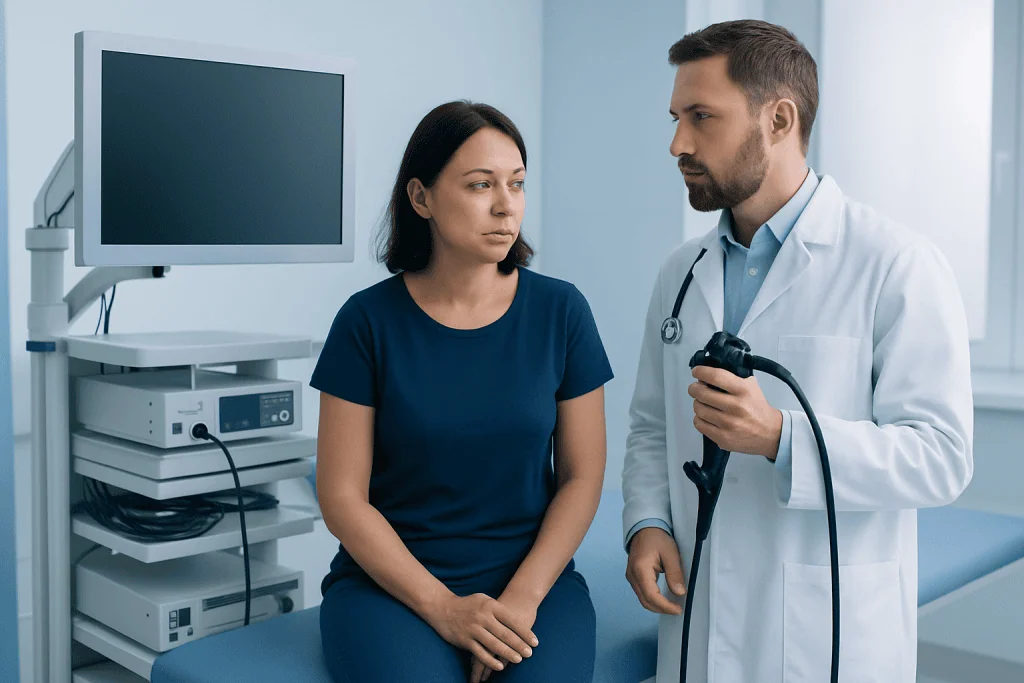
Anal nodules may feel soft, firm, tender, or rubbery. Some are painless and noticed only during washing or after a bowel movement. Others cause discomfort when sitting, walking, or passing stool.
Associated symptoms often give helpful clues. Bright red bleeding with bowel movements may happen with hemorrhoids or fissures. Itching and moisture can occur with skin irritation, warts, or external hemorrhoids. A painful swollen lump that appeared suddenly may suggest a thrombosed external hemorrhoid, while constant pain with fever can suggest an abscess.
People should pay attention to symptoms such as:
- Pain or tenderness around the anus
- Bleeding on toilet paper or in the toilet
- Itching, burning, or irritation
- Swelling or a sensation of fullness
- Discharge, pus, or a bad odor
- Fever or feeling unwell
- Change in bowel habits or unexplained weight loss
Although symptoms can overlap, severe pain, pus, fever, or rapidly increasing swelling should not be ignored. These signs may point to infection or another condition that requires urgent treatment.
Possible causes of lumps in or around the anus
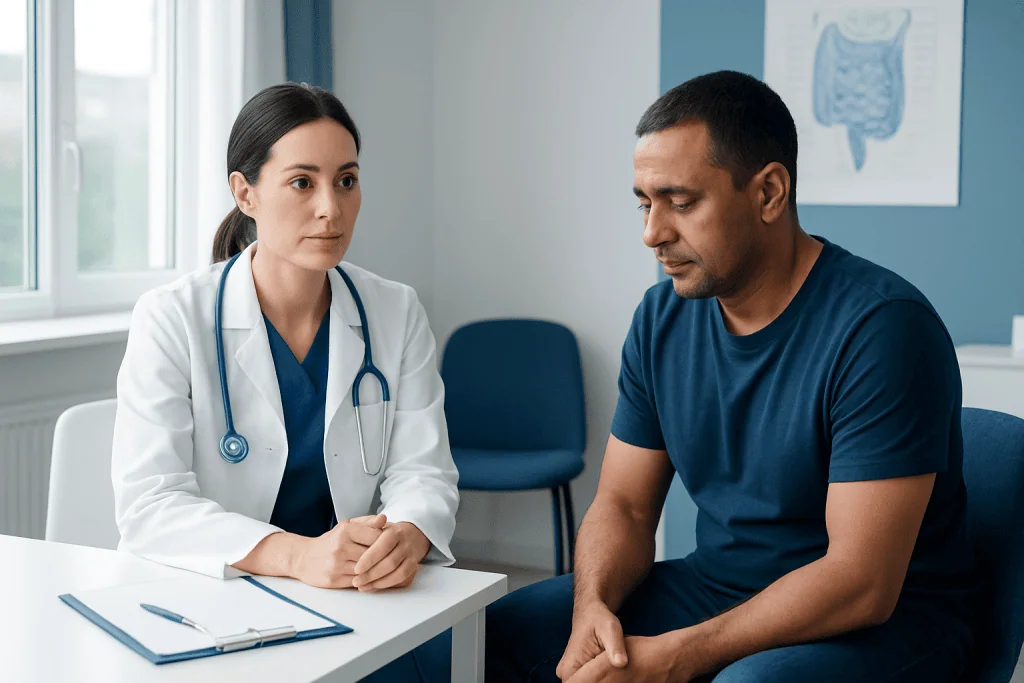
Several common anorectal conditions can produce a nodule or bump. External hemorrhoids are swollen veins near the anal opening. When a blood clot forms inside one, it can become hard, bluish, and very painful. Skin tags are another frequent cause. These are soft folds of skin that may remain after a hemorrhoid heals or after repeated irritation.
Anal fissures can also lead to a small tender lump, sometimes called a sentinel tag, near a tear in the anal lining. Perianal abscesses happen when an infection develops in tissue or glands around the anus. These are usually painful, warm, swollen, and sometimes associated with fever. Anal warts caused by human papillomavirus may appear as multiple small growths.
Inflammatory bowel disease, especially Crohn’s disease, can cause swelling, skin tags, fissures, fistulas, or abscesses around the anus. Other less common causes include cysts, prolapsed tissue, inflamed hair follicles, and benign tumors. A small number of anal or rectal cancers can first appear as a persistent lump, bleeding, pain, or nonhealing sore.
Because there are many possibilities, a lump that does not settle, keeps returning, or changes over time deserves medical review rather than self-diagnosis.
Risk factors and what can make symptoms worse
Constipation and straining are among the most common factors linked to anal lumps, especially hemorrhoids and fissures. Hard stools, sitting on the toilet for long periods, low fluid intake, and a low-fiber diet can all increase pressure and irritation in the anal area.
Pregnancy, heavy lifting, obesity, chronic diarrhea, and prolonged sitting may also contribute. Repeated friction, poor local hygiene, or sensitive skin can worsen itching and swelling. Infections are more likely when there are small breaks in the skin, blocked glands, or certain immune-related conditions.
Some anal nodules are linked to sexually transmitted infections, especially anal warts. Others occur in people with inflammatory bowel disease or prior anorectal surgery. Older age, smoking, or a personal history of HPV-related disease may increase concern for more serious causes, though benign conditions remain much more common.
Understanding these factors can help reduce recurrence, but they do not replace a diagnosis. Even when a common cause seems likely, persistent symptoms should still be discussed with a doctor.
How doctors diagnose the cause
Diagnosis begins with a detailed history. A doctor will usually ask when the lump appeared, whether it is painful, whether there is bleeding or discharge, and whether symptoms are linked to bowel movements. Questions about constipation, diarrhea, fever, weight loss, sexual history when relevant, and previous anorectal problems may also help guide the assessment.
A physical examination is often the key step. This may include inspection of the skin around the anus and, when appropriate, a gentle digital rectal examination. In some cases, the doctor may use a small instrument called an anoscope to look just inside the anal canal. This can help identify internal hemorrhoids, fissures, inflammation, or other abnormalities.
If there are warning signs or unclear findings, further tests may be advised. These can include swabs for infection, blood tests, biopsy of a suspicious lesion, or endoscopic evaluation of the rectum and colon. Imaging may be used when a deeper abscess or fistula is suspected. If needed, evaluation can be coordinated through services such as colonoscopy or gastroenterology care.
A precise diagnosis matters because treatment for a hemorrhoid is very different from treatment for an abscess, wart, fissure, or tumor. Accurate identification helps avoid delay and unnecessary home remedies.
Treatment options based on the cause
Treatment depends entirely on what the nodule actually is. Hemorrhoids may improve with more fiber, good hydration, avoiding straining, warm sitz baths, and short-term use of doctor-recommended creams or suppositories. A thrombosed external hemorrhoid may need in-office treatment if pain is severe and symptoms started recently. Some people with recurring hemorrhoids may benefit from procedural care such as hemorrhoid treatment.
Skin tags usually do not need treatment unless they cause hygiene difficulties, repeated irritation, or discomfort. Fissures are often managed by softening stools, reducing strain, and using prescribed topical medicines when needed. Abscesses, however, usually require prompt drainage by a clinician; antibiotics alone are often not enough.
Anal warts may be treated with topical therapies or minor procedures. If a fistula, inflammatory bowel disease, or suspicious growth is found, treatment becomes more specialized. In some cases, multidisciplinary assessment is needed, especially if symptoms overlap with conditions such as anal fissure or chronic bowel disease.
Self-treatment without knowing the cause can sometimes make symptoms worse, particularly if steroid creams are overused or an infection is present. For that reason, patients are usually advised to seek medical guidance before using repeated over-the-counter products for a new or unexplained anal lump.
Self-care, prevention, and everyday measures
Many anal problems can be eased or prevented with simple daily habits. The main goals are to reduce pressure during bowel movements, keep stools soft, and avoid irritation of the skin. A balanced diet with adequate fiber from fruits, vegetables, legumes, and whole grains is often helpful, along with enough water throughout the day.
Regular physical activity can support healthy bowel function. It also helps to respond to the urge to have a bowel movement rather than delaying it. Long sessions sitting on the toilet should be avoided, as they can increase pressure on anal veins. Gentle cleaning with water or soft unscented tissue is usually better than vigorous wiping.
Helpful self-care steps may include:
- Warm sitz baths for comfort
- Preventing constipation with diet and medical advice when needed
- Avoiding straining and heavy lifting during flare-ups
- Wearing breathable underwear and keeping the area dry
- Avoiding perfumed wipes or harsh soaps if the skin is irritated
These measures may improve symptoms, but they should not delay assessment if a lump is painful, bleeding, enlarging, or persistent.
When to seek medical care
Medical care should be sought if a new anal nodule lasts more than a short time, recurs repeatedly, or causes concern. Evaluation is especially important if there is bleeding, notable pain, discharge, or a lump that feels firm and does not improve.
Urgent medical care is recommended if there is fever, pus, spreading redness, severe constant pain, difficulty sitting or passing stool, or rapidly increasing swelling. These features can suggest an abscess or another problem that needs prompt treatment.
Anyone with unexplained weight loss, change in bowel habits, anemia, black stools, or a personal or family history that raises concern for colorectal disease should also be assessed without delay. Near the end of the care pathway, it may be reassuring to know that Acibadem International’s multidisciplinary specialists and JCI-accredited hospitals diagnose and treat anorectal conditions for international patients, including evaluation through general surgery when appropriate.
Frequently asked questions
Are nodules anus usually serious?
Not usually. Many anal nodules are caused by common, noncancerous problems such as hemorrhoids, skin tags, fissures, or irritation. However, a persistent, painful, growing, or bleeding lump should be checked by a doctor to confirm the cause.
Can hemorrhoids feel like a hard lump?
Yes. An external hemorrhoid can feel like a soft or swollen lump, and if a clot forms inside it, it may feel firm and become very painful. Because other conditions can feel similar, a proper examination is still useful.
What is the difference between an anal skin tag and a hemorrhoid?
A skin tag is a soft extra fold of skin, often painless unless irritated. A hemorrhoid is an enlarged vein that may swell, bleed, itch, or hurt, especially during flare-ups. Sometimes a skin tag remains after a hemorrhoid has healed.
Should a painful lump near the anus be treated at home?
Mild symptoms may improve with warm baths, hydration, and avoiding constipation. But a very painful lump, especially with fever, redness, or discharge, should not be managed at home alone because it could be an abscess or thrombosed hemorrhoid.
Can constipation cause nodules around the anus?
Yes. Constipation and straining can contribute to hemorrhoids, fissures, and irritation that may lead to swelling or small lumps. Preventing hard stools is one of the most important steps in reducing recurrence.
When should someone worry about an anal lump?
A doctor should assess any lump that is new, persistent, enlarging, firm, repeatedly bleeding, or associated with weight loss or changes in bowel habits. Urgent care is needed if there is severe pain, fever, pus, or rapidly worsening swelling.
References
- National Institute of Diabetes and Digestive and Kidney Diseases
- American Society of Colon and Rectal Surgeons
- Mayo Clinic
- National Health Service
- World Health Organization
This article is for general information only and is not a substitute for professional medical advice. Please consult a qualified doctor about your individual situation.
Explore treatments in Turkey — costs, top hospitals & a free quote
JCI-accredited · board-certified surgeons · reply within 24h

More from the Health Library


Related Specialists

Dr. Nesrin Yılmaz Baıramov
Physical Medicine and Rehabilitation
Prof. Dr. Mehmet Akif Somdaş
Otorhinolaryngology
Dr. Sertaç Esin
Acibadem Life Clinical Service
Dr. Samprie Ouzoun
Cardiology