Tendinopathy: Symptoms, Causes, and Treatment Options

Tendinopathy affects a tendon and commonly causes pain during movement, stiffness, and reduced strength. It often develops when tendon load increases faster than the tissue can adapt, especially with repetitive activity.
Key Takeaways
- Tendinopathy affects a tendon and commonly causes pain during movement, stiffness, and reduced strength.
- It often develops when tendon load increases faster than the tissue can adapt, especially with repetitive activity.
- Diagnosis is usually based on symptoms and physical examination; imaging is used selectively.
- Treatment typically focuses on guided exercise, load management, pain relief, and correction of contributing factors.
- Persistent, worsening, or sudden severe symptoms should be assessed by a qualified doctor.
Medically reviewed by the Acıbadem International Medical Board — July 23, 2026
Tendinopathy is a broad term for pain, stiffness, and reduced function in a tendon, usually related to overuse, repeated strain, or a sudden increase in activity. Most cases improve with the right combination of activity modification, exercise-based rehabilitation, and medical evaluation when symptoms persist.
Overview: what tendinopathy means
Tendinopathy is a common tendon problem that causes pain and reduced performance in a specific area of the body, such as the shoulder, elbow, wrist, hip, knee, or ankle. It is not a single disease but a general term used for tendon conditions linked to irritation, overload, and changes in tendon structure over time. Many people hear older terms such as “tendonitis,” but tendinopathy is often more accurate because long-lasting tendon pain does not always involve active inflammation alone.
Tendons are strong bands of tissue that connect muscles to bones. They help transfer force, making movement possible during walking, lifting, reaching, jumping, and many daily tasks. When a tendon is exposed to more load than it can tolerate or recover from, it may become painful and less efficient. This can happen in athletes, active adults, and people whose work involves repetitive motions.
Common examples include Achilles tendinopathy at the back of the heel, patellar tendinopathy below the kneecap, rotator cuff tendinopathy in the shoulder, and tennis elbow around the outer part of the elbow. Some people also have related shoulder conditions such as rotator cuff problems, which may need careful evaluation because symptoms can overlap.
Symptoms and how they may affect daily life
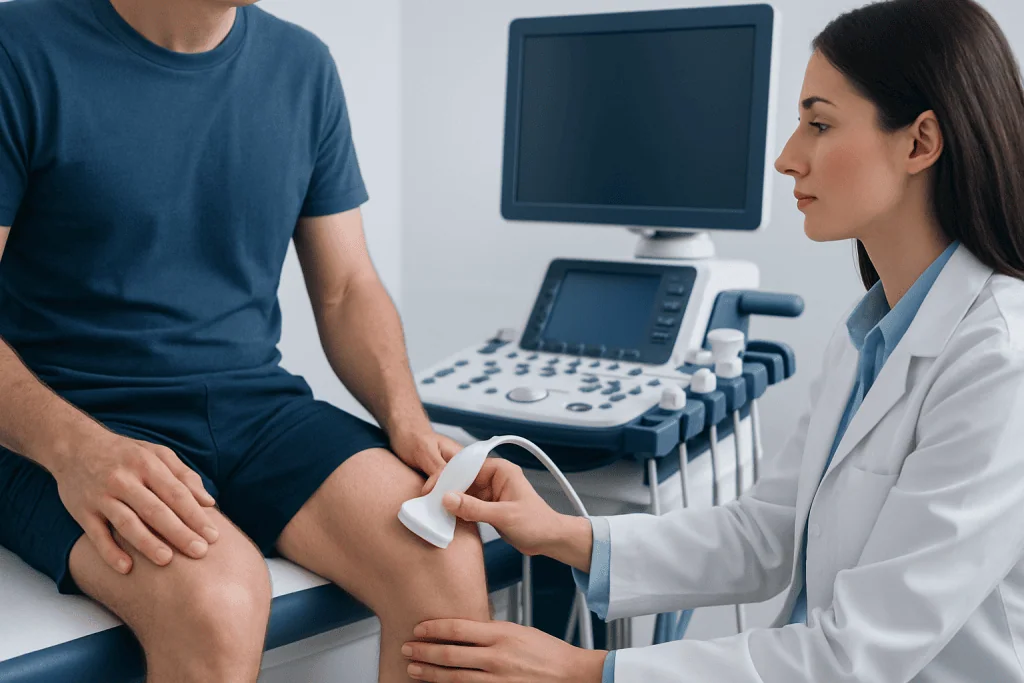
The main symptom of tendinopathy is pain in or around a tendon, especially during movement or after activity. The discomfort may begin gradually and feel mild at first, then become more noticeable with exercise, lifting, climbing stairs, gripping, or prolonged walking. In some cases, pain eases once the body warms up, only to return later.
Stiffness is also common, particularly after rest or first thing in the morning. Some people notice localized tenderness when pressing on the tendon, reduced strength, or a sense that the affected area is not performing as usual. Swelling may be present in some cases, but it is not always obvious.
Symptoms vary depending on the tendon involved. For example, shoulder tendinopathy can make reaching overhead difficult, while Achilles tendinopathy may cause pain during running or when pushing off the foot. Patellar tendinopathy often affects jumping, squatting, or climbing stairs. Over time, untreated symptoms can interfere with work, sports, sleep, and general mobility.
- Pain during or after repeated activity
- Stiffness after inactivity
- Tenderness over the tendon
- Reduced strength or endurance
- Difficulty with sports or daily tasks
Why tendinopathy happens: causes and risk factors
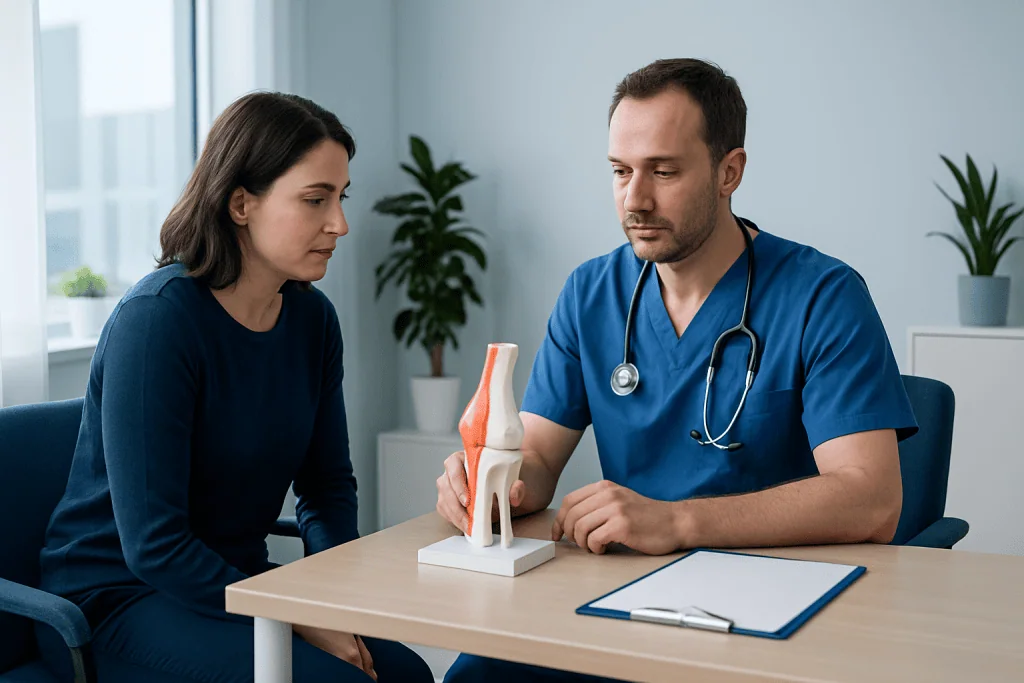
Tendinopathy usually develops when tendon loading exceeds the tendon’s ability to recover and adapt. This may happen after a sudden increase in training, a new exercise program, repetitive occupational tasks, or returning to activity too quickly after a break. The issue is often not a single movement but the cumulative effect of repeated strain over time.
Several personal and mechanical factors can contribute. Muscle weakness, limited flexibility, poor movement patterns, and inadequate recovery can all increase stress on a tendon. Age also matters because tendons can become less resilient over time. Footwear, training surfaces, equipment changes, and technique may play a role, especially in runners and athletes.
General health factors can affect tendon health as well. Conditions such as diabetes, inflammatory disorders, obesity, and some cholesterol problems may be associated with tendon symptoms. Certain medications, especially some antibiotics and corticosteroid exposure in specific settings, can also influence tendon integrity. In other cases, tendon pain exists alongside nearby joint or soft-tissue problems, and doctors may assess for conditions such as arthritis if symptoms suggest a broader joint cause.
Importantly, tendinopathy is not always caused by exercise alone. People who spend long hours typing, lifting, using tools, or performing repeated arm or leg movements may develop symptoms even without sports participation. Understanding the full pattern of loading often helps guide effective treatment.
How doctors diagnose tendinopathy
Diagnosis usually begins with a detailed medical history and physical examination. A doctor will ask when symptoms started, what movements make them worse, whether there was a recent change in activity, and how the problem affects daily life. The location of pain, the pattern of stiffness, and the presence of weakness or loss of function provide important clues.
During the examination, the doctor may press on the tendon, test range of motion, and assess strength, balance, or movement mechanics. In many cases, this clinical assessment is enough to diagnose tendinopathy and plan treatment. The goal is not only to confirm tendon involvement but also to identify contributing factors that may be keeping the tendon irritated.
Imaging is sometimes helpful, especially if the diagnosis is uncertain, symptoms are severe, or recovery is slower than expected. Ultrasound can show tendon thickening or structural changes, while MRI may be used in more complex cases or when a tear is suspected. If symptoms involve the shoulder, ultrasound or MRI may help distinguish tendinopathy from a more significant injury that could require rotator cuff repair. Imaging findings are interpreted together with symptoms because structural changes alone do not always match pain levels.
Treatment options: restoring tendon health and function
The most effective treatment for tendinopathy usually centers on load management and progressive exercise. This means adjusting activities enough to calm symptoms without complete unnecessary rest, then gradually rebuilding tendon capacity. A physical therapist or rehabilitation specialist may design a program that includes isometric, eccentric, or heavy slow resistance exercises, depending on the tendon involved and the person’s goals.
Pain relief measures can support recovery. These may include short-term use of doctor-approved pain relievers, ice after aggravating activity, and temporary changes in training or work tasks. Braces, heel lifts, taping, or orthotics may be helpful in selected cases, but they usually work best as part of a broader rehabilitation plan rather than as a stand-alone solution.
If symptoms persist, doctors may consider additional options based on the location and severity of the problem. These can include supervised rehabilitation, image-guided procedures, or treatment for associated problems in nearby joints and soft tissues. In some situations, surgery is considered when there is substantial tendon damage, a tear, or prolonged failure of non-surgical care. Depending on the tendon and the underlying cause, related procedures such as arthroscopic knee surgery or shoulder surgery may be discussed.
Recovery often takes time. Tendons usually improve gradually over weeks to months rather than days. A steady, structured program is generally more helpful than repeatedly stopping and restarting activity. The best results often come from treating the tendon and the reason it became overloaded in the first place.
Prevention and self-care strategies
Preventing tendinopathy is largely about balancing activity and recovery. Sudden increases in running distance, weight training intensity, or repetitive work should be avoided when possible. A gradual progression allows tendons to adapt more effectively. Warm-up routines, strength training, and good technique can also reduce unnecessary strain.
Self-care starts with noticing early warning signs. Mild tendon pain after a new activity does not always mean serious injury, but persistent symptoms should not be ignored. Reducing aggravating movements for a short period while staying generally active is often more useful than complete immobilization. A structured home exercise plan, when guided by a clinician, can help maintain function and support recovery.
Supportive habits matter too. Good sleep, balanced nutrition, healthy body weight, and management of long-term conditions such as diabetes can all support tendon health. Proper footwear, ergonomic work adjustments, and regular breaks during repetitive tasks may lower the risk of recurrence.
- Increase training or workload gradually
- Build strength in the affected area and nearby muscle groups
- Allow rest and recovery between demanding sessions
- Address technique, posture, and equipment issues
- Seek advice early if tendon pain keeps returning
When to seek medical care
Medical assessment is important if tendon pain lasts more than a few weeks, keeps returning, or begins to limit everyday activities. A doctor should also evaluate symptoms that are worsening despite rest or self-care, as this may signal a more persistent tendon problem or another condition with similar symptoms.
Prompt care is especially important if there is sudden severe pain, a snapping or popping sensation, marked weakness, visible deformity, or inability to bear weight or use the limb normally. These features can suggest a significant tear or another injury that needs urgent evaluation.
People with fever, redness, major swelling, unexplained symptoms, or a history of inflammatory disease should also be assessed. Near the end of a patient’s care pathway, multidisciplinary specialists may be involved if symptoms are complex or prolonged. Acibadem International’s multidisciplinary specialists in JCI-accredited hospitals diagnose and treat tendon conditions for international patients, including rehabilitation and surgical care when appropriate.
Frequently asked questions
Is tendinopathy the same as tendonitis?
Not exactly. Tendinopathy is a broader term for tendon pain and impaired function, while tendonitis usually implies active inflammation. Many ongoing tendon problems involve overload and tissue changes rather than inflammation alone.
Can tendinopathy heal on its own?
Mild cases may improve with reduced strain and sensible self-care. However, persistent symptoms often recover better with a structured rehabilitation plan, because complete rest alone may not restore tendon strength and capacity.
How long does tendinopathy take to get better?
Recovery time varies by tendon, severity, and how long symptoms have been present. Some people improve within weeks, while others need several months of guided exercise and gradual return to activity.
Should a person exercise with tendinopathy?
In many cases, yes, but the type and amount of exercise matter. Controlled, progressive loading is often part of treatment, while painful or high-impact activities may need to be reduced temporarily.
Do all tendon problems need imaging?
No. Many cases can be diagnosed through history and physical examination alone. Imaging is usually reserved for unclear cases, severe symptoms, suspected tears, or symptoms that do not improve as expected.
When is surgery considered for tendinopathy?
Surgery is usually not the first treatment. It may be considered when symptoms are long-lasting, function is significantly limited, non-surgical treatment has failed, or there is a substantial tendon tear.
References
- American Academy of Orthopaedic Surgeons
- National Institute of Arthritis and Musculoskeletal and Skin Diseases
- National Health Service
- American Physical Therapy Association
- Mayo Clinic
This article is for general information only and is not a substitute for professional medical advice. Please consult a qualified doctor about your individual situation.
Explore treatments in Turkey — costs, top hospitals & a free quote
JCI-accredited · board-certified surgeons · reply within 24h