Wim Hof Breathing: What Patients Need to Know

Wim Hof breathing involves repeated deep breathing followed by holding the breath and then taking a recovery breath. The method may temporarily change oxygen and carbon dioxide levels, which can lead to lightheadedness, tingling, and feelings of altered awareness.
Key Takeaways
- Wim Hof breathing involves repeated deep breathing followed by holding the breath and then taking a recovery breath.
- The method may temporarily change oxygen and carbon dioxide levels, which can lead to lightheadedness, tingling, and feelings of altered awareness.
- It should never be practiced in water, while driving, or in any place where fainting could cause injury.
- People with heart, lung, neurological, or mental health conditions should speak with a doctor before trying it.
- Breathing exercises can support well-being, but they do not replace medical treatment for anxiety, breathing problems, pain, or chronic disease.
Medically reviewed by the Acıbadem International Medical Board — July 23, 2026
Wim Hof breathing is a deliberate breathing technique that combines cycles of deep breaths, breath retention, and recovery breaths. Some people use it for relaxation and focus, but it can cause dizziness, tingling, fainting, and other problems, so it should be approached carefully and is not appropriate for everyone.
Overview: What is Wim Hof breathing?
Wim Hof breathing is a structured breathing practice that uses repeated rounds of deep, fast breaths followed by holding the breath after exhaling, then taking a recovery breath. It is often discussed alongside cold exposure and mindset training, but the breathing method itself is the part most people try first. Patients commonly ask whether it is safe, whether it improves health, and whether it can help with stress or energy.
In simple terms, the technique changes normal breathing patterns on purpose. That can produce noticeable body sensations such as tingling in the hands or face, lightheadedness, warmth, or a temporary sense of calm or alertness. These effects happen because breathing influences blood gases and the nervous system. For some people, that feels manageable. For others, it can be unpleasant or unsafe.
It is important to understand that Wim Hof breathing is not a medical treatment in itself. It should not replace evaluation for symptoms such as chest pain, panic symptoms, fainting, shortness of breath, or unexplained fatigue. If someone is seeking breathing-based support for stress, sleep, or general wellness, a doctor or qualified clinician can help identify safer and more suitable approaches based on their health history.
How the method affects the body
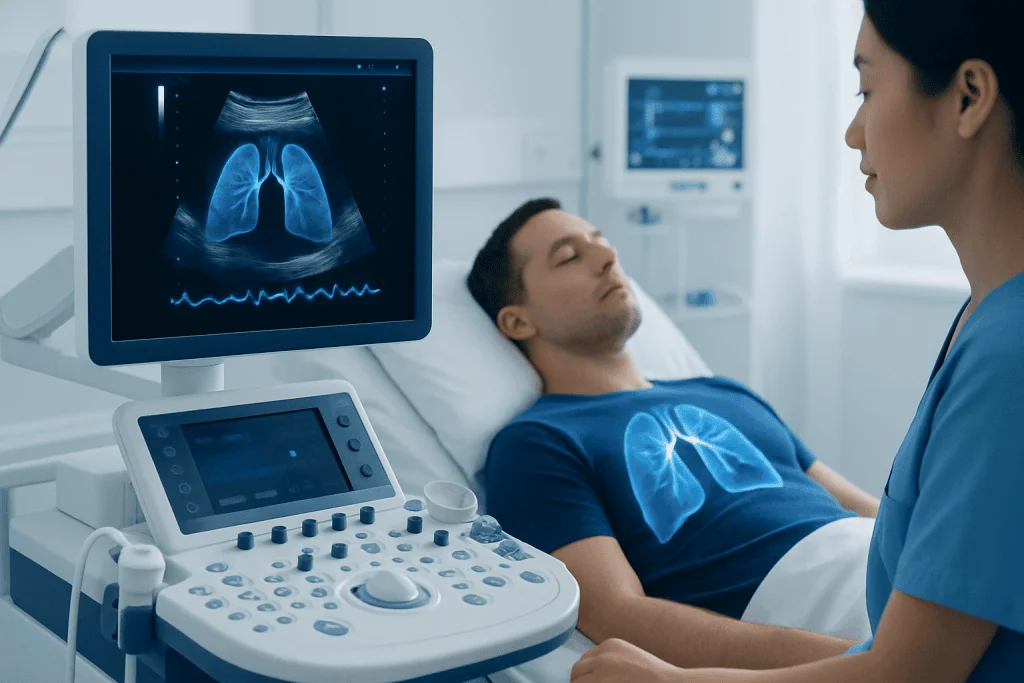
During repeated deep breathing, a person breathes off more carbon dioxide than usual. This can temporarily lower carbon dioxide levels in the blood, a state sometimes associated with hyperventilation. Carbon dioxide is important for helping regulate breathing and blood vessel tone, so a sudden change can create symptoms even in otherwise healthy people.
Common short-term effects include dizziness, tingling, visual changes, ringing in the ears, muscle tightness, or feeling unusually light or detached. Some people interpret these sensations as a positive response, while others may find them distressing. A breath hold that follows can also feel intense, especially for people with anxiety, respiratory sensitivity, or a history of panic attacks.
There is growing interest in how breathing techniques influence stress pathways, heart rate, and attention. However, interest is not the same as proof for broad medical benefit. Breathing practices can be useful tools within a healthy lifestyle, but claims that one method can detoxify the body, cure disease, or replace standard care are not supported by reliable clinical evidence.
Possible benefits and what the evidence shows
Some people report that Wim Hof breathing helps them feel more focused, more energized, or calmer afterward. Others use it as part of a routine for stress management, meditation, or resilience training. These perceived benefits may be related to concentrated attention, controlled breathwork, and the body’s short-term response to altered breathing.
From a medical perspective, it is reasonable to say that structured breathing practices may help some people become more aware of their breathing patterns and stress responses. That can be helpful for relaxation in selected individuals. Similar goals are often addressed through slower, gentler breathing techniques that may be easier for beginners and safer for people with underlying conditions.
Evidence for Wim Hof breathing specifically is still limited and does not support using it as a stand-alone treatment for medical conditions. People with ongoing symptoms such as wheezing, chronic cough, unexplained breathlessness, or repeated chest tightness should be evaluated for conditions such as asthma or other cardiopulmonary causes rather than relying on self-guided breathwork.
- Possible reported benefits: temporary relaxation, alertness, focus, stress awareness
- Less certain or unproven claims: disease treatment, detoxification, immune cure, replacement for medication
- Best approach: view it as an optional wellness practice, not as a substitute for diagnosis or treatment
Risks, side effects, and who should avoid it
The main safety concern with Wim Hof breathing is loss of consciousness or impaired awareness. Because the technique can cause marked lightheadedness, it should never be practiced in water, in a bath, while swimming, while driving, while cycling, or while standing in a place where falling could cause harm. Even a brief fainting episode can lead to serious injury.
Short-term side effects can include dizziness, tingling, headache, chest discomfort, anxiety, confusion, ear symptoms, or muscle cramping. In some people, rapid breathing can trigger panic-like sensations or worsen existing anxiety. If symptoms are severe, prolonged, or feel unusual, the session should stop and medical advice should be sought.
People with certain health conditions should be especially cautious or avoid this method unless a doctor specifically advises otherwise. This includes those with heart rhythm problems, known cardiovascular disease, uncontrolled high blood pressure, epilepsy or a seizure disorder, serious lung disease, pregnancy, a history of fainting, or significant anxiety and panic symptoms. Patients with sleep-related breathing concerns such as sleep apnea should not assume that breath-holding practices are beneficial or safe without clinical guidance.
How to approach it more safely
If a healthy adult chooses to try Wim Hof breathing, the safest setting is seated or lying down in a quiet, dry place where falling is not possible. It should be done sober, without distraction, and never in combination with water exposure or any activity requiring alertness. People should stop immediately if they feel chest pain, severe shortness of breath, confusion, or a sense that they might pass out.
Beginners may do better with gentler breathing practices instead of forceful or prolonged sessions. Slow diaphragmatic breathing, paced breathing, and relaxation-focused methods usually carry less risk of pronounced dizziness. For patients looking for help with stress, physical tension, or respiratory awareness, a clinician may suggest other approaches before high-intensity breathwork.
If someone wants professional support with breathing-related symptoms or lung health, evaluation may be more useful than experimenting alone. Depending on the situation, a doctor may recommend testing or care such as pulmonary function testing or a broader respiratory assessment. At Acibadem International, multidisciplinary specialists in JCI-accredited hospitals evaluate international patients who need diagnosis or treatment guidance.
When breathing symptoms need medical evaluation
Breathing exercises can sometimes mask symptoms that deserve proper medical attention. Recurrent shortness of breath, unexplained fatigue, noisy breathing, a feeling of not getting enough air, or exercise intolerance should not automatically be blamed on stress. These symptoms can come from respiratory, cardiac, neurological, or metabolic causes.
A doctor may begin with a medical history, physical examination, and tests based on the person’s symptoms. Depending on the case, this can include oxygen assessment, heart rhythm evaluation, imaging, or lung function tests. In people who also have snoring, witnessed pauses in breathing during sleep, morning headaches, or excessive daytime sleepiness, a clinician may consider a sleep study to assess for sleep-related breathing disorders.
Care is especially important if a person has repeated dizziness during breathwork, fainting, chest pressure, or persistent wheezing. These are not signs to push harder through the technique. They are reasons to stop and ask whether an underlying condition needs attention.
When to seek medical care
Urgent medical care is needed for chest pain, severe shortness of breath, blue lips, fainting, seizure-like activity, new confusion, or symptoms that begin during or after breathing practice and do not quickly improve. These symptoms may have causes unrelated to the breathing session, but they still require prompt evaluation.
Non-urgent medical advice is appropriate for repeated dizziness, frequent tingling episodes, panic symptoms triggered by breathing exercises, unusual palpitations, or any concern about whether the method is safe with an existing condition. A clinician can help decide whether a gentler approach is better or whether further assessment is needed.
If stress, anxiety, or physical symptoms are the main reason for trying breathwork, professional guidance may be more helpful than online instructions alone. The goal is not to avoid breathing exercises altogether, but to match the practice to the person’s health status and to make sure important symptoms are not overlooked.
Frequently asked questions
Is Wim Hof breathing safe?
It may be tolerated by some healthy adults, but it is not risk-free. It can cause dizziness, tingling, fainting, or distressing sensations, so it should never be done in water, while driving, or in any situation where losing consciousness could cause harm.
Can Wim Hof breathing treat anxiety or depression?
Breathing practices may help some people feel calmer in the moment, but Wim Hof breathing is not a proven treatment for anxiety or depression. People with persistent mental health symptoms should seek assessment and evidence-based care from a qualified professional.
Why does Wim Hof breathing cause tingling or lightheadedness?
The technique changes normal breathing patterns and can lower carbon dioxide levels temporarily. That shift can affect blood vessel tone and nerve sensations, which may lead to tingling, dizziness, or a floating feeling.
Who should avoid Wim Hof breathing?
People with heart disease, rhythm problems, uncontrolled blood pressure, epilepsy, serious lung disease, pregnancy, a history of fainting, or significant panic symptoms should be cautious and usually should not try it without medical advice. Anyone who has had loss of consciousness with breathwork should stop and seek evaluation.
Can Wim Hof breathing improve lung function?
There is not enough strong evidence to recommend it as a way to improve lung function or treat lung disease. If a person has respiratory symptoms, proper medical assessment is more important than relying on breathwork alone.
Is it normal to feel worse during the exercise?
Mild tingling or brief lightheadedness are commonly reported, but worsening symptoms should not be ignored. Chest pain, severe breathlessness, confusion, or near-fainting are warning signs to stop immediately and get medical advice.
References
- World Health Organization
- National Center for Complementary and Integrative Health
- American Lung Association
- National Heart, Lung, and Blood Institute
- Cleveland Clinic
This article is for general information only and is not a substitute for professional medical advice. Please consult a qualified doctor about your individual situation.
Explore treatments in Turkey — costs, top hospitals & a free quote
JCI-accredited · board-certified surgeons · reply within 24h