Acne Versus Herpes: What Patients Need to Know
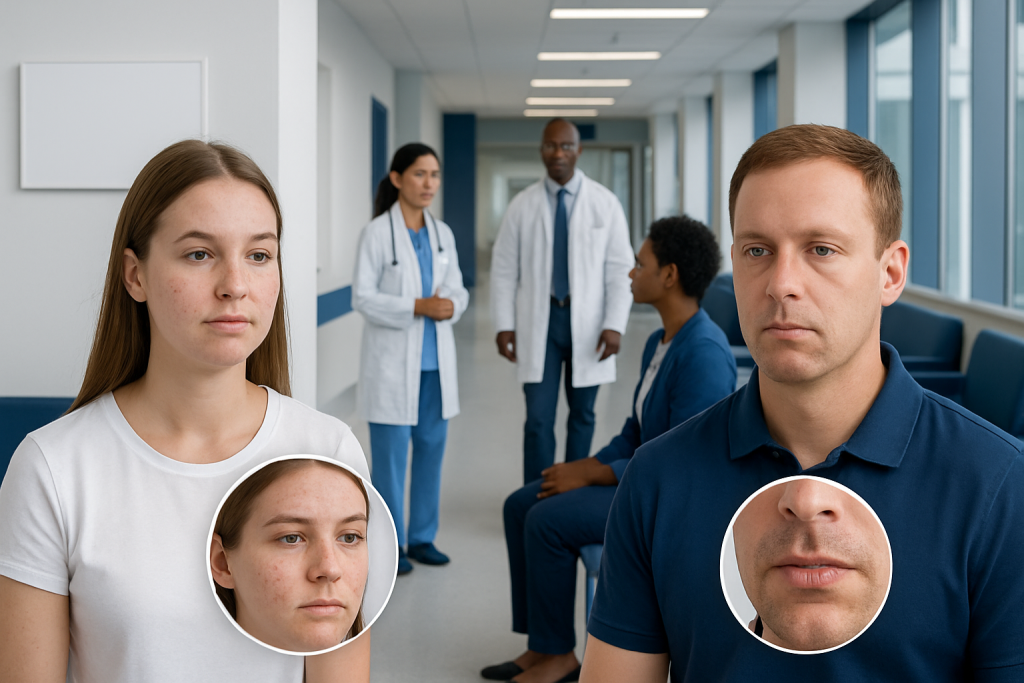
Acne is a pore-related skin condition; herpes is a viral infection caused by herpes simplex virus. Herpes lesions often tingle, burn, or hurt before blisters appear, while acne usually develops as pimples, blackheads, or cysts.
Key Takeaways
- Acne is a pore-related skin condition; herpes is a viral infection caused by herpes simplex virus.
- Herpes lesions often tingle, burn, or hurt before blisters appear, while acne usually develops as pimples, blackheads, or cysts.
- Location can help, but it is not enough on its own because both conditions can affect the face or genital area.
- A clinician can often diagnose the difference by examination, and testing may be used when the diagnosis is uncertain.
- Acne treatment focuses on skin care and anti-acne medicines, while herpes treatment uses antiviral medication.
Acne versus herpes can usually be told apart by the type of lesion and how it feels. Acne tends to cause clogged pores, whiteheads, blackheads, and pimples, while herpes more often causes clusters of painful or burning blisters that may break open and crust.
Overview: acne versus herpes at a glance
In most cases, acne and herpes are different conditions with different causes, appearance, and treatment. Acne develops when pores become blocked with oil, dead skin cells, and sometimes bacteria. Herpes is caused by the herpes simplex virus and typically produces grouped blisters or sores, often with tingling, burning, or pain.
This distinction matters because treatment is not the same. Products used for acne will not treat herpes, and delaying medical advice may prolong discomfort or increase the chance of passing herpes to others. Many people feel unsure when a bump appears on the lip, chin, nose, or genital area, especially if it looks inflamed at first.
A simple way to think about it is this: acne usually forms individual pimples or deeper bumps centered around hair follicles or pores, while herpes usually forms small fluid-filled blisters that cluster together and later crust over. Even so, appearances can overlap, so an in-person medical assessment is sometimes the safest way to confirm the diagnosis.
How the symptoms differ
Acne commonly causes whiteheads, blackheads, red papules, pustules, tender nodules, or deeper cysts. These spots may be sore to touch, but they usually do not begin with tingling or burning. Acne often appears in oily areas such as the face, forehead, chest, shoulders, and back, and lesions may be at different stages at the same time.
Herpes often starts with a warning sensation before anything is visible. Many people notice tingling, itching, burning, or tenderness in one area, followed by a cluster of small blisters. These blisters may break open into shallow sores and then form a crust while healing. Oral herpes often affects the lips or skin around the mouth, while genital herpes affects the genital or anal area, though either virus type can affect either location.
Symptoms that may suggest herpes more strongly include pain out of proportion to the size of the lesion, repeated outbreaks in the same place, and associated flu-like symptoms during a first episode. Acne is more likely when there are blackheads, whiteheads, and recurring pimples across a broader area rather than one patch of grouped blisters.
- More typical of acne: blackheads, whiteheads, isolated pimples, oily skin, lesions on the face, chest, or back
- More typical of herpes: tingling beforehand, grouped blisters, shallow sores, crusting, pain or burning, recurrence in the same spot
Appearance and location: practical clues patients notice
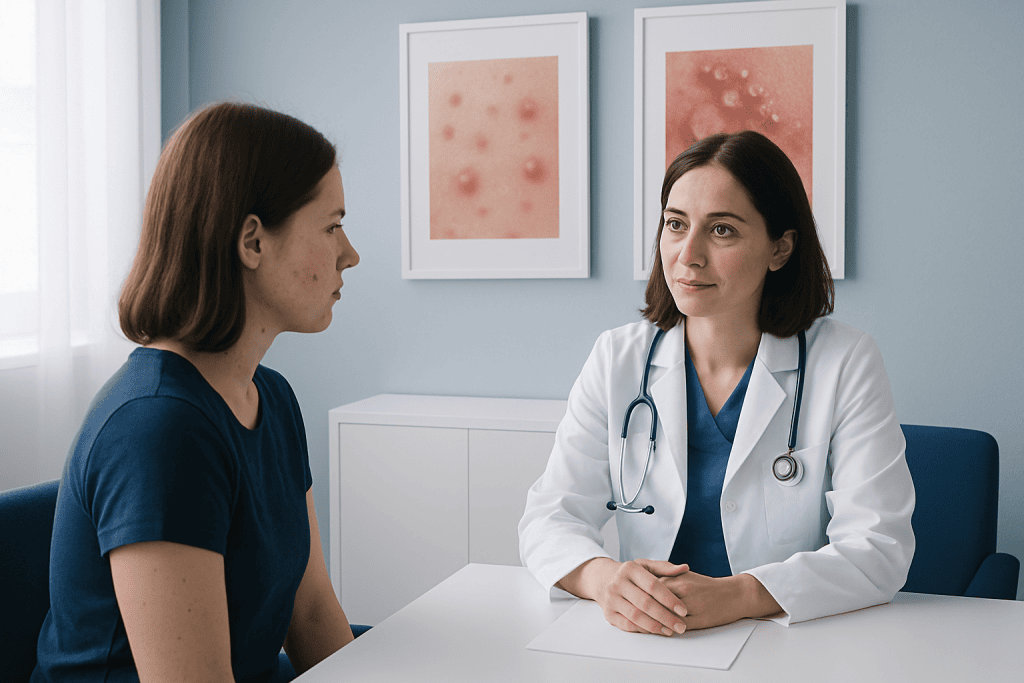
Patients often first ask whether a lesion is a cold sore or a pimple. A pimple is usually a firm bump that may contain pus and often has a visible central white or yellow point. A cold sore usually begins as a small cluster of tiny blisters on a red base. After the blisters break, the area may look moist or ulcerated before scabbing over.
On the face, acne is common along the forehead, cheeks, jawline, and chin. Herpes around the mouth tends to appear on the lip border, corners of the mouth, or nearby skin, although it can occasionally show up elsewhere on the face. A spot inside a beard area may still be acne or folliculitis rather than herpes, especially if it forms around a hair.
In the genital area, the distinction can be more difficult because acne-like lesions, ingrown hairs, irritation from shaving, and infections can all look similar. Herpes lesions in this area may be painful, tender, or associated with burning during urination if sores are nearby. A person with recurrent painful genital sores may need assessment for genital herpes, while a person with widespread inflamed facial bumps may need evaluation for acne.
Trying to squeeze a suspicious lesion can make either condition worse. It can increase inflammation in acne, and it may spread irritation or infection risk with herpes if fluid from a blister contacts broken skin.
Causes and risk factors
Acne is not caused by poor hygiene. It is influenced by increased oil production, clogged pores, inflammation, hormones, genetics, and sometimes friction from clothing, helmets, masks, or certain skin products. Stress can aggravate acne in some people, but it is usually one factor among several rather than the single cause.
Herpes is caused by herpes simplex virus type 1 or type 2. It spreads through close skin-to-skin contact, including kissing or sexual contact, even when symptoms are mild. After the first infection, the virus remains in the body and can reactivate later. Common triggers for recurrence may include illness, stress, sun exposure, friction, or changes in immune function.
Risk factors can also help distinguish the two. A history of teenage or adult breakouts, oily skin, family history of acne, and use of comedogenic skin products point more toward acne. A history of cold sores, a partner with herpes, repeated sores in the same area, or a recent intimate contact before symptoms appeared may point more toward herpes.
Other conditions can resemble either problem, including folliculitis, impetigo, contact dermatitis, razor bumps, canker sores, and other sexually transmitted infections. That is one reason a clinician may recommend testing when the appearance is not typical.
How doctors diagnose acne and herpes
Doctors often diagnose acne and herpes based on the appearance of the skin and the pattern of symptoms. The timing of the lesion, whether there was tingling first, whether the area is painful, and whether similar episodes have happened before are all useful clues. A careful history is especially important when lesions are near the mouth or in the genital area.
If herpes is suspected and the lesion is fresh, a swab from a blister or sore may be used for laboratory testing. In some situations, blood tests may also be considered, though results must be interpreted in context. Testing is most helpful when the diagnosis is uncertain, symptoms are severe, or the result will affect treatment decisions and counseling.
Acne usually does not require lab tests. Instead, the clinician looks at the type of lesions present, the body areas involved, and whether there are signs of scarring or hormonal influence. For persistent or severe skin concerns, a dermatologist may provide a more detailed treatment plan, including options through dermatology care.
Treatment options: why the right diagnosis matters
Acne treatment depends on severity. Mild acne may improve with gentle cleansing and non-comedogenic skin care, along with over-the-counter ingredients such as benzoyl peroxide or salicylic acid when appropriate. More persistent or inflammatory acne may require prescription creams, oral medications, or a broader treatment plan aimed at preventing new lesions and limiting scarring.
Herpes treatment is different because it targets a virus. Antiviral medicines can shorten outbreaks, reduce symptoms, and in some cases help lower the chance of transmission. They work best when started early, especially during the first signs of tingling or burning. Supportive care such as pain relief, avoiding friction, and keeping the area clean and dry may also help.
Using acne spot treatments on herpes sores can sting and may irritate the skin without treating the cause. Likewise, antiviral treatment will not address blackheads, clogged pores, or deeper acne cysts. If symptoms are recurring, severe, or affecting quality of life, a clinician may discuss specialist input through infectious diseases evaluation or skin-focused management through dermatology care.
Near the end of the care pathway, patients who travel for treatment may also want coordinated support. Acibadem International’s multidisciplinary specialists and JCI-accredited hospitals diagnose and treat skin and infectious conditions for international patients when further assessment is needed.
Self-care and prevention
For acne, consistent skin care is usually more helpful than harsh scrubbing. Gentle cleansing, avoiding heavy or pore-clogging products, showering after sweating, and not picking lesions can reduce irritation. Some people benefit from reviewing hair products, makeup, sunscreens, and shaving habits to identify triggers that worsen breakouts.
For herpes, prevention focuses on reducing spread and recognizing early symptoms. Avoid direct contact with sores, do not share lip products or razors during an outbreak, and avoid kissing or sexual contact when lesions are present or when warning symptoms begin. Barrier protection can reduce risk, although it does not fully eliminate it because herpes can affect nearby skin.
Good general habits support both skin and immune health. These include adequate sleep, stress management, sun protection for the lips and skin, and seeking timely care if outbreaks or breakouts are frequent. Self-care can help, but it should not replace medical advice when the diagnosis is uncertain.
When to seek medical care
Medical care is important if a new lesion is very painful, keeps coming back in the same place, spreads quickly, or appears in the genital area. Patients should also seek evaluation if they have fever, swollen glands, trouble eating or drinking because of mouth sores, eye symptoms, or a weakened immune system. Early treatment may make a meaningful difference, especially for herpes.
Urgent care is advisable for sores near the eye, severe genital pain, difficulty urinating, or widespread rash with blisters. Pregnant patients with suspected genital herpes should contact a qualified doctor promptly because expert guidance is important during pregnancy. Anyone unsure whether a lesion is acne, herpes, or another condition should avoid self-diagnosing and ask for professional assessment.
Repeated breakouts, acne scarring, or emotional distress related to skin appearance also deserve attention. Timely evaluation can clarify the diagnosis, improve symptom control, and help prevent complications.
Frequently asked questions
Can herpes look like acne at first?
Yes, especially early on when a lesion is just becoming inflamed. However, herpes usually progresses to grouped blisters or shallow sores and often causes tingling, burning, or pain before the skin changes appear.
How can someone tell a cold sore from a pimple on the lip?
A pimple is usually a single bump with a white or yellow center, while a cold sore is more likely to be a cluster of tiny blisters. Cold sores also tend to tingle or burn before they appear and then crust as they heal.
Can acne occur in the genital area?
Acne-like bumps can occur where there are hair follicles, and ingrown hairs or folliculitis are common in the genital area. Because genital herpes and other conditions can look similar, new or painful genital bumps should be checked by a clinician.
Is herpes always painful and acne always painless?
No. Acne can be tender, especially cystic or inflamed acne, and some herpes outbreaks can be mild. The overall pattern matters more than one symptom alone, including whether there was tingling first and whether the lesion forms blisters.
Should a suspicious bump be popped or squeezed?
No. Squeezing can worsen inflammation, increase the risk of scarring, and delay healing. If the lesion is herpes, touching blister fluid and then other skin areas may also spread irritation or infection risk.
What kind of doctor should evaluate acne versus herpes?
A primary care doctor, dermatologist, gynecologist, urologist, or sexual health clinician may be able to assess the lesion depending on its location and symptoms. A dermatologist is often helpful for persistent acne, while herpes testing may be arranged by several types of clinicians.
This article is for general information only and is not a substitute for professional medical advice. Please consult a qualified doctor about your individual situation.
Acne in Turkey — costs, top hospitals & a free quote
JCI-accredited · board-certified surgeons · reply within 24h
Add us as a Preferred Source to see more of our trusted health content across Google Search, AI Overviews and Discover.

More from the Health Library

Skin Care Products Skin Care: A Complete Medical Overview

Ego: A Complete Medical Overview
How many teeth do humans have? The Numbers, Explained by Clinicians

Tabbouleh: An Evidence-Based Guide for Patients

What is andropause? A Doctor-Reviewed Answer