How many teeth do humans have? The Numbers, Explained by Clinicians
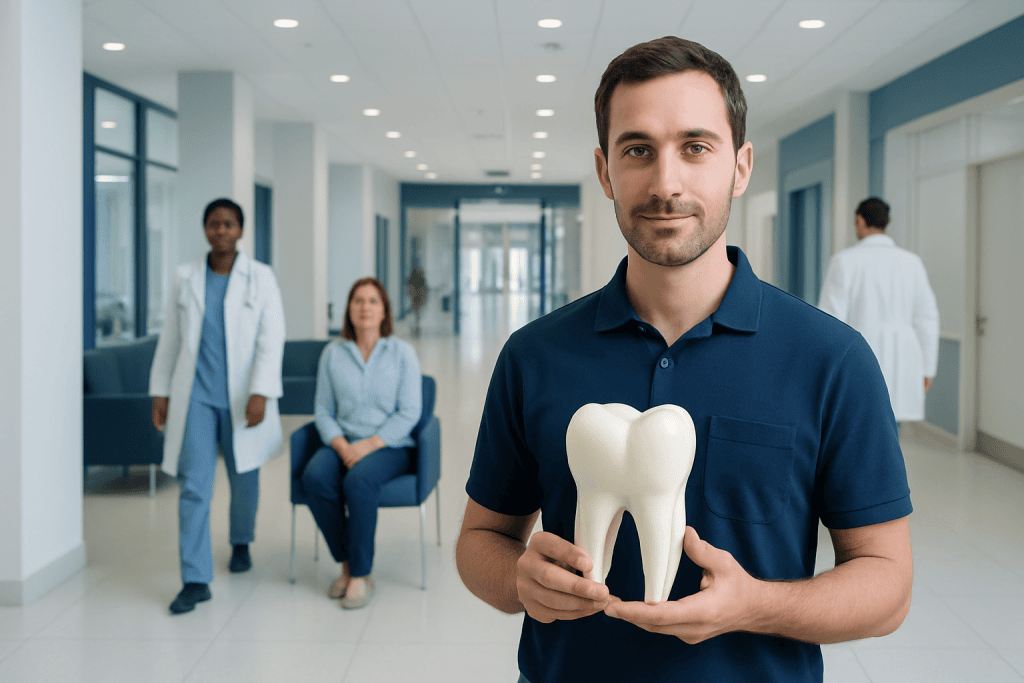
Children usually have 20 baby teeth, while adults usually have 32 permanent teeth. The adult count includes four wisdom teeth, but many people naturally have fewer because wisdom teeth may be absent, removed, or impacted.
Key Takeaways
- Children usually have 20 baby teeth, while adults usually have 32 permanent teeth.
- The adult count includes four wisdom teeth, but many people naturally have fewer because wisdom teeth may be absent, removed, or impacted.
- Tooth number can vary due to genetics, delayed eruption, congenital absence, crowding, trauma, or dental disease.
- A different tooth count is not always a problem, but missing, extra, painful, or delayed teeth may need dental evaluation.
- Regular dental checkups help confirm whether tooth development and eruption are progressing normally.
Most humans have 20 primary (baby) teeth in childhood and 32 permanent teeth in adulthood, including four wisdom teeth. However, tooth number can vary with age, genetics, dental development, extractions, and whether wisdom teeth fully form or erupt.
The headline answer: how many teeth do humans have?
The short answer is this: most children have 20 baby teeth, and most adults have 32 permanent teeth. That adult total includes four third molars, commonly called wisdom teeth.
In everyday life, the number is not always exactly 32. Some adults never develop one or more wisdom teeth, some have them removed, and others may have teeth that remain trapped under the gums. This means a healthy adult mouth may function well with fewer visible teeth than the textbook number.
Clinicians usually explain tooth number in context rather than as a single fixed fact. Age, stage of development, genetics, dental history, and oral health all affect how many teeth are present, visible, or expected at a given time.
- Primary teeth: 20
- Permanent teeth without wisdom teeth: 28
- Permanent teeth with wisdom teeth: 32
How tooth numbers change with age
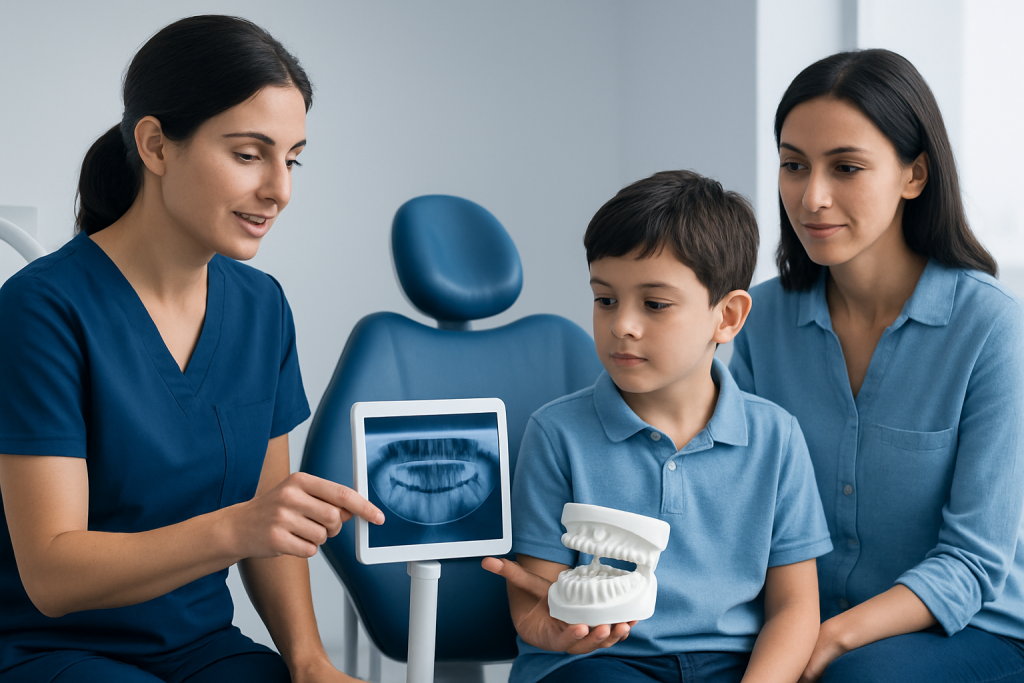
Teeth develop in stages. Babies are not born with erupted teeth, although the tooth buds are already forming inside the jaws. Primary teeth usually begin to emerge in infancy and continue appearing over the next few years until the usual total of 20 is reached.
During later childhood, primary teeth loosen and fall out as permanent teeth come in. This transition does not happen all at once, so a school-age child may have a mixed dentition, meaning some baby teeth and some adult teeth are present at the same time. That is a normal developmental phase.
By the early teen years, many children have 28 permanent teeth erupted, not counting wisdom teeth. The third molars, if they develop, commonly appear later in adolescence or early adulthood. Some never erupt fully, and some never form at all.
For this reason, the answer to how many teeth do humans have depends partly on age. A toddler, a 10-year-old, and a 25-year-old should not be expected to have the same number or type of teeth.
Why the number can vary in healthy people

There is normal human variation in tooth number. Not every adult develops all four wisdom teeth, and this alone is often not a sign of disease. Some people are born without other permanent teeth as well, a pattern that may run in families and may only be noticed when a tooth does not erupt on schedule.
Some adults have fewer than 32 teeth because of planned dental treatment, past injury, severe decay, or gum disease. Others may appear to have fewer teeth because one or more teeth are impacted, meaning they are present in the jaw but have not erupted into the mouth. Impacted wisdom teeth are especially common.
Less commonly, a person may have extra teeth, called supernumerary teeth. These can appear anywhere in the mouth and may interfere with normal eruption or alignment. Extra or missing teeth may sometimes be found during routine dental X-rays even when they cause no symptoms.
There is no meaningful difference in the standard expected tooth count based on sex alone. Variation is much more closely linked to genetics, jaw size, developmental timing, and oral health history than to being male or female.
When an unusual tooth count may be medically meaningful
A different number of teeth is not automatically a health problem. However, it can matter when the difference reflects delayed development, abnormal eruption, congenital absence, infection, crowding, or loss of teeth from disease. In these situations, the tooth count becomes a useful clue rather than just a number.
In children, delayed eruption may need assessment if teeth are not appearing within the expected developmental range or if baby teeth are not shedding when permanent teeth are due. Dentists also pay attention when permanent teeth erupt in unusual positions, when one side develops very differently from the other, or when chewing, speech, or jaw growth seems affected.
In adults, losing teeth is not considered a normal part of aging. Missing teeth may affect chewing, speech, bite balance, and confidence, and they can sometimes be linked to untreated decay or periodontal disease. Gum disease in particular may gradually loosen teeth if not managed; readers concerned about this topic may find it helpful to learn about gum disease.
When wisdom teeth are involved, the issue is often not the number itself but whether they are causing pain, repeated infection, cysts, damage to neighboring teeth, or difficulty cleaning. In those cases, a clinician may recommend monitoring or treatment rather than simple observation.
How dentists check whether the number of teeth is normal
Dental evaluation begins with a clinical examination and a careful history. The dentist looks at which teeth are present, which have erupted, whether baby teeth remain longer than expected, and whether spacing or crowding suggests hidden problems. Symptoms such as pain, swelling, bad breath, bleeding gums, or trouble chewing also guide the assessment.
X-rays are often the most useful way to understand tooth number. They can show unerupted permanent teeth, impacted wisdom teeth, extra teeth, retained roots, and signs of developmental differences. In children, imaging may help confirm whether a missing tooth is simply delayed or truly absent.
Clinicians do not judge oral health by counting visible teeth alone. They also consider alignment, the health of the gums and supporting bone, bite function, and the condition of each tooth. A person with fewer than 32 teeth may still have excellent oral function, while someone with all 32 may have problems that need treatment.
If concerns go beyond simple counting, treatment planning may include orthodontic, pediatric dental, periodontal, or oral surgery input. This team approach helps match care to the real issue, whether it is eruption timing, crowding, infection, or replacement of a missing tooth.
Treatment and dental care when teeth are missing, extra, or impacted
Treatment depends on the cause. A child with delayed eruption may only need observation and follow-up. An adult with a congenitally missing tooth may need no treatment if the bite is stable and appearance is not a concern, while another person may benefit from orthodontic planning or tooth replacement.
If a tooth is damaged beyond repair or causing serious problems, removal may be advised. This is especially true for some impacted or infected wisdom teeth, or teeth severely affected by decay or advanced gum disease. In appropriate cases, clinicians may discuss tooth extraction as part of a broader plan to protect oral health.
When a missing tooth needs replacement, options can include fixed or removable prosthetic solutions. For some adults, dental implant treatment may help restore chewing function and support the bite after a tooth is lost. If alignment or eruption patterns are the main issue, orthodontic treatment may be considered to create space or guide tooth position.
Patients with jaw pain, facial swelling, or complex impactions may need further assessment by oral and maxillofacial specialists. In some centers, including Acibadem International, multidisciplinary specialists in JCI-accredited hospitals evaluate dental and oral conditions for international patients when coordinated care is needed.
Prevention and self-care to protect the teeth you have
Although people cannot change the number of teeth they were born to develop, they can protect the teeth they have. Daily brushing with fluoride toothpaste, cleaning between the teeth, and limiting frequent sugary snacks and drinks help reduce the risk of decay. Regular professional cleanings and examinations support early detection of problems.
Gum health matters just as much as tooth health. Inflamed or bleeding gums should not be ignored, because untreated periodontal disease can eventually loosen teeth. People who smoke or have conditions that affect healing may need especially close preventive dental care.
Children benefit from routine dental visits that track eruption and jaw development over time. Parents should ask about delayed or asymmetric eruption, prolonged thumb sucking, mouth breathing, and crowding, since these may affect how teeth come in. Adults should also seek evaluation for broken fillings, loose teeth, or changes in the bite.
Simple habits also help prevent injury-related tooth loss. Wearing a mouthguard during contact sports, avoiding chewing ice or hard non-food objects, and treating teeth grinding when advised can help preserve natural teeth for longer.
When to seek medical care
A dental or medical review is a good idea if a child’s teeth seem much later than expected, if adult teeth erupt in unusual places, or if baby teeth do not fall out while permanent teeth are trying to come in. Evaluation is also important when there are extra teeth, obvious crowding, or trouble chewing or speaking.
Adults should seek care for tooth pain, swelling, pus, fever, bleeding gums, loose teeth, sudden changes in the bite, or a tooth that breaks or falls out. These signs may point to infection, injury, or advanced dental disease rather than simple variation in tooth number. Facial swelling or severe pain should be assessed promptly.
Wisdom teeth deserve attention when they repeatedly cause soreness, swelling behind the molars, difficulty opening the mouth, bad taste, or pressure on nearby teeth. A dentist may monitor them with exams and imaging or refer for treatment if needed. People with persistent mouth sores, numbness, or jaw swelling should also be evaluated without delay.
Frequently asked questions
How many teeth do adults usually have?
Most adults have 32 permanent teeth if all four wisdom teeth develop and erupt. If wisdom teeth are absent, removed, or impacted, an adult may have fewer visible teeth and still be within a common range.
How many baby teeth do children have?
Children usually have 20 primary, or baby, teeth. These teeth begin to erupt in infancy and are gradually replaced by permanent teeth during childhood.
Is it normal to have only 28 adult teeth?
Yes. Many adults have 28 teeth because the four wisdom teeth never developed, never erupted, or were removed. This is very common and does not necessarily mean there is a problem.
Are wisdom teeth included in the adult tooth count?
Yes. The standard adult total of 32 includes four wisdom teeth, also called third molars. Without them, the count is usually 28.
Can a person naturally have fewer teeth than average?
Yes. Some people are born without certain permanent teeth, and this may run in families. A dentist can confirm whether a tooth is delayed, impacted, or congenitally absent.
What if someone has extra teeth?
Extra teeth, called supernumerary teeth, can occur and may or may not cause problems. They can affect eruption, alignment, or crowding, so a dental assessment is helpful to decide whether treatment is needed.
When should a child be checked for delayed teeth?
A child should be checked if teeth seem much later than expected, if adult teeth are erupting behind baby teeth, or if there is pain, swelling, or asymmetry. Regular pediatric dental visits are the best way to track normal tooth development over time.
References
- American Dental Association
- National Institute of Dental and Craniofacial Research
- American Academy of Pediatric Dentistry
- MouthHealthy by the American Dental Association
- National Health Service
This article is for general information only and is not a substitute for professional medical advice. Please consult a qualified doctor about your individual situation.
Explore treatments in Turkey — costs, top hospitals & a free quote
JCI-accredited · board-certified surgeons · reply within 24h
Add us as a Preferred Source to see more of our trusted health content across Google Search, AI Overviews and Discover.

More from the Health Library

Comedones: What Patients Need to Know

Courgette — Explained by Medical Evidence, Not Myths

Pathogens — Explained by Medical Evidence, Not Myths

Sleep the Phone — Explained by Medical Evidence, Not Myths

Sclerotherapy — Explained by Medical Evidence, Not Myths