Sclerotherapy — Explained by Medical Evidence, Not Myths
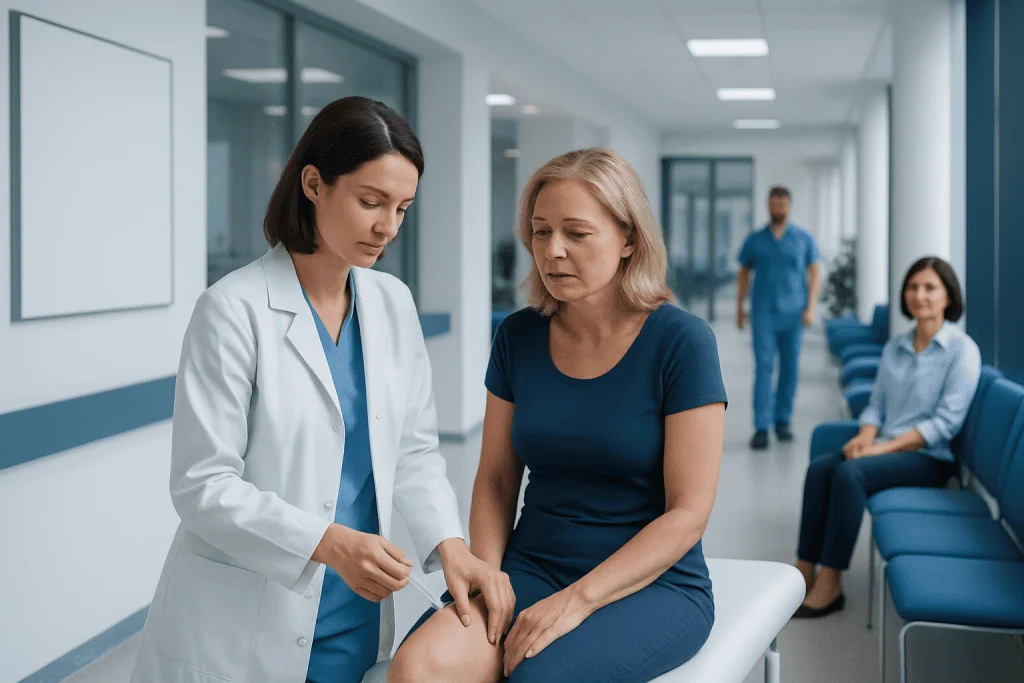
Sclerotherapy is commonly used for spider veins and selected small varicose veins. The injected solution makes the treated vein collapse and gradually fade over time.
Key Takeaways
- Sclerotherapy is commonly used for spider veins and selected small varicose veins.
- The injected solution makes the treated vein collapse and gradually fade over time.
- It is usually done in an outpatient setting and does not require general anesthesia.
- Results are not always immediate, and more than one session may be needed.
- Compression stockings, walking, and follow-up care can support recovery and results.
- A vein specialist should assess whether symptoms may point to deeper venous disease.
Sclerotherapy is a medical procedure that treats certain unwanted veins by injecting a solution that irritates the vein lining and causes it to close. It is most often used for spider veins and some small varicose veins, and it can improve both symptoms and appearance when a doctor selects the right patients and vein type.
What sclerotherapy is and what it treats
Sclerotherapy is a minimally invasive vein treatment in which a doctor injects a special solution into an abnormal vein. The solution irritates the inner lining of the vein, causing it to seal shut. Over time, the body gradually absorbs the closed vein, and blood is naturally redirected through healthier nearby veins.
This procedure is used most often for spider veins and some small varicose veins, especially in the legs. In some cases, it may also be used for veins in other areas, depending on the person’s symptoms, vein size, and overall vascular health. Sclerotherapy is not simply a cosmetic technique; for many people, it can also help reduce discomfort such as aching, heaviness, burning, or mild swelling linked to superficial vein problems.
Not every visible vein should be treated in the same way. Some people need an ultrasound assessment first to check whether the problem is limited to surface veins or is part of a broader condition such as varicose veins. Choosing treatment based on vein type, location, and underlying circulation is one of the main reasons results vary from person to person.
How the procedure works
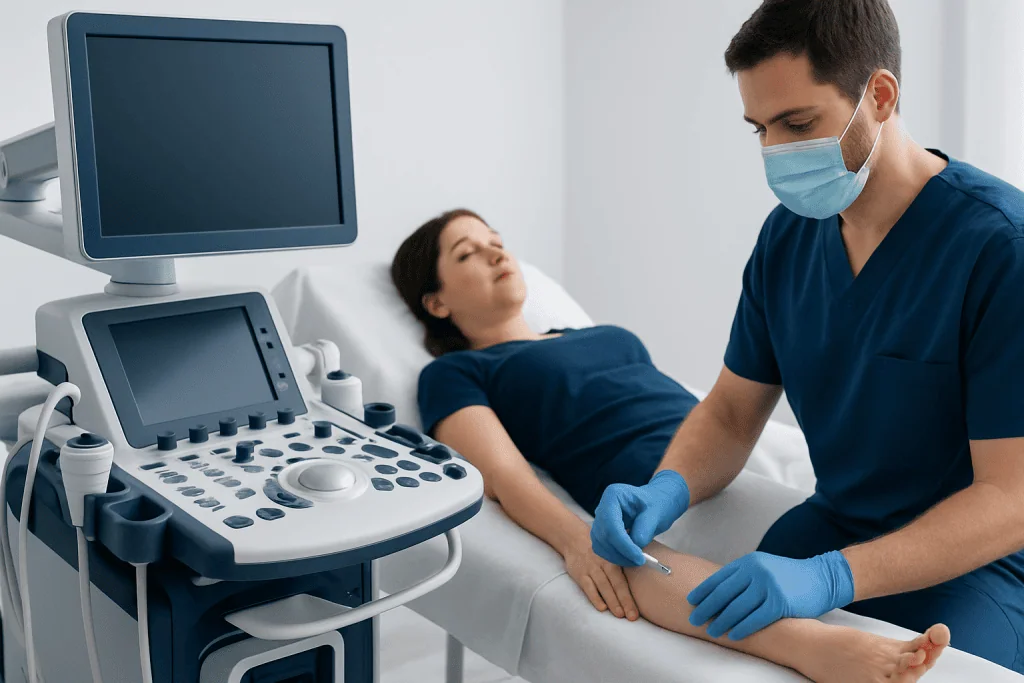
During sclerotherapy, the doctor cleans the skin and injects a liquid or foam sclerosant into the target vein using a very fine needle. The substance damages the vein lining in a controlled way, which triggers the vein walls to stick together. Once the vein closes, blood no longer flows through it, and the body slowly breaks it down.
The appointment is usually performed in a clinic or outpatient setting. General anesthesia is not typically needed. Depending on how many veins are being treated, the session may take a short time or somewhat longer. Many people return to normal light activity the same day, although they are usually advised to avoid strenuous exercise, hot baths, or prolonged standing for a period recommended by their doctor.
Doctors may choose liquid sclerotherapy for very small veins and foam sclerotherapy for somewhat larger veins. In other situations, a specialist may recommend alternatives such as laser treatment or endovenous procedures if the vein pattern is not well suited to injection therapy alone. The best option depends on anatomy, symptoms, prior treatments, and ultrasound findings.
Who may benefit from sclerotherapy

People who seek sclerotherapy usually fall into two broad groups: those bothered by the appearance of visible veins and those with mild symptoms from superficial venous disease. It can be appropriate for people with spider veins, reticular veins, and selected small varicose veins that are close to the skin surface. Common reasons for treatment include aching, leg fatigue, heaviness, itching around veins, or cosmetic concerns.
A proper assessment matters because visible veins are not always the main problem. If deeper veins are not working well, treating surface veins alone may bring limited benefit or may not be recommended until the underlying issue is addressed. For this reason, people with larger bulging veins, skin changes near the ankles, recurring symptoms, or prior vein treatments often need a fuller vascular evaluation.
Sclerotherapy may not be suitable for everyone. The doctor considers pregnancy status, clotting history, mobility, allergies, active infection, and whether there is a past history of blood clots or deeper venous disease such as deep vein thrombosis. This individual review helps reduce risk and supports a treatment plan that fits the person rather than the vein alone.
What to expect before, during, and after treatment
Before treatment, the doctor usually asks about symptoms, medical history, medicines, previous vein procedures, and family history of vein disease. A physical examination is done, and in many cases a duplex ultrasound is used to map the veins and check blood flow. This step is especially important when veins are larger, symptoms are significant, or there is concern about reflux in deeper or connecting veins.
During the procedure, the person typically lies comfortably while the doctor injects the selected veins. Mild stinging, cramping, or a brief burning sensation can occur, but discomfort is often manageable. The number of injections depends on the number and size of veins being treated. Afterward, the treated area may be gently compressed, and compression stockings are often recommended.
Recovery instructions vary, but most plans include walking regularly, avoiding long periods of sitting or standing still, and wearing compression garments for the advised time. Treated veins do not disappear immediately. Small spider veins may begin to fade over several weeks, while larger veins can take longer. Some people need repeated sessions to achieve the desired medical or cosmetic result.
Benefits, limitations, and possible side effects
The main benefit of sclerotherapy is that it can improve visible superficial veins without surgery. For the right vein type, it may also reduce symptoms such as soreness, heaviness, and local irritation. Because it is minimally invasive, downtime is usually limited, and many people appreciate that treatment can often be done without a hospital stay.
At the same time, sclerotherapy has limitations. It does not prevent new veins from developing in the future, especially if there is a strong hereditary tendency or ongoing venous reflux. Results may be gradual rather than immediate, and some veins respond better than others. More than one treatment session is common, particularly when many spider veins are present or veins have been treated before.
Side effects are usually mild and temporary but should still be discussed in advance. These can include redness, bruising, swelling, tenderness, itching, or temporary darkening of the skin over the treated vein. Small trapped blood collections may sometimes need follow-up care. Less common but more serious complications include allergic reaction, skin injury, inflammation, ulceration, or clot-related problems. A qualified doctor explains the expected benefits and risks based on the individual case.
How doctors decide between sclerotherapy and other vein treatments
One common myth is that sclerotherapy is the best choice for every visible vein. In reality, treatment selection is more precise. Doctors look at vein diameter, whether the vein is feeding other branches, the presence of valve reflux, skin symptoms, prior procedures, and overall vascular anatomy. The aim is not only to make veins less visible but also to improve circulation-related symptoms when they are present.
For very small superficial veins, sclerotherapy is often a strong option. For larger refluxing veins, doctors may recommend other approaches first, such as varicose vein treatment with endovenous techniques, or occasionally surgery in selected cases. Some people benefit from a combination plan, where the underlying source vein is treated first and remaining surface veins are managed later with injections.
Ultrasound-guided sclerotherapy may be used when veins are not easily visible but can be identified with imaging. This can help specialists target veins more accurately. A multidisciplinary vein program can be helpful when symptoms overlap with swelling, skin discoloration, prior thrombosis, or chronic venous insufficiency, because treatment decisions are then based on both appearance and long-term vein health.
Self-care after sclerotherapy and long-term vein health
Good aftercare supports healing and may improve comfort. Walking is usually encouraged soon after treatment because it helps circulation. Compression stockings may reduce swelling and support vein closure, but the exact strength and duration should follow the treating doctor’s advice. People are often told to avoid direct heat, intense sun on treated areas, and heavy exertion for a limited time.
Long-term vein health also depends on everyday habits. Regular movement, avoiding prolonged immobility, managing weight when needed, and elevating the legs after long periods of sitting or standing can all help reduce venous pressure. These measures do not erase existing veins, but they can support circulation and may lower the chance of new symptom-causing veins becoming more noticeable.
People who have recurrent visible veins may need follow-up because new veins can form over time. In specialized centers, further assessment may include ultrasound review and discussion of other therapies such as vascular surgery when appropriate. Near the end of the care pathway, some patients choose to continue treatment at centers such as Acibadem International, where multidisciplinary specialists in JCI-accredited hospitals evaluate and treat vein conditions for international patients.
When to seek medical care
Medical care is appropriate before treatment if leg veins are painful, enlarging, associated with swelling, or accompanied by skin changes such as thickening, discoloration, or nonhealing areas near the ankles. These signs can suggest more significant venous disease that deserves proper assessment rather than cosmetic treatment alone.
After sclerotherapy, a doctor should be contacted if there is worsening pain, marked swelling, signs of infection, sudden shortness of breath, chest pain, or a new painful lump in the leg. These problems are not common, but they require prompt medical attention. Any unusual skin breakdown, severe discoloration, or symptoms that do not improve as expected should also be reviewed.
Even when concerns seem minor, it is reasonable to ask for follow-up if the results are unclear or if symptoms continue. Vein care is most effective when treatment is matched to the underlying cause, and a qualified clinician can explain whether additional testing or another approach is needed.
Frequently asked questions
Is sclerotherapy only for cosmetic vein problems?
No. Sclerotherapy is often used to improve the appearance of spider veins, but it may also help relieve mild symptoms caused by superficial veins, such as aching or heaviness. Whether it is the right treatment depends on the vein pattern and whether deeper venous disease is present.
How long does it take to see results after sclerotherapy?
Results are usually gradual, not immediate. Small spider veins may begin to fade within weeks, while larger veins can take longer, and some people need more than one session for the best outcome.
Does sclerotherapy hurt?
Most people feel mild discomfort rather than significant pain. The injection can cause brief stinging, burning, or cramping, but the sensation is typically short-lived and manageable.
Can treated veins come back after sclerotherapy?
A successfully treated vein usually closes and is absorbed by the body, so that specific vein generally does not function again. However, new spider veins or varicose veins can develop over time, especially if a person has an underlying tendency toward vein disease.
Will I need compression stockings after sclerotherapy?
Many doctors recommend compression stockings after treatment because they may support vein closure and reduce swelling or discomfort. The type of stocking and how long to wear it depend on the area treated and the doctor’s plan.
Who should not have sclerotherapy without medical assessment?
Anyone with larger bulging veins, significant leg swelling, skin changes, a history of blood clots, pregnancy, or symptoms suggesting deeper vein disease should be assessed carefully first. A doctor may recommend ultrasound or another treatment approach depending on the findings.
References
- National Institute for Health and Care Excellence
- Society for Vascular Surgery
- American Venous Forum
- MedlinePlus
- Mayo Clinic
This article is for general information only and is not a substitute for professional medical advice. Please consult a qualified doctor about your individual situation.
Explore treatments in Turkey — costs, top hospitals & a free quote
JCI-accredited · board-certified surgeons · reply within 24h
Add us as a Preferred Source to see more of our trusted health content across Google Search, AI Overviews and Discover.

More from the Health Library

Erect Penis: What Patients Need to Know

Almond Butter Versus Peanut Butter — Explained by Medical Evidence, Not Myths

Masseter Muscle — Explained by Medical Evidence, Not Myths

Zolpidem: An Evidence-Based Guide for Patients

Sea Moss Benefits: A Complete Medical Overview