Skin Care Products Skin Care: A Complete Medical Overview

A basic routine usually includes a gentle cleanser, moisturizer, and broad-spectrum sunscreen. More products do not always mean better skin; overuse can irritate the skin barrier.
Key Takeaways
- A basic routine usually includes a gentle cleanser, moisturizer, and broad-spectrum sunscreen.
- More products do not always mean better skin; overuse can irritate the skin barrier.
- Active ingredients such as retinoids, acids, and benzoyl peroxide can help some concerns but may cause dryness or sensitivity.
- Persistent rash, itching, acne, pigment change, or painful lesions should be assessed by a qualified doctor.
- Patch testing new products can reduce the risk of irritation or allergic contact dermatitis.
Skin care products skin care is about using a small number of well-matched products to cleanse, protect, and support the skin barrier. The safest routine depends on skin type, symptoms, age, environment, and any underlying skin condition.
Overview: what skin care products skin care really means
Skin care products skin care refers to the medical and practical use of products that help cleanse the skin, maintain its protective barrier, reduce irritation, and address common concerns such as dryness, oiliness, acne, or uneven tone. For most people, effective skin care is not about using many products. It is about choosing a few evidence-based items that suit the skin’s needs and using them consistently.
The skin is the body’s largest organ and serves as a barrier against water loss, irritants, allergens, and infection. When that barrier is healthy, skin tends to feel comfortable and function well. When it is disrupted, the skin may become dry, tight, red, itchy, or prone to breakouts. A good skin care plan supports the barrier rather than constantly stressing it.
Medical skin care also differs from trends seen on social media. Popular ingredients or multi-step routines may not be necessary for everyone, and in some cases they can trigger irritation. The best approach usually starts with simplicity, then adjusts based on skin response, medical history, and guidance from a dermatologist when needed.
How skin works and why the right products matter
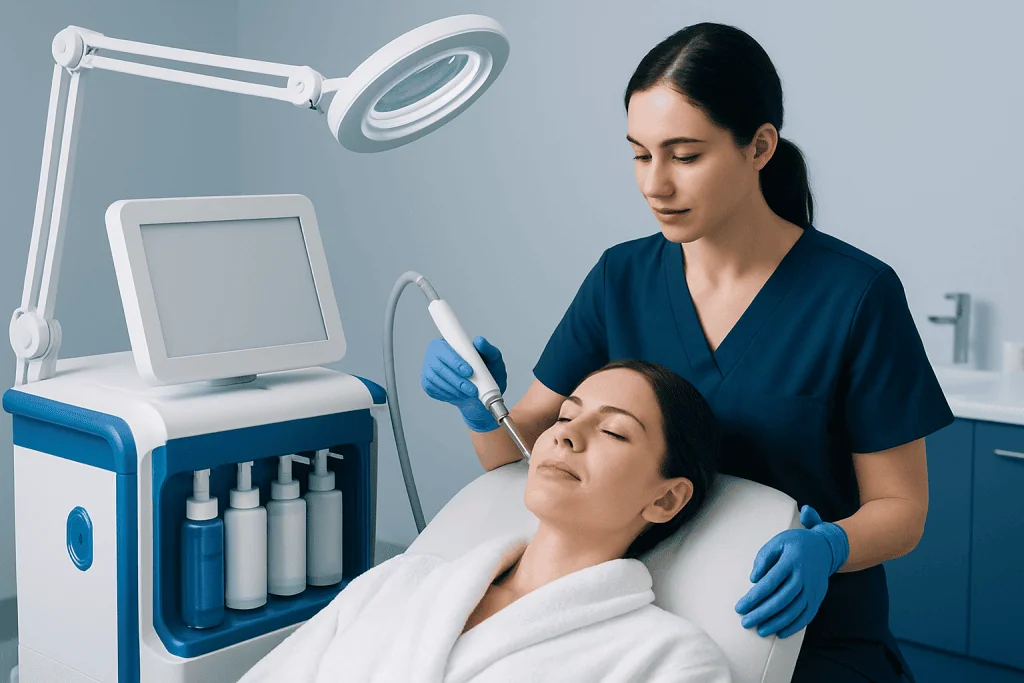
The outermost layer of skin, called the stratum corneum, acts like a protective wall made of skin cells and natural lipids. This layer helps keep moisture in and harmful substances out. Cleansers, moisturizers, and sun protection can support this function, while harsh products, frequent scrubbing, or incompatible ingredients may weaken it.
Skin also contains oil glands, sweat glands, pigment-producing cells, immune cells, and a microbiome of naturally occurring microorganisms. These systems vary from person to person. That is why one product may work well for one individual but cause breakouts, dryness, or stinging in another.
Product choice matters because ingredients can have different effects. Humectants such as glycerin draw water into the skin, emollients soften rough areas, and occlusives reduce water loss. Sunscreens protect against ultraviolet damage, while actives such as salicylic acid or retinoids may treat certain concerns when used carefully. A medically sound routine considers both the benefits and the possibility of sensitivity.
Common product types and what they do

Most skin care routines are built around a few product categories. A gentle cleanser removes dirt, sweat, excess oil, and sunscreen without stripping the skin. A moisturizer helps maintain comfort and barrier function. A broad-spectrum sunscreen helps protect against sunburn, photoaging, and skin damage associated with ultraviolet exposure.
Other products may be added based on individual concerns. Acne-prone skin may benefit from ingredients such as benzoyl peroxide, salicylic acid, or prescription treatments. Dry or eczema-prone skin often does better with fragrance-free moisturizers that contain ceramides or petrolatum. Pigment concerns may be addressed with ingredients such as niacinamide, azelaic acid, vitamin C, or retinoids, depending on skin tolerance and medical advice.
Some products are marketed as “natural,” “clean,” or “medical grade,” but these labels do not always predict safety or effectiveness. Fragrance, essential oils, and plant extracts can still irritate sensitive skin. Reading ingredient labels, introducing products one at a time, and prioritizing proven basics is often more helpful than focusing on marketing language.
- Cleansers: remove impurities and prepare the skin
- Moisturizers: support barrier repair and reduce dryness
- Sunscreens: protect against UV-related skin damage
- Targeted treatments: address acne, texture, discoloration, or aging signs
Choosing products by skin type and skin concerns
Skin type is often grouped as normal, dry, oily, combination, or sensitive, but many people fit more than one category. Dry skin may feel rough or tight and usually benefits from richer moisturizers and mild cleansers. Oily skin may look shiny and can often tolerate lighter, non-comedogenic products. Combination skin may need a balanced routine with lighter textures in oilier areas and more hydration on drier parts.
Sensitive skin deserves special care. Stinging, burning, redness, or itching after applying products may suggest irritation or an impaired skin barrier. In these cases, a simplified routine with fragrance-free products is usually best. It is often wise to avoid scrubs, strong exfoliating acids, and multiple active ingredients at the same time until the skin settles.
Specific concerns also influence product choice. People with acne may need evaluation for acne if breakouts are persistent, inflamed, or scarring. Individuals with chronic itch, scaling, or recurrent rashes may have eczema or contact dermatitis rather than simple dryness. If discoloration, unusual moles, or non-healing spots appear, a dermatology assessment is important rather than trying repeated over-the-counter products.
Age, climate, occupation, hormone changes, and medications can also affect the skin. For example, frequent handwashing, air conditioning, cold weather, and some acne treatments can increase dryness. Choosing products should therefore be practical and personalized, not based only on trends or age group marketing.
Possible side effects, irritation, and how doctors assess skin reactions
Even well-known skin care ingredients can cause problems in some people. Common reactions include dryness, peeling, redness, burning, itching, and breakouts. These may occur because the product is too strong, used too often, combined with incompatible ingredients, or applied to already sensitive skin. Irritation is especially common when several active products are started together.
Allergic contact dermatitis is different from simple irritation. It happens when the immune system reacts to a specific ingredient, such as fragrance, preservatives, or hair dye components. The result may be an itchy rash, swelling, scaling, or persistent redness. If this is suspected, a doctor may recommend stopping likely triggers and, in some cases, formal patch testing to identify the cause.
Doctors assess skin reactions by reviewing symptoms, timing, product ingredients, and how the products are being used. They may ask whether symptoms began after a new cleanser, serum, sunscreen, or cosmetic. Examination helps distinguish between acne, rosacea, eczema, seborrheic dermatitis, fungal infection, and other conditions that can look similar but need different treatment.
When symptoms do not improve with simpler skin care, specialist evaluation can be useful. This may include a dermatology consultation and, when appropriate, dermatology assessment to guide treatment and avoid unnecessary product changes.
Building a simple, safe routine
A simple routine is often the most sustainable and the least irritating. In the morning, many people do well with a gentle cleanser or a water rinse, followed by moisturizer if needed and daily broad-spectrum sunscreen. In the evening, the focus is usually on removing sunscreen, makeup, sweat, and daily buildup with a gentle cleanser, then applying moisturizer. If a treatment product is needed, it is usually added gradually.
When introducing a new active ingredient, it is generally safer to start with one product at a time and use it less often at first. This helps identify side effects early and reduces barrier disruption. Applying too many acids, retinoids, or acne products together can lead to redness and peeling rather than better results.
Patch testing at home may help lower the chance of a widespread reaction. A small amount of a new product can be applied to a limited area of skin for several days while watching for redness, itch, or swelling. This is not the same as medical allergy patch testing, but it can still be a sensible first step for people with sensitive skin.
Some individuals need prescription care rather than additional over-the-counter items. For ongoing inflammatory acne, pigment changes after acne, or scarring concerns, doctors may discuss options such as acne treatment or other targeted therapies. When signs of premature aging or texture changes are a main concern, medically guided skin rejuvenation approaches may also be considered after evaluation.
Prevention and self-care for healthier skin
Daily sun protection is one of the most important preventive steps in skin care. Broad-spectrum sunscreen helps reduce UV-related skin damage and can support management of pigmentation, post-acne marks, and visible aging. Protective clothing, shade, and avoiding deliberate tanning also matter, especially during strong midday sun.
Gentle habits can make a noticeable difference. Hot water, aggressive exfoliation, rough washcloths, and frequent product switching may worsen sensitivity. Lukewarm water, soft cleansing, and regular moisturizing are generally kinder to the skin. It is also helpful to avoid picking at acne or scratching rashes, as this can increase inflammation and pigment change.
Lifestyle factors influence skin health too. Adequate sleep, stress management, balanced nutrition, and avoiding tobacco all support overall skin function. These measures are not replacements for medical treatment, but they can complement a thoughtful routine.
If a skin problem appears linked to makeup, fragrance, occupational exposures, or a personal care product, keeping a simple record of what was used and when symptoms started may help a clinician identify the trigger. Near the end of the care pathway, some patients may seek specialist input at centers such as Acibadem International, where multidisciplinary specialists in JCI-accredited hospitals evaluate and treat skin conditions for international patients.
When to seek medical care
Medical care is appropriate when a skin problem is persistent, worsening, painful, or interfering with daily life. A doctor should assess severe itching, widespread rash, blistering, swelling, signs of infection, or any reaction involving the eyes or difficulty breathing. These situations may need prompt treatment rather than home care.
It is also wise to seek medical advice if acne is leaving scars, if redness and flushing are ongoing, or if dryness and scaling do not improve with gentle products. Unexplained darkening or lightening of the skin, changing moles, and sores that do not heal should not be managed only with cosmetic products.
Professional evaluation can prevent repeated trial and error. Depending on the findings, care may involve product changes, allergy evaluation, prescription creams, or treatment for an underlying skin condition. In selected cases, a clinician may recommend allergy testing or referral to a dermatologist for a more detailed plan.
Frequently asked questions
What is the most important part of a skin care routine?
For most people, the core routine is a gentle cleanser, a moisturizer suited to the skin type, and daily broad-spectrum sunscreen. These basics help maintain the skin barrier and protect against common forms of skin damage. Extra products may be useful, but they are not always necessary.
How can someone tell if a product is irritating their skin?
Common signs include stinging, burning, redness, itching, peeling, or new breakouts after starting a product. Symptoms may appear right away or develop over several days. Stopping the product and simplifying the routine is often a sensible first step, but persistent reactions should be assessed by a doctor.
Are natural or organic skin care products always safer?
No. Natural ingredients can still cause irritation or allergy, especially fragrances, essential oils, and some plant extracts. Safety depends more on the full formula, the person’s skin, and how the product is used than on the label alone.
How often should new skin care products be introduced?
It is usually best to introduce one new product at a time and wait long enough to observe the skin’s response. This makes it easier to identify which product is helping or causing irritation. People with sensitive skin often benefit from slower changes and fewer active ingredients.
Can too many skin care products damage the skin barrier?
Yes. Over-cleansing, frequent exfoliation, and layering several strong actives can disrupt the barrier and lead to dryness, redness, burning, or breakouts. A simpler routine is often better tolerated and more effective over time.
When should acne or a rash be seen by a dermatologist?
Dermatology review is helpful when acne is painful, inflamed, scarring, or not improving with over-the-counter care. A rash should also be assessed if it is widespread, very itchy, recurrent, painful, or associated with swelling or possible infection. Early evaluation can help prevent complications and unnecessary product use.
References
- American Academy of Dermatology
- National Institute of Arthritis and Musculoskeletal and Skin Diseases
- Mayo Clinic
- National Eczema Association
- World Health Organization
This article is for general information only and is not a substitute for professional medical advice. Please consult a qualified doctor about your individual situation.
Explore treatments in Turkey — costs, top hospitals & a free quote
JCI-accredited · board-certified surgeons · reply within 24h
Add us as a Preferred Source to see more of our trusted health content across Google Search, AI Overviews and Discover.

More from the Health Library

Fears: A Complete Medical Overview

Protien: What Patients Need to Know

Shin Bone — Explained by Medical Evidence, Not Myths

Flecainide: What Patients Need to Know

Drink Parsley Tea — Explained by Medical Evidence, Not Myths