Snoring
Snoring is noisy breathing during sleep. Learn about causes, symptoms, diagnosis, treatment options and when to seek medical care.

Quick answer
Snoring is the sound caused by partial blockage or vibration in the upper airway during sleep, and it may occur on its own or as part of a sleep-related breathing disorder such as sleep apnea. At Acibadem, evaluation typically includes an ear, nose, and throat assessment and, when needed, sleep testing, with treatment based on the cause and ranging from…
Snoring is the sound caused by vibration of tissues in the upper airway when airflow is partly blocked during sleep. It is common and often harmless, but frequent loud snoring can sometimes be a sign of obstructive sleep apnea or another treatable breathing problem.
Overview
Snoring is noisy breathing during sleep caused by vibration of soft tissues in the upper airway. When a person falls asleep, the muscles of the tongue, soft palate, throat and surrounding structures relax. If the airway becomes partly narrowed, air moves through with more force and the tissues vibrate, producing the familiar snoring sound.
Snoring can be occasional, for example during a cold or after alcohol use, or it can happen most nights. Many people who snore breathe normally during sleep and have no serious medical problem. However, frequent loud snoring may be associated with obstructive sleep apnea, a condition in which breathing repeatedly becomes shallow or briefly stops during sleep.
Because snoring can affect both sleep quality and bed partners, it is a common reason for medical consultation. Ear, nose and throat specialists, sleep medicine physicians, dentists trained in sleep medicine and other specialists may work together to identify the cause and choose an appropriate treatment approach.
Symptoms
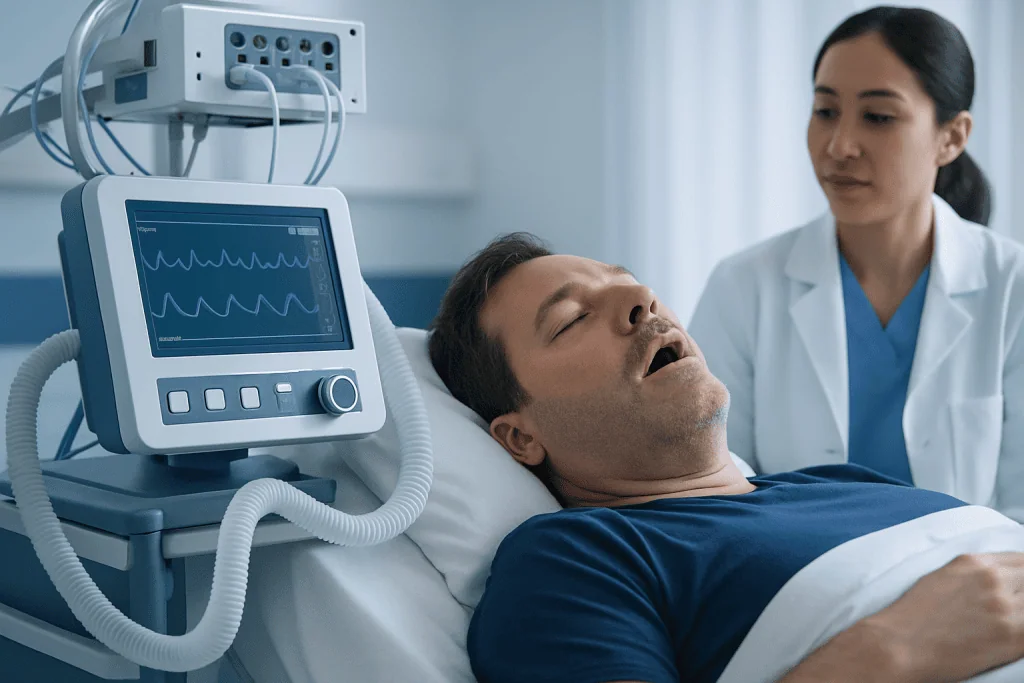
The main symptom of snoring is a harsh, rattling, vibrating or rumbling sound during sleep. It may be soft and intermittent, or loud enough to disturb another person in the room. Snoring is often worse when sleeping on the back because the tongue and soft palate may fall backward and narrow the airway.
Some people are not aware that they snore until a partner or family member notices it. Others may wake briefly with a dry mouth, sore throat or a feeling of blocked nasal breathing. Snoring related to nasal congestion may change from night to night, while snoring due to an anatomical narrowing may be more consistent.
Symptoms that may suggest obstructive sleep apnea include witnessed pauses in breathing, gasping or choking during sleep, restless sleep, morning headaches, difficulty concentrating, mood changes and excessive daytime sleepiness. These symptoms do not prove sleep apnea, but they are important reasons to seek medical evaluation.
Causes & Risk Factors
Snoring develops when airflow is restricted anywhere from the nose to the throat. Nasal blockage from allergies, sinus inflammation, a deviated septum, nasal polyps or a common cold can make breathing noisier. In the throat, enlarged tonsils or adenoids, a long soft palate, a large uvula, jaw structure, tongue position or general relaxation of the airway muscles may contribute.
Several everyday factors can increase snoring. Alcohol, sedatives and some sleep medicines relax the muscles around the airway. Sleeping on the back may narrow the throat more than side sleeping. Tiredness and irregular sleep may also make snoring more noticeable because deeper sleep can be associated with greater muscle relaxation.
Risk factors include excess body weight, especially around the neck, increasing age, male sex, smoking, chronic nasal congestion and a family tendency to snore or have sleep apnea. In children, snoring is often related to enlarged tonsils or adenoids, but allergies, nasal obstruction and other factors may also play a role.
- Temporary causes may include a cold, seasonal allergies or alcohol use before sleep.
- Structural causes may include a deviated septum, enlarged tonsils or a narrow airway.
- Sleep-related causes may include obstructive sleep apnea or sleeping mainly on the back.
Diagnosis
Diagnosis begins with a careful sleep and medical history. A doctor may ask how often snoring occurs, how loud it is, whether breathing pauses have been observed, and whether the person feels refreshed in the morning. Information from a bed partner can be very helpful because many important events occur during sleep and may not be remembered.
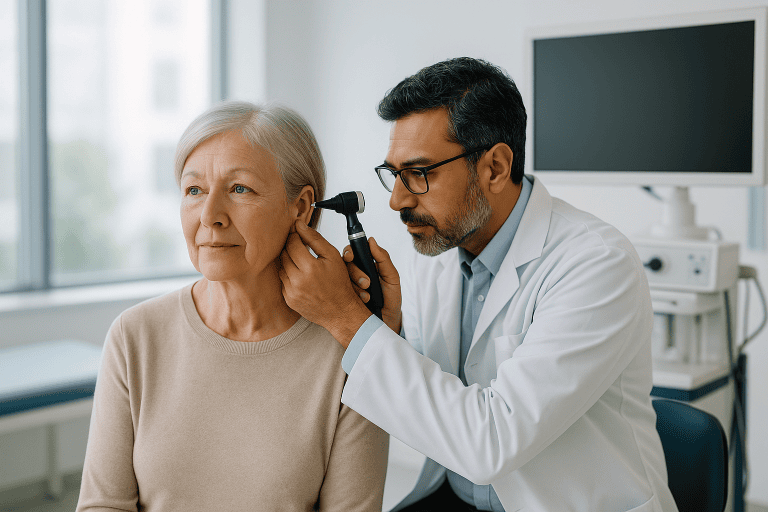
An examination may include the nose, mouth, throat, tonsils, soft palate, jaw position and neck. An ENT specialist may assess for nasal obstruction, enlarged tonsils, adenoids, nasal polyps or other anatomical factors. In some cases, flexible nasal endoscopy may be used to view the airway more closely in the clinic.
If obstructive sleep apnea is suspected, a sleep study may be recommended. This may be performed in a sleep laboratory or, for selected patients, with a home sleep apnea test. Sleep testing records breathing patterns, oxygen levels, body position and other signals to help determine whether snoring is simple snoring or part of a sleep-related breathing disorder.
Treatment Options
Treatment for snoring depends on the cause, severity and whether sleep apnea is present. The right approach is decided by a qualified specialist after assessment. A plan may involve one treatment or a combination of measures, and it may need adjustment over time based on symptoms and test results.
Lifestyle and sleep-position changes can help many people. These may include reducing alcohol close to bedtime, avoiding sedating medicines unless prescribed, stopping smoking, maintaining a healthy weight, treating nasal congestion and sleeping on the side rather than the back. Regular sleep habits may also reduce factors that worsen snoring.
Medical and device-based treatments may be considered when appropriate. Nasal treatments can help if allergies or obstruction are contributing. Oral appliances made by trained dental professionals may reposition the jaw or tongue during sleep in selected patients. For people with obstructive sleep apnea, positive airway pressure therapy may be recommended to keep the airway open during sleep.
Surgery may be an option in selected cases when a clear anatomical cause is identified, such as enlarged tonsils, certain nasal blockages or specific soft palate problems. Surgical decisions require careful evaluation because not all snoring improves with surgery, and the goal is to treat the underlying obstruction safely and realistically.
Living With / Prognosis
Many people with occasional snoring improve when temporary triggers are managed, such as nasal congestion, alcohol use or sleeping position. When snoring is related to an ongoing anatomical or sleep-related problem, improvement is still possible with an accurate diagnosis and a tailored treatment plan.
Living with snoring often involves paying attention to sleep quality, daytime alertness and partner observations. Keeping a simple sleep diary, noting alcohol intake, nasal symptoms and body position, may help during medical appointments. A partner may also notice changes such as breathing pauses or gasping that are important to report.
If obstructive sleep apnea is diagnosed, ongoing follow-up is important to ensure that treatment is effective and comfortable. For international patients, Acibadem International provides multidisciplinary assessment in JCI-accredited hospitals, including ENT and sleep-related evaluations, when specialist care is needed.
When to See a Doctor
A doctor should be consulted if snoring is loud, frequent, worsening or affecting sleep quality for the person or their household. Medical advice is also recommended if snoring occurs with morning headaches, dry mouth, poor concentration, irritability or persistent daytime tiredness.
Prompt assessment is especially important when a partner observes pauses in breathing, choking, gasping or restless sleep. These signs may suggest obstructive sleep apnea, which can be diagnosed and managed with appropriate specialist care.
Children who snore regularly should also be evaluated, particularly if they have restless sleep, mouth breathing, behavioral changes, poor growth, bedwetting or daytime sleepiness. In children, snoring is not always harmless and may be related to enlarged tonsils, adenoids or nasal obstruction.
Frequently asked questions
What is snoring?
Snoring is the sound produced when air passes through a narrowed upper airway during sleep and causes soft tissues to vibrate. It may come from the nose, mouth, throat or a combination of these areas.
Is snoring always a sign of sleep apnea?
No. Many people snore without having obstructive sleep apnea, especially when they have a cold, nasal congestion or sleep on their back. However, loud snoring with pauses in breathing, gasping or daytime sleepiness should be checked by a doctor.
What are the most common causes of snoring?
Common causes include nasal congestion, allergies, a deviated septum, enlarged tonsils, excess weight, alcohol before sleep and sleeping on the back. Natural relaxation of throat muscles during sleep also plays a role.
How is snoring diagnosed?
Diagnosis usually starts with a medical history, sleep history and examination of the nose, mouth and throat. If sleep apnea is suspected, a sleep study may be recommended to measure breathing and oxygen levels during sleep.
Can lifestyle changes reduce snoring?
Lifestyle measures can help some people, especially when snoring is mild or linked to modifiable triggers. Helpful steps may include avoiding alcohol near bedtime, treating nasal congestion, maintaining a healthy weight and sleeping on the side.
When is surgery considered for snoring?
Surgery may be considered only when a specialist identifies a specific anatomical blockage that is likely to respond to an operation. It is not suitable for every person who snores, and a full assessment is needed before deciding.
Should children who snore see a doctor?
Yes, regular snoring in children should be discussed with a pediatrician or ENT specialist. It may be related to enlarged tonsils, adenoids, allergies or other airway problems that can affect sleep quality.
This article is for general information only and is not a substitute for professional medical advice. Please consult a qualified doctor about your individual situation.
From the Acibadem Blog
How to Stop Snoring: What Works, What Doesn’t, and When It’s Sleep Apnea
Most snoring improves with a handful of proven changes: sleeping on your side, avoiding alcohol within three to four hours of bedtime, treating nasal…
Medically reviewed by the Acıbadem International Medical Board June 20, 2026
See our medical review board →
Update history
- PublishedJune 9, 2026
- Medical review approvedJune 20, 2026
- Last content updateJune 12, 2026