Common Cold Treatment
Common cold care focuses on relieving nasal congestion, sore throat, cough, and fever while ruling out flu, COVID-19, sinusitis, or other respiratory infections when needed.
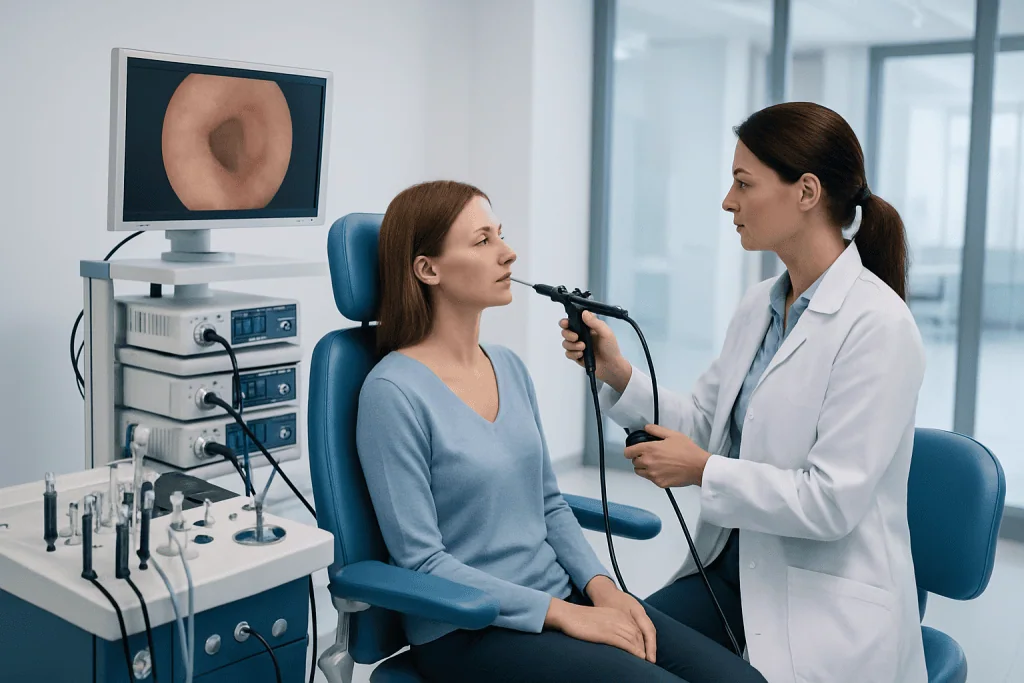
Quick answer
Common cold treatment focuses on relieving symptoms such as nasal congestion, sore throat, cough, and fever while supporting recovery from this usually mild viral infection. At Acibadem in Turkey, evaluation may include checking for flu, COVID-19, sinusitis, or other respiratory infections when needed, and care is planned according to symptoms and overall health.
When a “Simple Cold” Does Not Feel Simple
A common cold is usually a mild, self-limited viral infection, but it can still disrupt sleep, travel, work, appetite, and breathing comfort. For international patients, the concern may be even greater: symptoms can begin during a trip, before an important medical appointment, after close contact with others, or in a child, older adult, or person with a chronic condition. A stuffy nose, sore throat, cough, low-grade fever, or fatigue may be expected with a cold, yet the same early symptoms can also resemble influenza, COVID-19, sinusitis, bronchitis, pneumonia, allergies, or strep throat.
Common cold care focuses on relieving symptoms while carefully identifying the small number of patients who need testing, closer monitoring, or treatment for another condition. The goal is not to “cure” the cold with unnecessary medication. Because colds are caused by viruses, antibiotics do not shorten the illness and can cause side effects or contribute to antibiotic resistance. Instead, good medical care helps you breathe more comfortably, reduce fever or throat pain, manage cough safely, prevent dehydration, and know when symptoms require reassessment.
This matters because respiratory symptoms are common, but the right response depends on the person. A healthy adult with mild congestion may need reassurance and supportive care. A patient with asthma, chronic lung disease, heart disease, immune suppression, pregnancy, advanced age, or recent surgery may need a more cautious approach. A child with fever, poor feeding, ear pain, or breathing difficulty also deserves careful evaluation. At Acibadem, common cold care is approached with the same clinical discipline as more complex conditions: accurate assessment first, then a personalized plan that is appropriate for the patient’s age, medical history, travel circumstances, and risk profile.
What Common Cold Care Is
Common cold care is the evaluation and supportive treatment of an upper respiratory tract infection, usually caused by viruses such as rhinoviruses, seasonal coronaviruses, adenoviruses, respiratory syncytial virus, or other circulating viruses. The infection typically affects the nose, throat, sinuses, and upper airways. Symptoms often develop gradually and may include nasal congestion, runny nose, sneezing, sore throat, cough, hoarseness, mild headache, body aches, and fever.
Treatment is mainly symptom-based. Depending on your symptoms and medical history, your physician may recommend hydration, rest, fever and pain control, saline nasal rinses or sprays, humidified air, throat lozenges, honey for cough in appropriate ages, and selected over-the-counter medicines. For some patients, prescription medications may be used to manage severe nasal inflammation, wheezing, asthma flare, or other associated problems. The plan must be adapted carefully for children, pregnant patients, older adults, and people taking blood pressure medications, blood thinners, antidepressants, or other regular medicines.
A high-quality cold-care visit also involves ruling out more serious or treatable infections when needed. If symptoms or exposure history suggest flu, COVID-19, strep throat, pneumonia, sinusitis, or another condition, testing may be recommended. This may include rapid antigen tests, molecular respiratory tests, throat testing, blood tests in selected cases, oxygen level measurement, or chest imaging if lower respiratory infection is suspected. The purpose is to avoid both undertreatment and overtreatment: patients should receive medications when they are truly useful, and avoid them when they are unlikely to help.
In most cases, a cold improves over several days and resolves without complications. Cough and nasal symptoms may last longer than the initial fever or sore throat. The care plan therefore includes practical guidance: what to expect, which medicines are safe, how to reduce transmission to others, and which warning signs mean you should contact a doctor again.
Who May Need Medical Care for a Common Cold
Many people manage a mild cold at home. Medical evaluation is useful when symptoms are severe, prolonged, unusual, or occur in someone at higher risk. It is also appropriate when a patient needs to distinguish a cold from another infection before traveling, visiting a vulnerable family member, returning to work, or undergoing another medical treatment.
Typical cold symptoms include a blocked or runny nose, sneezing, scratchy throat, mild cough, low-grade fever, tiredness, and reduced sense of smell because of congestion. Symptoms often begin one to three days after exposure and may peak over the next few days. Clear nasal drainage can become thicker or more colored during the course of a viral infection; this alone does not necessarily mean antibiotics are needed. However, persistent high fever, shortness of breath, chest pain, severe facial pain, dehydration, confusion, blue lips, or worsening after initial improvement may suggest something more than a routine cold.
Diagnosis usually begins with a careful medical history and physical examination. Your doctor will ask when symptoms began, whether you had contact with someone who was ill, whether you recently traveled, whether you have fever, cough pattern, breathing symptoms, sore throat severity, sinus pressure, ear pain, wheezing, and any underlying conditions. The examination may include checking temperature, pulse, breathing rate, oxygen saturation, throat, nose, ears, neck lymph nodes, chest, and general hydration status.
Testing is not required for every cold. It becomes important when results would change management. For example, antiviral medication may be considered for influenza in selected patients if identified early. COVID-19 testing may guide isolation, travel decisions, and protection of others. A throat test may be useful when strep throat is suspected, especially when fever and swollen lymph nodes occur without cough. Chest imaging may be considered if pneumonia is a concern. In children, older adults, pregnant patients, immune-suppressed patients, or people with chronic lung or heart disease, physicians may use a lower threshold for assessment because complications can develop more quickly.
Patients commonly seek care when symptoms affect sleep, feeding, hydration, breathing comfort, or planned travel. International patients may also need documentation, fit-to-travel advice, medication guidance compatible with their existing prescriptions, or coordination with another planned consultation or procedure. In these situations, medical care can clarify risk and help avoid delays or unsafe self-medication.
Conditions and Indications Addressed by Common Cold Care
Although the main focus is an uncomplicated viral upper respiratory infection, common cold care also addresses related symptoms and the conditions that can mimic or complicate a cold. The medical team considers the full respiratory picture rather than treating congestion or cough in isolation.
Indications include nasal congestion, runny nose, sneezing, sore throat, hoarseness, mild fever, cough, postnasal drip, sinus pressure, ear fullness, mild headache, and fatigue. Care may also be needed for sleep disruption caused by cough or blocked nose, poor oral intake, dehydration risk, medication side effects, or worsening symptoms in a patient with asthma or chronic obstructive pulmonary disease.
The evaluation may also look for influenza, COVID-19, respiratory syncytial virus infection, strep throat, acute sinusitis, ear infection, bronchitis, pneumonia, allergic rhinitis, asthma flare, or reflux-related throat irritation. In some cases, symptoms attributed to a cold may be related to environmental exposures, air travel, dry air, smoking, pollutants, or medication effects. Distinguishing these possibilities helps the physician recommend the right next step.
For patients scheduled for surgery, chemotherapy, radiotherapy, fertility treatment, organ transplant care, cardiac care, or other medical procedures, even a mild respiratory infection may require timing decisions. Your care team may need to decide whether it is safe to proceed, whether testing is needed, or whether postponement is safer. This is especially important when anesthesia, immune suppression, or close contact with vulnerable patients is involved.
How Common Cold Care Is Performed
Preparation Before the Visit
Preparing for a cold-care appointment is simple but helpful. Bring or prepare a list of your symptoms, when they started, your highest recorded temperature, recent exposures, travel history, vaccination history when relevant, allergies, current medications, and underlying medical conditions. If you have already taken cold medicines, antibiotics, inhalers, fever reducers, herbal products, or supplements, tell your physician. This helps avoid duplicated ingredients, unsafe combinations, or inappropriate dosing.
For international patients, it can be useful to bring previous medical summaries, especially if you have asthma, heart disease, immune suppression, pregnancy, recent surgery, cancer treatment, or a history of severe respiratory infections. Acibadem’s international patient teams can assist with language support and coordination so that the medical details are understood accurately.
Clinical Assessment and Diagnosis
The appointment begins with a focused history and examination. Your physician will assess whether the pattern fits a common cold or whether signs point toward another condition. Vital signs are important: fever, heart rate, breathing rate, and oxygen saturation can reveal how the body is responding. Examination of the throat, nasal passages, ears, neck, and lungs helps identify inflammation, wheezing, ear infection, enlarged lymph nodes, or signs of lower respiratory involvement.
Testing is individualized. Rapid tests may be used for flu, COVID-19, or strep throat when symptoms, timing, exposure, or travel plans make the information clinically relevant. More comprehensive respiratory panels may be considered for selected patients, especially when the result affects infection control or treatment decisions. Blood tests are not routine for a mild cold, but may be used if the patient appears significantly unwell or has risk factors. Chest imaging is generally reserved for suspected pneumonia or complications, such as shortness of breath, low oxygen levels, chest pain, persistent high fever, or abnormal lung findings.
Symptom Relief and Medication Planning
Once serious conditions are considered and the likely diagnosis is clear, treatment focuses on comfort, safety, and recovery. Fever and throat pain may be treated with appropriate analgesic and antipyretic medications. Nasal congestion may improve with saline sprays, gentle irrigation, humidified air, and selected decongestants when safe. Some patients should avoid certain decongestants, particularly those with uncontrolled high blood pressure, heart rhythm problems, glaucoma, prostate enlargement, or interactions with other medications. Your physician can help choose safer options.
Cough care depends on the type of cough and the patient’s age. A dry, irritating cough may be managed differently from a productive cough with mucus. Honey may reduce nighttime cough in adults and children over one year of age, but it must not be given to infants under one year. Cough suppressants, expectorants, inhalers, or allergy medications may be considered in specific situations. Antibiotics are not recommended for an uncomplicated viral cold. They may be prescribed only when there is evidence of a bacterial complication or another bacterial diagnosis.
If flu or COVID-19 is diagnosed or strongly suspected, treatment and isolation advice may differ. Certain antiviral medications are time-sensitive and are mainly considered for patients at higher risk of complications or within an appropriate treatment window. Your physician will explain whether these apply to you.
Technology Used in Common Cold Evaluation
Technology in cold care is used selectively, not automatically. The most valuable tool is still expert clinical judgment. When needed, modern diagnostic pathways may include rapid antigen testing, molecular tests that detect viral or bacterial genetic material, pulse oximetry to assess blood oxygen levels, digital radiography for chest evaluation, and laboratory testing for inflammation or complications. These tools help distinguish a routine upper respiratory infection from illnesses that may need antiviral therapy, antibiotics, oxygen support, or closer follow-up.
For patients already under care for another condition, electronic medical records and coordinated specialist communication support safer decisions. For example, a patient receiving cancer therapy or preparing for surgery may need respiratory symptoms reviewed in the context of immune status, anesthesia risk, or treatment timing. This coordination is an important part of patient safety.
Typical Duration of the Visit and Recovery Process
A routine evaluation for cold symptoms is usually completed during a single outpatient visit. Additional time may be needed if tests are performed, if imaging is required, or if consultation with another specialist is appropriate. Most patients recover at home with supportive care, hydration, rest, and symptom monitoring. The first few days often feel the most uncomfortable. Fever, if present, usually improves earlier than cough or congestion. A lingering cough can persist after the virus has cleared because the airways remain irritated.
Follow-up is recommended if symptoms worsen, fever persists, breathing becomes difficult, chest pain develops, dehydration occurs, or symptoms continue longer than expected. Patients with chronic medical conditions may receive a more specific follow-up plan, including when to use inhalers, when to repeat testing, or when to seek urgent care.
Why Acting Early Matters
For many healthy adults, a cold can be watched at home. However, acting early matters when symptoms are intense, risk factors are present, or another infection is possible. Early evaluation can identify influenza or COVID-19 while treatment or isolation guidance is most useful. It can also detect asthma exacerbation, pneumonia, ear infection, sinusitis, or dehydration before they become more difficult to manage.
Delay can lead to avoidable discomfort, unsafe self-medication, spread of infection to vulnerable people, or missed timing for antiviral treatment in selected cases. Some patients take multiple over-the-counter products that contain the same fever reducer or combine decongestants with medications that raise cardiovascular risk. Others may start antibiotics unnecessarily or continue traveling despite fever and respiratory symptoms. A brief medical review can prevent these problems.
Early care is especially important for infants, older adults, pregnant patients, immune-suppressed patients, and people with asthma, chronic lung disease, heart disease, kidney disease, diabetes, or neurologic conditions that affect swallowing or cough strength. In these groups, what starts like a cold can progress more quickly or trigger worsening of the underlying condition. Prompt assessment allows the care team to intervene appropriately without overtreating a simple viral illness.
Benefits of Common Cold Care
The benefits of medical care for a common cold are greatest when the plan is tailored to the patient rather than relying on generic remedies.
| Benefit | What It Means for You |
|---|---|
| Accurate diagnosis | Your physician evaluates whether symptoms fit a routine viral cold or suggest flu, COVID-19, strep throat, sinusitis, pneumonia, allergies, or another condition. |
| Safer symptom relief | Medication choices are adjusted for your age, medical history, pregnancy status, allergies, and current prescriptions. |
| Avoidance of unnecessary antibiotics | You reduce the risk of side effects and antibiotic resistance when antibiotics are not clinically indicated. |
| Earlier recognition of complications | Warning signs such as breathing difficulty, persistent fever, dehydration, or worsening cough can be identified and managed sooner. |
| Practical recovery guidance | You receive clear advice on hydration, rest, isolation, travel, work or school return, and when to seek follow-up care. |
| Coordination with other medical needs | If you are scheduled for surgery, cancer treatment, or another procedure, respiratory symptoms can be reviewed in context. |
Recovery Timeline After a Common Cold
Recovery varies by virus, age, immune response, and underlying health, but many patients follow a general pattern.
| Time Period | What Patients Can Expect |
|---|---|
| Day 1 | Symptoms may begin with throat irritation, sneezing, fatigue, or nasal congestion. Rest, fluids, and early symptom monitoring are helpful. |
| First Week | Congestion, runny nose, cough, and mild fever may peak and then gradually improve. Testing may be considered if symptoms suggest flu, COVID-19, strep throat, or another infection. |
| First Month | Most cold symptoms resolve well before this point, but cough or postnasal drip can linger in some patients. Persistent or worsening symptoms should be reassessed. |
| Longer Term | A routine cold should not cause lasting illness. Recurrent, prolonged, or unusually severe respiratory infections may require evaluation for allergies, asthma, immune issues, or environmental triggers. |
Factors That Influence Outcomes
A good result in common cold care means more than feeling better quickly. It means symptoms are managed safely, complications are not missed, and unnecessary treatments are avoided. Several factors influence this outcome.
Timing of care is important when symptoms could represent flu, COVID-19, strep throat, or pneumonia. Earlier evaluation can make testing more informative and may open treatment options for selected infections. It also helps patients receive accurate isolation and travel guidance.
Underlying health affects risk. People with asthma, chronic obstructive pulmonary disease, heart disease, diabetes, kidney disease, immune suppression, pregnancy, advanced age, or very young age may need a more cautious plan. A cold can trigger wheezing, dehydration, poor feeding, or worsening of chronic disease.
Medication safety strongly influences recovery. Many cold remedies combine several ingredients. Patients may unintentionally take too much of a fever reducer or use a decongestant that is not safe for their cardiovascular condition. Children require age-specific dosing and should not receive certain adult medications. A physician or pharmacist review can prevent avoidable harm.
Hydration, sleep, and environment also matter. Dry air, smoke exposure, long flights, alcohol use, and inadequate rest can worsen throat irritation and cough. Saline nasal care, humidified air, warm fluids, and avoiding irritants can make recovery more comfortable.
Correct identification of complications is essential. Colored nasal mucus alone does not prove bacterial infection, but severe facial pain, fever that returns after initial improvement, symptoms lasting longer than expected, ear pain, shortness of breath, low oxygen level, or chest pain may change the diagnosis. Patients should receive clear instructions about these warning signs.
Communication and follow-up support a safer course, especially for international patients. If symptoms change after travel, if test results become available later, or if a planned medical procedure is affected, the care team can update recommendations. This is particularly important when multiple specialists are involved.
Why International Patients Choose Acibadem for Respiratory Symptom Care
International patients often seek care not only for complex procedures, but also for timely evaluation of symptoms that may affect travel, family plans, or another treatment journey. A respiratory illness can create uncertainty: Is it safe to fly? Should a planned procedure be postponed? Do symptoms suggest COVID-19, flu, or pneumonia? Which medications are safe with existing prescriptions? Acibadem’s model is designed to answer these questions with clinical clarity and practical support.
Acibadem hospitals are JCI-accredited, reflecting structured attention to patient safety, quality processes, infection prevention, and coordinated care. For a patient with cold symptoms, this may translate into careful triage, appropriate testing when indicated, and clear instructions to reduce transmission within the hospital and community. The approach is evidence-based and aligned with international respiratory infection principles, including responsible antibiotic use.
Care is delivered by experienced physicians who evaluate symptoms in the context of the whole patient. When needed, internal medicine, family medicine, pediatrics, pulmonology, infectious diseases, ear-nose-throat specialists, cardiology, oncology, transplant teams, or anesthesiology can be involved. This is particularly valuable for patients who are receiving care for another diagnosis or who are at higher risk of complications. Specialist boards and multidisciplinary communication are part of Acibadem’s broader clinical culture, and that coordination can be important even for an illness that first appears routine.
Diagnostic resources are used thoughtfully. Rapid respiratory tests, molecular testing, laboratory support, oxygen saturation measurement, and imaging are available when they are likely to influence care. The aim is not to perform every test, but to select the right diagnostic pathway for the patient’s symptoms and risk level. For example, an otherwise healthy traveler with mild congestion may need reassurance and a practical medication plan, while an older patient with fever and shortness of breath may require more detailed evaluation.
International patient services are also central to the experience. Support is available in more than 20 languages, helping patients explain symptoms accurately and understand medical instructions. Coordination teams can assist with appointment scheduling, interpretation, medical documentation, and communication across departments. For patients traveling from the United States or other countries, this support reduces confusion during an already uncomfortable illness.
Personalized treatment plans are especially important because common cold remedies are not one-size-fits-all. A medication that is reasonable for one person may be unsafe for another. A child’s treatment differs from an adult’s. A patient with high blood pressure, heart rhythm disease, glaucoma, pregnancy, immune suppression, or recent surgery may need different choices. Acibadem physicians consider these details before recommending medication, testing, or follow-up.
For patients already in Turkey for another medical reason, respiratory symptoms can be assessed in coordination with the treating team. If you are preparing for surgery, undergoing cancer treatment, attending a cardiology evaluation, or visiting for a second opinion, even mild respiratory symptoms may affect timing and safety. Having the evaluation within the same healthcare group can help your physicians make consistent decisions based on your complete medical context.
A Thoughtful Approach to a Common Illness
A common cold is usually temporary, but the discomfort and uncertainty can feel significant, especially when symptoms arise during travel or alongside another health concern. Good care provides more than a list of remedies. It clarifies the diagnosis, identifies risk factors, recommends safe symptom relief, and explains what recovery should look like. It also helps patients recognize when a “cold” may actually be flu, COVID-19, sinusitis, pneumonia, or another condition requiring different care.
If you or a family member has respiratory symptoms and you are unsure what to do next, Acibadem can provide evaluation, testing when appropriate, and a treatment plan tailored to your health profile and travel needs. You may request a consultation or second opinion to better understand your symptoms, medication options, and whether any additional precautions are needed.
This information is general and is not a substitute for professional medical advice. Diagnosis and treatment decisions should always be made with a qualified healthcare professional who can evaluate your individual condition.
Preparation
- Before the visit, note when symptoms started, fever history, recent travel, sick contacts, and any chronic conditions such as asthma or immune problems. Bring a list of current medicines and allergies. Diagnostic tests may be recommended if symptoms are severe, prolonged, or suggest flu, COVID-19, strep throat, or pneumonia.
Aftercare
- Rest, hydration, nasal saline, and appropriate symptom-relief medicines may be advised according to age and medical history. Antibiotics are not used for uncomplicated viral colds. Seek medical care if high fever, shortness of breath, chest pain, dehydration, worsening symptoms, or symptoms lasting more than 10 days occur.
Frequently Asked Questions
What affects the cost of common cold care?
The main factors are the consultation setting, whether tests are needed, medication requirements, specialist involvement, and any international patient services such as interpretation or follow-up coordination.
How can I get a personalised quote from Acibadem?
You can request a free consultation and share your symptoms, travel status, medical history, and any recent test results. The team can then advise which type of appointment may be appropriate and what the expected inclusions are.
Will I always need tests for a common cold?
No. Many common colds are diagnosed clinically and managed with supportive care. Tests may be recommended if symptoms suggest flu, coronavirus infection, strep throat, sinusitis, pneumonia, or another condition.
Are antibiotics included in common cold treatment?
Antibiotics are not used for a typical viral cold. They may be prescribed only if a clinician identifies a bacterial infection or another condition where antibiotics are appropriate.
Can international patients receive help with language and pharmacy needs?
At international patient hospitals, coordination teams may assist with appointment scheduling, interpretation, medication guidance, and follow-up planning. Availability and inclusions should be confirmed when requesting a quote.
Medically reviewed by the Acıbadem International Medical Board June 20, 2026
See our medical review board →
Update history
- PublishedJune 8, 2026
- Medical review approvedJune 20, 2026
- Last content updateSeptember 8, 2026
References3
- Common Cold medlineplus.gov
- Common cold nhs.uk
- Common Cold my.clevelandclinic.org
Trusted care for international patients
From the Acibadem Blog

Is It a Cold, the Flu or COVID-19? How Doctors Tell Them Apart When Symptoms Overlap
A cold, the flu and COVID-19 share sore throat, cough, congestion and fatigue, so symptoms alone rarely settle the question. Doctors weigh onset speed,…