Nasal Polyps
Nasal Polyps are soft, noncancerous growths in the nose or sinuses. Learn symptoms, causes, diagnosis and treatment options.
Quick answer
Nasal polyps are noncancerous soft growths that develop in the lining of the nose or sinuses, often causing blockage, reduced sense of smell, and breathing problems. Treatment depends on their size and underlying inflammation, and at Acibadem in Turkey it may include medical therapy to shrink symptoms and, when needed, minimally invasive endoscopic sinus surgery to remove polyps and improve…
What is nasal polyps?
Nasal polyps are soft, painless, noncancerous (benign) growths that develop on the lining of the nasal passages or the sinuses, which are the air-filled spaces inside the bones around the nose and eyes. They often look like small teardrops or grapes hanging from the tissue inside the nose. Because they are made of swollen, inflamed tissue rather than solid tumor cells, nasal polyps are usually not dangerous by themselves, but they can grow large enough to block the flow of air and mucus through the nose and sinuses.
When patients ask “what is nasal polyps,” the simplest answer is this: it is a condition in which long-term inflammation of the nasal and sinus lining causes parts of that lining to swell and form fleshy growths. In medical coding, the general form of the condition is listed as ICD-10 J33.9, which refers to nasal polyps without a more specific description.
Nasal polyps can affect people of any age, but they are most common in adults, particularly those over the age of 40. They occur more often in men than in women. In children, nasal polyps are less common, and when they do appear, doctors often look for an underlying condition such as cystic fibrosis, an inherited disease that affects mucus production. People with asthma, ongoing sinus inflammation, allergies, or sensitivity to aspirin are more likely to develop nasal polyps than the general population. Small polyps may cause no problems at all, while larger polyps or clusters of polyps can lead to persistent congestion, a reduced sense of smell, and frequent sinus infections.
Symptoms of nasal polyps
Nasal polyps symptoms depend largely on the size and number of the growths. Very small polyps often cause no noticeable symptoms and may only be discovered during an examination for another reason. As polyps enlarge or multiply, they begin to interfere with normal breathing and mucus drainage, and symptoms become more obvious.
Common nasal polyps symptoms include:
- Persistent stuffy or blocked nose that does not clear up the way a common cold does, often lasting for many weeks or months
- Runny nose with ongoing nasal discharge
- Postnasal drip, which is the sensation of mucus running down the back of the throat
- Reduced or lost sense of smell (called hyposmia or anosmia), which is one of the most characteristic signs
- Reduced sense of taste, since taste and smell are closely connected
- Pressure or fullness over the forehead, cheeks, or around the eyes
- Snoring or mouth breathing, especially at night
- Frequent sinus infections, because blocked drainage allows mucus to collect and become infected
- Headache or facial discomfort in some cases
- Itching around the eyes in people whose polyps are related to allergies
Symptoms can differ depending on the stage of the condition. In the early stage, when polyps are small, a person may notice only mild congestion or a slightly dulled sense of smell that comes and goes. As polyps grow, the blockage becomes more constant, and the loss of smell often becomes more complete and persistent. In advanced cases, very large polyps can sometimes be seen when looking into the nostril, may change the shape of the nasal passages, and can cause a feeling that the nose is completely obstructed on one or both sides. When polyps affect only one side of the nose, doctors usually take extra care during evaluation, because one-sided growths need to be distinguished from other, less common conditions.
It is worth noting that nasal polyps are typically not painful to the touch. If a growth inside the nose is painful, bleeds easily, or looks unusual, a doctor should evaluate it, since pain and bleeding are not typical features of ordinary polyps.
Causes and risk factors
The exact reason some people develop nasal polyps and others do not is not fully understood. What is well established is that nasal polyps causes are closely tied to chronic inflammation of the lining of the nose and sinuses. “Chronic” means long-lasting, usually inflammation that persists for many weeks or months. Over time, this ongoing irritation can cause the lining (called the mucosa) to swell, and in some people this swelling develops into polyps.
Conditions and factors commonly associated with nasal polyps include:
- Chronic rhinosinusitis: long-term inflammation of the nose and sinuses, often lasting 12 weeks or more. Nasal polyps are considered a subtype of this condition in many patients.
- Asthma: a chronic condition of airway inflammation. Many people with nasal polyps also have asthma, and the two conditions often influence each other.
- Aspirin sensitivity: some people develop a combination of asthma, nasal polyps, and reactions to aspirin or similar pain relievers. This pattern is sometimes called aspirin-exacerbated respiratory disease.
- Allergic rhinitis: nasal inflammation triggered by allergens such as pollen, dust mites, or animal dander. Allergies do not directly cause polyps in every case, but they contribute to the inflammation that can promote them.
- Allergic fungal sinusitis: an allergic reaction to fungi (molds) in the sinuses, which can be associated with polyp formation.
- Cystic fibrosis: an inherited disorder that produces abnormally thick mucus. Children and young adults with cystic fibrosis have a higher chance of developing nasal polyps.
- Certain rare inflammatory conditions affecting blood vessels or the immune system, which a doctor may consider in unusual cases.
- Family history: nasal polyps sometimes run in families, suggesting that genetics may play a role in how the nasal lining responds to inflammation.
Age and sex also influence risk: nasal polyps are more frequent in middle-aged and older adults and somewhat more common in men. However, having one or more risk factors does not mean a person will definitely develop polyps, and some people develop them without any obvious underlying condition.
Diagnosis of nasal polyps
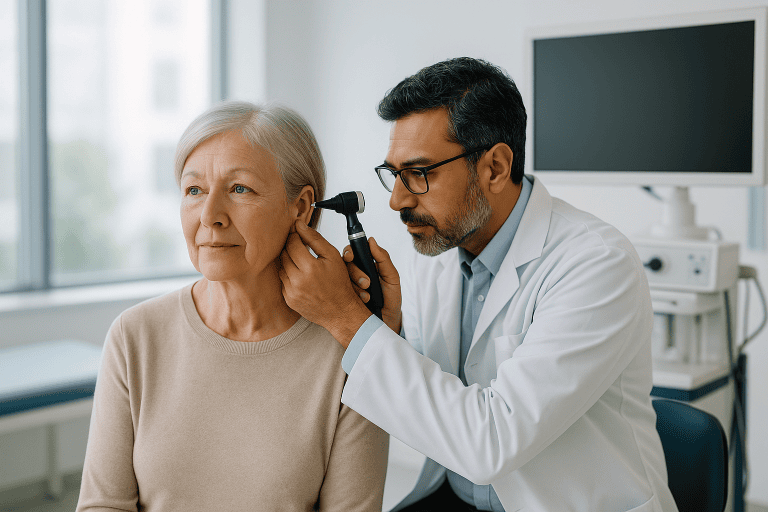
Nasal polyps diagnosis usually begins with a conversation about symptoms, how long the congestion has lasted, whether the sense of smell has changed, and whether there is a history of asthma, allergies, or repeated sinus infections. The doctor will then examine the nose. In many cases, this evaluation is carried out by an ear, nose, and throat (ENT) specialist, also called an otolaryngologist. At Acibadem, this condition is managed within the ear, nose, and throat (otorhinolaryngology) department.
Common steps and tests used to confirm the diagnosis include:
- Anterior rhinoscopy: a simple examination in which the doctor uses a light and a small instrument to look inside the front of the nose. Large polyps near the nostrils can sometimes be seen this way.
- Nasal endoscopy: the doctor passes a thin, flexible or rigid tube with a light and camera (an endoscope) into the nose. This allows a detailed view of the deeper nasal passages and the openings of the sinuses, where polyps often begin. The procedure is usually done in the clinic and is generally well tolerated, sometimes with a numbing spray.
- Computed tomography (CT) scan: a type of detailed X-ray imaging. A CT scan of the sinuses shows how far the polyps extend, how much of the sinuses are affected, and whether there are other structural problems. It is especially useful when surgery is being considered.
- Allergy testing: skin tests or blood tests may be used to find out whether allergies are contributing to the ongoing inflammation.
- Tests for cystic fibrosis: in children with nasal polyps, doctors may recommend a sweat test or genetic testing, because polyps in childhood can be a sign of this inherited condition.
- Blood tests: in some cases, doctors check for signs of infection, inflammation, or vitamin D levels, since low vitamin D has been observed in some people with chronic sinus inflammation.
If a growth looks unusual, affects only one side, bleeds, or behaves in an unexpected way, the doctor may take a small tissue sample (a biopsy) to examine under a microscope. This is done to rule out other conditions, since true nasal polyps are benign. Magnetic resonance imaging (MRI), which uses magnetic fields rather than X-rays, is occasionally used when doctors need more detail about surrounding tissues.
Treatment options for nasal polyps
The main goals of nasal polyps treatment are to shrink the polyps or remove them, relieve blockage, restore the sense of smell where possible, and reduce the inflammation that caused the polyps in the first place. Because nasal polyps are the result of an ongoing inflammatory process, treatment is often long term, and polyps can return even after successful therapy. Doctors usually start with medication and consider procedures or surgery if medicines are not enough.
Watchful waiting
Very small polyps that cause no symptoms may not need immediate treatment. In such cases, the doctor may simply monitor the condition over time and treat any underlying allergies or sinus inflammation to reduce the chance that the polyps grow.
Medications
- Nasal corticosteroid sprays: these are usually the first treatment. Corticosteroids are anti-inflammatory medicines; in spray form they act directly on the nasal lining with limited effect on the rest of the body. Used regularly, they can shrink polyps, ease congestion, and help prevent regrowth. It may take several weeks of consistent use before the benefit is clear.
- Oral corticosteroids: short courses of corticosteroid tablets can shrink polyps more quickly and are often used for larger polyps or before surgery. Because long-term use of oral steroids can cause significant side effects, doctors generally limit these courses in duration and frequency.
- Saline rinses: rinsing the nose with a salt-water solution helps clear mucus and allergens and can improve how well steroid sprays work. This is a low-risk supportive measure used in many treatment plans.
- Antihistamines and allergy treatment: if allergies are contributing to the inflammation, allergy medicines or, in selected cases, allergen immunotherapy (gradual desensitization to allergens) may be recommended.
- Antibiotics: these do not treat polyps themselves, but they may be prescribed when a bacterial sinus infection develops alongside the polyps.
- Biologic medicines: for adults with severe nasal polyps that keep returning despite other treatments, doctors may consider injectable biologic drugs. These are newer medicines that target specific molecules involved in the type of inflammation that drives polyp growth. They are typically used under specialist supervision and are not appropriate for every patient.
Surgery
When medicines do not adequately control symptoms, or when polyps are very large, surgery may be recommended. The standard operation is functional endoscopic sinus surgery (FESS). During this procedure, the surgeon uses an endoscope passed through the nostrils, with no external cuts on the face, to remove the polyps and open the natural drainage pathways of the sinuses. The operation is usually performed under general anesthesia, and many patients go home the same day or after a short stay, depending on the extent of surgery and local practice.
Surgery can bring significant relief of blockage and often improves the sense of smell, though improvement in smell is not guaranteed in every case. Importantly, surgery does not cure the underlying inflammatory tendency. For this reason, doctors almost always recommend continuing nasal steroid sprays and rinses after the operation to lower the chance that polyps grow back. Even with careful follow-up, polyps recur in a substantial proportion of patients over time, and some people need repeat treatment or, less commonly, repeat surgery.
Living with nasal polyps and outlook
Nasal polyps are best understood as a chronic, manageable condition rather than a one-time problem. With consistent treatment, many people achieve good control of their symptoms, breathing more easily, sleeping better, and in many cases recovering some or all of their sense of smell. At the same time, honest expectations matter: because the underlying inflammation tends to persist, polyps can return months or years after successful treatment, and long-term follow-up with an ENT specialist is often advised.
Practical steps that may help in daily life include:
- Using prescribed nasal sprays regularly, even when symptoms are mild, since stopping treatment early is a common reason polyps return
- Rinsing the nose with saline as recommended by your doctor
- Managing allergies and asthma carefully, because uncontrolled airway inflammation can worsen polyps
- Avoiding known irritants such as tobacco smoke, strong fumes, and dust where possible
- Using a humidifier if indoor air is very dry, which may help mucus flow more freely
- Avoiding aspirin and related pain relievers if you have been told you have aspirin sensitivity, and discussing safe alternatives with your doctor
People with nasal polyps who also have asthma should know that treating the nose and sinuses often helps overall breathing comfort, and that both conditions are usually managed together. Living with a reduced sense of smell can be frustrating and can affect appetite and safety (for example, detecting spoiled food or gas leaks), so it is reasonable to discuss this openly with your care team and take practical precautions at home, such as smoke and gas detectors.
Frequently asked questions
What is nasal polyps in simple terms?
Nasal polyps are soft, noncancerous growths that form on the inflamed lining of the nose or sinuses. They develop when long-lasting inflammation causes the lining to swell into teardrop-shaped growths. Small polyps may cause no symptoms, while larger ones can block the nose, reduce the sense of smell, and lead to repeated sinus infections.
Can nasal polyps go away on their own?
Established polyps rarely disappear entirely without treatment. However, medicines, especially nasal corticosteroid sprays and, in some cases, short courses of steroid tablets, can shrink polyps significantly and relieve symptoms in many people. Because the underlying inflammation tends to persist, ongoing treatment is often needed to keep polyps from growing back.
How serious are nasal polyps?
Nasal polyps themselves are benign, meaning they are not cancer and do not spread to other parts of the body. Their main impact is on quality of life: blocked breathing, poor sleep, loss of smell, and frequent sinus infections. In rare cases, very large or long-neglected polyps can affect nearby structures, which is one reason persistent symptoms should be evaluated rather than ignored.
Are nasal polyps a sign of cancer?
Typical nasal polyps are not cancerous. That said, other kinds of growths inside the nose can occasionally look similar, particularly if a growth appears on only one side, bleeds, or is painful. Doctors evaluate such cases carefully, sometimes with imaging or a small tissue sample, to make sure the correct diagnosis is made.
What is the best nasal polyps treatment?
There is no single best treatment for everyone. Most doctors begin with nasal corticosteroid sprays and saline rinses, adding short courses of steroid tablets when needed. If medicines are not enough, endoscopic sinus surgery can remove the polyps and open the sinuses. For severe, recurring cases, newer biologic medicines may be considered. Your doctor will tailor the plan to your symptoms, other health conditions, and how you respond to initial treatment.
What is recovery like after nasal polyp surgery?
Endoscopic sinus surgery is performed through the nostrils, so there are no visible cuts on the face. Many people return to light daily activities within days, though some congestion, mild discomfort, and light nasal discharge are common in the first weeks. Doctors usually recommend saline rinses and continued nasal steroid sprays after surgery, along with follow-up visits to clean the nasal passages and monitor healing. Individual recovery times vary, so your surgeon’s specific instructions should guide you.
Will my sense of smell come back after treatment?
In many cases, treating or removing nasal polyps improves the sense of smell, sometimes substantially. However, recovery of smell is not guaranteed, especially if the loss has been present for a long time. Continuing anti-inflammatory treatment after surgery appears to help maintain whatever improvement is achieved, and any return of smell loss can be an early sign that polyps are coming back.
When to see a doctor
It is reasonable to see a doctor if you have had a blocked or stuffy nose, ongoing nasal discharge, or a reduced sense of smell for more than about 10 to 14 days, or if these symptoms keep returning. Long-lasting nasal symptoms should not simply be assumed to be a lingering cold or allergy without evaluation.
Seek prompt or urgent medical attention if you experience any of the following red-flag warning signs:
- Sudden worsening of symptoms with high fever, which may indicate a spreading infection
- Swelling, redness, or pain around the eyes, or inability to move the eyes normally
- Sudden changes in vision, such as double vision or reduced sight
- Severe headache that is new, rapidly worsening, or accompanied by a stiff neck
- Confusion, unusual drowsiness, or difficulty staying alert
- Serious difficulty breathing that is not relieved by usual measures
- Repeated or heavy nosebleeds, or a growth in the nose that bleeds easily or is painful
- Swelling of the forehead or the area over the sinuses
These signs can point to complications, such as an infection spreading beyond the sinuses, and require urgent evaluation. Even without red flags, anyone with persistent nasal blockage, loss of smell, or frequent sinus infections benefits from a proper examination, since accurate diagnosis is the first step toward effective, long-term relief.
Medically reviewed by the Acıbadem International Medical Board September 2, 2026
See our medical review board →
Update history
- PublishedJune 8, 2026
- Medical review approvedSeptember 2, 2026
- Last content updateSeptember 2, 2026