Cirrhosis Symptoms: Possible Causes and When to Seek Care

Cirrhosis is long-term scarring of the liver that can develop slowly and may not cause symptoms at first. Common cirrhosis symptoms include fatigue, loss of appetite, nausea, itching, jaundice, abdominal swelling, and leg swelling.
Key Takeaways
- Cirrhosis is long-term scarring of the liver that can develop slowly and may not cause symptoms at first.
- Common cirrhosis symptoms include fatigue, loss of appetite, nausea, itching, jaundice, abdominal swelling, and leg swelling.
- Confusion, vomiting blood, black stools, severe sleepiness, or rapidly increasing abdominal swelling need urgent medical attention.
- The most common causes include chronic viral hepatitis, alcohol-related liver disease, and metabolic liver conditions such as fatty liver disease.
- Diagnosis usually involves blood tests, imaging, and sometimes additional tests to identify the cause and assess complications.
- Treatment focuses on the underlying cause, preventing complications, and supporting liver function.
Medically reviewed by the Acıbadem International Medical Board — July 23, 2026
Cirrhosis symptoms can range from subtle tiredness and poor appetite to swelling, jaundice, easy bruising, and mental confusion. Because early liver scarring may cause few warning signs, persistent or progressive symptoms should be assessed by a qualified doctor.
Overview: what cirrhosis symptoms may mean
Cirrhosis symptoms are the effects of long-term liver scarring. The liver normally filters blood, processes nutrients, helps fight infection, and makes proteins needed for clotting and fluid balance. When healthy liver tissue is gradually replaced by scar tissue, these functions become less efficient, and symptoms may start to appear.
One reason cirrhosis can be difficult to recognize is that early disease may cause few or very non-specific symptoms. A person may simply feel more tired than usual, lose interest in food, or notice mild bloating. As scarring progresses, symptoms often become more noticeable and may reflect complications such as fluid buildup, jaundice, or changes in thinking.
Cirrhosis itself is not a single symptom but a condition with many possible signs. Understanding the pattern matters: a combination of persistent fatigue, abdominal swelling, yellowing of the skin or eyes, easy bruising, or mental confusion is more concerning than an isolated, short-lived symptom. Proper medical evaluation is important because some causes can be treated and complications can often be reduced.
Common cirrhosis symptoms and warning signs
The symptoms of cirrhosis often develop gradually. In earlier stages, people may notice fatigue, weakness, loss of appetite, nausea, unintentional weight loss, or a vague feeling of abdominal discomfort. Some also experience itchy skin or feel full quickly after eating.
As liver function worsens, more specific signs may appear. Jaundice, which causes yellowing of the skin or eyes, can happen when the liver cannot process bilirubin effectively. Swelling in the legs, ankles, or abdomen may occur because of fluid retention. The abdomen may enlarge due to fluid buildup known as ascites.
Other possible cirrhosis symptoms include easy bruising or bleeding, dark urine, pale stools, redness of the palms, and visible spider-like blood vessels on the skin. Some men may notice breast enlargement or reduced libido, while women may have menstrual changes. These changes are linked to how liver disease affects hormones and protein production.
A more advanced warning sign is hepatic encephalopathy, a change in brain function caused by toxins that the liver can no longer clear well. This can lead to poor concentration, irritability, sleep pattern changes, confusion, slowed thinking, or unusual drowsiness. Any new mental change in someone with possible liver disease should be taken seriously.
Why cirrhosis develops: causes and risk factors

Cirrhosis is not a disease by itself but the result of ongoing liver injury over time. Common causes include chronic hepatitis B, chronic hepatitis C, alcohol-related liver disease, and nonalcoholic fatty liver disease, now often referred to within the broader spectrum of metabolic dysfunction-associated fatty liver disease. Repeated inflammation and damage encourage scar formation.
Other causes are less common but important. They include autoimmune hepatitis, inherited disorders such as hemochromatosis or Wilson disease, long-term bile duct diseases, and certain medications or toxins. In some people, more than one factor contributes to liver injury, such as alcohol use together with viral hepatitis or fatty liver disease.
Risk factors depend on the underlying cause. They may include heavy alcohol use, obesity, type 2 diabetes, high cholesterol, viral hepatitis exposure, family history of inherited liver disease, or pre-existing fatty liver disease. Having risk factors does not always mean cirrhosis is present, but it does increase the importance of assessment if symptoms develop.
It is also possible to have compensated cirrhosis, where the liver is heavily scarred but still able to perform many of its tasks. In this stage, symptoms may be minimal or absent. Decompensated cirrhosis means complications such as ascites, jaundice, bleeding, or encephalopathy have appeared, and this requires close medical care.
How doctors diagnose cirrhosis
Diagnosis begins with a medical history and physical examination. A doctor will ask about symptoms, alcohol intake, medicines, viral hepatitis risk, weight changes, and family history. On examination, they may look for jaundice, abdominal swelling, skin changes, tenderness, or signs of fluid retention.
Blood tests can help assess liver inflammation, bilirubin levels, protein production, and clotting function. They may also look for anemia, low platelets, viral hepatitis, or markers of autoimmune or metabolic liver disease. These tests do not confirm every case on their own, but they help show how well the liver is working and whether complications may be present.
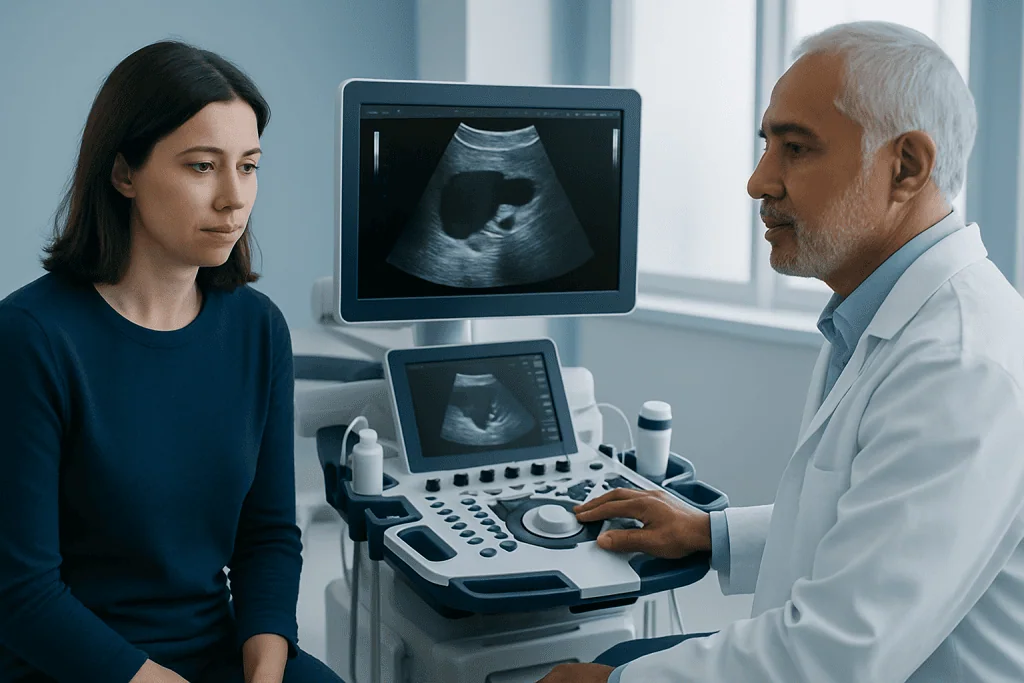
Imaging is often used to assess the liver’s structure and blood flow. Ultrasound is common, and some patients may need more detailed imaging such as MRI or CT scan if complications are suspected. In certain cases, elastography may be used to estimate liver stiffness, which can reflect scarring.
Doctors may also recommend endoscopy if there is concern about enlarged veins in the esophagus or stomach that could bleed. A liver biopsy is sometimes needed, though not always, especially when the cause is unclear or another condition is possible. If symptoms suggest a serious complication, evaluation may be urgent rather than routine.
Treatment options and managing complications
Treatment for cirrhosis focuses on three goals: treating the cause, slowing further liver damage, and managing complications. For example, a person with viral hepatitis may need antiviral treatment, while someone with alcohol-related liver disease is usually advised to avoid alcohol completely. If the cause is metabolic fatty liver disease, weight management and control of diabetes, blood pressure, and cholesterol can be important parts of care.
Many patients also need treatment for specific complications. Diuretics may help reduce fluid retention, and other medicines may be used to lower the risk of bleeding from enlarged veins or to improve symptoms of encephalopathy. Nutritional assessment is often part of treatment because muscle loss and vitamin deficiencies can accompany chronic liver disease.
When ascites, severe portal hypertension, or recurrent complications develop, specialist care becomes especially important. In advanced cases, liver transplantation may be considered. A transplant is not needed for everyone with cirrhosis, but it can be life-saving for selected patients with severe liver failure or difficult-to-control complications.
Patients may also require monitoring for liver cancer and other problems linked to cirrhosis. Depending on the individual situation, doctors may recommend regular blood work, ultrasound surveillance, or specialized imaging. In complex cases, multidisciplinary hepatology and gastroenterology teams help coordinate ongoing care, including evaluation with tests such as liver biopsy when needed.
Prevention and self-care for liver health
Not every case of cirrhosis can be prevented, but many can be reduced by addressing known risks. Important steps include limiting or avoiding alcohol, maintaining a healthy weight, staying physically active, and managing diabetes, blood pressure, and cholesterol. Vaccination against hepatitis A and B may be recommended for some people with chronic liver disease or risk factors.
Medicines and supplements should be used carefully because some can affect the liver. People should avoid taking more than the recommended dose of any medication and should ask a doctor before using herbal products or over-the-counter remedies regularly. A healthcare professional can advise which medicines are safe in the setting of liver disease.
If cirrhosis has already been diagnosed, self-care becomes part of daily management. This may include following a doctor’s advice about sodium intake, tracking sudden weight gain that may suggest fluid retention, keeping all follow-up visits, and having recommended screening tests. Stopping alcohol and smoking, if relevant, can support overall health.
People with known cirrhosis should not assume that stable symptoms mean the condition is unchanged. New swelling, increasing fatigue, more bruising, fever, black stools, or confusion should be reported promptly. The course of liver disease can change over time, and early action may help prevent more serious complications.
When to seek medical care
Medical care is appropriate if cirrhosis symptoms are persistent, unexplained, or worsening. A person should arrange an appointment if they develop yellowing of the eyes or skin, ongoing fatigue, poor appetite, nausea, leg swelling, abdominal bloating, easy bruising, or unexplained weight loss. These symptoms do not always mean cirrhosis, but they should not be ignored.
Urgent assessment is needed for possible signs of a complication. These include vomiting blood, black or tarry stools, severe abdominal swelling, shortness of breath related to fluid buildup, fever with abdominal pain, marked sleepiness, fainting, new confusion, or trouble staying awake. Such symptoms can point to internal bleeding, infection, or hepatic encephalopathy and need prompt medical attention.
People with heavy alcohol use, chronic viral hepatitis, diabetes, obesity, or known liver disease should be especially careful about early evaluation. Symptoms may overlap with other liver conditions, including hepatitis, so a diagnosis should be made by a qualified clinician rather than by symptoms alone.
For international patients who need specialist assessment, Acibadem International’s multidisciplinary teams in JCI-accredited hospitals diagnose and treat liver conditions using coordinated gastroenterology, hepatology, imaging, and surgical services when appropriate.
Frequently asked questions
What are the first signs of cirrhosis?
Early cirrhosis symptoms can be mild and non-specific. Common early signs include fatigue, weakness, loss of appetite, nausea, and mild abdominal discomfort or bloating. Some people have no obvious symptoms until the disease is more advanced.
Can cirrhosis cause itching?
Yes, itchy skin can occur with cirrhosis and other liver diseases. It may happen because substances that are normally processed by the liver build up in the body. Persistent itching should be discussed with a doctor, especially if it occurs with jaundice or dark urine.
Does cirrhosis always cause pain?
No, cirrhosis does not always cause pain. Some people feel fullness or discomfort in the upper abdomen, while others mainly notice fatigue, swelling, or jaundice. Severe abdominal pain is not typical and may suggest a complication or another condition that needs prompt evaluation.
When are cirrhosis symptoms an emergency?
Emergency warning signs include vomiting blood, black stools, severe confusion, extreme sleepiness, fainting, severe shortness of breath, or rapid abdominal swelling. These symptoms may signal bleeding, infection, or liver failure complications. Immediate medical care is important.
Can cirrhosis symptoms improve with treatment?
Some symptoms can improve when the cause is treated and complications are managed. For example, swelling may lessen, mental symptoms may improve, and further liver damage may be slowed. However, scar tissue itself is often not fully reversible, which is why early diagnosis matters.
How is cirrhosis different from fatty liver disease?
Fatty liver disease means fat has built up in the liver, often with little or no scarring at first. Cirrhosis is a later stage of chronic liver damage where significant scar tissue has formed. Not everyone with fatty liver disease develops cirrhosis, but the risk rises if inflammation and injury continue over time.
References
- World Health Organization
- National Institute of Diabetes and Digestive and Kidney Diseases
- American Association for the Study of Liver Diseases
- National Health Service
- European Association for the Study of the Liver
This article is for general information only and is not a substitute for professional medical advice. Please consult a qualified doctor about your individual situation.
Cirrhosis in Turkey — costs, top hospitals & a free quote
JCI-accredited · board-certified surgeons · reply within 24h

More from the Health Library



Related Specialists

Dt. Tubahan Kaya
Oral & Dental Health
Assoc. Prof. Dr. Halenur Bozdağ
Gynecology & Obstetrics
Dr. Alp Er Tunga Bölükbaşı
Orthopedic Surgery & Traumatology
Dr. Nejmıye Tunçay
Radiology