Ipratropium: A Complete Medical Overview

Ipratropium helps widen the airways and can reduce wheezing, shortness of breath, and chest tightness. It is commonly used for COPD and may also be prescribed in selected asthma or nasal symptom cases.
Key Takeaways
- Ipratropium helps widen the airways and can reduce wheezing, shortness of breath, and chest tightness.
- It is commonly used for COPD and may also be prescribed in selected asthma or nasal symptom cases.
- Common side effects include dry mouth, throat irritation, and cough; eye exposure should be avoided.
- It should be used exactly as prescribed and is not a substitute for urgent medical care during severe breathing distress.
- People with glaucoma, urinary problems, or certain prostate conditions should discuss safety with a doctor.
Ipratropium is a bronchodilator medicine that helps relax and open the airways, making breathing easier for some people with chronic lung conditions. It is most commonly used in COPD and may also be used in certain asthma or nasal symptom situations under medical guidance.
Overview: what ipratropium is and how it works
Ipratropium is a medicine that helps open narrowed airways. It belongs to a group of drugs called anticholinergic bronchodilators. By relaxing the muscles around the breathing tubes, it can make it easier for air to move in and out of the lungs.
It is most often used as an inhaled medicine for chronic obstructive pulmonary disease, or COPD, including chronic bronchitis and emphysema. In some situations, doctors also use it as part of asthma treatment, usually alongside other medicines rather than on its own. It can also be prescribed as a nasal spray for a runny nose caused by colds or allergies.
Unlike some medicines that act very quickly for sudden severe breathing attacks, ipratropium is usually one part of a broader treatment plan. Many people use it regularly to control symptoms or as directed during symptom flare-ups. A doctor decides the most appropriate form, schedule, and combination based on the person’s age, lung condition, and overall health.
What conditions is ipratropium used for?
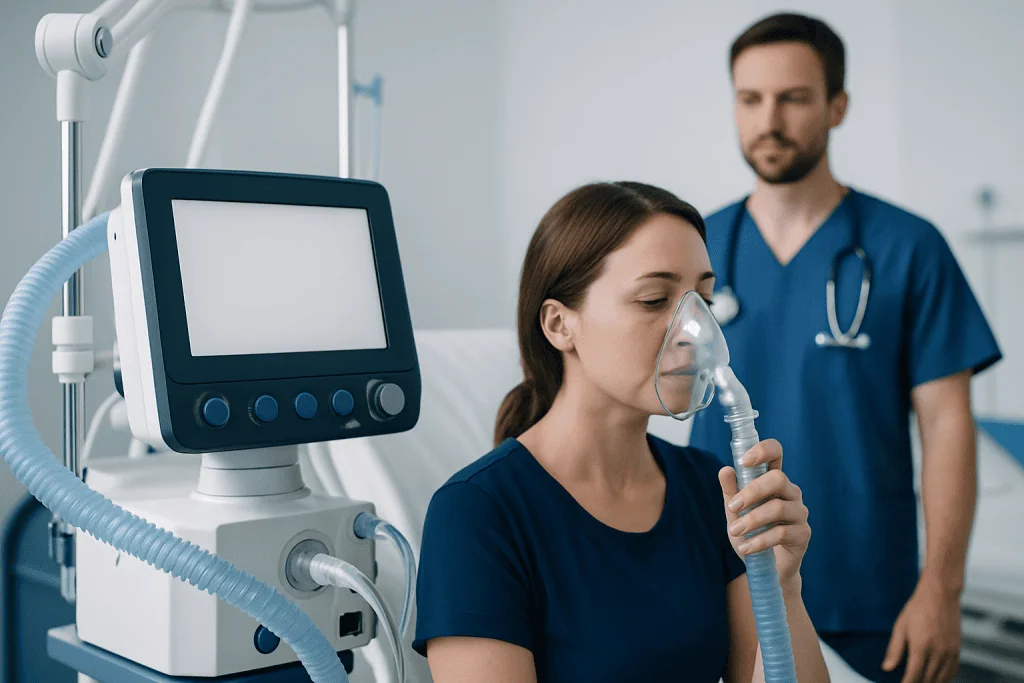
The main use of ipratropium is symptom relief in COPD. People with COPD may have chronic cough, mucus production, wheezing, and breathlessness caused by long-term airway narrowing and inflammation. Ipratropium can help reduce these symptoms by widening the air passages.
In asthma care, ipratropium may be added in selected situations, such as more intense symptom episodes or when a doctor wants an additional bronchodilator effect. It is not usually the only medicine used for asthma because airway inflammation often also needs treatment. For some patients, treatment plans may involve asthma treatment that includes different inhaled medicines working together.
Ipratropium nasal spray is a different form of the same medicine. It does not open the lungs, but it can help reduce a watery runny nose associated with colds or allergies. Because the inhaled and nasal forms are used differently, it is important not to interchange them unless a doctor specifically advises it.
- Inhaled ipratropium: mainly used for COPD and some asthma-related situations
- Nasal ipratropium: used to reduce excessive nasal discharge
- Combination products: sometimes used with another bronchodilator for stronger symptom relief
How ipratropium is taken

Ipratropium may be prescribed as a metered-dose inhaler, a nebulizer solution, or a nasal spray. The right option depends on the condition being treated, the person’s age, how well they can use an inhaler device, and whether fast support is needed in a clinical setting. Some people find nebulizers easier during flare-ups, while others manage well with handheld inhalers.
Correct technique matters. With an inhaler, the medicine needs to reach the lungs rather than staying in the mouth or throat. Patients are often advised to learn the proper steps from a doctor, nurse, or pharmacist and to review technique regularly, especially if symptoms are not improving as expected.
It is also important to avoid spraying or misting ipratropium into the eyes. Eye exposure can cause irritation and may worsen certain eye conditions. If a treatment plan becomes more complex, specialists may assess inhaler technique and broader options through COPD treatment or respiratory follow-up tailored to symptom patterns.
Benefits, expected effects, and limits
The main benefit of ipratropium is easier breathing. Many patients notice less chest tightness, less wheezing, and improved ability to carry out daily activities. In COPD, it may help reduce the day-to-day burden of symptoms and support better control when used as prescribed.
Ipratropium can also be useful in combination with other bronchodilators. Different medicines relax the airways in different ways, so doctors sometimes use them together to improve symptom relief. This is especially common in chronic lung disease management, where treatment often needs to be individualized over time.
At the same time, ipratropium has limits. It does not cure COPD or asthma, and it does not reverse the underlying disease process. It should not be seen as a replacement for medical assessment when breathing becomes suddenly much worse, oxygen levels fall, or symptoms no longer respond to the usual treatment plan.
Possible side effects and precautions
Like all medicines, ipratropium can cause side effects, although not everyone has them. Common effects include dry mouth, mild throat irritation, cough, and an unpleasant taste after inhalation. These are often manageable, but persistent symptoms should be discussed with a clinician.
Eye irritation is an important precaution, especially if the medicine accidentally reaches the eyes. In susceptible people, this may trigger eye pain, blurred vision, or worsening of narrow-angle glaucoma. People who already have glaucoma should tell their doctor before starting treatment and should use the device carefully.
Some patients may also need extra caution if they have difficulty urinating, an enlarged prostate, or bladder outlet problems. Rarely, people can develop worsening wheeze immediately after using an inhaled medicine; this is called paradoxical bronchospasm and needs urgent medical advice. Any allergic reaction, severe dizziness, or sudden worsening of breathing should be treated as a reason to seek prompt care.
- Common: dry mouth, cough, throat irritation, unpleasant taste
- Use caution with glaucoma or urinary retention problems
- Avoid getting the spray or mist into the eyes
- Seek urgent help for severe breathing worsening or signs of allergy
Who should talk to a doctor before using ipratropium?
Before starting ipratropium, patients should tell their doctor about all current medicines and any diagnosed lung, eye, urinary, or heart conditions. This helps reduce the risk of side effects and makes it easier to choose the safest treatment plan. Special attention may be needed for older adults, who are more likely to have glaucoma or prostate-related urinary symptoms.
Pregnancy and breastfeeding questions should also be reviewed with a qualified clinician. Treatment decisions in these situations are based on balancing symptom control with overall safety, and the best choice can differ from person to person. A pharmacist or doctor can also explain whether other inhalers or nasal medicines may overlap with ipratropium’s effects.
People who have frequent flare-ups, ongoing cough, or unexplained shortness of breath may need a broader evaluation rather than medicine changes alone. In some cases, doctors investigate with lung function tests or imaging and may coordinate care through pulmonology services to confirm the diagnosis and optimize long-term management.
Practical self-care while using ipratropium
Medicine works best when it is part of a wider self-care plan. People with chronic breathing symptoms often benefit from avoiding tobacco smoke, reducing exposure to air pollutants where possible, and following vaccination advice given by their doctor. Regular review of inhaler technique can also improve symptom control without changing the prescription.
It may help to keep track of symptoms such as morning cough, nighttime breathlessness, exercise tolerance, and how often rescue medicines are needed. A simple diary can show whether treatment is helping and whether symptoms are stable or gradually getting worse. This information can make follow-up visits more useful.
Some patients also benefit from breathing exercises, activity pacing, and pulmonary rehabilitation if recommended. Near the end of the care pathway, some international patients may seek multidisciplinary assessment at Acibadem International, where JCI-accredited hospitals diagnose and treat respiratory conditions with specialist support.
When to seek medical care
Medical advice is important if symptoms are not improving, if cough or wheezing is becoming more frequent, or if the medicine seems less effective than before. A doctor should also review any bothersome side effects, especially eye symptoms, urinary difficulty, or repeated throat irritation.
Urgent care is needed for severe shortness of breath, bluish lips or fingertips, chest pain, confusion, fainting, or wheezing that rapidly worsens after using the medicine. These signs can suggest a serious breathing problem or another medical emergency and should not be managed at home alone.
Anyone with a first episode of significant breathlessness should also be assessed rather than self-treating. Breathing problems can have many causes, including infection, heart disease, asthma, and pneumonia, so a clear diagnosis is important before deciding on the right treatment.
Frequently asked questions
What is ipratropium used for?
Ipratropium is mainly used to help relieve breathing symptoms caused by narrowed airways, especially in COPD. In some cases, it is also used as part of asthma treatment or as a nasal spray for a runny nose.
Is ipratropium a steroid?
No. Ipratropium is not a steroid. It is an anticholinergic bronchodilator, which means it helps relax the airway muscles to make breathing easier.
How quickly does ipratropium work?
Ipratropium usually starts helping within a relatively short time after inhalation, but the exact timing can vary from person to person and by formulation. It is important to use it exactly as prescribed and not assume it can replace urgent medical care during severe breathing distress.
What are the most common side effects of ipratropium?
Common side effects include dry mouth, throat irritation, cough, and an unusual taste. Many people tolerate the medicine well, but persistent or troublesome side effects should be discussed with a doctor.
Can ipratropium affect the eyes?
Yes, it can if the spray or mist gets into the eyes. This may cause irritation, blurred vision, or worsening of narrow-angle glaucoma, so careful device use is important.
Can ipratropium be used with other inhalers?
Yes, doctors often prescribe ipratropium together with other inhaled medicines, depending on the lung condition and symptom pattern. These combinations should only be used according to medical advice to avoid confusion or duplicate treatment.
This article is for general information only and is not a substitute for professional medical advice. Please consult a qualified doctor about your individual situation.
Explore treatments in Turkey — costs, top hospitals & a free quote
JCI-accredited · board-certified surgeons · reply within 24h
Add us as a Preferred Source to see more of our trusted health content across Google Search, AI Overviews and Discover.

More from the Health Library

Audism: A Complete Medical Overview

Aloe Vera Gel Burning: What Patients Need to Know

Canned Pumpkin: An Evidence-Based Guide for Patients

Types of cancer: Symptoms, Causes, and Treatment — Complete Patient Guide

Guava — Explained by Medical Evidence, Not Myths