Cervical Polyp: A Complete Clinical Guide for Patients
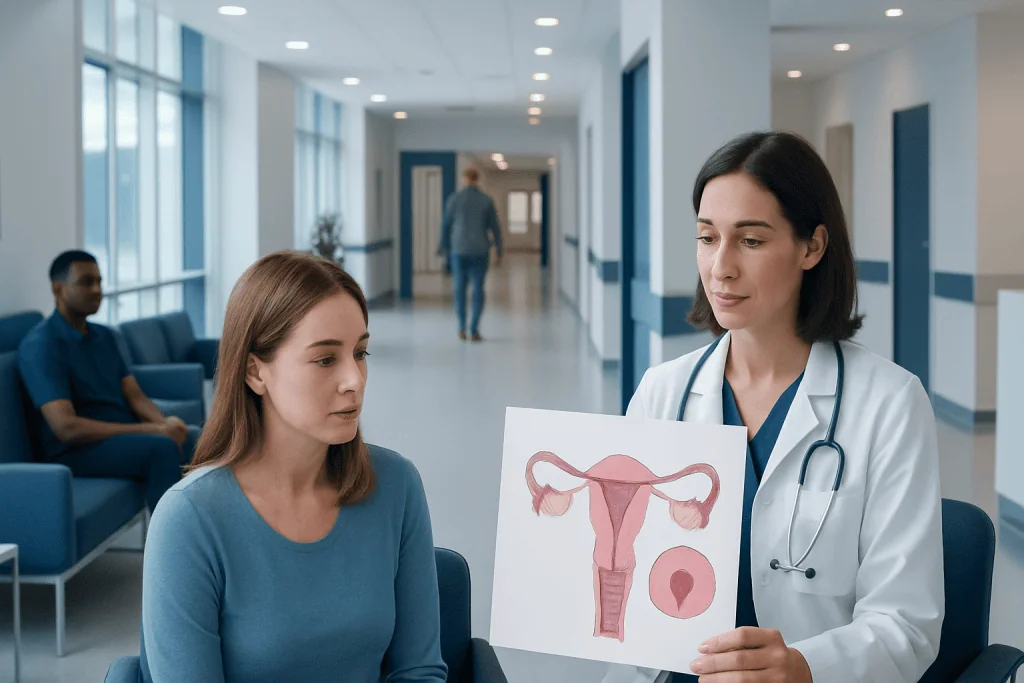
Most cervical polyps are noncancerous, but medical evaluation is still important. Common symptoms include spotting after sex, bleeding between periods, or unusual vaginal discharge.
Key Takeaways
- Most cervical polyps are noncancerous, but medical evaluation is still important.
- Common symptoms include spotting after sex, bleeding between periods, or unusual vaginal discharge.
- Diagnosis usually involves a pelvic exam and may include a Pap test, colposcopy, or biopsy.
- Treatment often means simple removal of the polyp, especially if it causes symptoms or looks atypical.
- Regular gynecologic care helps detect cervical changes early and supports overall cervical health.
Medically reviewed by the Acıbadem International Medical Board — July 24, 2026
A cervical polyp is a small growth that develops on the cervix, the lower part of the uterus that opens into the vagina. Most cervical polyps are benign and treatable, but they should be evaluated because they can cause bleeding, discharge, or resemble other cervical conditions.
Overview: What a Cervical Polyp Is
A cervical polyp is a small, finger-like growth that forms on the surface of the cervix or inside the cervical canal. The cervix is the lower part of the uterus that connects to the vagina. In many cases, a cervical polyp is found during a routine gynecologic examination and may not cause any symptoms at all.
Most cervical polyps are benign, meaning they are not cancer. Even so, a doctor usually recommends evaluation because bleeding or a visible growth on the cervix can sometimes be linked to other conditions that need attention. This is why a cervical polyp should not be ignored, even when it seems minor.
These growths may be single or multiple, though a single polyp is more common. They are often red or purple because they contain many small blood vessels, and they can vary in size. Some remain very small, while others become large enough to protrude through the cervical opening.
A patient-centered approach is important because people often first notice symptoms such as spotting or discharge and may worry about cancer or fertility problems. In most cases, the outlook is reassuring. Prompt assessment helps confirm the diagnosis and guide simple, appropriate care.
Symptoms and How a Cervical Polyp May Present
A cervical polyp may cause no symptoms and be discovered by chance during a pelvic exam or cervical screening. When symptoms do occur, the most common pattern is unexpected bleeding. This can include spotting between periods, bleeding after sexual intercourse, or light bleeding after menopause.
Some people also notice increased vaginal discharge. The discharge may be white, yellow, or occasionally blood-streaked, especially if the polyp becomes irritated. Larger or more fragile polyps may bleed more easily because they contain delicate tissue and blood vessels.
Symptoms can overlap with those of infection, hormonal changes, or other cervical conditions. For this reason, self-diagnosis is not reliable. A visible or symptomatic cervical polyp needs a professional assessment to distinguish it from issues such as cervical cancer or inflammation of the cervix.
- Spotting between periods
- Bleeding after sex
- Bleeding after menopause
- Heavier or prolonged menstrual bleeding in some cases
- Unusual vaginal discharge
Why Cervical Polyps Develop: Causes and Risk Factors
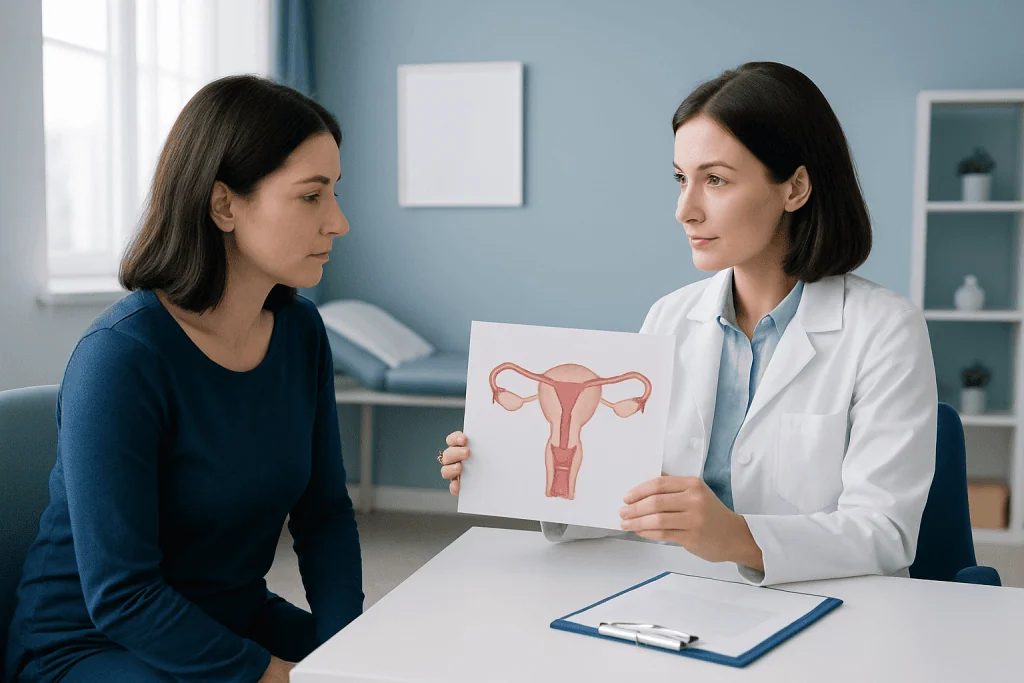
The exact cause of a cervical polyp is not always clear. Doctors believe that several factors may contribute, including chronic inflammation of the cervix, abnormal response to estrogen, and congestion of blood vessels in the cervical area. These changes may encourage the tissue to grow outward into a polyp.
Cervical polyps are seen more often in adults who have had children and in people over age 20, especially around the reproductive years and perimenopause. They are less common before menstruation begins. Hormonal influences may play a role, although not every case is linked to an obvious hormonal problem.
Long-standing irritation or infection of the cervix may also be associated with polyp formation. For example, cervicitis can cause inflammation that changes the cervical lining over time. Polyps are not the same as sexually transmitted infections, but infections may need to be ruled out if discharge, pain, or inflammation is present.
Having a cervical polyp does not necessarily mean there is a serious underlying disease. Still, other conditions can cause similar symptoms, such as uterine polyps, fibroids, or precancerous cervical changes. This is one reason why a full gynecologic evaluation remains important.
How Doctors Diagnose a Cervical Polyp
Diagnosis usually begins with a medical history and pelvic exam. During the exam, a doctor may see a soft, reddish growth attached to the cervix by a thin stalk or a broader base. The appearance often strongly suggests a cervical polyp, but visual inspection alone does not always answer every question.
Additional tests may be used based on symptoms, age, and screening history. A Pap test may be recommended if cervical screening is due or if there are concerns about abnormal cervical cells. If the cervix looks unusual, the doctor may advise colposcopy to examine cervical tissue more closely under magnification.
In many cases, the polyp is removed and sent to a laboratory for histopathologic examination. This helps confirm that the tissue is benign and excludes uncommon but important abnormalities. If irregular bleeding is present, the doctor may also evaluate the uterus and ovaries to check for other causes.
Diagnosis can be straightforward, but the goal is broader than simply naming the growth. A careful evaluation helps determine whether the polyp is the true source of symptoms and whether any other cervical or uterine condition needs treatment.
Treatment Options and What Removal Involves
Treatment depends on the size of the polyp, whether it is causing symptoms, and how it looks on examination. Small, typical-looking polyps may sometimes be removed easily in an outpatient setting. Removal is commonly recommended if the polyp is bleeding, causes discharge, appears atypical, or is found after menopause.
Cervical polyp removal is usually a simple procedure. A doctor may gently grasp the polyp and twist it off, or use a surgical instrument to remove it. Some patients may feel brief cramping or mild discomfort, but the procedure is often quick. Afterward, the base may be cauterized to reduce bleeding and lower the chance of recurrence.
If the growth is broad-based, difficult to reach, or associated with other uterine symptoms, more detailed assessment may be needed. In selected cases, doctors may evaluate the uterine cavity with hysteroscopy if there is concern that additional polyps or other abnormalities may be present higher in the reproductive tract.
Any removed tissue is usually sent for laboratory testing. This step is routine and reassuring rather than alarming. If symptoms such as bleeding persist after removal, further evaluation may be needed to look for other causes unrelated to the cervical polyp.
Recovery, Follow-Up, and Self-Care After Treatment
Recovery after cervical polyp removal is usually uncomplicated. Mild spotting or light cramping may occur for a short time, especially in the first day or two. Patients are often advised to follow the doctor’s instructions about vaginal intercourse, tampons, or douching for a brief period while the cervix heals.
Follow-up depends on the pathology result and the patient’s symptoms. If the polyp is benign and symptoms resolve, routine gynecologic care may be all that is needed. If bleeding continues, recurs, or is associated with abnormal screening results, the doctor may recommend further tests.
It is helpful to monitor the pattern of any future bleeding, including whether it happens after sex, between periods, or after menopause. This information can guide the doctor if symptoms return. Even when a polyp has been removed successfully, unusual bleeding should not be dismissed as normal without medical advice.
People who are anxious about recurrence can be reassured that many polyps do not come back after removal. However, recurrence is possible, which makes regular cervical screening and pelvic exams an important part of long-term care.
Can Cervical Polyps Be Prevented?
There is no guaranteed way to prevent a cervical polyp because the exact cause is not always known. However, regular gynecologic care can help detect cervical changes early and identify inflammation, infection, or abnormal bleeding before symptoms become more troublesome.
Keeping up with recommended cervical screening is one of the most practical steps. Depending on age and personal history, this may include Pap testing and HPV-related screening. These tests do not prevent a cervical polyp directly, but they help monitor cervical health and identify other important conditions early.
Prompt treatment of vaginal or cervical infections may also support cervical health. Patients should avoid self-treating persistent discharge or bleeding without knowing the cause, since these symptoms can overlap with several gynecologic conditions. Safe sexual health practices and routine checkups are sensible preventive habits overall.
General reproductive health measures also matter. A balanced lifestyle, awareness of menstrual changes, and timely consultation for postmenopausal bleeding or spotting after sex can all contribute to earlier diagnosis and treatment when needed.
When to Seek Medical Care
Medical care should be sought for any unexplained vaginal bleeding, especially bleeding after sex, bleeding between periods, or any bleeding after menopause. While a cervical polyp is often benign, these symptoms should always be evaluated to rule out other causes. Ongoing unusual discharge, pelvic discomfort, or a previously noted cervical growth also deserves attention.
Urgent assessment is especially important if bleeding is heavy, accompanied by dizziness, severe pain, fever, or a foul-smelling discharge. These features may suggest infection or another condition that needs prompt care. Patients should also contact a doctor if symptoms continue after a known polyp has been removed.
If additional evaluation is needed, doctors may use imaging or tissue-based tests alongside examination. In some situations, biopsy helps clarify whether abnormal tissue is benign, inflammatory, or precancerous. Care is individualized based on age, symptoms, and screening history.
For international patients who need specialist assessment, Acibadem International’s multidisciplinary teams in JCI-accredited hospitals diagnose and treat cervical conditions with coordinated gynecologic care. The goal is to identify the cause clearly and choose the least invasive effective treatment whenever possible.
Frequently asked questions
Is a cervical polyp usually cancerous?
No, most cervical polyps are benign. However, doctors usually recommend evaluation and often removal because a growth on the cervix can sometimes resemble other conditions, and laboratory examination confirms the diagnosis.
Can a cervical polyp go away on its own?
Some very small polyps may remain stable for a long time, but they do not reliably disappear on their own. If a polyp causes bleeding, discharge, or looks unusual, a doctor will often advise removal.
Does cervical polyp removal hurt?
Removal is often a quick outpatient procedure and many patients feel only mild cramping or brief discomfort. The exact experience depends on the size and position of the polyp and the method used to remove it.
Can a cervical polyp affect fertility or pregnancy?
Most cervical polyps do not cause fertility problems. In uncommon cases, a large polyp could interfere with the cervical canal, but this is not typical. A gynecologist can advise whether treatment is needed before pregnancy.
Can a cervical polyp come back after removal?
Yes, recurrence is possible, although many patients do not develop another polyp after treatment. Regular gynecologic follow-up helps detect any new growths or other causes of bleeding early.
What is the difference between a cervical polyp and a uterine polyp?
A cervical polyp grows on the cervix, while a uterine polyp grows inside the uterus on the endometrial lining. Both can cause abnormal bleeding, but they arise in different locations and may require different evaluation methods.
References
- American College of Obstetricians and Gynecologists
- National Cancer Institute
- World Health Organization
- Merck Manual Professional Edition
This article is for general information only and is not a substitute for professional medical advice. Please consult a qualified doctor about your individual situation.
Explore treatments in Turkey — costs, top hospitals & a free quote
JCI-accredited · board-certified surgeons · reply within 24h