Duodenal Switch: What Patients Need to Know

Duodenal switch works through both restriction and reduced absorption of calories and nutrients. It is usually considered for people with severe obesity, especially when obesity-related medical conditions are present.
Key Takeaways
- Duodenal switch works through both restriction and reduced absorption of calories and nutrients.
- It is usually considered for people with severe obesity, especially when obesity-related medical conditions are present.
- This operation often leads to significant weight loss, but it also carries a higher risk of vitamin and protein deficiencies than some other bariatric procedures.
- Lifelong medical follow-up, blood tests, and daily supplements are essential after surgery.
- Recovery includes gradual diet progression, regular movement, hydration, and long-term lifestyle changes.
Duodenal switch is a type of bariatric surgery that combines a smaller stomach with changes to the small intestine, helping some people achieve substantial long-term weight loss. It can also improve obesity-related health conditions, but it requires lifelong follow-up, vitamin supplementation, and careful attention to nutrition.
Overview: what duodenal switch is and who it may help
Duodenal switch is a weight loss operation that changes both the stomach and the small intestine. In most cases, the surgeon removes a large portion of the stomach to create a narrow sleeve, then reroutes part of the small intestine so food bypasses a longer section of bowel. This means a person feels full with less food and absorbs fewer calories and nutrients.
Because it combines two mechanisms, duodenal switch is generally considered one of the most powerful forms of bariatric surgery for long-term weight reduction. It may also help improve obesity-related conditions such as type 2 diabetes, obstructive sleep apnea, high blood pressure, and fatty liver disease. However, its stronger metabolic effect also means it requires more intensive long-term nutritional monitoring than many other procedures.
Doctors usually consider duodenal switch for adults with severe obesity, especially when body weight is very high or when major metabolic disease is present. Suitability depends on overall health, eating patterns, previous abdominal surgery, mental health, and the ability to commit to follow-up care. In some centers, this procedure may be discussed alongside other obesity surgery options so the plan can be matched to the individual.
How the procedure works
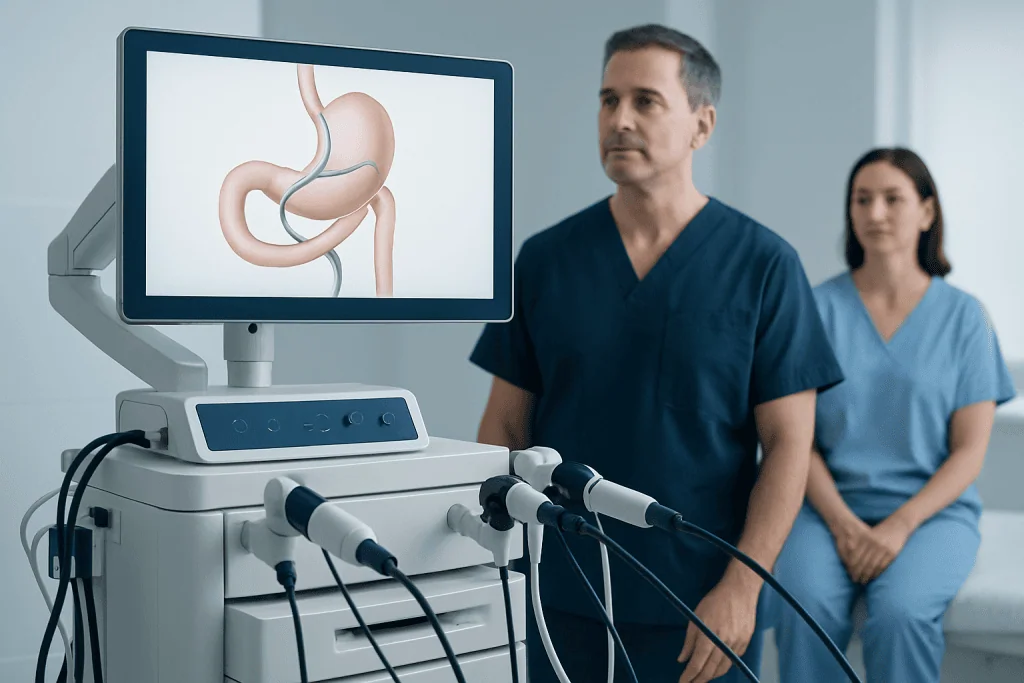
Duodenal switch is often performed laparoscopically, using small incisions and specialized instruments. The first part of the operation is a sleeve gastrectomy, which reduces stomach capacity. The second part reconnects the intestine so digestive juices and food meet later in the digestive tract, shortening the length of bowel where absorption takes place.
There are different technical variations, including classic duodenal switch and single-anastomosis duodeno-ileal bypass with sleeve gastrectomy, sometimes called SADI-S. The exact approach varies by surgeon experience, patient anatomy, medical needs, and local practice. Patients should ask which version is being recommended and why.
Compared with procedures that mainly limit portion size, duodenal switch has a stronger malabsorptive component. That is why it can be especially effective for severe obesity and metabolic disease, but also why it demands careful, lifelong attention to protein intake, vitamins, minerals, and regular blood testing. For some people, other procedures such as gastric sleeve surgery or gastric bypass may be more appropriate depending on medical goals and risk profile.
Potential benefits and expected results

The main goal of duodenal switch is meaningful and sustained weight loss. Many patients also experience improvement in obesity-related health conditions, especially blood sugar control. In some cases, medications for diabetes, blood pressure, or sleep apnea may be reduced after surgery, but these decisions should always be made by the treating medical team.
Benefits can go beyond the scale. Some people notice better mobility, reduced joint strain, improved quality of sleep, greater ability to exercise, and a better overall sense of health. The operation may also lower health risks associated with severe obesity over time when combined with long-term lifestyle change.
Results vary from person to person. Weight loss depends on starting weight, age, hormone and metabolic factors, eating habits, physical activity, and adherence to follow-up. Duodenal switch is a tool rather than a stand-alone cure, so long-term success is strongest when surgery is paired with nutrition guidance, activity, psychological support, and regular medical care.
Risks, side effects, and long-term considerations
All surgery carries risks, and duodenal switch is a complex bariatric procedure. Short-term surgical risks can include bleeding, infection, blood clots, leakage from staple lines or bowel connections, and problems related to anesthesia. These complications are not common for most patients, but they are important to discuss before surgery.
Long-term issues often relate to nutrition and digestion. Because the procedure reduces absorption, people may develop low levels of iron, vitamin B12, folate, calcium, vitamin D, and fat-soluble vitamins such as A, E, and K. Protein malnutrition is also possible if intake is poor or follow-up is inconsistent. This is why lifelong supplements and laboratory monitoring are a central part of care, not an optional extra.
Digestive changes are also common. Some patients have looser stools, more frequent bowel movements, gas, bloating, or strong-smelling stool, especially if they eat a diet high in fat or processed foods. Reflux can occur in some cases, and gallstones may develop during rapid weight loss. People with persistent symptoms should be checked for complications, deficiencies, or other digestive conditions such as gastroesophageal reflux disease.
- Possible short-term risks: bleeding, infection, leaks, clots, anesthesia-related problems
- Possible long-term risks: vitamin and mineral deficiencies, protein deficiency, bowel habit changes, gallstones, dehydration
- Ongoing needs: supplements, blood tests, nutrition review, exercise, and routine follow-up
Evaluation before surgery and how doctors make the diagnosis of suitability
Duodenal switch is not diagnosed like a disease; instead, doctors assess whether a person is a suitable candidate for the operation. This evaluation usually includes body mass index, obesity-related illnesses, previous attempts at medically supervised weight loss, and readiness to follow lifelong postoperative care. A detailed conversation helps the team understand goals, expectations, and any barriers to recovery.
Preoperative testing may include blood tests, heart and lung evaluation, nutritional assessment, and screening for conditions that could affect surgery or recovery. Some patients may also need sleep studies, liver assessment, upper gastrointestinal endoscopy, or imaging. Mental health support is often part of the process because emotional eating, depression, anxiety, or substance use can influence outcomes.
Team-based care is especially important. Bariatric surgeons often work with endocrinologists, dietitians, psychologists, anesthesiologists, and sometimes gastroenterologists. If a person has severe obesity with related health issues such as type 2 diabetes, the surgical plan is usually designed with those conditions in mind.
Treatment journey: surgery, hospital stay, and recovery
Preparation usually begins weeks before the operation. Patients may be advised to stop smoking, review medications, follow a preoperative diet, and increase physical activity as tolerated. These steps can help lower surgical risk and make recovery smoother. The care team also explains what to bring to hospital, how pain control will work, and what the first days after surgery will look like.
After surgery, most patients stay in hospital for monitoring, early walking, fluid intake, and pain management. The first stage of recovery focuses on hydration, breathing exercises, and gentle movement to reduce the risk of blood clots and chest complications. Eating progresses gradually from liquids to pureed foods, then soft foods, and eventually a structured long-term diet.
Recovery continues for months rather than days. Fatigue is common early on, and appetite may change significantly. Regular appointments are used to monitor weight loss, lab values, bowel symptoms, protein intake, and supplement adherence. Patients benefit from learning how to plan balanced meals, recognize signs of dehydration or deficiency, and build sustainable habits around sleep and exercise. Near the end of the care pathway, some international patients may choose centers such as Acibadem International, where multidisciplinary specialists in JCI-accredited hospitals evaluate and treat bariatric conditions with coordinated follow-up.
Prevention of problems and long-term self-care after duodenal switch
The most important way to prevent complications after duodenal switch is to follow the long-term care plan closely. This usually includes taking prescribed vitamin and mineral supplements every day, attending routine appointments, and having regular blood tests. Even when a person feels well, deficiencies can develop silently over time.
Daily habits matter. Patients are generally advised to prioritize protein, drink enough water between meals, eat slowly, chew thoroughly, and limit highly processed, sugary, or fatty foods that can worsen digestive symptoms. Alcohol may affect the body differently after bariatric surgery, so it should be discussed with the treating team.
Physical activity supports weight maintenance, heart health, mobility, and emotional well-being. Sleep, stress management, and social support are also part of long-term success. If weight regain happens, it should be approached without blame. The cause may involve diet, hormones, mental health, anatomy, or medication effects, and a bariatric team can help identify practical next steps.
When to seek medical care
Anyone considering duodenal switch should speak with a qualified bariatric specialist rather than relying only on general online advice. A professional assessment is especially important for people with severe obesity, diabetes, sleep apnea, heart disease, liver disease, or previous abdominal surgery. This helps ensure the procedure choice is safe and appropriate.
After surgery, prompt medical attention is needed for warning signs such as fever, worsening abdominal pain, chest pain, shortness of breath, repeated vomiting, inability to drink fluids, fainting, black stools, rapid heartbeat, or redness and drainage from the incision. These symptoms do not always mean a serious complication is present, but they should not be ignored.
Patients should also arrange review for ongoing diarrhea, severe fatigue, hair loss, numbness, muscle weakness, brittle nails, bone pain, or unexpected weight changes, as these can point to nutritional deficiencies. Early evaluation often allows problems to be corrected before they become more serious.
Frequently asked questions
Is duodenal switch the same as gastric bypass?
No. Both are bariatric procedures, but duodenal switch combines sleeve gastrectomy with a stronger intestinal bypass, leading to more reduced absorption. Gastric bypass changes the stomach and intestinal route too, but the anatomy and nutritional effects are different.
Who is a good candidate for duodenal switch?
It is often considered for adults with severe obesity, especially when obesity-related conditions such as type 2 diabetes or sleep apnea are present. The best candidate is someone who is medically suitable for surgery and prepared for lifelong supplements, blood tests, and follow-up.
How much weight can a person lose after duodenal switch?
Weight loss varies by individual, and no exact amount can be guaranteed. In general, duodenal switch is associated with substantial weight reduction, particularly when combined with consistent nutrition, physical activity, and long-term medical support.
What can a person eat after duodenal switch surgery?
The diet usually progresses in stages, starting with liquids, then pureed foods, soft foods, and finally regular textured foods. Long term, meals typically focus on protein, hydration, and nutrient-dense choices while limiting foods that trigger digestive discomfort.
Will vitamins be needed for life after duodenal switch?
Yes, lifelong supplementation is generally necessary after duodenal switch. Because the operation reduces nutrient absorption, vitamins and minerals need to be replaced regularly, and blood tests help make sure the supplement plan is working.
Can duodenal switch improve diabetes?
It can improve blood sugar control in many patients and may reduce the need for some diabetes medications. However, response varies, and diabetes care should remain supervised by a doctor before and after surgery.
This article is for general information only and is not a substitute for professional medical advice. Please consult a qualified doctor about your individual situation.
Medical weight-loss options in Turkey — costs & eligibility
JCI-accredited · board-certified surgeons · reply within 24h
Add us as a Preferred Source to see more of our trusted health content across Google Search, AI Overviews and Discover.
Check your numbers in seconds
BMI, calories, due date, blood pressure and 30+ more clinical calculators — free, instant, doctor-reviewed ranges.

More from the Health Library

Sand Flea Bites: A Complete Medical Overview

Agonal Breathing — Explained by Medical Evidence, Not Myths

Dark Spot on Lip: An Evidence-Based Guide for Patients

Dimple in the Buttocks — Explained by Medical Evidence, Not Myths

Finger Joints: What Patients Need to Know