Atrophic Scarring: What Patients Need to Know

Atrophic scarring appears as indentations in the skin because tissue is lost during healing. Acne is one of the most common causes, but chickenpox, injury, and inflammation can also lead to atrophic scars.
Key Takeaways
- Atrophic scarring appears as indentations in the skin because tissue is lost during healing.
- Acne is one of the most common causes, but chickenpox, injury, and inflammation can also lead to atrophic scars.
- Different scar patterns, such as ice pick, boxcar, and rolling scars, may need different treatment approaches.
- A dermatologist usually diagnoses atrophic scarring through skin examination and medical history.
- Treatment often improves scars gradually rather than removing them completely.
- Early treatment of acne and sun protection may help reduce the risk of more noticeable scarring.
Medically reviewed by the Acıbadem International Medical Board — July 24, 2026
Atrophic scarring is a type of depressed or sunken scar that develops when the skin does not make enough collagen during healing. It is commonly linked to acne, chickenpox, injury, or inflammation, and several medical and procedural treatments may help improve its appearance.
Overview
Atrophic scarring is a type of scar that sits below the surrounding skin surface. It happens when the skin heals with too little collagen, fat, or other supportive tissue, leaving a small depression or uneven texture. Many patients notice it after acne, but it can also follow chickenpox, injury, surgery, or inflammatory skin conditions.
Unlike raised scars such as hypertrophic or <a href="https://acibademinternational.com/diseases/keloid-scars/”>keloid scars, atrophic scars look sunken rather than thickened. They may vary from tiny deep pits to broader shallow depressions. The appearance depends on how much tissue was lost and where the scar formed.
Atrophic scarring is not usually dangerous, but it can affect confidence, comfort, and quality of life. It may be especially noticeable on the face, where lighting can make texture changes stand out more clearly. For this reason, many patients seek medical advice not only for cosmetic reasons but also for emotional well-being.
It is helpful to know that treatment is often possible. Improvement usually takes time, and the best plan depends on scar type, skin type, and the underlying cause. In some patients, atrophic scarring overlaps with acne or other active skin concerns, so treating both the cause and the scar is often important.
How Atrophic Scars Look and Feel
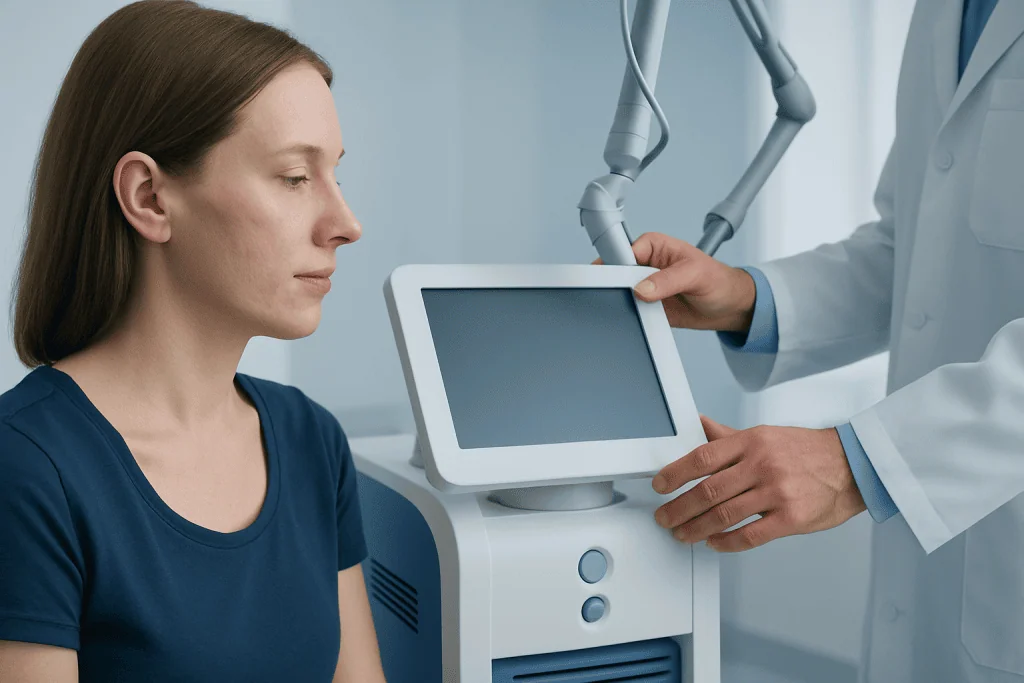
Atrophic scars are usually identified by their sunken appearance. They may appear lighter or darker than the surrounding skin, and some become more visible in certain lighting. Most do not cause pain, but some patients report tenderness, tightness, or self-consciousness about the way the skin looks.
Doctors often group atrophic acne scars into three common patterns:
- Ice pick scars: narrow, deep scars that extend into the skin and look like tiny punctures.
- Boxcar scars: wider depressions with more defined edges, often round or oval.
- Rolling scars: broad, shallow depressions that create a wave-like or uneven texture.
A patient may have just one type of scar, but many have a combination. This matters because one treatment may work better for rolling scars, while another may be more useful for deep ice pick scars. A careful assessment helps guide realistic treatment choices.
Atrophic scarring can occur on the face, chest, back, shoulders, or any area that has healed after inflammation or trauma. Facial scars often receive the most attention, but scars on the body can also affect comfort, clothing choices, and self-image.
Causes and Risk Factors

The main cause of atrophic scarring is incomplete repair of the skin after damage or inflammation. During normal healing, the body produces collagen to rebuild the skin. If too little collagen forms, or if deeper support tissue is lost, a depression can remain after the wound closes.
Common causes include inflammatory acne, chickenpox, skin infections, injury, burns, and some surgical wounds. Severe or long-lasting inflammation is more likely to leave a scar. Picking, squeezing, or scratching lesions can further damage tissue and increase the chance of visible scarring.
Several factors may raise the risk of atrophic scarring:
- Moderate to severe acne, especially nodules or cysts
- Delayed treatment of acne or skin inflammation
- Frequent picking or manipulation of spots
- Family tendency toward more noticeable scarring
- Certain skin types or healing responses
- Sun exposure, which can worsen discoloration and make scars more obvious
Not everyone with acne or skin injury develops atrophic scarring. However, early control of inflammation is one of the most practical ways to reduce risk. If active breakouts continue, a doctor may discuss medical management and, when appropriate, procedures such as acne treatment before or alongside scar-focused care.
How Doctors Diagnose Atrophic Scarring
Atrophic scarring is usually diagnosed during a clinical skin examination. A dermatologist or other qualified doctor looks at the shape, depth, location, and number of scars and asks about acne history, infections, past treatments, and how long the scars have been present.
Diagnosis does not usually require laboratory tests. The main goal is to confirm the scar type and decide whether there is still active inflammation, pigmentation change, or another skin condition that could affect treatment results. Photographs may be used to document the starting point and monitor progress over time.
Skin tone, scar age, and previous procedures are all relevant. For example, darker skin tones may have a higher risk of post-inflammatory pigmentation changes after some procedures, so treatment planning should be individualized. A doctor also checks whether the patient tends to form raised scars, since that may influence the safest choice.
Sometimes atrophic scars need to be distinguished from enlarged pores, stretch marks, or other textural changes. A careful consultation helps set realistic expectations. In many cases, several methods used in stages produce the most balanced improvement rather than a single procedure alone.
Treatment Options
Treatment for atrophic scarring aims to improve skin texture, reduce depth, and make scars less noticeable. Complete removal is not always possible, but many patients achieve meaningful improvement. The best approach depends on scar type, severity, skin tone, and whether there is still active acne.
Doctors may recommend topical products for overall skin renewal, such as retinoids or other prescription treatments, particularly when acne is still present. While creams alone usually do not erase deeper atrophic scars, they may support collagen turnover and improve discoloration. Strict sun protection is also an important part of treatment because ultraviolet exposure can make scars and post-inflammatory marks appear more prominent.
Procedural options may include chemical peels, microneedling, subcision, fillers, laser resurfacing, punch techniques for selected deep scars, or energy-based devices. For some patients, procedures such as laser treatment may help smooth the skin surface, while others may benefit more from chemical peel techniques or combined plans. Broader texture concerns are often discussed within the context of skin rejuvenation strategies tailored to the individual.
Combination treatment is common because different scars respond differently. For example, rolling scars may improve with release of tethered tissue, while ice pick scars may need a more targeted technique. Results are usually gradual and may require multiple sessions spaced over time. A qualified clinician can explain likely benefits, side effects, recovery time, and whether maintenance care may be needed.
Prevention and Self-care
The most effective prevention is early treatment of the condition causing the inflammation, especially acne. When breakouts are controlled sooner, there is less ongoing damage to the skin and less risk of collagen loss. Patients who develop painful, deep, or persistent acne should seek medical advice rather than relying only on over-the-counter products.
Avoiding picking, squeezing, or scratching spots is also very important. Manipulating lesions can increase inflammation, push material deeper into the skin, and slow proper healing. Gentle skin care usually works better than harsh scrubbing or repeated use of irritating products.
Helpful self-care measures include:
- Using a broad-spectrum sunscreen daily
- Choosing non-comedogenic skin care and cosmetics
- Keeping a consistent acne treatment routine if prescribed
- Avoiding aggressive home procedures or unverified remedies
- Following aftercare instructions carefully after professional treatments
Some improvement in skin texture can occur over time, but established atrophic scars often need medical treatment for more noticeable change. Patients should be cautious with home devices or strong peels, which may irritate the skin or cause pigmentation problems if used incorrectly.
When to Seek Medical Care
It is sensible to seek medical care if skin lesions are leaving visible indentations, if acne is painful or persistent, or if scars are affecting confidence or daily life. Earlier assessment may allow the doctor to treat active inflammation before more scars develop and to discuss options while the scars are still relatively new.
Medical advice is also important if the skin becomes red, swollen, tender, or shows signs of infection, or if a patient is unsure whether a mark is truly a scar. A dermatologist can distinguish atrophic scarring from other skin conditions and help avoid treatments that may not be suitable for a specific skin type.
Patients considering procedures should seek care from qualified professionals with experience in scar assessment. Individualized planning is especially important for patients with darker skin tones, a history of abnormal scarring, or ongoing acne. Near the end of the care journey, some international patients choose centers such as Acibadem International, where multidisciplinary specialists in JCI-accredited hospitals evaluate and treat skin concerns with tailored plans.
Because scar treatment is highly individualized, realistic expectations matter. Improvement is often stepwise rather than immediate, and the safest plan is based on professional assessment, not a one-size-fits-all approach seen online or on social media.
Frequently asked questions
What is atrophic scarring?
Atrophic scarring is a depressed or sunken scar caused by loss of collagen or tissue during healing. It commonly develops after acne, chickenpox, injury, or skin inflammation. The scar sits below the surrounding skin rather than rising above it.
Can atrophic scars go away on their own?
Mild scars may become less noticeable over time, but established atrophic scars usually do not disappear completely without treatment. Some gradual softening can occur naturally. Medical procedures are often needed for more significant improvement.
Are atrophic scars the same as acne scars?
Not exactly. Atrophic scars are one type of scar, and acne is one of the most common causes. In other words, many acne scars are atrophic, but atrophic scars can also result from other conditions or injuries.
Which treatment works best for atrophic scarring?
There is no single best treatment for every patient. The most effective option depends on the scar type, skin tone, depth of scarring, and whether active acne is still present. Many patients benefit from a combination of treatments rather than one approach alone.
Is atrophic scarring permanent?
Atrophic scars can be long-lasting, but permanent does not mean untreatable. Many therapies can improve texture and reduce how visible scars look. Results vary, and improvement is usually gradual over several sessions or months.
Can picking pimples cause atrophic scars?
Yes, picking or squeezing pimples can increase inflammation and damage deeper layers of skin. This may raise the risk of developing more noticeable scars. Avoiding manipulation and treating acne early can help reduce that risk.
References
- American Academy of Dermatology
- National Institute of Arthritis and Musculoskeletal and Skin Diseases
- Mayo Clinic
- British Association of Dermatologists
This article is for general information only and is not a substitute for professional medical advice. Please consult a qualified doctor about your individual situation.
Explore treatments in Turkey — costs, top hospitals & a free quote
JCI-accredited · board-certified surgeons · reply within 24h