Malpractice: What Patients Need to Know

Malpractice is not the same as every unwanted outcome; it involves care that may have failed to meet accepted medical standards and caused harm. Common situations include delayed diagnosis, medication errors, surgical mistakes, poor follow-up, and failures in communication or informed consent.
Key Takeaways
- Malpractice is not the same as every unwanted outcome; it involves care that may have failed to meet accepted medical standards and caused harm.
- Common situations include delayed diagnosis, medication errors, surgical mistakes, poor follow-up, and failures in communication or informed consent.
- Patients who suspect malpractice should prioritize medical care, gather records, document events clearly, and discuss concerns with a qualified professional.
- A careful medical review is often needed to distinguish a complication, a known treatment risk, and possible malpractice.
- Clear communication, second opinions, and active involvement in care can help reduce preventable harm.
Medically reviewed by the Acıbadem International Medical Board — July 24, 2026
Malpractice means patient harm linked to medical care that falls below accepted professional standards. For patients, the most practical questions are how to recognize possible malpractice, what steps to take after a concerning event, and how to protect health while concerns are reviewed.
Overview: what malpractice means in healthcare
Malpractice is harm related to medical care that may occur when a clinician, hospital, or healthcare team does not meet the accepted standard of care. In simple terms, it refers to treatment, diagnosis, follow-up, or communication that falls below what a reasonably skilled professional would be expected to provide in a similar situation, and that failure contributes to injury.
For patients, the word can feel confusing because not every disappointing or serious outcome is malpractice. Some illnesses are difficult to diagnose, some treatments carry known risks even when performed correctly, and some conditions worsen despite timely, appropriate care. A poor result alone does not prove wrongdoing.
What matters most is whether there was a preventable lapse in care and whether that lapse caused harm. This usually requires a detailed review of records, the timeline of events, test results, consent forms, and what symptoms or warning signs were present at the time. Because of this, malpractice is both a medical and legal concept, but the patient’s first concern should always be health and safety.
How malpractice can happen
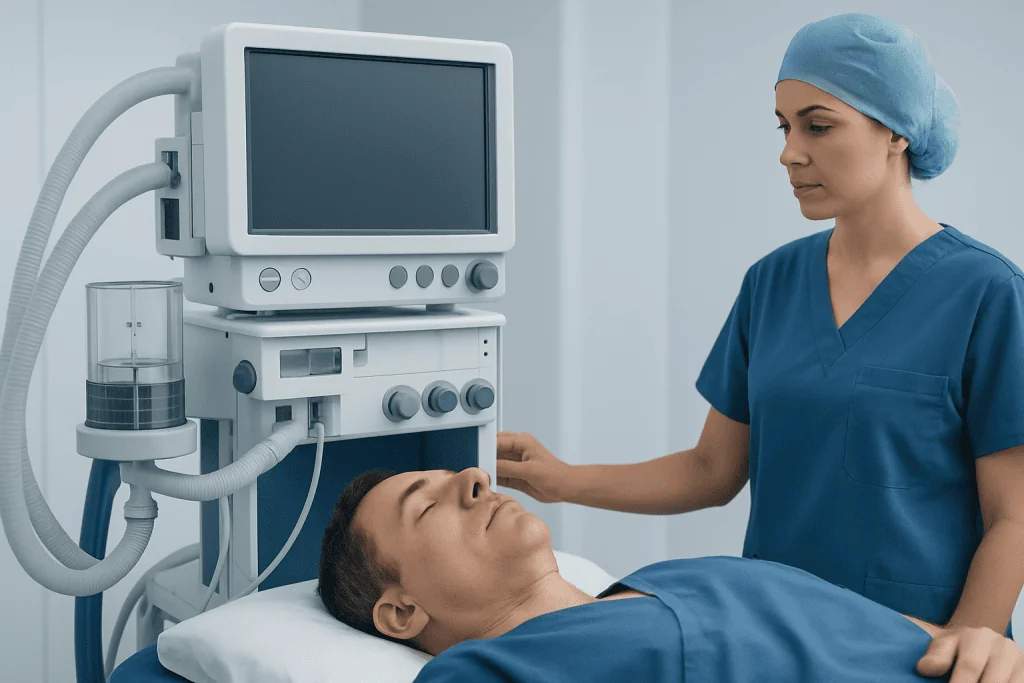
Possible malpractice can arise at many points in care, from the first clinic visit to surgery, hospital discharge, or long-term follow-up. In many situations, the issue is not one dramatic event but a series of small failures, such as missed symptoms, delayed test review, unclear instructions, or poor communication between departments.
Common examples include a delayed or missed diagnosis, prescribing the wrong medicine, failure to recognize worsening symptoms, operating on the wrong site, injury during a procedure, or inadequate monitoring after treatment. Problems can also involve failure to obtain proper informed consent, meaning a patient was not clearly told about important risks, alternatives, or expected benefits before agreeing to treatment.
System factors may also contribute. Heavy workloads, incomplete records, handoff failures, similar-sounding medication names, and fragmented care across multiple providers can increase the chance of preventable errors. Even so, each case must be reviewed carefully. A recognized complication is not automatically malpractice, and a delay in diagnosis is not automatically negligent if symptoms were unclear or testing was appropriately staged.
- Diagnostic errors or delayed diagnosis
- Medication mistakes or allergy-related errors
- Surgical or procedural injuries
- Birth-related injuries
- Failure to monitor or respond to emergencies
- Inadequate follow-up, discharge planning, or communication
Signs a patient may need closer review

Patients often wonder how to tell the difference between a normal complication and possible malpractice. There is no single sign that confirms it, but certain patterns deserve closer review. These include a major delay before a serious condition was diagnosed, records that appear incomplete or inconsistent, test results that were not communicated, or a sudden deterioration after a medication or procedure without a clear explanation.
Another concern is when symptoms were repeatedly reported but not addressed, or when the treatment plan changed without the patient fully understanding why. Unexpected return to hospital, severe infection after a procedure, injury to an organ or nerve, or progression of disease because of a missed follow-up can also raise questions. In some situations, the underlying condition itself may be relevant, such as a delayed diagnosis of colon cancer or complications related to untreated stroke.
These signs should not be used to self-diagnose malpractice. Instead, they are reasons to seek prompt medical review and ask for a clear explanation. A second opinion can help patients understand whether the outcome reflects a known risk, the natural course of illness, or a potentially preventable problem in care.
What to do if malpractice is suspected
If a patient suspects malpractice, the first step is to make sure current medical needs are addressed. Worsening symptoms, severe pain, breathing problems, fever after a procedure, uncontrolled bleeding, new weakness, or confusion should be assessed urgently. Protecting health comes before collecting documents or pursuing complaints.
Once medically stable, patients can request copies of their medical records, discharge summaries, test reports, imaging results, medication lists, and consent forms. It also helps to write a factual timeline of what happened, including symptoms, appointments, phone calls, advice received, and when concerns were raised. Keeping names, dates, and specific questions organized can make later discussions more productive.
Patients may then consider a second opinion from a relevant specialist. Depending on the situation, this may involve expert evaluation in diagnosis and treatment of colon cancer, stroke care, or a comprehensive check-up if the problem is still not clearly explained. Patients can also contact the hospital’s patient relations or quality department to ask for clarification, review, or support navigating the process.
In some cases, people also seek independent legal advice. That decision depends on local laws and the nature of the harm. A legal professional can explain documentation needs and time limits, but medical reassessment remains essential because it may affect both recovery and understanding of what occurred.
How doctors and hospitals evaluate possible malpractice
Reviewing possible malpractice usually starts with a clinical analysis rather than assumptions. Clinicians or independent experts compare the care provided with accepted standards for that setting and time. They look at symptoms, examination findings, timing of tests, treatment choices, communication, and whether another reasonable professional would likely have acted differently.
Causation is another key question. Even if an error occurred, reviewers ask whether it directly caused injury or changed the outcome. For example, if a cancer diagnosis was delayed, did that delay affect stage, treatment options, or recovery? If a medication was prescribed incorrectly, did it lead to a reaction, organ injury, or hospitalization? This step is important because complex illnesses can progress despite appropriate care.
Hospitals may also examine whether system issues played a role, such as staffing, handoff problems, unclear protocols, or delayed result reporting. The goal of review is not only to understand what happened in one patient’s case but also to improve patient safety and reduce the risk of similar events in the future. In some cases, multidisciplinary teams are involved, especially when surgery, imaging, intensive care, or long-term treatment overlap.
Treatment, recovery, and support after medical harm
When malpractice or another medical error may have caused injury, treatment focuses first on the patient’s immediate needs. This might include managing infection, correcting medication-related problems, treating surgical complications, controlling pain, or arranging urgent specialist care. Some people need rehabilitation, mental health support, or repeat procedures to address lasting effects.
Recovery plans vary widely depending on the type of harm. A delayed diagnosis may require a new treatment pathway, such as surgery, medicines, or closer monitoring. A procedural injury may call for expert review by another specialist team. When the initial problem remains uncertain, targeted reassessment can help define what needs treatment now and what can be safely watched over time.
Emotional effects also matter. Patients may feel loss of trust, anger, anxiety, grief, or fear about future treatment. These reactions are understandable. Clear communication, supportive follow-up, and access to counseling or patient advocacy services can help people regain confidence and make informed choices about ongoing care. Near the end of the process, some international patients choose evaluation at centers such as Acibadem International, where multidisciplinary specialists in JCI-accredited hospitals diagnose and treat complex conditions with coordinated care.
Prevention, patient rights, and when to seek medical care
Many healthcare harms are not fully preventable, but patients can reduce risk by taking an active role in care. Helpful steps include keeping an updated medication list, mentioning allergies clearly, bringing previous records to appointments, confirming the purpose of tests and treatments, and asking what warning signs should prompt urgent follow-up. Before surgery or major treatment, patients can ask about alternatives, expected recovery, and common risks. If something feels unclear, a second opinion is reasonable.
Patients also have important rights. These generally include the right to receive information in understandable language, to ask questions, to give or refuse informed consent, to access medical records, and to seek another medical opinion. Respectful communication does not guarantee a perfect outcome, but it often improves safety and helps detect problems earlier.
Medical care should be sought urgently for chest pain, sudden shortness of breath, severe allergic reaction, new weakness, facial drooping, severe headache, heavy bleeding, signs of stroke, high fever after a procedure, confusion, seizures, or rapidly worsening pain. Non-emergency medical review is also important if symptoms are not improving as expected, test results were never explained, a new medicine caused concerning effects, or there are persistent doubts about whether the diagnosis or treatment plan is correct.
Patients should remember that raising concerns is appropriate and can be done calmly and factually. Asking for explanations, requesting records, and seeking timely reassessment are practical steps that support both safety and informed decision-making.
Frequently asked questions
Is every bad medical outcome considered malpractice?
No. A bad outcome alone does not mean malpractice occurred. Some diseases are difficult to diagnose, and some treatments carry known risks even when care is appropriate. Malpractice generally involves care that fell below accepted standards and caused harm.
What is the difference between a medical error and malpractice?
A medical error is a broader term that can include mistakes in treatment, communication, or systems of care. Malpractice usually refers to an error or failure that did not meet the professional standard of care and resulted in injury. Not every error leads to harm, and not every harmful outcome is due to malpractice.
What should a patient do first if malpractice is suspected?
The first priority is to get appropriate medical attention, especially if symptoms are worsening or urgent. After that, it is helpful to gather records, write a timeline, and seek a second medical opinion. Patients may also contact the hospital’s patient relations team for clarification and support.
Can a delayed diagnosis be malpractice?
Sometimes, yes, but only after careful review. A delayed diagnosis may raise concern if symptoms or test results should reasonably have led to earlier action and the delay caused additional harm. However, some conditions develop gradually or present in ways that are genuinely difficult to recognize early.
Do patients have a right to see their medical records?
In most healthcare systems, patients can request access to their records, test reports, and discharge information, although the process varies by country and institution. Having these records can help clarify what happened and support continuity of care. If needed, hospital administrative staff can explain how to request them.
Should a patient get a second opinion after a serious complication?
A second opinion is often a sensible step when the diagnosis is uncertain, recovery is not going as expected, or the explanation for harm remains unclear. Another specialist may confirm the original approach or suggest further testing and treatment. This can improve confidence and help guide next steps.
References
- World Health Organization
- Agency for Healthcare Research and Quality
- Centers for Disease Control and Prevention
- National Institutes of Health
- American Medical Association
This article is for general information only and is not a substitute for professional medical advice. Please consult a qualified doctor about your individual situation.
Explore treatments in Turkey — costs, top hospitals & a free quote
JCI-accredited · board-certified surgeons · reply within 24h