Diencephalon: An Evidence-Based Guide for Patients

The diencephalon sits deep in the brain and includes the thalamus, hypothalamus, epithalamus, and subthalamus. It helps regulate sensory signals, sleep-wake rhythms, hunger, body temperature, hormone balance, and movement.
Key Takeaways
- The diencephalon sits deep in the brain and includes the thalamus, hypothalamus, epithalamus, and subthalamus.
- It helps regulate sensory signals, sleep-wake rhythms, hunger, body temperature, hormone balance, and movement.
- Symptoms of diencephalon disorders vary widely and may include headaches, vision changes, sleep problems, hormone-related symptoms, or changes in awareness.
- Diagnosis usually combines a neurological exam with brain imaging and, when needed, hormone or vision testing.
- Treatment depends on the cause and may involve medication, hormone care, rehabilitation, or surgery for certain tumors or structural conditions.
Medically reviewed by the Acıbadem International Medical Board — July 25, 2026
The diencephalon is a central part of the brain that helps control sensation, hormones, temperature, sleep, appetite, and alertness. It includes structures such as the thalamus and hypothalamus, so when this area is affected, symptoms can involve many body systems rather than one single problem.
Overview: what the diencephalon is and why it matters
The diencephalon is a group of important brain structures located deep near the center of the brain, above the brainstem and between the cerebral hemispheres. Although many people have not heard the term before, the diencephalon plays a vital role in everyday life. It helps the brain organize incoming sensory information, regulate hormones, maintain body temperature, support sleep and alertness, and coordinate parts of movement and emotion.
The main parts of the diencephalon are the thalamus, hypothalamus, epithalamus, and subthalamus. Each has a different role, but they work closely together. The thalamus acts as a major relay station for signals traveling to the cerebral cortex. The hypothalamus helps control the body’s internal balance, often called homeostasis. The epithalamus includes structures involved in sleep-related rhythms, and the subthalamus contributes to movement control.
Because this region connects the nervous system with the endocrine system, diencephalon disorders may affect both brain function and the rest of the body. For example, a problem in this area might cause headaches or vision symptoms, but it can also lead to changes in appetite, thirst, sleep, menstrual cycles, growth, mood, or temperature regulation. This broad range of effects is one reason doctors look carefully at the deep brain when symptoms involve several systems at once.
Understanding the diencephalon can help patients make sense of symptoms and medical tests. Rather than thinking of it as one single organ with one job, it is more helpful to think of it as a control hub that helps the body stay balanced while processing information from both inside and outside the body.
Main parts of the diencephalon and what they do
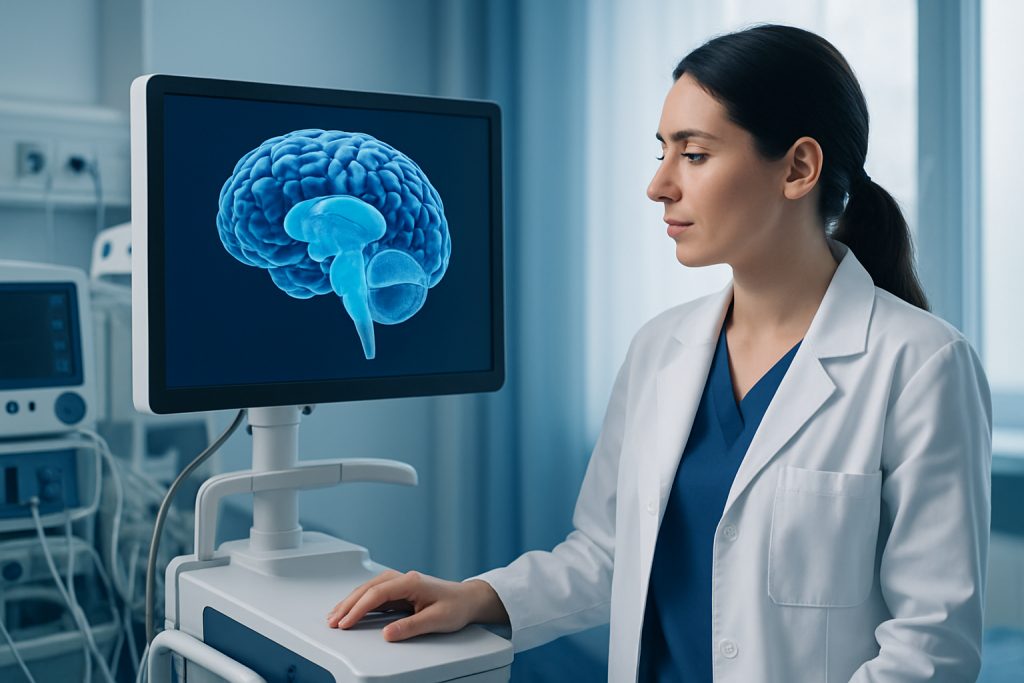
The thalamus is the largest and best-known part of the diencephalon. It receives and relays many sensory signals, including touch, pain, temperature, and visual and hearing-related information, to the appropriate areas of the brain. It also contributes to attention, consciousness, and some aspects of memory and emotion. If the thalamus is injured or affected by disease, a person may experience sensory changes, pain syndromes, movement changes, or difficulties with alertness.
The hypothalamus is small but highly influential. It helps regulate hunger, thirst, sleep, body temperature, stress responses, sexual function, and hormone activity through its close relationship with the pituitary gland. In practical terms, it helps the body maintain a steady internal environment. When the hypothalamus is not working normally, symptoms can include unexplained weight change, sleep disturbance, heat or cold intolerance, unusual thirst, and hormone-related problems.
The epithalamus includes the pineal gland, which is involved in the body’s sleep-wake cycle through melatonin secretion. The subthalamus helps coordinate movement by interacting with other deep brain structures. This is why some movement disorders can involve areas connected to the diencephalon, especially the subthalamic region.
Together, these structures support many functions at once. A simple symptom such as daytime sleepiness or reduced concentration can sometimes involve diencephalic pathways, but so can more obvious neurological symptoms. This overlap is one reason a careful evaluation is important if symptoms are persistent, progressive, or unexplained.
Symptoms linked to diencephalon problems

There is no single symptom that proves a problem is coming from the diencephalon. Instead, symptoms depend on which specific structure is involved and what the underlying cause is. Some people have headaches, nausea, confusion, or changes in wakefulness. Others notice visual symptoms because structures near the diencephalon are close to the optic pathways. Hormone-related changes can also point toward this region, especially when appetite, thirst, body temperature, sleep, or menstrual cycles are affected.
Common symptoms that may occur with diencephalon-related conditions include sensory changes, unusual sleepiness, insomnia, changes in appetite, unexplained weight gain or loss, mood changes, difficulties with concentration, movement symptoms, and problems with hormone balance. Children may sometimes present differently, with growth changes, pubertal changes, or developmental concerns depending on the cause.
Symptoms can start suddenly, such as after a stroke or head injury, or develop gradually, as can happen with inflammation, degenerative conditions, or a tumor. Some symptoms are subtle at first and may be mistaken for stress, poor sleep, or hormonal fluctuations. If several symptoms occur together across different body systems, doctors may consider whether a deeper brain region such as the diencephalon is involved.
Examples of warning signs that deserve evaluation include:
- Persistent or unusual headaches
- Vision changes or double vision
- Marked changes in thirst or urination
- New sleep disturbances or excessive daytime drowsiness
- Unexplained changes in appetite, weight, or body temperature tolerance
- Confusion, memory change, or reduced alertness
- Movement changes, tremor, or unusual stiffness
Causes and related conditions
Diencephalon problems are not one single disease. They are a group of conditions that affect this deep brain region. Causes can include stroke, reduced blood flow, inflammation, infection, traumatic brain injury, congenital abnormalities, autoimmune disease, hydrocephalus, and tumors arising in or near the area. Because the hypothalamus and thalamus are connected to many systems, even a relatively small lesion can have wide-ranging effects.
Brain tumors are one important cause, especially when symptoms involve headaches, hormonal disturbance, or visual changes. Tumors near the diencephalon may compress surrounding structures or interfere with the pituitary-hypothalamic system. In some situations, patients may need assessment for brain tumor or pituitary adenoma if imaging or hormone findings suggest these possibilities.
Vascular problems can also affect this region. A thalamic stroke, for example, may cause sensory loss, pain, weakness, or changes in consciousness. Certain movement disorders involve nearby circuits, and some sleep or endocrine disorders can reflect hypothalamic dysfunction. Less commonly, inflammatory or infiltrative diseases may disturb diencephalic function and require specialist evaluation.
Risk factors depend on the underlying cause rather than the diencephalon itself. For example, stroke risk is linked to blood pressure, diabetes, smoking, and cardiovascular disease, while tumor risk factors are often less clear. The practical message for patients is that persistent neurological, visual, or hormone-related symptoms should be assessed rather than self-diagnosed.
How doctors diagnose diencephalon disorders
Diagnosis begins with a detailed medical history and neurological examination. The doctor will ask when symptoms started, whether they are changing, and whether they involve sleep, appetite, body temperature, vision, movement, sensation, or hormone-related changes. This pattern helps guide the next steps, because diencephalic disorders can mimic other conditions.
Brain imaging is often essential. Magnetic resonance imaging is commonly used because it provides detailed pictures of deep brain structures. Depending on the situation, doctors may also request computed tomography, vascular imaging, or advanced imaging to better understand a mass, bleeding, stroke, or structural change. If the optic pathways may be involved, an eye exam or formal visual field testing can be helpful.
Blood tests are sometimes needed to check hormone levels, electrolyte balance, inflammation, or infection. If hypothalamic or pituitary involvement is suspected, endocrine testing may be a key part of the workup. Sleep studies, cognitive testing, or rehabilitation assessments may also be recommended if symptoms affect sleep, memory, attention, or daily functioning.
The goal of diagnosis is not only to identify which part of the diencephalon may be affected, but also to determine the cause and whether urgent treatment is needed. In some cases, patients are referred to a neurologist, endocrinologist, neurosurgeon, neuro-ophthalmologist, or rehabilitation specialist as part of a team-based approach.
Treatment options and recovery
Treatment for a diencephalon disorder depends entirely on the underlying cause. There is no one treatment for the diencephalon itself. If the problem is related to stroke, treatment focuses on stabilizing the patient, preventing complications, and reducing future vascular risk. If hormone imbalance is present, endocrine care may be needed. If inflammation or infection is the cause, treatment targets that specific process.
When a tumor or structural lesion is found, treatment may involve monitoring, medication, radiation therapy, or surgery depending on its type, size, location, and effect on surrounding tissue. For selected patients, doctors may discuss brain tumor surgery or neurosurgery as part of care planning. If pituitary-related disease is identified, pituitary tumor surgery may be considered in appropriate cases.
Symptom control is also important. This may include help for sleep problems, headaches, movement difficulties, pain, or hormone-related symptoms. Rehabilitation can play a meaningful role after injury or stroke, especially when attention, mobility, balance, or sensory function has been affected. Nutritional support and psychological support may also be useful for patients coping with appetite changes, fatigue, or long-term illness.
Recovery varies widely. Some conditions improve with treatment, while others require ongoing monitoring. Follow-up is often important because hormone function, vision, cognition, or imaging findings may change over time. Near the end of the care pathway, some international patients may choose centers such as Acibadem International, where multidisciplinary specialists and JCI-accredited hospitals evaluate and treat complex neurological and endocrine conditions.
Prevention, self-care, and living with a diencephalon disorder
Not all diencephalon disorders can be prevented, especially congenital conditions or many tumors. However, some causes are linked to general brain and vascular health. Managing blood pressure, diabetes, cholesterol, and sleep quality; avoiding smoking; limiting alcohol; staying physically active; and seeking prompt care for concerning neurological symptoms may lower the risk of some serious conditions, particularly stroke-related problems.
Self-care after diagnosis depends on the condition. Patients may benefit from keeping a symptom diary that tracks sleep, headaches, appetite, thirst, mood, temperature sensitivity, menstrual changes, or episodes of confusion. This information can help doctors recognize patterns and adjust treatment. Taking medications as prescribed and attending follow-up appointments are especially important when hormone balance or imaging surveillance is involved.
People living with long-term effects may need support with routines, sleep hygiene, hydration, nutrition, or rehabilitation exercises. Family members can help notice subtle changes in alertness, behavior, or memory that the patient may not recognize. Practical accommodations at work or school may also be useful during recovery.
It is reasonable for patients to ask whether symptoms are expected, whether they suggest progression, and what signs should prompt urgent reassessment. Clear communication with the care team can reduce uncertainty and support safer long-term management.
When to seek medical care
Medical attention is advisable if symptoms suggest a possible brain, visual, or hormone-related problem and do not improve or keep returning. This includes persistent headaches, new vision changes, unexplained sleep disturbance, unusual thirst, unexpected weight change, confusion, sensory changes, or movement symptoms. These problems do not always come from the diencephalon, but they should be assessed by a qualified clinician.
Urgent care is important if symptoms begin suddenly or are severe. Emergency evaluation is especially needed for sudden weakness, new speech difficulty, loss of consciousness, seizure, severe confusion, sudden major vision loss, or a very severe headache. These can signal stroke, bleeding, or another serious neurological event.
Patients who already have a known diencephalon-related condition should contact their doctor if symptoms worsen, new hormonal symptoms develop, or prescribed treatment is no longer helping. Early reassessment can make it easier to address complications before they become more disruptive.
In short, the diencephalon is a complex but understandable part of the brain. When symptoms affect several systems at once, a structured medical evaluation can identify the cause and guide treatment in a safe, evidence-based way.
Frequently asked questions
What is the diencephalon in simple terms?
The diencephalon is a deep part of the brain that helps connect and regulate many essential functions. It includes structures that process sensory signals, control hormones, support sleep, and help maintain body temperature and appetite.
What are the main parts of the diencephalon?
The main parts are the thalamus, hypothalamus, epithalamus, and subthalamus. Each part has a specific role, but together they help coordinate sensation, movement, alertness, hormone balance, and daily body rhythms.
Can a diencephalon problem affect hormones?
Yes. The hypothalamus, which is part of the diencephalon, works closely with the pituitary gland to regulate many hormones. Problems in this area can affect thirst, appetite, menstrual cycles, growth, sleep, stress responses, and temperature control.
Are diencephalon disorders common?
The term diencephalon disorder is broad, and the specific conditions affecting this region vary in frequency. Some causes, such as stroke or tumors near the deep brain, are more commonly recognized than disorders described only by anatomy.
How is a diencephalon disorder diagnosed?
Doctors usually combine a medical history, neurological examination, and brain imaging such as MRI. Depending on symptoms, they may also order hormone blood tests, eye examinations, or other specialist assessments.
Can diencephalon disorders be treated?
Many can be treated or managed, but treatment depends on the cause. Options may include medication, hormone care, rehabilitation, or surgery for certain structural conditions or tumors.
References
- National Institute of Neurological Disorders and Stroke
- National Institute of Mental Health
- National Library of Medicine
- American Association of Neurological Surgeons
- Endocrine Society
This article is for general information only and is not a substitute for professional medical advice. Please consult a qualified doctor about your individual situation.
Explore treatments in Turkey — costs, top hospitals & a free quote
JCI-accredited · board-certified surgeons · reply within 24h