Neurosurgery
Neurosurgery focuses on surgical care for conditions affecting the brain, spine, spinal cord and peripheral nerves, using advanced imaging, microsurgical techniques and multidisciplinary planning.
Quick answer
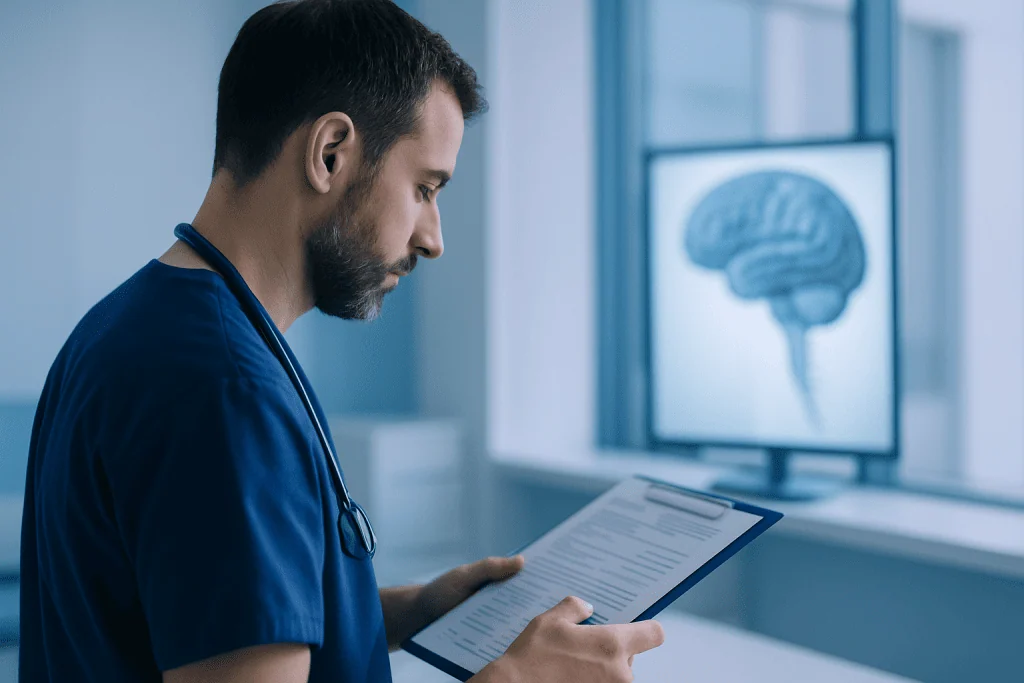
Neurosurgery is the surgical specialty that treats diseases and injuries of the brain, skull, spine, spinal cord and peripheral nerves. A neurosurgeon may operate to remove tumours, relieve pressure on nerves, stabilise the spine, treat aneurysms or address seizures and movement disorders. Many procedures use microsurgical, endoscopic or image-guided techniques, and treatment is planned only after detailed imaging and neurological assessment.
What Is Neurosurgery?
Neurosurgery is the surgical specialty that treats diseases and injuries of the brain, skull, spine, spinal cord, peripheral nerves and the blood vessels that supply them. A neurosurgeon is the doctor trained to carry out this work: relieving pressure on neural tissue, removing abnormal growths, stabilising the spine and repairing structures that put the nervous system at risk. The specialty covers both emergency operations, such as surgery for traumatic brain injury or spinal cord compression, and planned procedures for tumours, disc herniations, aneurysms, epilepsy, movement disorders, congenital abnormalities and chronic nerve pain.
Modern neurosurgery is precise and imaging-driven. Surgeons work with advanced diagnostic scans, microsurgical techniques, neuronavigation, neurophysiological monitoring and minimally invasive approaches where the anatomy allows. These tools exist for one purpose: to help the surgical team understand the exact anatomy, plan the safest access route, protect important functional areas and monitor the nervous system while the operation is under way.
Neurosurgery is not always an open operation. Some conditions can be treated through small incisions, endoscopic techniques, image-guided procedures or approaches through natural anatomical corridors. In selected vascular and tumour cases, the plan may combine surgery with endovascular treatment, radiosurgery or radiotherapy. The right method depends on the diagnosis, the location of the problem, your symptoms, your overall health and what the treatment is meant to achieve.
Because neurological conditions can change quickly, neurosurgery also demands close monitoring before and after treatment. That may mean repeated neurological examinations, follow-up imaging, intensive care observation, rehabilitation planning and careful medication management by the treating team. The aim throughout is to treat the underlying condition while preserving as much function as possible.
What does a neurosurgeon actually do?
A neurosurgeon diagnoses, operates on and follows up conditions of the brain, spine and nerves — but a large part of the job happens outside the operating theatre. Before any operation, the surgeon reviews your history, examines your neurological function, studies your imaging and weighs whether surgery is genuinely the best option. In many consultations, the honest answer is that it is not: observation, medication, physiotherapy or an interventional procedure may serve you better, at least for now.
When surgery is appropriate, the surgeon plans the approach, performs the operation with the anaesthesia and nursing teams, monitors your recovery in hospital and directs follow-up afterwards. Many also subspecialise — in tumours, spine disorders, vascular conditions, epilepsy, paediatric conditions or peripheral nerves — because each of these fields has its own techniques and its own judgement calls.
Is neurosurgery the same as brain surgery?
Brain surgery is one part of neurosurgery, not the whole of it. The specialty covers the entire nervous system, and in practice many specialists in this field spend more of their working week on the spine — disc herniations, spinal stenosis, fractures, instability — than on the brain itself. Peripheral nerve operations, such as decompressing a trapped nerve in the wrist or elbow, also fall within the specialty. The phrase brain surgeon is common in everyday speech, and it is not wrong, but it describes only one area of a much broader field.
How long is neurosurgery residency?
Neurosurgery residency typically lasts around seven years after medical school, which makes it one of the longest surgical training programmes in medicine. The exact structure varies by country, but the pattern is similar everywhere: years of supervised operating, intensive care experience, emergency cover and graded responsibility before a doctor is qualified to practise the specialty independently.
How many years does it take to become a neurosurgeon?
Counting university, medical school, residency and — for many surgeons — an additional fellowship in a subspecialty such as tumour surgery, spine surgery or vascular neurosurgery, the full path usually takes well over a decade. This matters to you as a patient for a practical reason: the length and depth of training is why experience and subspecialisation are reasonable things to ask about when a specific operation has been recommended. A surgeon who regularly performs the procedure you need brings pattern recognition that no scan can replace.
When You Are Considering Neurosurgery
Being told you may need neurosurgery is unsettling. The brain, spine, spinal cord and nerves are tied to movement, speech, memory, sensation, balance and independence, so the stakes feel — and are — high. Most patients start with the same questions: Is surgery really necessary? What are the risks? How much recovery is realistic? How experienced is the team? If you are considering care abroad, questions about communication, travel, coordination and follow-up sit on top of the medical ones.
Neurosurgery is usually recommended only after careful evaluation, and often only after non-surgical options have been considered. When surgery is appropriate, the goal is never simply to remove a lesion or repair a structure. It is to protect neurological function, relieve pressure, restore stability, reduce pain, improve daily life and, where possible, prevent further damage. Because the nervous system is delicate, the planning matters as much as the operation itself.
At Acibadem, neurosurgical care is built around detailed diagnosis, multidisciplinary decision-making and individualised planning. Depending on your condition, you may be evaluated by neurosurgeons together with neurologists, neuroradiologists, oncologists, radiation oncologists, rehabilitation specialists, anaesthesiologists and intensive care physicians. For international patients this coordinated review is particularly useful, because it clarifies the diagnosis, the realistic options and the expected recovery before any travel decision has to be made.
Who May Need to See a Neurosurgeon?
Referral to a neurosurgeon happens for many reasons. Some symptoms appear suddenly — weakness on one side of the body, a severe headache unlike previous headaches, seizures, loss of consciousness. Others build gradually: back pain with leg numbness, difficulty walking, tremor, memory changes, worsening coordination. And in some cases nothing is felt at all — a tumour, aneurysm or spinal problem is discovered on imaging performed for an entirely different reason.
Symptoms that commonly lead to neurosurgical evaluation include persistent or worsening headaches, seizures, vision changes, balance problems, weakness, numbness, pain radiating down an arm or leg, loss of bladder or bowel control, neck or back pain that does not improve, facial pain, tremor, difficulty speaking, confusion or changes in behaviour. Not every one of these requires surgery — most do not — but symptoms affecting the nervous system deserve proper assessment, especially when they are progressive.
Diagnosis starts with a detailed medical history and a neurological examination. The physician assesses strength, reflexes, sensation, coordination, cranial nerve function, gait and cognitive signs. Imaging is then chosen to match the suspected condition. Magnetic resonance imaging shows the brain, spinal cord, discs, nerves and soft tissues in fine detail. Computed tomography is particularly useful for trauma, bleeding, bone structures and urgent situations. Angiographic imaging maps aneurysms, vascular malformations and narrowed blood vessels. Where epilepsy, nerve compression or neuromuscular disease is suspected, functional studies, electroencephalography, electromyography or nerve conduction tests may be added.
Many international patients arrive at neurosurgical consultation with a diagnosis already made at home, wanting the treatment plan confirmed before committing to it. A second opinion is genuinely valuable when the condition is complex, when surgery has been recommended, when previous treatment has not helped, or when several approaches are possible and each has a different trade-off. Reviewing existing images and reports before any travel can establish whether the situation calls for urgent care, planned surgery, further testing or a non-surgical pathway — and it can spare you a journey that was never necessary.
Conditions Neurosurgery Can Address
Neurosurgery covers a wide range of conditions, and the treatment plan depends on the mechanism of the problem: pressure on neural tissue, abnormal growth, instability, bleeding, abnormal electrical activity, nerve injury or impaired circulation. The categories below cover most of what the specialty treats.
Brain tumours may be benign or malignant, primary or metastatic. Surgery can remove as much of the tumour as is safely possible, obtain tissue for a definitive diagnosis, relieve pressure and support further treatments such as radiotherapy, chemotherapy or targeted therapies. Decisions are guided by the tumour’s location, size, imaging features and its relationship to functional brain areas. You can read more about specific tumour types on our brain tumours page, and about the surgical pathway in our brain tumour surgery treatment guide.
Spine and spinal cord disorders include herniated discs, spinal stenosis, degenerative disc disease, scoliosis, spinal tumours, spinal infections, fractures and instability. Depending on the problem, surgery may decompress nerves or the spinal cord, stabilise the spine, correct deformity or remove abnormal tissue.
Cerebrovascular conditions include brain aneurysms, arteriovenous malformations, cavernomas, certain strokes and bleeding in or around the brain. Treatment may involve microsurgery, endovascular procedures or a combined plan. The priority is reducing the risk of bleeding or rebleeding while protecting brain function.
Traumatic injuries of the head and spine sometimes require urgent neurosurgical care. Operations may remove blood clots, reduce pressure inside the skull, repair skull or spinal injuries, stabilise the spine or relieve compression of the spinal cord.
Functional neurosurgical conditions include epilepsy, Parkinson’s disease, essential tremor, dystonia and certain chronic pain syndromes. When medication does not control symptoms adequately, carefully selected surgical or device-based procedures may be considered for suitable patients.
Peripheral nerve conditions include nerve compression, nerve tumours and selected nerve injuries. Surgery may be considered for carpal tunnel syndrome, ulnar nerve compression, brachial plexus injuries or painful nerve lesions when symptoms are significant or progressive.
Paediatric conditions include hydrocephalus, congenital malformations, brain and spinal tumours, craniosynostosis, spina bifida-related conditions and epilepsy. Children need distinct planning because their nervous system, skull and spine are still developing; our paediatric neurosurgery page covers this in more detail.
How Neurosurgery Is Performed
The neurosurgical process begins well before the operating room. Careful preparation lets the team confirm the diagnosis, map the safest surgical route and reduce preventable risks. For many international patients, the process starts with remote review of medical records, imaging and pathology reports where these exist. That early review establishes whether surgery is likely to be recommended at all, and which additional tests would be needed after arrival.
Preparation and Treatment Planning
Before surgery, you will usually have updated imaging and laboratory tests. Depending on the condition, this may include MRI, CT, vascular imaging, functional imaging, spinal X-rays, electrophysiological studies, cardiac assessment and an anaesthesia evaluation. The team reviews your medications carefully — particularly blood thinners, seizure medicines, steroids, diabetes medications and drugs that affect blood pressure — and any adjustments are decided and directed by the treating physicians.
Tumours and complex brain conditions are often discussed in multidisciplinary boards, where specialists review the imaging, pathology, surgical risks, oncological options and rehabilitation needs together. For spine cases, the team weighs not only the scans but also your symptoms, physical examination, bone quality, spinal alignment, lifestyle and previous treatments. This is a deliberate discipline: it prevents the team from treating an image rather than the person in front of them.
You will receive instructions about fasting, medication timing, bathing, smoking cessation where relevant, and what to bring to hospital. The surgical and anaesthesia teams explain the planned procedure, the expected hospital stay, the realistic risks and the likely recovery pathway. For patients travelling from abroad, coordination can include interpreter services, appointment scheduling, transfer support, accommodation guidance and communication with family members.
During the Procedure
The details vary widely by condition, but most neurosurgical operations follow a common sequence:
- You are positioned carefully to allow safe access while protecting pressure points, breathing and circulation.
- Anaesthesia is administered — general anaesthesia for most procedures, though selected brain operations use awake mapping when the lesion sits near speech or movement areas.
- The team confirms the surgical plan against navigation imaging before the first incision.
- The operation proceeds through the safest available corridor, using magnification, specialised instruments and image guidance.
- Monitoring continues throughout, and the plan is adjusted in real time if the anatomy or monitoring signals require it.
- Closure and transfer to a recovery area or intensive care unit, where neurological checks begin immediately.
For brain surgery, a small section of skull may be temporarily removed to reach the abnormal area. The surgeon may remove a tumour, evacuate a clot, clip an aneurysm, treat a vascular malformation, drain excess fluid or take a biopsy. In selected cases, endoscopic instruments work through smaller openings or natural pathways. When operating near critical brain regions, mapping and monitoring help identify the areas responsible for movement, language and sensation so that they can be protected.
For spine surgery, the goal may be decompression, stabilisation or both. Decompression removes pressure from nerves or the spinal cord by addressing a herniated disc, thickened ligament, bone spur, tumour or narrowed canal. Stabilisation may involve screws, rods, cages or bone grafts when the spine is unstable or a deformity needs correction. Some procedures can be done through small incisions with muscle-sparing approaches; others genuinely require wider exposure for safety and durability, and a candid surgeon will tell you which applies to you.
Technology supports every decision in theatre. High-resolution imaging defines the anatomy. Surgical microscopes and endoscopes improve visualisation in narrow spaces. Navigation systems correlate the surgical field with your preoperative images. Intraoperative imaging can confirm the extent of treatment or the position of implants in selected cases. Neurophysiological monitoring tracks nerve, spinal cord and brain pathway function while the procedure is under way. None of this replaces surgical judgement; it adds information that helps the team make safer decisions.
Duration varies with the procedure. A straightforward nerve decompression can be relatively short, while complex brain tumour surgery, spinal reconstruction or vascular surgery can take several hours. Afterwards, you are transferred to a recovery area or intensive care unit for close observation, with regular neurological checks of speech, strength, sensation and alertness.
Hospital Stay and Early Recovery
Recovery depends on the condition treated, the complexity of the operation and your overall health. Some minimally invasive spine or peripheral nerve procedures involve only a short hospital stay. Brain surgery, spinal cord surgery, major trauma operations and complex reconstructions often need longer monitoring. Pain control, wound care, mobility, nutrition, breathing exercises and complication prevention all form part of the early days.
Rehabilitation frequently begins in hospital. Physiotherapists help you sit, stand and walk safely after spine or brain surgery. Speech and swallowing specialists may be involved after certain brain procedures. Occupational therapists support daily activities and adaptation. The plan is adjusted to your neurological status and your own goals, not a fixed protocol.
Before discharge, you receive instructions covering wound care, medications, activity limits, warning signs and follow-up visits. International patients also need a plan for fitness to fly, travel timing, medication supply and medical reports for their doctors at home — practical details such as wearing compression socks on the flight home after surgery are typically discussed as part of this. Follow-up imaging is scheduled according to the diagnosis.
Why Acting Early Matters
Some neurosurgical conditions can be monitored safely for a period, especially when symptoms are mild and imaging is stable. Others need prompt treatment, because the nervous system can be vulnerable to permanent injury. Timing should be guided by the diagnosis, symptom progression, imaging findings and the risk of sudden deterioration — not by anxiety, and not by convenience.
Delaying evaluation can allow pressure on the brain, spinal cord or nerves to continue. In spine conditions, prolonged nerve compression can leave persistent numbness, weakness or walking difficulty. In brain tumours, delay may allow growth, swelling or seizures to worsen. Certain aneurysm and vascular malformation patterns carry a risk of bleeding. Untreated hydrocephalus can affect consciousness, gait and cognition. After trauma, bleeding or swelling can progress quickly.
Early specialist assessment does not mean immediate surgery. It means you receive an informed plan: observation, medication, rehabilitation, interventional treatment, surgery or a combination. The distinction matters. Timely evaluation can turn what would have become an emergency operation into a planned, safer procedure — and it can equally identify the cases where non-surgical management is the right answer.
Potential Benefits of Neurosurgical Treatment
The benefits of neurosurgery depend on the condition and on what treatment is meant to achieve for you personally, but they usually relate to relieving pressure, protecting function and improving daily life.
| Benefit | What It Means for You |
|---|---|
| Relief of pressure on nerves, brain or spinal cord | Symptoms such as pain, weakness, numbness, headaches or walking difficulty may improve when compression is reduced. |
| Diagnosis through tissue sampling | For tumours or unclear lesions, biopsy or surgical removal provides pathology results that guide further treatment. |
| Improved stability | Spinal stabilisation can help protect the spinal cord and nerves, support posture and reduce mechanical pain in selected patients. |
| Reduction of future risk | Treatment of certain aneurysms, vascular malformations or progressive spine conditions may reduce the risk of serious neurological events. |
| Better symptom control | Functional neurosurgery may help selected patients with medication-resistant epilepsy, tremor, movement disorders or chronic pain. |
| Support for additional therapies | Surgery can make radiotherapy, chemotherapy, rehabilitation or long-term monitoring more effective by clarifying the diagnosis or reducing disease burden. |
Recovery Timeline After Neurosurgery
Recovery is highly individual — two patients with the same operation can recover at different speeds — but the general pattern below reflects what many people experience after neurosurgical treatment.
| Time Period | What Patients Can Expect |
|---|---|
| Day 1 | Close monitoring in recovery or intensive care, frequent neurological checks, pain control, early imaging in selected cases and gradual awakening from anaesthesia. |
| First Week | Increasing mobility, wound monitoring, medication adjustment, rehabilitation assessment and preparation for discharge when medically appropriate. |
| First Month | Improvement in energy and function for many patients, follow-up visits, possible suture or staple removal, continued activity restrictions and gradual return to routine tasks. |
| Three Months | Further neurological recovery, strengthening and reassessment of work, travel, exercise and rehabilitation goals. Some symptoms may continue to improve slowly. |
| Longer Term | Ongoing imaging or specialist follow-up may be needed for tumours, vascular conditions, spinal fusion, implanted devices or chronic neurological disorders. |
Factors That Influence Outcomes
Neurosurgical outcomes depend on many factors, and no responsible team will predict your recovery with certainty. The strongest influences are the diagnosis itself, the severity and duration of symptoms, the location of the lesion, any neurological deficits present before surgery, and your overall health.
Timing matters. A nerve compressed for weeks may recover differently from one compressed for years. A spinal cord injury, a large stroke, an aggressive tumour or major trauma may leave lasting effects even when the operation goes exactly as planned. Equally, some patients improve substantially when the problem is found early and treated before irreversible damage occurs.
The anatomy sets its own limits. Surgery near speech areas, the brainstem, major blood vessels, the spinal cord or multiple nerve roots demands a more cautious approach. In some tumour operations, removing every visible part of the lesion is not the safest goal if it risks serious functional loss. In those cases, the best result may be maximal safe removal followed by radiotherapy, systemic therapy or structured monitoring — and a good surgeon will explain that trade-off before the operation, not after it.
General health shapes recovery too. Diabetes, smoking, obesity, osteoporosis, heart disease, lung disease, immune suppression and poor nutrition all affect wound healing, infection risk and rehabilitation. Medication use — particularly blood thinners or long-term steroids — needs careful management by the treating team. Age alone does not determine whether someone can have neurosurgery; physiological condition and resilience matter more than the number.
Rehabilitation and follow-up are part of the result, not an afterthought. Patients who respect activity restrictions, take medications as directed, attend therapy and report warning signs early tend to avoid preventable setbacks. For international patients, a clear post-discharge plan is essential: written medical records, imaging copies, medication instructions, travel guidance and coordination with local physicians if care continues at home.
Finally, a good outcome depends on matching the treatment to your goals. For one person, the priority is tumour diagnosis and long-term planning. For another, it is walking without severe leg pain, controlling seizures, preserving speech or staying at work. A mature neurosurgical plan defines success in medical terms and in terms that matter to your life. If your decision involves the spine specifically, our guide on how to choose the right surgeon for spine surgery sets out the questions worth asking.
Why International Patients Choose Acibadem for Neurosurgery
International patients considering neurosurgery abroad need more than an operating room. They need a team that can evaluate a complex condition accurately, communicate clearly, coordinate safely and provide structured follow-up. Acibadem’s Neurosurgery Department is organised around exactly these requirements.
Care is delivered in JCI-accredited hospitals, where clinical processes, patient safety systems and quality standards are reviewed regularly. For neurosurgery, that framework underpins preoperative assessment, infection prevention, anaesthesia safety, intensive care monitoring and documentation. You will not see most of it from the patient’s side — which is rather the point. It is the invisible structure that safe surgery depends on.
Acibadem’s neurosurgical teams work alongside experienced colleagues in neurology, neuroradiology, oncology, radiation oncology, pathology, intensive care, and physical medicine and rehabilitation. Complex brain and spine cases may be reviewed in specialist boards, so that different perspectives shape the plan before anyone operates. This is particularly valuable when a condition can be treated in more than one way, or when surgery needs to be combined with radiotherapy, systemic therapy, endovascular procedures or rehabilitation.
Diagnostic pathways are designed to be thorough and efficient. Depending on your condition, you may have high-resolution MRI, CT, angiographic imaging, electrophysiological testing, laboratory evaluation and functional assessment. For surgical planning, modern imaging and navigation-based approaches map the relationship between the abnormality and nearby critical structures. During surgery, microsurgical visualisation, endoscopic techniques, neurophysiological monitoring and intraoperative assessment are used according to what the case requires.
Personalised planning matters in neurosurgery because two patients with the same diagnosis may need different care. A small brain tumour in a non-critical region is not the same as a lesion near speech or movement areas. A disc herniation causing pain is different from spinal cord compression causing weakness. An aneurysm found incidentally may call for a different strategy from one that has already bled. These distinctions are weighed carefully before any treatment is recommended.
For patients travelling from the United States, Europe, the Middle East, Africa and elsewhere, Acibadem International provides dedicated support in more than 20 languages. That can include appointment coordination, medical record collection, interpreter services, airport and transfer arrangements, hospital admission support and communication with family members — the administrative load lifted so that you can concentrate on medical decisions and recovery.
Continuity of information matters just as much. International patients usually need documentation to continue care after returning home: clear discharge summaries, operative notes, medication plans, pathology reports and imaging records that let local physicians understand exactly what was done and what follow-up is required. When further treatment is needed — radiotherapy, chemotherapy, rehabilitation or device programming — the plan is communicated in a structured way rather than left to chance.
Choosing where to have neurosurgery is a serious decision. Most patients weigh medical expertise, hospital standards, technology, communication, recovery support and the team’s capacity to manage the unexpected. Acibadem’s approach combines experienced physicians, multidisciplinary planning, advanced diagnostic and surgical capability, and international patient services built for people receiving care far from home.
Deciding About Neurosurgery
If you or someone you love has been advised to consider neurosurgery, a careful review of the diagnosis is the sensible first step. In many cases, the key questions can be answered from existing MRI or CT scans, medical reports, pathology results and an accurate description of symptoms. A second opinion helps confirm whether surgery is needed at all, whether the timing is urgent and which approach fits your situation best — and it is a normal, expected part of neurosurgical practice, not a challenge to anyone’s competence.
Whichever team you speak to, some questions consistently earn their place in the conversation:
- What exactly is the diagnosis, and how confident is the team in it?
- What is likely to happen without treatment, and over what timescale?
- Which options exist besides surgery, and why is surgery preferred — or not?
- What are the realistic risks of this specific operation for this specific anatomy?
- How often does the surgeon perform this procedure, and within which subspecialty?
- What will recovery involve, and what follow-up is needed afterwards?
Neurosurgery can feel overwhelming at first. With the right evaluation, it becomes a series of manageable questions: what the condition is, what may happen without treatment, which options exist, which risks are realistic and what recovery is likely to involve. Understanding those answers — before, during and after treatment — is what turns a frightening word into an informed decision.
Preparation
- Preparation begins with neurological examination, MRI or CT imaging, blood tests and anesthesia assessment. Patients may need to stop certain blood thinners and follow fasting instructions before surgery. The surgical plan is tailored to the condition, location and overall health status.
Aftercare
- After neurosurgery, patients are monitored closely for neurological function, pain control and wound healing. Rehabilitation, medication and follow-up imaging may be needed depending on the procedure. Patients should avoid strenuous activity until cleared by the neurosurgical team.
Medically reviewed by the Acıbadem International Medical Board — August 31, 2026
See our medical review board →
Update history
- PublishedJune 8, 2026
- Medical review approvedAugust 31, 2026
- Last content updateAugust 31, 2026
Doctors Performing This Treatment

Prof. Dr. Altay Bedük
Neurosurgery
Prof. Dr. Müfit Kalelioğlu
Neurosurgery
Prof. Dr. Memet Özek
Neurosurgery
Prof. Dr. Mehmet Zafer Berkman
Neurosurgery
Prof. Dr. Elif Ilgaz Aydınlar
Neurology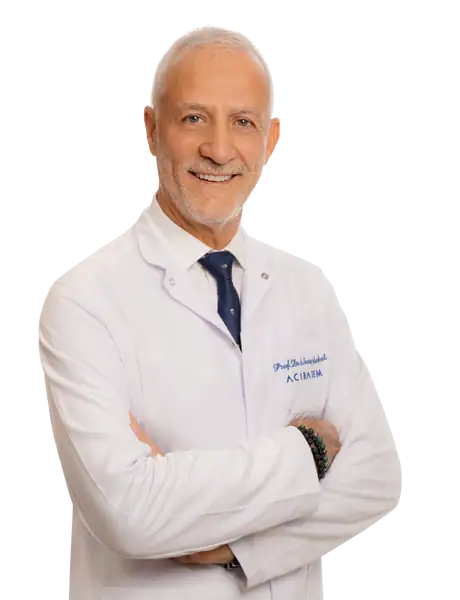
Prof. Dr. Sertaç İşlekel
Neurosurgery
Prof. Dr. Ayşe Sağduyu Kocaman
Neurology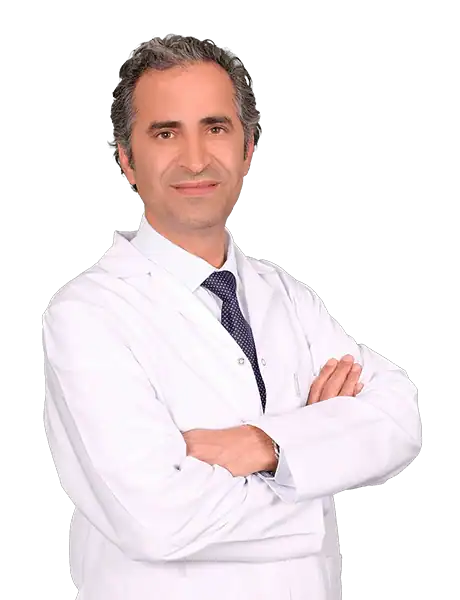
Prof. Dr. Kenan Koç
Neurosurgery
Prof. Dr. Koray Özduman
Neurosurgery
Prof. Dr. Dilaver Kaya
Neurology
Prof. Dr. Deniz Konya
Neurosurgery
Prof. Dr. Kayıhan Uluç
Neurology
Prof. Dr. Hüseyin Hayrı Kertmen
Neurosurgery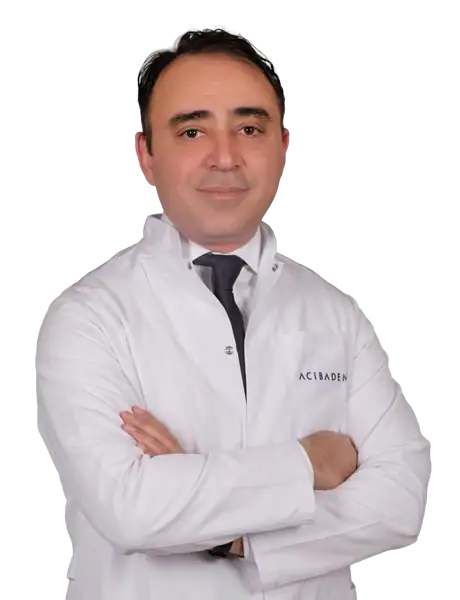
Prof. Dr. Melih Bozkurt
Neurosurgery
Prof. Dr. Çağın Şentürk
Interventional Neuroradiology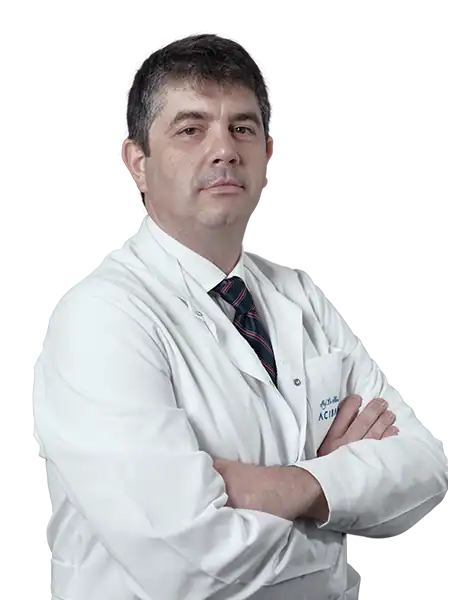
Prof. Dr. Akın Sabancı
Neurosurgery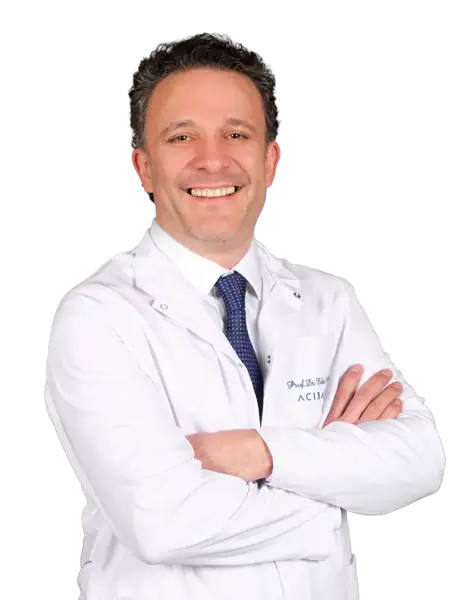
Prof. Dr. Erkin Sönmez
Neurosurgery
Prof. Dr. Muammer Doygun
Neurosurgery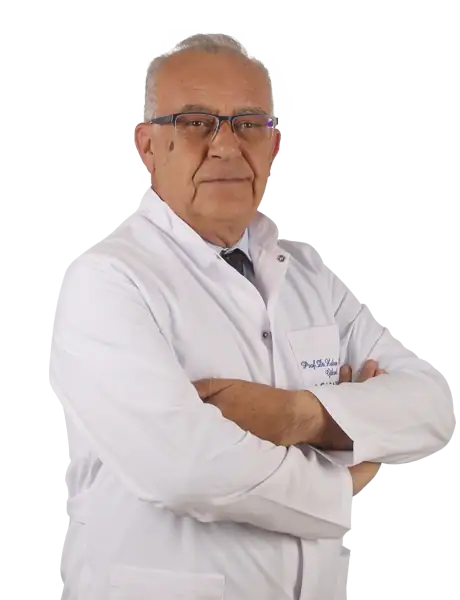
Prof. Dr. Hakan Murat Göksel
Neurosurgery
Prof. Dr. Ali Kurtsoy
Neurosurgery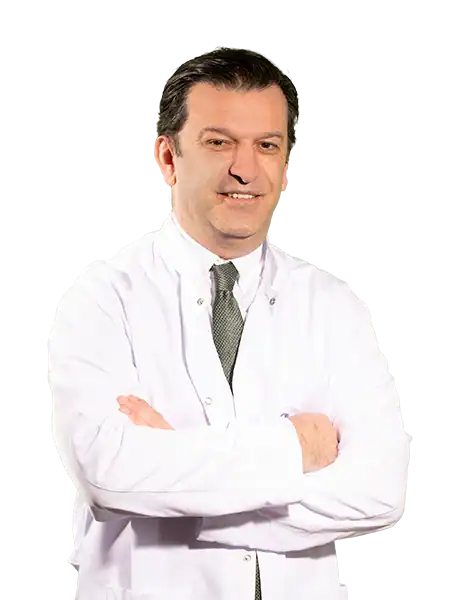
Prof. Dr. Kağan Tun
Neurosurgery
Prof. Dr. Gökhan Bozkurt
Neurosurgery
Prof. Dr. Kamil Kadir Topalkara
Neurology
Prof. Dr. Hakan Seçkin
NeurosurgeryMedical Units
Available at These Hospitals