

Brain Tumor Surgery in Turkey: Treatment Guide
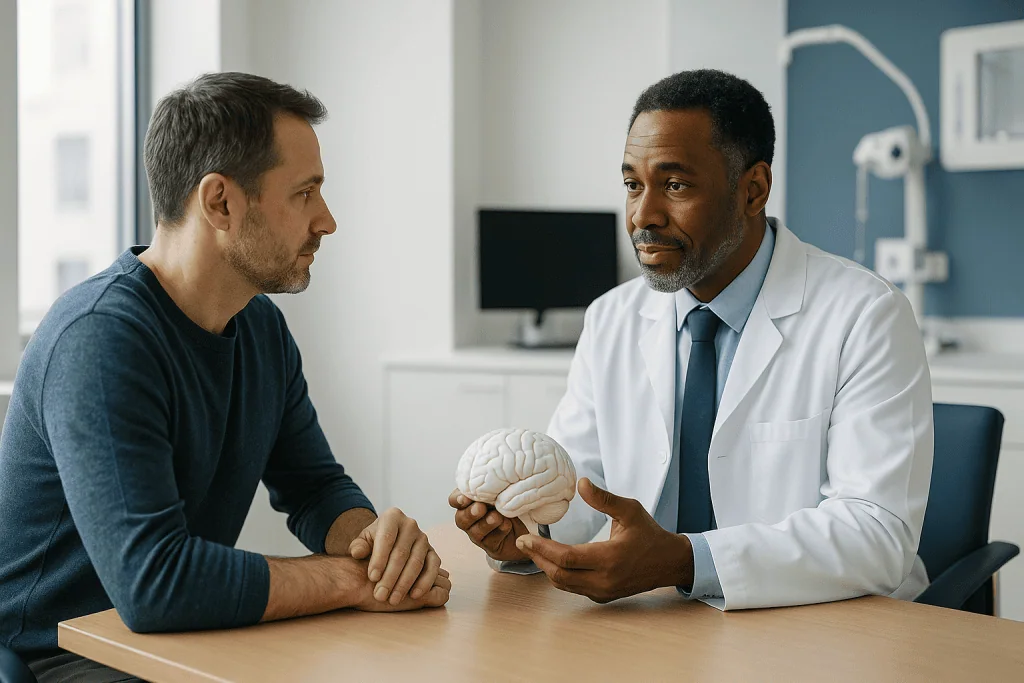
If you are considering brain tumor surgery in Turkey, the process usually begins with an online review of your MRI or CT images before you travel. Surgery is most often done under general anesthesia, with a hospital stay of several days. Early recovery commonly takes several weeks, and you should not fly until your neurosurgeon gives travel clearance.
You have a scan, a diagnosis you did not expect, and a long list of questions about what happens next, and whether it makes sense to travel abroad for surgery. That is a lot to hold at once. This guide walks you through it step by step.
Here you will find what to expect when considering brain tumor surgery in Turkey: the online medical evaluation, treatment planning, the surgery itself, recovery, travel and follow-up. The aim is simple, to help you prepare calmly and make informed decisions together with a specialist neurosurgery team.
At a glance
- Procedure type: Neurosurgical operation, such as biopsy, craniotomy, endoscopic surgery or maximal safe tumor removal
- Purpose: To diagnose, remove or reduce a brain tumor while protecting neurological function as much as possible
- Anesthesia: Usually general anesthesia; selected cases may use awake brain mapping techniques
- Hospital stay: Commonly several days, depending on tumor type, location, surgery complexity and recovery
- Estimated recovery: Early recovery often takes several weeks; full rehabilitation may take longer depending on your condition
- Return to daily life: Gradual return is usually planned after medical clearance, often within a few weeks for lighter activities
- Final result timeline: Surgical findings are immediate, but neurological recovery, pathology results and adjuvant treatment planning may take weeks to months
- Suitable department: Neurosurgery, supported by neurology, neuroradiology, neuro-oncology, radiation oncology, pathology and rehabilitation when needed
- International patient support: Interpreter assistance, medical coordination, airport transfers, accommodation guidance and remote follow-up support
What is this treatment?
Brain tumor surgery is a neurosurgical treatment performed to diagnose, remove or reduce a tumor located in or near the brain. The goal is not simply to remove tissue; it is to achieve the safest possible outcome while protecting speech, movement, vision, memory, personality and other important neurological functions.
Depending on your diagnosis, surgery may involve a biopsy to identify the tumor type, a craniotomy to access and remove as much tumor as safely possible, or a minimally invasive endoscopic approach for selected tumors. Some brain tumors are benign, while others are malignant or behave aggressively. The exact treatment pathway depends on pathology, imaging, symptoms and your overall health.
At Acibadem International, brain tumor surgery is planned by experienced neurosurgery teams with support from neuroradiology, anesthesia, intensive care, pathology, neurology, oncology, radiation oncology and rehabilitation specialists when needed. For international patients, coordination begins before travel so your medical records can be reviewed and your visit can be organized efficiently.
When is it recommended?
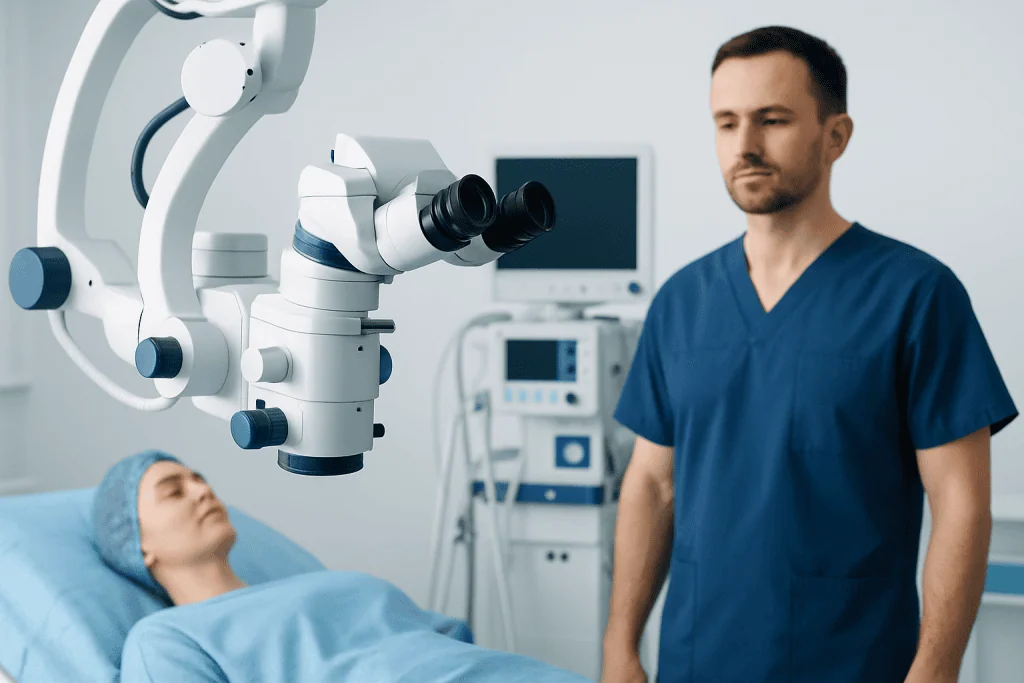
Brain tumor surgery may be recommended when imaging shows a tumor that is causing symptoms, growing, compressing important brain structures or needs tissue diagnosis. Symptoms can include headache, seizures, weakness, balance problems, vision changes, speech difficulty, personality changes, memory problems, nausea or changes in consciousness. Some tumors are found incidentally during imaging for another reason, and the decision may be more nuanced.
Surgery can be advised for different purposes. It may confirm the diagnosis through biopsy, remove the tumor completely when possible, reduce pressure on the brain, relieve symptoms, or reduce tumor volume before radiotherapy, chemotherapy or targeted treatment. In some cases, surgery is urgent; in others, careful planning and monitoring may be appropriate.
A neurosurgeon considers the tumor location, size, suspected type, relationship to critical brain areas, swelling, your neurological examination and your general medical condition. The safest recommendation may not always be full removal; sometimes the best plan is partial removal, biopsy, radiosurgery, radiotherapy or observation. Your physician will explain the reasoning clearly before you decide.
Who is a good candidate?
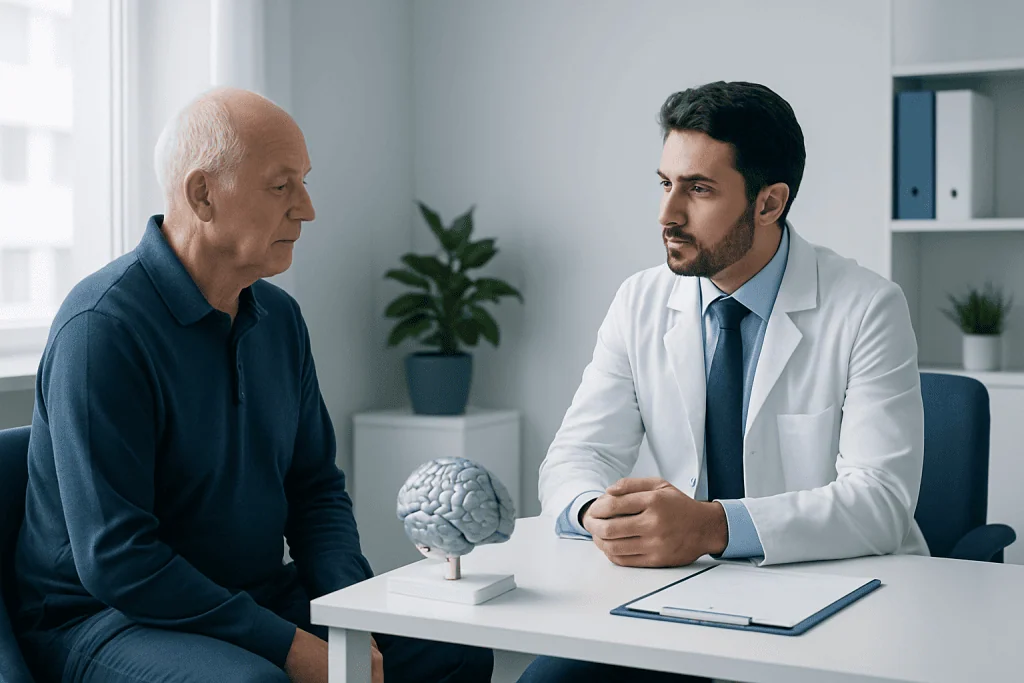
You may be a good candidate for brain tumor surgery if the expected benefits of diagnosis, decompression or tumor removal are greater than the risks. Good candidates are evaluated individually, because a tumor that is surgically accessible in one person may be high risk in another depending on its location, surrounding brain function and medical background.
Your candidacy is influenced by several factors, including your age, heart and lung health, neurological condition, use of blood thinners, previous operations, tumor characteristics and whether the tumor is near areas controlling speech, movement or vision. Imaging quality is very important, especially MRI with contrast and, when needed, functional imaging or advanced navigation planning.
Some patients are candidates for a planned operation after pre-operative preparation, while others may need stabilization first, such as seizure control, reduction of swelling or management of other medical conditions. If surgery is not suitable or not the first choice, your team may discuss biopsy, radiotherapy, stereotactic radiosurgery, systemic treatment, rehabilitation or observation.
Treatment options
Brain tumor treatment is personalized. The main surgical options include stereotactic biopsy, craniotomy with tumor removal, awake craniotomy with brain mapping for selected tumors near speech or movement areas, endoscopic surgery for certain ventricular, skull base or pituitary-region tumors, and minimally invasive approaches when appropriate. The term maximal safe resection is often used, meaning the surgeon aims to remove as much tumor as possible without unacceptable risk to function.
A biopsy may be recommended when the tumor is deep, widespread, uncertain on imaging or when tissue diagnosis is needed before non-surgical treatment. A craniotomy involves temporarily removing a small section of skull to access the tumor, then replacing it at the end of the operation. Navigation systems, intraoperative imaging, neurophysiological monitoring and operating microscopes may support precision in selected cases.
Non-surgical or combined treatments may also be part of your plan. These can include radiotherapy, stereotactic radiosurgery, chemotherapy, targeted therapy, immunotherapy in selected diagnoses, anti-seizure treatment, medications to reduce swelling and rehabilitation. For many brain tumors, the final treatment plan is confirmed after pathology results are available.
At Acibadem, complex brain tumor cases may be discussed in a multidisciplinary setting so that neurosurgical, oncological, radiological and rehabilitation perspectives are considered. This helps create a plan that is realistic, medically appropriate and tailored to your priorities and safety.
Online evaluation before travel
For international patients, the process usually starts with an online medical evaluation. You share your MRI or CT images, reports, diagnosis if available, symptoms, previous treatments and current medications. This allows the medical team to understand your case before you make travel arrangements.
The preliminary review is not a final diagnosis, but it helps determine whether an in-person neurosurgical consultation is appropriate, what additional tests may be needed and how urgent the situation appears. If your case is time-sensitive, the coordination team will guide you on the safest next steps and what information should be sent quickly.
Clear image files are especially important. Whenever possible, send the original imaging in DICOM format, not only screenshots or written reports. If you have pathology slides, previous operation notes or radiotherapy plans, these may also be requested to support treatment planning.
Before the treatment
Before brain tumor surgery, you will have an in-person consultation with a neurosurgeon. The doctor will review your symptoms, neurological examination, imaging, medical history and expectations. You will be told what type of operation is planned, what the goals are, what alternatives exist and what risks are relevant to your specific tumor location.
Pre-operative tests commonly include blood tests, electrocardiogram, chest evaluation when needed, anesthesia assessment and updated MRI or CT imaging if required. Some patients need advanced studies such as functional MRI, diffusion tensor imaging, angiography, endocrine tests, ophthalmology assessment or neuropsychological evaluation, depending on tumor location and suspected diagnosis.
You should inform your doctor about all medications, supplements, allergies, previous anesthesia reactions, bleeding or clotting problems, seizures, implanted devices and chronic illnesses. Blood thinners, diabetes medicines and certain supplements may need special management, but you should never stop prescribed medication without medical instruction.
Before surgery, your team will also explain fasting rules, hair preparation if needed, consent forms, intensive care planning and what your companion can expect. If you are traveling from abroad, Acibadem International patient services can assist with interpreter support, transfer arrangements and practical coordination around hospital admission.
What happens during the treatment
On the day of surgery, you are admitted to the operating area and the anesthesia team prepares you for the procedure. Most brain tumor operations are performed under general anesthesia, meaning you are asleep and do not feel pain. In selected tumors near language or movement areas, awake mapping may be considered; in that case, the process is carefully explained beforehand and managed by a specialized team.
The surgical steps depend on the approach. In a craniotomy, the neurosurgeon makes an incision, opens a planned section of skull, accesses the tumor and removes tissue using microsurgical techniques. Navigation, monitoring, ultrasound, microscope, endoscope or other technologies may be used depending on your case. Tissue is sent to pathology for diagnosis.
The surgeon closes the surgical area carefully, and you are moved to recovery or intensive care for close monitoring. The duration of surgery varies based on tumor size, location, complexity, bleeding tendency and whether mapping or special techniques are needed. Your companion will receive updates according to hospital procedures.
Hospital stay and discharge
After surgery, you are closely monitored by the neurosurgery, anesthesia and nursing teams. Many patients spend time in an intensive care or high-dependency setting at first, especially after major brain surgery. Monitoring includes neurological checks, pain control, wound observation, blood pressure management and assessment of speech, strength, pupils and consciousness.
Follow-up imaging may be performed to assess the surgical area and the extent of removal, depending on the tumor and operation. You may start walking with assistance when your team confirms it is safe. A physiotherapist, speech therapist or rehabilitation specialist may be involved if you have weakness, balance difficulty, swallowing concerns or speech changes.
Discharge is planned when your condition is stable, pain is controlled, you can eat and move safely enough, and your doctor is satisfied with your neurological status. You will receive instructions about wound care, medications, activity limits, follow-up appointments, pathology results and warning signs. International patients should not fly until the neurosurgeon gives travel clearance.
Recovery timeline
Recovery after brain tumor surgery is highly individual. It depends on the tumor type, location, extent of surgery, your pre-operative symptoms, swelling, neurological function, age and general health. Some patients feel better quickly because pressure has been relieved, while others need longer healing and rehabilitation.
The timeline below is a general guide, not a guarantee. Your neurosurgeon may adjust your activity, medication, travel and follow-up plan according to your operation and recovery.
| Timeframe | What to expect |
|---|---|
| First 24 hours | Close monitoring in recovery, intensive care or a neurosurgical unit; neurological checks, pain control and early imaging if needed. |
| First week | Gradual mobilization, wound care, medication adjustment, first pathology discussions if available and planning for discharge or further treatment. |
| Weeks 2-4 | Fatigue often improves slowly; light daily activities may resume with medical permission, while heavy effort and travel may still be limited. |
| Months 1-3 | Neurological recovery and rehabilitation continue; oncology or radiotherapy planning may begin if recommended by pathology results. |
| Final result | Long-term outcome depends on tumor biology, extent of removal, additional treatments and neurological recovery; follow-up imaging remains important. |
You may have temporary tiredness, scalp sensitivity, swelling around the incision, headaches, mood changes or concentration difficulty. These should gradually improve, but you should discuss any persistent or worsening symptom with your medical team.
What to avoid after treatment
After brain tumor surgery, your body and brain need time to heal. You should avoid heavy lifting, strenuous exercise, bending with pressure, driving, alcohol, smoking and swimming until your doctor confirms it is safe. Flying, long-distance travel and returning to work should also be discussed with your neurosurgeon.
Do not scratch or apply unapproved products to the incision. Avoid soaking the wound in water until your team permits it. Take medications exactly as prescribed, especially if you are given anti-seizure medication, swelling-control medication or antibiotics. Do not stop or change these medications without medical advice.
You should also avoid making major decisions too quickly if you feel tired, emotional or cognitively slower than usual. Many patients benefit from a calm home environment, help from a companion, regular sleep and gradual activity. If rehabilitation is recommended, attending sessions consistently can support safer recovery.
Risks and possible complications
All brain tumor surgery carries risks, and your neurosurgeon will explain those most relevant to your case. Possible risks include bleeding, infection, swelling, seizures, blood clots, cerebrospinal fluid leakage, wound healing problems, anesthesia-related complications and the need for additional procedures. There may also be temporary or permanent neurological changes depending on tumor location.
Neurological risks can include weakness, numbness, speech difficulty, vision changes, balance problems, memory or concentration issues, personality or mood changes and swallowing problems. Some symptoms improve as swelling decreases, while others may require rehabilitation. In complex tumors, the surgeon may intentionally leave a small part of tumor behind if removing it would create unacceptable risk.
Pathology results may show that further treatment is needed, such as radiotherapy, chemotherapy or targeted treatment. In some cases, tumors can recur or continue to grow despite treatment. Revision surgery may sometimes be considered, but this depends on the diagnosis, previous treatment, location and overall health.
Choosing a hospital with neurosurgical expertise, intensive care support, advanced imaging and multidisciplinary planning can help manage risk, but no operation can be risk-free. A careful physician evaluation is essential before deciding whether surgery is appropriate for you.
Warning signs: when to contact a doctor
Your discharge instructions will tell you who to contact and when. It is important to seek medical advice promptly if symptoms worsen or if something feels unusual after surgery. Early communication helps your team decide whether you need reassurance, medication adjustment, urgent assessment or emergency care.
- Sudden or worsening severe headache, especially if different from your usual pain
- New or increasing weakness, numbness, facial drooping or difficulty walking
- Seizure, fainting, confusion, unusual sleepiness or reduced consciousness
- Speech difficulty, vision changes or new balance problems
- Fever, chills, neck stiffness or signs of infection
- Redness, swelling, discharge, bleeding or opening at the incision site
- Persistent vomiting or inability to keep medications down
- Clear fluid leaking from the wound or nose, especially after brain or skull base surgery
- Shortness of breath, chest pain, calf swelling or sudden leg pain
- Any symptom that is rapidly worsening or concerning to you or your companion
If you are still in Turkey, contact your hospital team or emergency services according to the instructions you were given. If you have returned home, contact your local doctor or emergency service and also inform the Acibadem International follow-up team when possible.
Results and expectations
The expected result of brain tumor surgery depends on the tumor diagnosis, location, size, growth pattern and relationship to critical brain areas. In some cases, the tumor can be fully removed on imaging. In other cases, the safest goal is partial removal or biopsy, followed by additional treatment. Your surgeon will explain the realistic aim before surgery.
Symptoms caused by pressure or swelling may improve after surgery, but not always immediately. Some neurological symptoms may take weeks or months to recover, and some may be permanent depending on pre-existing damage or surgical complexity. Rehabilitation, medication and follow-up care can be important parts of your outcome.
Pathology is a key step in understanding prognosis and next treatment. The final report may identify tumor type, grade and molecular features that guide oncology or radiation oncology recommendations. Results vary from person to person, and no responsible medical team can guarantee cure or a specific outcome.
Long-term follow-up usually includes periodic MRI scans and specialist visits. Even when surgery goes well, monitoring is important because some tumors can recur or change over time. Your team will create a follow-up schedule based on your diagnosis and treatment plan.
International patient travel planning
Traveling abroad for brain tumor surgery requires careful planning. You should allow time for online review, travel, in-person consultation, updated tests, surgery, hospital stay, early recovery and first control visits. Your exact length of stay in Turkey depends on urgency, surgery type, recovery speed, pathology timing and whether additional treatment is planned.
It is usually helpful to travel with a companion, especially for brain surgery. Your companion can assist with communication, mobility, medication reminders, emotional support and return travel. If you have seizures, weakness, memory problems or vision changes, companion support becomes even more important.
Before travel, ask your coordinator what documents, imaging formats and reports are needed. Confirm passport validity, visa requirements, travel insurance, airline rules and whether a medical clearance letter may be required for your return flight. After surgery, do not plan to fly until your neurosurgeon confirms it is safe.
Acibadem International patient services can help coordinate airport transfers, interpreter support, appointment scheduling and accommodation guidance. These services are designed to reduce stress so you can focus on your treatment and recovery.
Cost and package information
The cost of brain tumor surgery varies because each case is medically different. Factors that influence cost include the type of surgery, tumor location and complexity, operating room duration, use of advanced imaging or monitoring, anesthesia needs, intensive care stay, hospital room category, pathology tests, rehabilitation requirements and whether additional consultations or treatments are needed.
A treatment package may typically include hospital admission, the planned surgical procedure, anesthesia, standard nursing care, routine hospital medications, surgeon and hospital services related to the operation, and early post-operative controls. The exact inclusions should always be confirmed in your written quotation because packages can vary by case.
Items that may not be included can include flights, accommodation outside the hospital, companion expenses, visa costs, travel insurance, extended hospital stay, additional imaging, unexpected intensive care needs, special pathology or molecular tests, rehabilitation, oncology treatments, medications after discharge or treatment for unrelated conditions. If your medical condition changes, your treatment plan and final billing may also change.
Acibadem International provides individualized quotations after preliminary medical review. No reliable price can be given without reviewing your medical records, imaging and expected treatment plan. You are encouraged to ask for a clear explanation of what is included, what is excluded and what may change depending on surgical findings.
Why choose Acibadem
Brain tumor surgery requires experienced neurosurgeons, advanced imaging, careful anesthesia, intensive care readiness and coordinated follow-up. Acibadem is a JCI-accredited healthcare group in Turkey with multidisciplinary teams supporting international patients through diagnosis, surgery, pathology review, rehabilitation and ongoing care planning.
Your case may involve neurosurgery, neuroradiology, neurology, neuro-oncology, radiation oncology, pathology, endocrinology, ophthalmology or rehabilitation specialists, depending on the tumor. This team-based approach helps ensure that the operation is considered within the full treatment pathway, not as an isolated event.
For international patients, practical support matters as much as clinical care. Acibadem International can assist with medical record collection, appointment coordination, interpreters, airport transfers, accommodation guidance and remote follow-up communication after you return home. The aim is to make each step understandable and organized.
Most importantly, your treatment recommendation should be based on medical suitability. The team will review your condition, explain possible options and help you understand benefits, limitations and risks so you can make an informed decision.
Medical review and disclaimer
This guide has been reviewed by the Acibadem International medical team. It is intended to provide general information for international patients considering brain tumor surgery in Turkey and to help you prepare for a specialist consultation.
The information here does not replace a personal medical examination, diagnosis or treatment recommendation from a qualified physician. Brain tumors vary widely, and treatment decisions depend on imaging, pathology, symptoms, neurological examination and overall health.
Your suitability for surgery, the safest surgical approach, expected recovery and need for additional treatment can only be determined after physician evaluation. If you have urgent symptoms such as seizures, sudden weakness, severe headache or reduced consciousness, seek emergency medical care immediately.
Step by step
- Initial contact. You contact Acibadem International and describe your diagnosis, symptoms, current location and preferred timing for evaluation.
- Medical record and imaging submission. You send MRI or CT images, reports, pathology results if available, previous treatment notes, medication list and a summary of your symptoms.
- Preliminary medical review. The neurosurgery team reviews your documents to understand whether an in-person consultation and possible surgery may be appropriate.
- Treatment plan and quotation. You receive a preliminary plan outlining recommended consultations, expected tests, possible surgical approach and an individualized quotation.
- Travel planning. The international patient team helps coordinate appointment dates, airport transfers, interpreter support and accommodation guidance.
- Arrival in Turkey. You arrive in Turkey and are met according to the agreed plan, with support for transfer to your hotel or hospital appointment.
- In-person consultation. The neurosurgeon examines you, reviews your imaging in detail, explains options and confirms whether the preliminary plan remains suitable.
- Pre-operative tests. You complete blood tests, anesthesia evaluation, updated imaging or other specialist assessments needed for safe surgical planning.
- Treatment. Your surgery is performed according to the planned approach, with the goal of diagnosis, decompression or maximal safe tumor removal.
- Hospital stay. You are monitored closely after surgery, with neurological checks, medication management, wound care, imaging if needed and early mobilization.
- First control. Your doctor assesses your recovery, reviews early results, checks the incision and discusses pathology timing or additional treatment planning.
- Discharge and travel clearance. You receive discharge instructions, medication guidance, warning signs and advice on when it is safe to return home.
- Remote follow-up. After you return home, the international patient team can help coordinate remote communication, report sharing and follow-up recommendations.
Your checklist
- Valid passport and any required visa documents
- MRI and CT images in DICOM format, plus written radiology reports
- Pathology report, biopsy results or previous tumor diagnosis if available
- Previous surgery notes, discharge summaries and radiotherapy or chemotherapy records
- Current medication list, including blood thinners, anti-seizure medicines and supplements
- Known allergies and previous anesthesia reactions
- Medical history, including heart, lung, diabetes, blood pressure or clotting conditions
- Description of current symptoms, seizure history and any recent neurological changes
- Recent blood tests or specialist reports if available
- Contact details for your local doctor or treating physician
- Travel insurance information and emergency contact details
- Questions you would like to ask the neurosurgeon
Key takeaways
- Brain tumor surgery may be recommended for diagnosis, symptom relief, tumor removal or reducing tumor volume before other treatments.
- Your suitability depends on the tumor type, size, location, imaging findings, symptoms, general health and expected benefit-risk balance.
- International patients should plan enough time in Turkey for in-person consultation, pre-operative tests, surgery, early recovery and first control visits.
- Recovery varies widely; some patients return to light daily routines in weeks, while others need longer rehabilitation or additional treatment.
- Urgent medical advice is needed for severe headache, worsening weakness, seizures, confusion, fever, wound problems or sudden neurological changes.
- A personalized plan from a neurosurgeon is essential because brain tumor treatment often requires a multidisciplinary approach.
Frequently asked questions
Am I suitable for brain tumor surgery in Turkey?
Suitability depends on your tumor type, size, location, symptoms, imaging findings and overall health. The neurosurgeon must review your MRI or CT scans and examine you before giving a final recommendation. In some cases, biopsy, observation, radiotherapy or other treatments may be safer than open surgery.
How long should I stay in Turkey for brain tumor surgery?
Your stay depends on the complexity of the operation, hospital recovery, first control visits and whether additional tests or treatments are needed. International patients should allow time for consultation, pre-operative testing, surgery, early recovery and travel clearance. Your coordinator can provide a personalized estimate after medical review.
Will the whole tumor be removed?
Sometimes complete removal is possible on imaging, but not always. If a tumor is close to critical brain areas, the safest plan may be maximal safe resection, meaning as much tumor as possible is removed while protecting function. Your surgeon will explain the realistic surgical goal before the operation.
Is brain tumor surgery painful?
The operation itself is usually performed under general anesthesia, so you do not feel pain during surgery. Afterward, you may have headache, scalp tenderness or incision discomfort, which are managed with appropriate medication. Always tell your care team if your pain is worsening or not controlled.
What are the main risks of brain tumor surgery?
Risks include bleeding, infection, swelling, seizures, blood clots, wound problems, cerebrospinal fluid leak and anesthesia-related complications. Depending on tumor location, there may also be temporary or permanent neurological changes such as weakness, speech difficulty, vision changes or memory problems. Your individual risk profile will be discussed during consultation.
When can I fly home after surgery?
You should not fly until your neurosurgeon confirms it is safe. Travel clearance depends on your neurological condition, wound healing, imaging findings, seizure risk and overall recovery. Your team will advise whether you need a companion, special documents or local follow-up after returning home.
Will I need radiotherapy or chemotherapy after surgery?
This depends on the pathology results, tumor grade, molecular features, extent of removal and your general condition. Some patients need additional treatment, while others may be monitored with follow-up imaging. A multidisciplinary team will help guide the next steps after the final diagnosis is available.
How soon can I return to work or normal activities?
Light daily activities may gradually resume after medical approval, but fatigue is common for several weeks. Work, driving, exercise and travel depend on your recovery, seizure risk, neurological function and job demands. Your doctor will give individualized guidance rather than a fixed timeline.
What affects the cost of brain tumor surgery?
Cost is influenced by the surgical approach, tumor complexity, hospital stay, intensive care needs, imaging, monitoring, pathology tests, rehabilitation and any additional treatments. Travel, accommodation and services outside the hospital may be separate. A personalized quotation is prepared after your records and imaging are reviewed.
Can my family member stay with me?
Having a companion is often helpful, especially after brain surgery. Hospital room policies, visiting hours and companion arrangements depend on the unit and your medical condition. The international patient team can guide you about practical options before arrival.
What follow-up is needed after I return home?
Follow-up usually includes wound assessment, medication review, pathology-based treatment planning and periodic MRI scans. Some patients also need rehabilitation or oncology care in their home country. Acibadem International can support remote communication and sharing of medical reports after your return.
Are results guaranteed?
No medical team can guarantee a specific result in brain tumor surgery. Outcomes depend on tumor biology, location, surgical complexity, neurological condition and response to any additional treatment. Your team will focus on safe planning, realistic expectations and careful follow-up.
Add us as a Preferred Source to see more of our trusted health content across Google Search, AI Overviews and Discover.

Update history
- PublishedJune 9, 2026
- Medical review approvedAugust 25, 2026
- Last content updateAugust 24, 2026
References3
- Adult Central Nervous System Tumors Treatment (PDQ®)–Patient Version cancer.gov
- Brain Tumors: MedlinePlus medlineplus.gov
- Brain tumour (malignant): NHS nhs.uk
More Patient Guides

HoLEP in Turkey: How It Compares With TURP and What Recovery Involves
HoLEP in Turkey treats enlarged prostate tissue with laser enucleation; learn how it compares with TURP, recovery, travel and follow-up.

Porcelain Veneers in Turkey: Who Is Suitable and How Many Visits Are Needed?
Porcelain veneers in Turkey can enhance tooth shape and colour in two visits for suitable patients after a personalised dental assessment.

How to Prepare for a Sedation Procedure in Turkey
Prepare safely for a sedation procedure in Turkey with guidance on fasting, medicines, travel, recovery and follow-up.
Treatment Delays in Turkey: What Happens If Tests or Recovery Change Your Schedule
Treatment delays in Turkey can happen if tests or recovery change your plan. Learn how to manage appointments, travel, accommodation and follow-up.