Obstipation: A Complete Medical Overview

Obstipation means severe difficulty passing stool, often with inability to pass gas. It is more serious than ordinary constipation and may point to intestinal blockage or fecal impaction.
Key Takeaways
- Obstipation means severe difficulty passing stool, often with inability to pass gas.
- It is more serious than ordinary constipation and may point to intestinal blockage or fecal impaction.
- Symptoms can include abdominal pain, bloating, nausea, vomiting, and a swollen abdomen.
- Diagnosis may involve a physical exam, blood tests, and imaging such as X-ray or CT scan.
- Treatment depends on the cause and can range from hydration and bowel-emptying measures to urgent hospital care or surgery.
Medically reviewed by the Acıbadem International Medical Board — July 25, 2026
Obstipation is a severe form of constipation in which stool and often gas cannot pass normally. It can happen for several reasons, including marked stool buildup or a bowel blockage, so timely medical assessment is important when symptoms are significant or persistent.
Overview of obstipation
Obstipation is severe constipation in which the bowels stop moving stool effectively, and a person may also be unable to pass gas. In simple terms, it is not just “being constipated for a few days.” It is a more advanced problem that can reflect major stool retention, fecal impaction, or a blockage somewhere in the intestine.
Because obstipation can look similar to routine constipation at first, people may delay care. However, increasing abdominal swelling, cramping, nausea, vomiting, and failure to pass gas are signs that the problem may be more serious. The key difference is that obstipation often suggests the bowel is no longer clearing its contents in a normal way.
Doctors usually consider obstipation a symptom or clinical state rather than a disease by itself. The underlying cause matters greatly. Some causes are functional, such as very slow bowel movement or severe chronic constipation, while others are structural, such as narrowing of the bowel, twisting of the intestine, or a mass that blocks passage.
Early evaluation can help prevent complications such as dehydration, worsening pain, bowel injury, or infection. When the cause is identified promptly, treatment can often relieve symptoms and reduce the risk of recurrence.
Symptoms and how obstipation differs from constipation
Constipation commonly means infrequent bowel movements, hard stools, or straining. Obstipation goes further. A person may have little or no bowel movement for a prolonged period and often cannot pass gas, which can suggest that stool or intestinal contents are not moving through the bowel properly.
Symptoms vary depending on the cause and severity, but the pattern often becomes progressively uncomfortable. People may notice a feeling of fullness, pressure in the rectum or abdomen, and worsening bloating. If the bowel is obstructed, symptoms may become more intense over hours or days.
- Very infrequent or absent bowel movements
- Inability to pass gas
- Abdominal pain or cramping
- Abdominal bloating or visible swelling
- Nausea or vomiting
- Loss of appetite
- Straining without meaningful stool passage
- A sensation of incomplete emptying
In older adults, people with limited mobility, and those taking certain medications, obstipation may present less clearly. They may mainly report poor appetite, confusion, weakness, or discomfort rather than classic severe constipation symptoms. This is one reason persistent bowel changes should not be ignored.
Causes and risk factors

Obstipation can develop when stool becomes extremely dry and hard, collects in the rectum or colon, and cannot be passed. This is often called fecal impaction. It can also occur when there is a physical obstruction in the intestine that prevents stool and gas from moving forward. In that setting, obstipation may be part of a bowel obstruction picture and requires prompt assessment.
Common contributors include low fluid intake, a low-fiber diet, inactivity, postponing bowel movements, and long-standing constipation. Certain medicines can slow the bowel, especially opioid pain relievers, some anticholinergic drugs, iron supplements, and some antidepressants. Neurologic disease, diabetes, thyroid disorders, and pelvic floor dysfunction may also interfere with normal bowel movement.
Structural problems are another important group of causes. These may include colon narrowing, scar tissue from prior abdominal surgery, hernia, volvulus, tumors, severe inflammation, or advanced diverticular disease. In some people, painful anorectal conditions can lead to withholding stool, which then worsens constipation and can eventually lead to impaction.
Risk tends to be higher in older adults, people who are bedridden or recovering from surgery, those with chronic illness, and people who have had repeated constipation episodes. Pregnancy, travel, dehydration, and sudden dietary change can also play a role. Recurrent constipation should be discussed with a doctor, especially if it is new, worsening, or associated with weight loss, bleeding, or vomiting.
How doctors diagnose obstipation
Diagnosis begins with a careful history. A doctor will ask when the last bowel movement occurred, whether gas is passing, what the stool was like before symptoms began, and whether there is pain, vomiting, bleeding, fever, or recent medication use. Past abdominal surgery, chronic constipation, neurologic disease, and cancer history are also relevant.
A physical examination can provide important clues. The doctor may examine the abdomen for swelling, tenderness, abnormal bowel sounds, or signs of peritonitis. A rectal examination is often useful to check for stool in the rectum, impaction, blood, or masses. Though it may feel uncomfortable to discuss, this step can be important for safe diagnosis.
If blockage is suspected, imaging is often needed. Depending on the situation, doctors may use abdominal X-ray, ultrasound, or CT scan to look for bowel dilation, stool burden, impaction, or a mechanical obstruction. Blood tests may also help assess dehydration, infection, electrolyte imbalance, or inflammation.
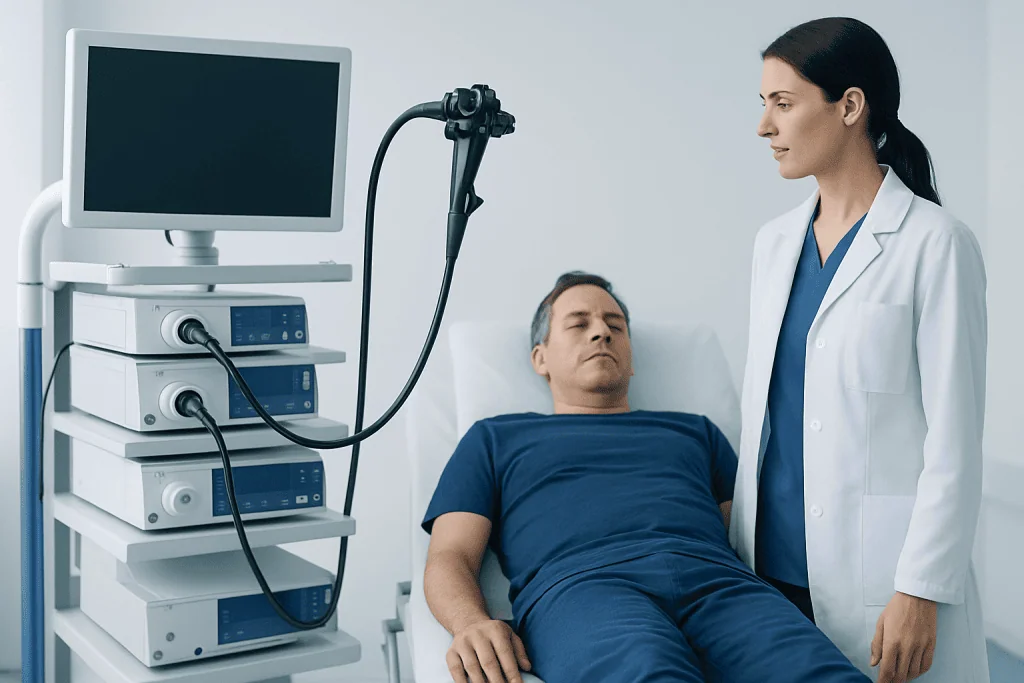
Further evaluation may be recommended once the immediate problem is treated, especially if obstipation recurs. Some people need studies to assess colon structure or bowel function, including colonoscopy if a doctor needs to investigate bleeding, unexplained anemia, a change in bowel habits, or concern about an underlying colon disorder.
Treatment options for obstipation
Treatment depends entirely on the cause and how unwell the person is. If the problem is severe constipation or fecal impaction without signs of bowel perforation or complete obstruction, a doctor may recommend rehydration, oral bowel-softening or bowel-clearing medicines, suppositories, enemas, or carefully supervised manual removal of impacted stool. These approaches should be guided by a clinician when symptoms are significant.
If obstipation is caused by a suspected intestinal blockage, treatment is more urgent and usually takes place in hospital. Care may include intravenous fluids, temporary restriction of food and drink, monitoring, and treatment of the underlying cause. In selected cases, a tube may be used to decompress the stomach or bowel, especially when vomiting and distension are severe.
Some people may need specialist procedures or surgery if there is a twist in the bowel, a narrowing, a hernia, scar-related blockage, or another structural problem. If an underlying condition is identified, doctors treat that as well. In some patients, evaluation by a gastroenterology team helps guide both urgent management and long-term prevention.
Self-treating severe symptoms at home for too long can be risky. Laxatives are not appropriate in every situation, particularly if there is concern for bowel obstruction, intense abdominal pain, or persistent vomiting. A doctor can determine which treatment is safe and whether emergency care is needed.
Prevention and self-care after recovery
Prevention focuses on keeping bowel movements regular and identifying the reason constipation became severe. After recovery, many people benefit from a bowel plan that includes adequate fluid intake, regular physical activity, and fiber from foods such as vegetables, fruits, legumes, and whole grains. Fiber should usually be increased gradually to reduce gas and discomfort.
Establishing a routine can help. It is often useful to respond promptly to the urge to have a bowel movement, allow enough time in the bathroom, and avoid frequent straining. Some people improve by trying to use the toilet after meals, when the body’s natural reflexes are more active.
Medication review is also important. If a prescription medicine may be contributing, a doctor may adjust the regimen or suggest a preventive bowel program. People with repeated symptoms may need evaluation for chronic constipation, pelvic floor dysfunction, or other digestive disorders such as irritable bowel syndrome, although IBS does not usually cause true obstipation on its own.
For international patients who need coordinated digestive care, Acibadem International’s multidisciplinary specialists in JCI-accredited hospitals diagnose and treat bowel conditions using imaging, endoscopy, and surgical services when appropriate. The most suitable plan depends on the cause, the severity of symptoms, and the person’s overall health.
When to seek medical care
Medical care should be sought promptly if constipation becomes severe, especially if there is no passage of gas, increasing abdominal pain, marked bloating, repeated vomiting, or inability to keep fluids down. These symptoms can indicate a blockage or another urgent problem rather than simple constipation.
Urgent assessment is also important if there is fever, blood in the stool, black stool, fainting, confusion, severe weakness, or signs of dehydration. People with cancer, inflammatory bowel disease, prior abdominal surgery, or significant chronic illness should be especially cautious about new or worsening obstipation symptoms.
Non-urgent medical review is still worthwhile when constipation is frequent, persistent, or newly different from a person’s usual pattern. A doctor can assess for medication side effects, diet and fluid issues, thyroid disease, diabetes, nerve disorders, and conditions affecting the colon or rectum. Early evaluation often makes treatment simpler and safer.
Children, older adults, and pregnant people should not be treated exactly the same way as healthy younger adults. In these groups, it is sensible to seek individualized advice before using over-the-counter remedies repeatedly or combining multiple constipation treatments.
Frequently asked questions
Is obstipation the same as constipation?
No. Obstipation is generally considered a more severe form of constipation in which stool, and often gas, cannot pass normally. It may happen with fecal impaction or bowel obstruction, so it deserves closer medical attention than routine constipation.
Can obstipation go away on its own?
Sometimes severe stool retention improves with treatment, hydration, and bowel-emptying measures, but true obstipation should not be assumed to resolve safely without evaluation. If there is severe pain, vomiting, abdominal swelling, or no passage of gas, prompt medical care is important.
What are the warning signs of a bowel obstruction?
Important warning signs include inability to pass gas, increasing abdominal swelling, cramping or constant abdominal pain, nausea, and vomiting. These symptoms can point to a blockage and should be assessed urgently, especially if they are worsening.
Should laxatives be used for obstipation?
Laxatives can help some causes of severe constipation, but they are not right for every situation. If bowel obstruction is possible, using laxatives without medical advice may be unsafe. A doctor can recommend the appropriate option based on the cause.
Who is more likely to develop obstipation?
Risk is higher in older adults, people with limited mobility, those with chronic constipation, and people taking medicines that slow the bowel, such as opioids. Dehydration, low fiber intake, neurologic disease, and previous abdominal surgery can also increase risk.
How do doctors treat fecal impaction?
Treatment may include hydration, rectal medicines such as suppositories or enemas, oral bowel-clearing medicine, or manual removal of impacted stool by a trained clinician. The exact approach depends on where the stool is lodged, how severe the symptoms are, and whether obstruction is suspected.
References
- National Institute of Diabetes and Digestive and Kidney Diseases
- American College of Gastroenterology
- National Health Service
- Mayo Clinic
- World Gastroenterology Organisation
This article is for general information only and is not a substitute for professional medical advice. Please consult a qualified doctor about your individual situation.
Explore treatments in Turkey — costs, top hospitals & a free quote
JCI-accredited · board-certified surgeons · reply within 24h