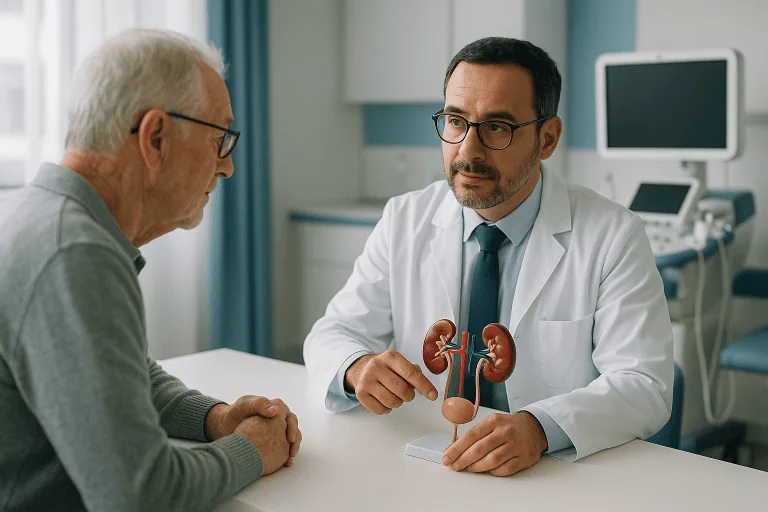
Pelvic Floor Dysfunction
Pelvic Floor Dysfunction affects bladder, bowel, pelvic pain and sexual function. Learn symptoms, causes, diagnosis and treatment options.
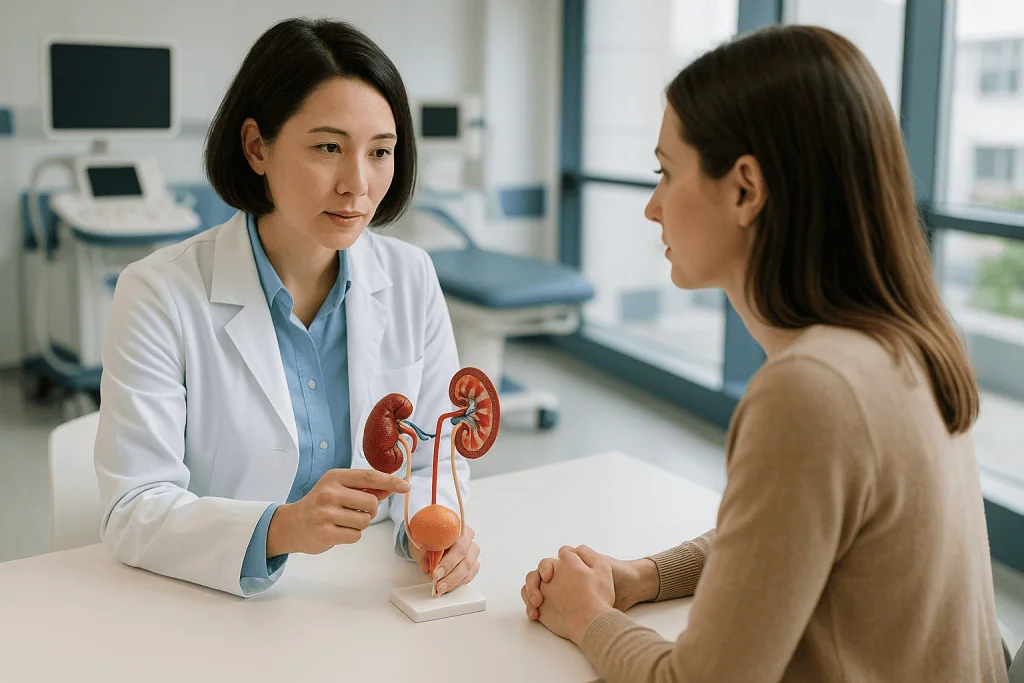
Quick answer
Pelvic floor dysfunction is a condition in which the muscles and connective tissues that support the bladder, bowel, and reproductive organs do not relax, contract, or coordinate properly, causing symptoms such as pelvic pain, constipation, urinary problems, or a feeling of pressure. At Acibadem in Turkey, evaluation focuses on the underlying cause and treatment may include pelvic floor rehabilitation, medication…
What is pelvic floor dysfunction?
Pelvic floor dysfunction is a condition in which the group of muscles at the base of the pelvis, called the pelvic floor muscles, do not work the way they should. These muscles form a supportive sling or hammock that holds up the bladder, the bowel (the lower part of the digestive system), and, in women, the uterus (womb). The pelvic floor muscles also help control when you urinate and pass stool, and they play a role in sexual function. When these muscles become too tight, too weak, or poorly coordinated, everyday functions such as emptying the bladder or bowel can become difficult, uncomfortable, or painful.
Many people ask what is pelvic floor dysfunction and how it differs from other pelvic conditions. Unlike a single injury or infection, pelvic floor dysfunction describes a problem with how the muscles behave. In some people the muscles are overactive and cannot relax; in others they are weakened and cannot contract effectively. Both patterns can cause symptoms, and some people have a mixture of the two.
Pelvic floor dysfunction affects both women and men, although it is more commonly diagnosed in women, particularly after pregnancy, childbirth, or menopause. Men can develop it as well, sometimes after prostate surgery or in connection with chronic pelvic pain. The condition can occur at any age, including in younger adults, and it often goes underreported because people may feel embarrassed to discuss bladder, bowel, or sexual symptoms with a doctor. It is important to know that pelvic floor dysfunction is a recognized medical condition, and effective, evidence-based treatments exist.
Symptoms of pelvic floor dysfunction
Pelvic floor dysfunction symptoms vary widely from person to person, depending on which muscles are affected and whether they are too tight, too weak, or uncoordinated. Common symptoms include:
- Urinary problems: a frequent or urgent need to urinate, difficulty starting the urine stream, a slow or interrupted stream, a feeling of incomplete emptying, or leaking urine (urinary incontinence), especially when coughing, sneezing, or exercising.
- Bowel problems: constipation, straining to pass stool, a sensation that the bowel does not empty completely, needing to change position or press on the pelvic area to finish a bowel movement, or leaking stool (fecal incontinence).
- Pelvic pain or pressure: ongoing pain, aching, or heaviness in the pelvis, lower abdomen, lower back, genitals, or rectum, sometimes worsening after long periods of sitting or standing.
- Pain during sexual activity: in women, pain during intercourse (dyspareunia); in men, pain during or after ejaculation or discomfort in the genital region.
- Muscle spasms: a feeling of tightness, cramping, or spasm in the pelvic muscles.
- A sensation of bulging or something “falling out” of the vagina or rectum, which may indicate pelvic organ prolapse, a related condition in which pelvic organs shift downward due to weakened support.
Symptoms often differ depending on the type of dysfunction. When the pelvic floor muscles are overactive or too tight (sometimes called hypertonic or non-relaxing pelvic floor), the main problems are usually difficulty emptying the bladder or bowel, constipation, pelvic pain, and painful intercourse. When the muscles are weak or underactive (hypotonic pelvic floor), leakage of urine or stool and a feeling of pelvic pressure or prolapse tend to be more prominent.
Symptoms may also change over time. In many cases they begin mildly, such as occasional constipation or slight leakage, and gradually become more noticeable if the underlying muscle problem is not addressed. Because these symptoms overlap with many other conditions, including urinary tract infections, bowel disorders, and gynecologic or prostate problems, a proper medical evaluation is important rather than assuming the cause.
Causes and risk factors
The exact cause of pelvic floor dysfunction is not always clear, and in many people several factors combine. Understanding pelvic floor dysfunction causes can help patients and doctors identify contributing habits or events. Recognized causes and risk factors include:
- Pregnancy and childbirth: carrying a pregnancy and giving birth, especially vaginal delivery, can stretch, weaken, or injure the pelvic floor muscles and the nerves that control them. Multiple births, large babies, prolonged labor, and deliveries requiring instruments may increase the risk.
- Aging and menopause: muscle strength naturally declines with age, and lower estrogen levels after menopause can affect the tissues that support the pelvic organs.
- Pelvic surgery or trauma: operations such as hysterectomy (removal of the uterus) or prostate surgery, as well as pelvic injuries or fractures, can affect muscle and nerve function.
- Chronic straining: long-term constipation and repeated straining during bowel movements can overwork and damage the pelvic floor over time.
- Chronic coughing: conditions such as chronic bronchitis or long-term smoking can place repeated downward pressure on the pelvic floor.
- Obesity: excess body weight increases pressure on the pelvic muscles and supporting tissues.
- Heavy lifting: repeated heavy lifting, whether occupational or during exercise, can strain the pelvic floor.
- Nerve or muscle conditions: some neurologic disorders and connective tissue conditions can affect how the pelvic muscles work.
- Chronic pelvic pain and muscle tension: ongoing pain, stress, or a habit of holding tension in the pelvic muscles can lead to an overactive, non-relaxing pelvic floor. Past pelvic trauma, including sexual trauma, may also contribute in some people.
Having one or more risk factors does not mean you will develop the condition, and some people develop pelvic floor dysfunction without any obvious cause. Genetics may also play a role in how strong or elastic a person’s connective tissues are.
Diagnosis
Pelvic floor dysfunction diagnosis usually begins with a detailed conversation about your symptoms, medical history, pregnancies and deliveries (if applicable), surgeries, bowel and bladder habits, and any pain you experience. Because symptoms can be personal and sensitive, doctors are trained to ask about them in a respectful, matter-of-fact way, and honest answers help ensure an accurate diagnosis.
A physical examination is often the most important step. The doctor may perform an external and internal pelvic exam, gently checking the strength, tone, and coordination of the pelvic floor muscles. In women this may include a vaginal exam; in both women and men it may include a rectal exam (an examination through the anus). During the exam you may be asked to squeeze and relax the muscles, or to bear down as if having a bowel movement, so the doctor can feel how the muscles respond.
Depending on your symptoms, your doctor may recommend additional tests, such as:
- Bladder diary: a simple record of how often you urinate, how much you drink, and any leakage over several days.
- Urine tests: to rule out a urinary tract infection or other urinary problems.
- Urodynamic testing: a set of measurements that show how well the bladder stores and releases urine.
- Anorectal manometry: a test that uses a small sensor to measure the pressure and coordination of the anal and rectal muscles, often used when constipation or stool leakage is the main problem.
- Defecography: a specialized imaging study, using X-ray or magnetic resonance imaging (MRI), that shows how the pelvic muscles and rectum work while you attempt a bowel movement.
- Pelvic ultrasound or MRI: imaging that can show the pelvic organs, muscles, and any prolapse.
- Surface electromyography (EMG): small sensors that measure the electrical activity of the pelvic floor muscles, showing whether they contract and relax normally.
Not every patient needs every test. In many cases the history and physical exam are enough for the doctor to confirm the diagnosis and begin treatment, with further testing reserved for complex or unclear situations. Diagnosis and management of this condition typically involve specialists in urology, gynecology, gastroenterology, or physical medicine and rehabilitation; at Acibadem, for example, pelvic floor conditions are evaluated within these departments, often working together as a team.
Treatment options
Pelvic floor dysfunction treatment depends on the type of muscle problem, the severity of symptoms, and your overall health. In most cases doctors start with conservative, non-surgical approaches, which help many patients considerably.
Pelvic floor physical therapy
Physical therapy is often the first and most important treatment. A physical therapist trained in pelvic health teaches you how to correctly contract, relax, and coordinate the pelvic floor muscles. For weak muscles, this may include strengthening exercises (often called Kegel exercises). For overly tight muscles, treatment focuses instead on relaxation techniques, gentle stretching, and manual therapy (hands-on techniques to release muscle tension). Doing the wrong type of exercise can worsen symptoms, which is why professional guidance matters; for example, strengthening exercises may aggravate an already tight pelvic floor.
Biofeedback
Biofeedback uses sensors placed on or near the pelvic muscles to display muscle activity on a screen in real time. This helps you see whether you are contracting or relaxing correctly and learn better control. Biofeedback is frequently combined with physical therapy and is considered a standard, low-risk treatment for pelvic floor dysfunction.
Lifestyle and behavioral changes
Your doctor may recommend measures such as treating constipation with adequate fiber and fluids, avoiding straining on the toilet, using proper toileting posture, managing body weight, treating chronic cough, quitting smoking, and adjusting exercise habits. Bladder training, which involves gradually spacing out bathroom visits, may help with urinary urgency and frequency.
Medications
There is no single medication that cures pelvic floor dysfunction, but medicines can help manage specific symptoms. Depending on your situation, your doctor may suggest stool softeners or laxatives for constipation, medications for an overactive bladder, muscle relaxants for muscle spasm, or pain-relieving approaches for chronic pelvic pain. Any medication should be used under medical supervision.
Injections and other procedures
For some people with tight, painful pelvic muscles that do not respond to therapy, doctors may consider targeted injections, such as trigger-point injections with a local anesthetic or, in selected cases, botulinum toxin injections to help the muscles relax. These are typically offered after conservative treatments have been tried.
Surgery
Surgery is not a treatment for the muscle dysfunction itself, but it may be recommended for related structural problems, such as significant pelvic organ prolapse or certain types of severe incontinence, when conservative measures are not enough. Your doctor will explain the potential benefits and risks of any procedure so you can make an informed decision together.
Treatment often takes time, and improvement is usually gradual. Many patients see meaningful benefit from consistent physical therapy over a period of weeks to months, but results vary from person to person, and no treatment can be guaranteed to work for everyone.
Living with pelvic floor dysfunction and outlook
For most people, pelvic floor dysfunction is a manageable condition rather than a dangerous one. It is not life-threatening, but untreated symptoms can significantly affect quality of life, including work, sleep, exercise, relationships, and emotional well-being. Feelings of embarrassment or frustration are common and understandable; speaking openly with your healthcare team is an important step toward improvement.
The outlook depends on the cause, the type of dysfunction, and how consistently treatment is followed. In many cases, symptoms improve substantially with pelvic floor physical therapy, biofeedback, and lifestyle changes, and some people become symptom-free. Others may need ongoing maintenance exercises or periodic treatment to keep symptoms under control. Chronic pelvic pain related to muscle tension can take longer to improve and may require a combined approach involving physical therapy, pain management, and sometimes psychological support, since stress and muscle tension often influence each other.
Practical steps that often help in daily life include keeping bowel movements soft and regular, avoiding prolonged straining, pacing physical activity, practicing relaxation or breathing techniques, and continuing home exercises as instructed by your therapist. It is also reasonable to attend follow-up visits so your doctor can track progress and adjust the treatment plan. While no one can promise a specific outcome, most patients who engage with treatment experience meaningful improvement over time.
Frequently asked questions
What is pelvic floor dysfunction in simple terms?
In simple terms, pelvic floor dysfunction means the muscles at the bottom of your pelvis are not working properly. They may be too tight, too weak, or poorly coordinated. Because these muscles help control the bladder and bowel and support the pelvic organs, problems with them can cause urinary leakage, constipation, pelvic pain, or discomfort during sex. It is a functional muscle problem, not an infection or a tumor, and it can usually be evaluated and treated by a doctor.
Can pelvic floor dysfunction heal on its own?
Mild symptoms sometimes improve on their own, for example after recovery from childbirth, but in many cases the condition persists or gradually worsens without treatment. Because the problem involves muscle behavior, targeted exercises and therapy usually work better than simply waiting. If your symptoms have lasted more than a few weeks or interfere with daily life, it is sensible to have them evaluated rather than hoping they resolve by themselves.
How serious is pelvic floor dysfunction?
Pelvic floor dysfunction is generally not dangerous to life, but it should not be ignored. Left untreated, it can lead to ongoing incontinence, chronic constipation, persistent pelvic pain, and reduced quality of life, and long-term straining may contribute to problems such as pelvic organ prolapse. Because some of its symptoms overlap with other conditions that do require prompt treatment, a medical evaluation is important to confirm the cause.
What are the most common pelvic floor dysfunction symptoms?
The most commonly reported symptoms include leaking urine, a frequent or urgent need to urinate, difficulty fully emptying the bladder or bowel, constipation and straining, pelvic pain or pressure, and pain during sexual activity. Symptoms differ depending on whether the muscles are too tight or too weak, and many people have a combination. Any of these symptoms is a reasonable reason to speak with a doctor.
How is pelvic floor dysfunction diagnosed?
Diagnosis usually starts with a discussion of your symptoms and a physical exam in which the doctor checks the strength and coordination of your pelvic muscles. Depending on the findings, additional tests may be recommended, such as urine tests, a bladder diary, urodynamic testing, anorectal manometry, imaging studies like ultrasound or MRI, or muscle activity measurements. In many cases the history and exam alone are enough to confirm the diagnosis.
What is the best treatment for pelvic floor dysfunction?
There is no single best treatment for everyone. For most patients, pelvic floor physical therapy, often combined with biofeedback and lifestyle changes, is the first and most effective approach. Medications can help manage specific symptoms such as constipation or bladder urgency, and injections or surgery may be considered in selected cases when conservative treatment is not enough. Your doctor will tailor the plan to the type of dysfunction you have.
How long does recovery from pelvic floor dysfunction take?
Recovery time varies widely. Some people notice improvement within a few weeks of starting physical therapy, while others need several months of consistent treatment before symptoms clearly improve. Chronic pain-related cases often take longer. Progress depends on the underlying cause, how long symptoms have been present, and how regularly exercises are performed, so it is best to view treatment as a gradual process rather than a quick fix.
Can men get pelvic floor dysfunction?
Yes. Although the condition is diagnosed more often in women, men also have pelvic floor muscles and can develop dysfunction, sometimes after prostate surgery, with chronic constipation, or as part of chronic pelvic pain syndromes. Symptoms in men may include urinary difficulties, pelvic or genital pain, and discomfort during or after ejaculation. The same principles of diagnosis and treatment, including pelvic floor physical therapy, apply to men.
When to see a doctor
You should consider making a routine appointment if you have ongoing urinary leakage, frequent or urgent urination, persistent constipation or straining, pelvic pain, pain during sex, or a feeling of bulging or pressure in the pelvis. These symptoms are common and treatable, and an early evaluation can prevent them from worsening.
Seek prompt or urgent medical attention if you experience any of the following red-flag warning signs, as they may indicate a more serious condition:
- Sudden inability to urinate or to pass stool, especially with abdominal pain or swelling.
- Blood in the urine or stool, or bleeding from the vagina or rectum that is new or unexplained.
- New loss of bladder or bowel control that appears suddenly, particularly if accompanied by numbness in the groin or inner thighs, or weakness in the legs, which can signal a nerve emergency.
- Severe or rapidly worsening pelvic or abdominal pain.
- Fever with pelvic pain or urinary symptoms, which may indicate an infection.
- A visible bulge from the vagina or rectum that is painful, cannot be pushed back, or changes color.
- Unintended weight loss alongside changes in bowel or bladder habits.
If any of these urgent signs occur, do not wait for symptoms to pass; seek emergency care. For non-urgent but persistent symptoms, an evaluation by a doctor experienced in pelvic floor conditions is the appropriate next step toward diagnosis and treatment.
Medically reviewed by the Acıbadem International Medical Board September 2, 2026
See our medical review board →
Update history
- PublishedJune 8, 2026
- Medical review approvedSeptember 2, 2026
- Last content updateSeptember 2, 2026