Rms Disease: Early Signs, Risk Factors, and How It Is Treated

RMS disease most often means rhabdomyosarcoma, a rare soft tissue cancer seen more commonly in children but also possible in adults. Symptoms vary by tumor location and may include a lump, swelling, pain, nasal blockage, urinary problems, or unexplained bleeding.
Key Takeaways
- RMS disease most often means rhabdomyosarcoma, a rare soft tissue cancer seen more commonly in children but also possible in adults.
- Symptoms vary by tumor location and may include a lump, swelling, pain, nasal blockage, urinary problems, or unexplained bleeding.
- Diagnosis often involves imaging, biopsy, and staging tests to confirm the tumor type and check whether it has spread.
- Treatment commonly combines surgery, chemotherapy, and radiation therapy, tailored to the tumor’s site, size, and stage.
- Early specialist assessment is important, especially for a growing mass or symptoms that do not improve.
Medically reviewed by the Acıbadem International Medical Board — July 25, 2026
RMS disease usually refers to rhabdomyosarcoma, a rare cancer that starts in soft tissues such as muscle, connective tissue, or nearby structures. Early symptoms can be subtle and depend on where the tumor grows, but prompt medical evaluation helps guide diagnosis and treatment.
Overview of RMS Disease
RMS disease most commonly refers to rhabdomyosarcoma, a rare cancer that develops from cells that are related to skeletal muscle formation. Although it can arise in areas that contain muscle, it may also appear in places where there is very little muscle tissue, such as the head and neck region, the urinary or reproductive organs, the arms and legs, or the chest and abdomen.
Rhabdomyosarcoma belongs to a broader group of cancers called soft tissue sarcomas. It is best known as a childhood cancer, but it can also occur in teenagers and adults. The condition behaves differently depending on the patient’s age, the exact subtype of tumor, and where it begins.
For many families and patients, the first concern is that the symptoms may look like common problems at first. A small lump, swelling around the eye, persistent nasal congestion, or urinary symptoms may not immediately suggest cancer. This is one reason why persistent or unusual symptoms deserve medical attention, even when they seem mild.
Modern care for RMS disease usually involves a team approach. Pediatric or adult oncologists, surgeons, radiation oncologists, pathologists, and imaging specialists work together to confirm the diagnosis and plan treatment. In some cases, this may overlap with care for related soft tissue sarcoma conditions.
Early Signs and Symptoms
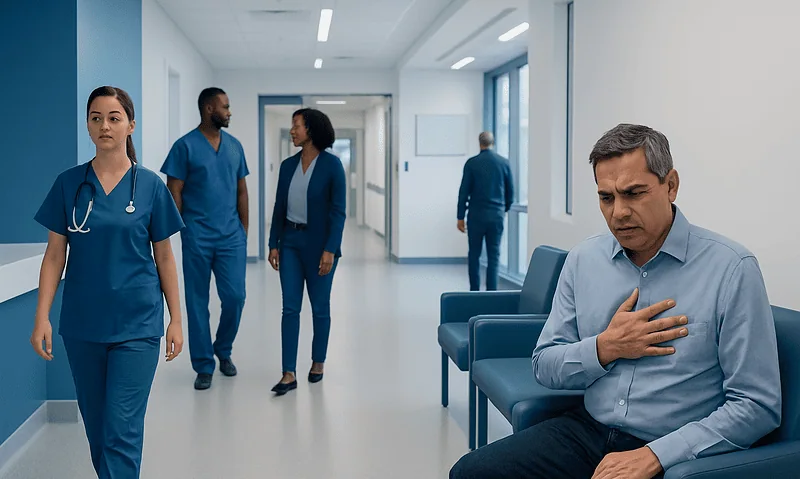
The early signs of rms disease depend mainly on where the tumor is located. Some people notice a lump or swelling that gradually enlarges. Others develop symptoms because the tumor presses on nearby tissues, nerves, or organs. Pain is possible, but not every rhabdomyosarcoma causes pain in the beginning.
Head and neck tumors may cause one-sided nasal blockage, sinus-like symptoms, headaches, ear problems, facial swelling, trouble swallowing, or a bulging eye. Tumors around the eye can lead to redness, swelling, or a sudden change in appearance that needs prompt assessment.
Tumors in the bladder, prostate, or reproductive organs can cause difficulty urinating, blood in the urine, pelvic discomfort, constipation, or unusual vaginal bleeding or discharge. Tumors in the arms, legs, trunk, or abdomen may be noticed as a firm mass, swelling, pain with movement, or a feeling of pressure.
Symptoms that can occur with rhabdomyosarcoma include:
- A lump or swelling that grows over time
- Pain or tenderness in one area
- Persistent nasal congestion or nosebleeds
- Bulging of one eye or eyelid swelling
- Urinary changes or blood in the urine
- Abdominal discomfort or fullness
- Unexplained bleeding from the nose, bladder, or genital area
These symptoms do not automatically mean cancer. Many are more often caused by infections, benign growths, or inflammatory conditions. Even so, if symptoms persist, return repeatedly, or worsen, medical review is appropriate.
Causes, Types, and Risk Factors

The exact cause of rms disease is not fully understood. Like many cancers, it develops when changes occur in the genetic material of cells, allowing them to grow and divide in an uncontrolled way. In most cases, these changes happen sporadically, meaning there is no clear action or exposure that a patient or parent could have prevented.
Doctors classify rhabdomyosarcoma into subtypes because this affects treatment planning and outlook. The main subtypes include embryonal rhabdomyosarcoma, which is more common in younger children and often occurs in the head and neck or genitourinary tract, and alveolar rhabdomyosarcoma, which can be more aggressive and is more often found in the arms, legs, or trunk. Less common subtypes also exist.
Most people with rhabdomyosarcoma have no identifiable risk factor. However, some inherited genetic syndromes are linked with a higher risk, including Li-Fraumeni syndrome, neurofibromatosis type 1, Costello syndrome, and Beckwith-Wiedemann syndrome. A family history of certain cancers or known cancer-predisposition syndromes may lead doctors to recommend genetic counseling.
It is important to remember that routine bumps, sports injuries, or common childhood illnesses do not cause rhabdomyosarcoma. A painless lump should not be ignored simply because there was a minor injury nearby. Sometimes an injury only draws attention to a mass that was already present.
How RMS Disease Is Diagnosed
Diagnosis begins with a medical history and physical examination. The doctor asks when symptoms began, whether a lump has changed in size, and whether there are problems such as pain, breathing difficulty, urinary changes, or bleeding. The location of symptoms often guides which tests are needed first.
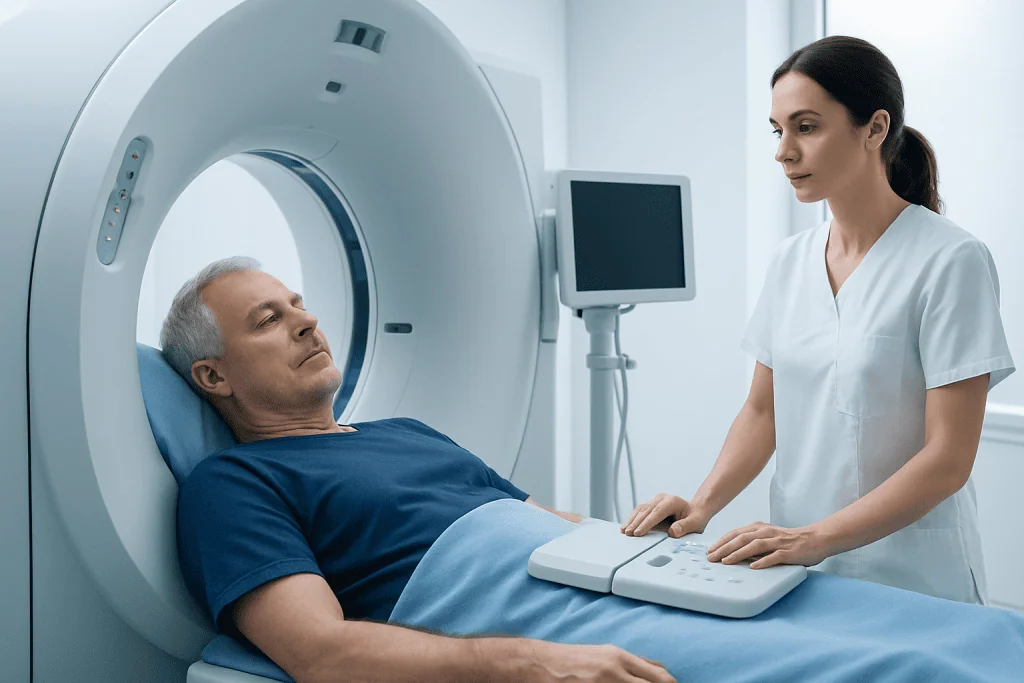
Imaging tests help show the size of the tumor and whether it involves nearby structures. Ultrasound may be used for a superficial lump, while MRI often gives detailed information about soft tissues. CT scans can be helpful in some body regions, and additional imaging may be used to look for spread to the lungs, bones, or other areas. A specialist may recommend MRI or PET-CT as part of staging, depending on the case.
A biopsy is essential to confirm rhabdomyosarcoma. In a biopsy, a doctor removes a small sample of tissue so a pathologist can examine it under a microscope and perform specialized tests. This step is important because other tumors, infections, or benign growths can sometimes look similar on scans.
Once the diagnosis is confirmed, doctors determine the stage and risk group. Staging considers factors such as tumor size, location, involvement of lymph nodes, and whether cancer has spread to distant organs. This information helps guide treatment decisions and discussions about outlook.
Treatment Options for Rhabdomyosarcoma
Treatment for rms disease is individualized. In many cases, care combines chemotherapy, surgery, and radiation therapy. The exact sequence depends on the tumor’s location, subtype, size, whether it has spread, and how safely it can be removed without harming important organs or functions.
Chemotherapy is a core treatment for many patients because rhabdomyosarcoma cells can travel beyond the main tumor site, even when this is not visible on scans. Medicines are usually given in planned cycles over time, and the oncology team monitors both response and side effects closely. The aim is to shrink or control the cancer while protecting overall health as much as possible.
Surgery is considered when the tumor can be removed safely. In some situations, surgery is performed after chemotherapy to reduce the tumor first. This can help preserve appearance or function, especially in sensitive areas such as the face, pelvis, or limbs. Some patients may need pediatric oncology care or highly specialized oncology treatment from a multidisciplinary team.
Radiation therapy may be used when surgery cannot remove all cancer cells or when complete surgery would be too risky. It is also used in certain higher-risk situations based on staging. Supportive care is an important part of treatment as well, including nutrition support, symptom relief, rehabilitation, emotional support, and long-term follow-up after therapy.
Living With RMS Disease and Follow-Up Care
A diagnosis of rhabdomyosarcoma affects more than the tumor itself. Patients and families often need practical, emotional, and educational support throughout treatment. It is normal to have questions about school, work, fertility, physical activity, body image, or the effect of therapy on future health.
Follow-up care is a routine part of treatment after the main therapy ends. Doctors schedule regular visits and scans to look for recurrence, monitor recovery, and identify late effects of treatment. The schedule differs from person to person, but ongoing review is especially important in the first years after treatment.
Depending on the therapies used, some patients may need support from physical therapy, speech therapy, endocrinology, cardiology, fertility specialists, or mental health professionals. Children may also benefit from developmental and educational follow-up. These services help recovery extend beyond cancer control alone.
For international patients seeking coordinated assessment, Acibadem International’s multidisciplinary specialists and JCI-accredited hospitals evaluate and treat cancers such as rhabdomyosarcoma with individualized care plans. A second opinion may also help clarify diagnosis, staging, or treatment sequencing when decisions are complex.
When to Seek Medical Care
Medical evaluation is important for any lump, swelling, or symptom that is unusual, growing, or not improving as expected. This is especially true when a mass seems firm, keeps enlarging, or is associated with bleeding, pain, eye changes, urinary symptoms, or ongoing nasal blockage on one side.
Parents should arrange prompt assessment for a child with a new unexplained lump, bulging of one eye, repeated nosebleeds with facial swelling, blood in the urine, or difficulty passing urine. Adults should also seek care for persistent soft tissue masses, pelvic symptoms, or unexplained localized swelling.
Urgent care is needed if symptoms interfere with breathing, vision, urination, or bowel function, or if a child or adult appears acutely unwell. Even when the cause turns out to be noncancerous, early review can bring reassurance and prevent delays in treating a more serious condition.
People do not need to wait until symptoms become severe. A qualified doctor can decide whether watchful waiting is reasonable or whether imaging and referral to a specialist are needed.
Frequently asked questions
What does rms disease mean?
RMS disease usually means rhabdomyosarcoma, a rare type of soft tissue cancer. It develops from cells related to skeletal muscle formation and can occur in several parts of the body.
Is rhabdomyosarcoma more common in children or adults?
Rhabdomyosarcoma is more common in children, but it can also occur in teenagers and adults. Age matters because the tumor’s behavior, treatment approach, and outlook may differ across age groups.
What is usually the first symptom of rms disease?
The first symptom is often a lump or swelling that does not go away or gradually gets bigger. In other cases, the first sign is related to where the tumor grows, such as nasal blockage, eye swelling, urinary problems, or unusual bleeding.
Can a painless lump be rhabdomyosarcoma?
Yes. Not all rhabdomyosarcomas are painful at first, so a painless lump should still be assessed if it is growing, firm, or persistent. Many painless lumps are benign, but only a medical evaluation can determine the cause.
How is rms disease confirmed?
Doctors use imaging tests to locate and assess the tumor, but a biopsy is needed to confirm the diagnosis. The biopsy allows a pathologist to identify the tumor type and perform specialized tests that help guide treatment.
Is rms disease treatable?
Yes, rhabdomyosarcoma is treatable, and many patients receive a combination of chemotherapy, surgery, and radiation therapy. The best treatment plan depends on the tumor’s location, subtype, stage, and the patient’s overall health.
References
- National Cancer Institute
- American Cancer Society
- World Health Organization
- National Comprehensive Cancer Network
- Children's Oncology Group
This article is for general information only and is not a substitute for professional medical advice. Please consult a qualified doctor about your individual situation.
Explore treatments in Turkey — costs, top hospitals & a free quote
JCI-accredited · board-certified surgeons · reply within 24h