

Pediatric Oncology
Pediatric oncology focuses on diagnosing and treating cancers in children using individualized care plans that may include chemotherapy, immunotherapy, radiation, surgery, and supportive care.
Quick answer
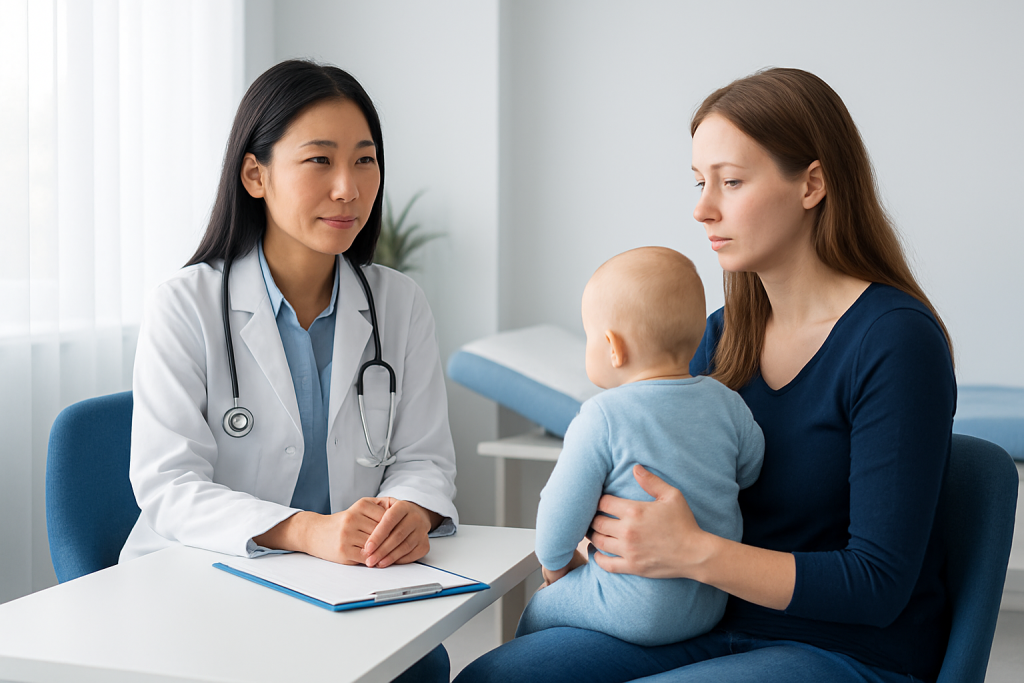
Pediatric oncology is the diagnosis and treatment of cancers in children, using care plans tailored to the cancer type, stage, and child’s overall health. At Acibadem in Turkey, pediatric oncology teams coordinate chemotherapy, immunotherapy, surgery, radiation therapy, and supportive services throughout treatment and follow-up.
When Your Child May Need Cancer Care, the Questions Become Urgent
Few experiences are more unsettling for a parent than hearing that a child may have cancer, or that more tests are needed to rule it out. Families often describe the early days as a blur of worry, fast-moving decisions, and unfamiliar medical language. You may be trying to understand symptoms, make sense of pathology reports, compare treatment options, and decide where your child should be treated. If you are considering care abroad, there is an added layer of concern: whether the hospital will combine advanced treatment with the compassion, communication, and practical support your family needs.
Pediatric oncology is designed for exactly this kind of situation. It is the medical specialty devoted to cancers and blood-related cancers in infants, children, adolescents, and in some cases young adults. Children are not simply “small adults,” and their cancers often behave differently from adult cancers. The way they respond to treatment, the kinds of side effects they may experience, and the support they need during and after therapy all require a dedicated pediatric approach.
Treatment matters not only because childhood cancers can progress quickly, but also because the timing and quality of care can influence symptom control, the intensity of treatment needed, long-term health, and quality of life. A well-coordinated pediatric oncology program aims to move from diagnosis to treatment thoughtfully but without unnecessary delay. It also focuses on the child as a whole person: growth, development, school life, emotional wellbeing, family routines, and the transition back to everyday life whenever possible.
For international families, it is reasonable to want clarity on practical questions as well as medical ones. What tests are needed? Which specialists will be involved? Will my child need chemotherapy, surgery, radiation, immunotherapy, or a combination? How long might treatment take? What technologies are used to diagnose and monitor the disease? How is pain managed? What happens if a second opinion changes the plan? These are central questions in pediatric oncology, and they deserve direct, careful answers.
What Pediatric Oncology Is
Pediatric oncology is the branch of medicine that diagnoses and treats cancer in children and adolescents. It includes both solid tumors, such as brain tumors, bone tumors, neuroblastoma, Wilms tumor, and sarcomas, and hematologic cancers, such as leukemia and lymphoma. Care is usually led by pediatric oncologists and pediatric hematologist-oncologists, working with surgeons, radiation oncologists, pathologists, radiologists, intensive care specialists, pediatric nurses, rehabilitation teams, psychologists, and other experts depending on the child’s diagnosis.
The goal is to match the treatment plan to the exact type of cancer, its stage or extent, its biological features, the child’s age and health, and the family’s needs. This often begins with a detailed diagnostic process that may include blood tests, advanced imaging, bone marrow evaluation, biopsy, and molecular or genetic analysis of the tumor. Once the diagnosis is confirmed, specialists review the findings together and recommend a plan based on current evidence and pediatric treatment protocols.
Pediatric oncology treatment may involve one therapy or a combination of therapies. Chemotherapy uses medicines to kill cancer cells or stop them from dividing. Surgery may be used to remove a tumor, obtain tissue for diagnosis, or address complications. Radiation therapy uses carefully targeted high-energy beams when local control is needed. Immunotherapy and other targeted approaches may be used for selected cancers, depending on the tumor’s biology. Supportive care is also a major part of treatment and includes infection prevention, transfusions when needed, nutritional support, pain management, rehabilitation, and psychological care.
In many cases, pediatric oncology also includes long-term follow-up after treatment ends. This is important because children are still growing, and clinicians monitor for recurrence, recovery of normal blood counts and organ function, developmental progress, fertility considerations when relevant, school reintegration, and any late effects of treatment. In other words, pediatric oncology is not one procedure but a coordinated specialty program built around diagnosis, treatment, recovery, and survivorship.
Who May Need Pediatric Oncology Care
Children are referred to pediatric oncology when symptoms, blood test abnormalities, imaging findings, or biopsy results suggest a possible cancer or blood-related malignancy. Sometimes the signs are dramatic, such as a fast-growing mass, persistent unexplained fever, or severe fatigue. In other cases, the symptoms are vague and may initially resemble common childhood illnesses. What matters is not that every symptom indicates cancer, but that persistent or unusual findings are evaluated promptly and systematically.
Symptoms that can lead to pediatric oncology evaluation may include persistent tiredness, paleness, bruising or bleeding more easily than expected, recurrent infections, prolonged fever, unexplained weight loss, swollen lymph nodes, persistent bone or joint pain, abdominal swelling, headaches with vomiting, vision changes, balance problems, or a noticeable lump. Some children come to medical attention after an emergency symptom, while others are diagnosed during work-up for a problem that seemed less urgent at first.
Diagnosis usually starts with a careful pediatric assessment, followed by laboratory tests and imaging. Depending on the suspected condition, doctors may order a complete blood count, blood chemistry tests, clotting studies, infection screening, ultrasound, X-ray, CT, MRI, or PET-based imaging. Tissue diagnosis is often essential. This may involve a biopsy of a mass, sampling of bone marrow, lumbar puncture in selected cases, or surgical evaluation. Pathology specialists then examine the cells and, when appropriate, perform additional studies to classify the disease more precisely. Modern diagnostic pathways may also include cytogenetic, immunophenotypic, or molecular testing to better understand the cancer and guide treatment planning.
Families may seek pediatric oncology care in several situations. A child may have a newly suspected cancer and need diagnosis. A diagnosis may already be confirmed, and the family may be looking for treatment recommendations or a second opinion. Some children need advanced therapy after initial treatment elsewhere. Others require multidisciplinary review because surgery, chemotherapy, and radiation all need to be timed carefully. There are also situations in which a child is in remission but needs structured follow-up and survivorship care.
Because childhood cancers are relatively rare compared with adult cancers, specialist review is especially valuable. Accurate classification of the disease is essential, and treatment often depends on details that are only visible through pediatric-focused pathology, radiology, and oncology expertise. When parents ask, “Does my child really need to be seen by a pediatric cancer team?” the answer is often yes, particularly if there is uncertainty about diagnosis, staging, or the best order of treatments.
Conditions and Indications Pediatric Oncology Addresses
Pediatric oncology covers a broad range of malignant and some complex hematologic conditions. Among the most common are leukemias, particularly acute lymphoblastic leukemia and acute myeloid leukemia. These cancers begin in the bone marrow and blood-forming cells and often require systemic therapy over a structured treatment course. Lymphomas, including Hodgkin and non-Hodgkin lymphoma, affect the lymphatic system and may present with swollen lymph nodes, chest masses, fever, or weight loss.
It also includes many solid tumors. These include brain and spinal tumors, neuroblastoma, Wilms tumor of the kidney, bone cancers such as osteosarcoma and Ewing sarcoma, rhabdomyosarcoma, retinoblastoma, liver tumors, and germ cell tumors. Some children present with localized disease; others have tumors that have spread and need more intensive combined treatment. Pediatric oncology teams also help coordinate care for cancers that involve especially sensitive areas, such as the brain, spine, chest, pelvis, or bones near growth plates.
In addition, pediatric oncology may manage or co-manage certain blood disorders and conditions that overlap with pediatric hematology, particularly when the initial concern is a possible malignancy. Families may also encounter the specialty when a child has a hereditary cancer predisposition syndrome, requiring closer surveillance and tailored planning. For some patients, the indication is not only treatment of active cancer but evaluation of relapse, treatment resistance, complications of therapy, or long-term follow-up after earlier treatment.
Each diagnosis brings a different treatment path. Some cancers are treated mainly with chemotherapy. Others depend on surgery, radiation, or a combination. Some children may need inpatient treatment for part of their therapy, while others receive a significant portion as outpatient care. What connects these conditions is the need for pediatric-specific expertise, coordinated decision-making, and supportive care designed for a child’s body and developing nervous system, immune system, and emotional needs.
How Pediatric Oncology Treatment Is Performed
Because pediatric oncology is a specialty rather than a single operation, treatment is best understood as a sequence of steps. The first step is comprehensive evaluation. Doctors review symptoms, prior test results, and any pathology or imaging already performed. If the diagnosis is not yet confirmed, additional testing is arranged promptly. This may include repeat imaging, biopsy review, bone marrow studies, or molecular analysis to refine the diagnosis. In many cases, a multidisciplinary specialist board discusses the findings before a final treatment recommendation is made.
The next step is treatment planning. This is where the team defines the type of cancer, its stage or risk group, the urgency of treatment, and the best combination of therapies. Families are usually guided through the expected treatment phases, possible side effects, hospital stay requirements, supportive care needs, and the schedule of follow-up assessments. If fertility preservation or organ-protection strategies are relevant, these are discussed early, before treatment begins when possible.
Preparation for therapy may include placing a central venous access device so medicines and blood tests can be managed more comfortably and safely. Baseline heart, lung, kidney, liver, hearing, or neurological assessments may be performed depending on the planned treatment. Nutritional evaluation, dental review, infection screening, and vaccination review may also be part of preparation. For children who are very unwell at diagnosis, supportive treatment such as intravenous fluids, antibiotics, blood products, or medications to manage tumor-related complications may need to begin immediately.
Chemotherapy is one of the most common treatments in pediatric oncology. It may be given into a vein, by mouth, into the spinal fluid in selected cases, or through a combination of routes. Treatment often occurs in cycles, with planned intervals that allow healthy tissues to recover. Some regimens are largely outpatient; others require hospital admission. During treatment, blood counts, organ function, response to therapy, and side effects are monitored closely. Imaging and laboratory tests help determine how well the cancer is responding and whether the plan should continue as scheduled.
Surgery plays several roles. It may be performed to obtain a biopsy, remove a primary tumor, assess lymph nodes, relieve pressure or obstruction, or reconstruct an area after tumor removal. Pediatric surgical planning is highly individualized. Surgeons consider not only complete tumor removal where appropriate, but also the child’s future growth, function, appearance, and rehabilitation needs. Minimally invasive approaches may be possible in selected cases, while other tumors require more extensive surgery. In all situations, imaging guidance and careful perioperative pediatric care help improve precision and safety.
Radiation therapy is used when cancer control requires highly targeted treatment to a specific area. Pediatric teams plan radiation very carefully because children’s tissues are still developing. Advanced planning methods and detailed imaging help shape the treatment field to focus on the tumor while reducing exposure to healthy tissue as much as possible. Some children receive radiation daily over several weeks; others need shorter courses. Younger children may need sedation so they can remain still during treatment.
Immunotherapy and targeted therapies may be used for selected childhood cancers, especially when tumor biology suggests a likely benefit. These approaches aim to use the immune system or interfere with specific pathways that help cancer cells survive. Not every pediatric cancer is treated this way, and these therapies can have their own side-effect profiles, but they are increasingly important in modern oncology for certain indications.
Throughout treatment, supportive care is continuous rather than optional. Children may need anti-nausea medication, pain control, nutritional support, transfusions, infection prevention, physical therapy, speech or occupational therapy, psychosocial support, and educational support to help maintain developmental progress. Families also need practical guidance about fevers, emergency symptoms, medication schedules, food safety, activity restrictions, and when a child can return to school or social activities.
Several types of technology support pediatric oncology care. High-quality imaging helps detect tumors, define their relationship to nearby organs, and monitor response. Image-guided procedures can make biopsies and access placement more precise. Modern laboratory and pathology methods help classify cancer cells accurately and identify biological features that influence treatment. Radiation planning systems help focus treatment where it is needed. Electronic treatment pathways, infusion safety systems, and specialized pediatric monitoring equipment support safer delivery of complex therapy. The value of technology is not in the machine itself, but in how it helps the team diagnose earlier, treat more precisely, and monitor children more closely.
How long treatment takes depends entirely on the diagnosis. Some children complete therapy in a matter of weeks, especially when treatment is mainly surgical. Many cancers require months of planned therapy, and some leukemia protocols extend much longer. Recovery also varies. A child may recover quickly after a biopsy or brief hospital admission, while full recovery from major surgery, intensive chemotherapy, or combined-modality therapy takes longer. Parents often ask, “When will my child feel normal again?” The answer depends on the disease and treatment intensity, but recovery is usually gradual, with good days and harder days rather than one clear turning point.
Why Acting Early Matters
Childhood cancers are not caused by waiting a few days for the right specialist opinion, but unnecessary delay can matter. Some cancers grow rapidly. Others become harder to manage if they spread, compress critical structures, weaken the child’s overall condition, or cause complications such as infection, bleeding, malnutrition, or organ dysfunction. Early diagnosis also helps avoid a prolonged period of uncertainty and repeated incomplete evaluations.
Timely specialist assessment can improve the quality of treatment planning. When pediatric oncologists, radiologists, surgeons, and pathologists evaluate the disease early, they are better able to determine the correct diagnosis, identify the best sequence of therapy, and start supportive care before complications escalate. This is especially important when symptoms are severe, when a tumor is near the brain, spine, airway, or major blood vessels, or when blood counts are dangerously abnormal.
For some children, early treatment may help preserve organ function or reduce the extent of surgery needed later. It may also lessen the burden of symptoms such as pain, fever, fatigue, or shortness of breath. Perhaps just as importantly, early action gives families a structured plan and a team they can contact, which can reduce the feeling of being overwhelmed by uncertainty.
Potential Benefits of Pediatric Oncology Treatment
The benefits depend on the diagnosis and treatment plan, but the aims of care are consistent across pediatric oncology.
| Benefit | What It Means for You |
|---|---|
| Accurate diagnosis and staging | Your child’s treatment is based on the exact type of cancer and how far it has spread, helping the team choose the most appropriate approach. |
| Individualized treatment planning | Chemotherapy, surgery, radiation, immunotherapy, and supportive care can be combined in a way that fits your child’s disease, age, and overall condition. |
| Symptom control and stabilization | Treatment can relieve pain, reduce tumor burden, improve blood counts, and address urgent complications such as infection or pressure on nearby organs. |
| Closer monitoring during therapy | Regular imaging, blood tests, and pediatric assessments help the team track response and adjust care if side effects or complications arise. |
| Support for long-term health | Follow-up care focuses not only on cancer control, but also on growth, development, school life, emotional wellbeing, and possible late effects of treatment. |
Typical Recovery Timeline
Recovery in pediatric oncology varies widely, but families often find it helpful to understand the general pattern.
| Time Period | What Patients Can Expect |
|---|---|
| Day 1 | Initial treatment may begin after diagnosis is confirmed or in urgent cases even while final details are being completed. The focus is on stabilization, symptom relief, and establishing a safe treatment plan. |
| First Week | Families usually meet multiple specialists, complete key tests, and begin the first phase of therapy. Side-effect prevention, infection precautions, and home care instructions become an important part of daily life. |
| First Month | The team monitors early response closely. Some children need repeated admissions or day treatments, while others begin to settle into a planned outpatient rhythm between evaluations. |
| Longer Term | Over the following months, treatment intensity may change depending on response and protocol. Recovery includes rebuilding strength, managing school and social reintegration, and attending structured follow-up appointments. |
What Influences Outcomes and a Good Result
Families often ask how successful pediatric oncology treatment generally is. The honest answer is that outcomes vary widely by cancer type, stage, biology, age, and how the disease responds to the first phases of therapy. Some childhood cancers respond very well to established treatment protocols. Others are more complex and may require intensive, multi-step care. Because of this variation, it is usually more meaningful to discuss prognosis in the context of your child’s exact diagnosis rather than childhood cancer as a whole.
Several factors influence outcome. One is the accuracy of diagnosis. Pediatric cancers can look similar at first glance but require different therapies. Another is the extent of disease at diagnosis, including whether the cancer is localized or has spread. Tumor biology also matters; certain genetic or molecular features may indicate a higher-risk or lower-risk pattern. The child’s overall health and nutritional status can influence tolerance of treatment, as can the presence of infection or organ dysfunction at the time therapy starts.
Access to coordinated multidisciplinary care is another major factor. When pediatric oncologists, surgeons, radiation oncologists, radiologists, pathologists, intensive care teams, and supportive care professionals work in a coordinated way, treatment decisions can be timed more precisely. This helps avoid delays, reduces the risk of incomplete planning, and supports better management of complications.
Adherence to treatment and follow-up also matters. Pediatric oncology often involves a structured schedule over many weeks or months. Keeping appointments, reporting fever or side effects promptly, taking medications exactly as prescribed, and attending follow-up imaging and laboratory checks all contribute to safer care. Family understanding is therefore part of treatment success, which is why clear communication and educational support are so important.
Finally, a good result in pediatric oncology is broader than tumor response alone. It includes minimizing treatment-related harm where possible, supporting normal development, preserving organ function, reducing interruptions to schooling and social life, and planning for long-term survivorship. For many families, the quality of care is measured not only by what treatment was given, but by how thoughtfully the child and family were supported through each stage.
Why International Patients Choose Acibadem for Pediatric Oncology Care
For families traveling from abroad, pediatric oncology care must be medically rigorous and logistically manageable. At Acibadem, care is shaped around multidisciplinary decision-making, internationally recognized hospital standards, and the needs of children and parents navigating a difficult diagnosis away from home. Pediatric oncologists work alongside pediatric surgeons, radiation oncologists, radiologists, pathologists, pediatric intensive care specialists, and supportive care teams so that diagnosis and treatment planning can be reviewed from more than one specialist perspective.
This collaborative structure is particularly important in childhood cancer, where the order of therapies can be as important as the therapies themselves. A child with a solid tumor may need biopsy planning that preserves later surgical options. A child with leukemia may need rapid systemic treatment while infection risk is carefully managed. A child with a brain or spinal tumor may need neurosurgical and oncology planning in parallel. Multidisciplinary boards help align these decisions with current evidence-based protocols and the child’s specific clinical picture.
Acibadem hospitals are JCI-accredited, which matters to many international families because it reflects a structured approach to quality and patient safety. In pediatric oncology, this includes careful medication processes, pediatric monitoring, infection control practices, and coordinated inpatient and outpatient pathways. Advanced diagnostic and treatment technologies support imaging, pathology review, image-guided procedures, radiation planning, and therapy monitoring, helping physicians make more precise decisions at each stage.
Experienced physicians are only one part of what international families need. Communication is equally important. Acibadem’s international patient services assist families with planning, language support in more than 20 languages, medical documentation, travel coordination, and continuity of communication before arrival and during treatment. This can be especially meaningful when a family is trying to obtain a second opinion quickly, transfer records from another country, or understand whether their child’s treatment can be delivered in phases that fit travel realities.
Personalized treatment plans are central to pediatric oncology care at Acibadem. That means not every child is routed into the same pathway. The plan is built around the diagnosis, risk profile, age, symptoms, treatment goals, and practical needs of the family. Some children need intensive inpatient care. Others can safely spend more time in outpatient follow-up between treatment cycles. Some families come for a full course of care, while others seek diagnostic clarification, treatment recommendations, or a second opinion that can inform care closer to home.
For many parents, the decision to seek care internationally comes down to trust: trust that the diagnosis will be reviewed carefully, that the treatment plan will reflect current pediatric oncology standards, and that their child will be treated with both technical expertise and kindness. Those expectations are reasonable. In a pediatric oncology setting, they are also essential.
Taking the Next Step
If your child has been diagnosed with cancer, or if doctors suspect a malignancy and you need a clearer plan, it can help to speak with a pediatric oncology team that can review the case in detail. A careful second opinion may confirm the current plan, refine the diagnosis, or open additional treatment options. Even when the path ahead feels overwhelming, the next step is usually more manageable once you understand the diagnosis, the treatment sequence, and who will be guiding your child’s care.
You may wish to request a consultation if you are seeking diagnostic review, a treatment recommendation, multidisciplinary evaluation, or support in planning care from abroad. Bringing pathology reports, imaging studies, laboratory results, treatment summaries, and a timeline of symptoms can help the team provide more specific guidance from the start.
This information is general in nature and is not a substitute for professional medical advice, diagnosis, or treatment.
Our Specialists Explain
 Childhood Cancer Treatment at Acıbadem
Preparation
- Preparation begins with a detailed evaluation, including physical examination, blood tests, imaging, and sometimes biopsy or bone marrow studies. Families meet the pediatric oncology team to discuss diagnosis, treatment options, expected side effects, and supportive care needs. The child’s general health, nutrition, and infection risk are also assessed before treatment starts.
Aftercare
- Aftercare includes close monitoring for treatment response, side effects, infections, and long-term health needs. Children may need follow-up blood tests, imaging, rehabilitation, nutritional support, and psychosocial care. Long-term survivorship follow-up is important to monitor growth, development, and late effects of therapy.
Doctors Performing This Treatment
Prof. Dr. Abdullah Büyükçelik
Medical Oncology
Prof. Dr. Ahmet Öztürk
Hematology
Prof. Dr. Ali Arıcan
Medical Oncology
Prof. Dr. Ayşen Timurağaoğlu
Hematology
Prof. Dr. Aziz Yazar
Medical Oncology
Prof. Dr. Başak Oyan Uluç
Medical Oncology
Prof. Dr. Bülent Karabulut
Medical Oncology
Prof. Dr. Bülent Orhan
Medical Oncology
Prof. Dr. Celaletdin Camcı
Medical Oncology
Prof. Dr. Ersin Özaslan
Medical Oncology
Prof. Dr. Faysal Dane
Medical Oncology
Prof. Dr. Gökhan Demir
Medical Oncology
Prof. Dr. Gül Başaran
Medical Oncology
Prof. Dr. Gülsan Sucak
Hematology
Prof. Dr. Handan Onur Topuzlu
Medical Oncology
Prof. Dr. Hüseyin Engin
Medical Oncology
Prof. Dr. Meliha Nalçacı
Hematology
Prof. Dr. Mustafa Çetiner
Hematology
Prof. Dr. Okan Kuzhan
Medical Oncology
Prof. Dr. S. Sami Kartı
Hematology
Prof. Dr. Salim Başol Tekin
Hematology
Prof. Dr. Siret Ratip
Hematology
Prof. Dr. Soner Solmaz
Hematology
Prof. Dr. Taner Korkmaz
Medical OncologyMedical Units
Available at These Hospitals












Diseases This Treats
Technologies Used
Frequently Asked Questions
What is pediatric oncology and what conditions does it treat?
Pediatric oncology is the medical specialty focused on diagnosing and treating cancer in infants, children, and teenagers. It covers conditions such as leukemia, lymphoma, brain tumors, bone tumors, and other rare childhood cancers. Care often involves a team that may include pediatric oncologists, surgeons, radiologists, pathologists, and supportive care specialists. At Acibadem, specialists create a personalized assessment and treatment plan based on the child’s age, diagnosis, and overall health.
What are the most common symptoms of childhood cancer?
Symptoms can vary widely depending on the type of cancer, but common warning signs include unusual swelling or lumps, persistent fever, unexplained weight loss, frequent bruising or bleeding, ongoing bone pain, fatigue, headaches, vomiting, or changes in vision and balance. Many of these symptoms can also be caused by non-cancer conditions, so proper evaluation is important. Acibadem specialists can assess your child’s symptoms and recommend the right tests for an accurate diagnosis.
How is cancer diagnosed in children?
Diagnosis usually begins with a detailed medical history, physical examination, and blood tests. Depending on the suspected condition, doctors may also use imaging such as ultrasound, MRI, CT, or PET scans. In many cases, a biopsy or bone marrow test is needed to confirm the diagnosis and identify the exact cancer type. Acibadem’s pediatric oncology teams use a personalized approach to select the most appropriate diagnostic steps while aiming to keep children as comfortable as possible.
What treatments are used in pediatric oncology?
Treatment depends on the cancer type, stage, genetic features, and your child’s general condition. Common options include chemotherapy, surgery, radiation therapy, immunotherapy, targeted treatments, and stem cell transplantation in selected cases. Some children need only one treatment type, while others benefit from a combination. Supportive care is also essential to manage symptoms and side effects. At Acibadem, pediatric oncology specialists review each case carefully and design a treatment plan tailored to the child’s specific needs.
Can international patients come to Turkey for pediatric oncology treatment?
Yes, many international families travel to Turkey for pediatric oncology evaluation and treatment. Before travel, medical reports, imaging, and pathology results can often be reviewed to help plan the next steps. International patient services typically assist with appointment scheduling, interpreter support, and treatment coordination. At Acibadem, teams work closely with families to organize a personalized assessment, explain recommended care clearly, and help make the treatment journey as smooth as possible for both the child and parents.
How long does pediatric cancer treatment usually take?
The length of treatment depends on the diagnosis and the type of therapy needed. Some treatments may last weeks, while others continue for several months or longer, especially when care is given in phases. Follow-up visits are also an important part of the process after active treatment ends. Because every child’s case is different, Acibadem specialists provide a personalized assessment and explain the expected timeline, hospital visits, and recovery plan in a way families can understand.
What side effects can happen during pediatric oncology treatment?
Side effects vary depending on the treatment used and the child’s overall health. Common effects may include tiredness, nausea, vomiting, hair loss, reduced appetite, infections, mouth sores, or temporary changes in blood counts. Some treatments can also have longer-term effects, which is why careful monitoring is important. Pediatric oncology teams focus not only on treating the cancer but also on protecting comfort and development. At Acibadem, supportive care is tailored to each child’s needs throughout treatment.
Will my child need surgery as part of cancer treatment?
Some childhood cancers require surgery, while others are mainly treated with chemotherapy, radiation therapy, or other medicines. Surgery may be used to remove a tumor, take a biopsy sample, or help define the stage of disease. The need for surgery depends on the tumor’s type, location, and how it responds to other treatments. At Acibadem, pediatric oncology and pediatric surgery specialists evaluate each case together and recommend the safest, most appropriate plan for your child.
What should we bring for a pediatric oncology consultation in Turkey?
It is helpful to bring all available medical records, including blood test results, pathology reports, biopsy slides or blocks if available, imaging CDs and reports, previous treatment summaries, and a list of current medications. Passport details and contact information are also useful for planning. If some records are in another language, international patient teams can advise what is needed. Acibadem specialists review the documents carefully and provide a personalized assessment before recommending treatment steps.
What happens after pediatric cancer treatment is finished?
After treatment, children usually need regular follow-up visits to check recovery, monitor for recurrence, and manage any late effects of therapy. Follow-up may include physical examinations, blood tests, and imaging, depending on the original diagnosis. Emotional support, nutrition, growth monitoring, and school reintegration can also be important parts of recovery. At Acibadem, pediatric oncology teams help families understand the long-term care plan and arrange ongoing follow-up based on the child’s individual medical needs.