Colelithiasis Symptoms: Possible Causes and When to Seek Care

Colelithiasis means gallstones, and symptoms appear when stones irritate or block the gallbladder or bile ducts. Typical symptoms include upper right abdominal pain, especially after meals, with possible nausea, vomiting, bloating, or pain spreading to the back or right shoulder.
Key Takeaways
- Colelithiasis means gallstones, and symptoms appear when stones irritate or block the gallbladder or bile ducts.
- Typical symptoms include upper right abdominal pain, especially after meals, with possible nausea, vomiting, bloating, or pain spreading to the back or right shoulder.
- Some people have silent gallstones that cause no symptoms and may not need treatment.
- Fever, jaundice, severe or lasting pain, or repeated vomiting can suggest a complication and need prompt medical care.
- Diagnosis often involves a physical exam, blood tests, and ultrasound imaging.
- Treatment depends on symptoms and complications, and may include observation or gallbladder surgery.
Medically reviewed by the Acıbadem International Medical Board — July 25, 2026
Colelithiasis symptoms usually refer to symptoms caused by gallstones, most often sudden pain in the upper right abdomen, sometimes with nausea, vomiting, or pain after fatty meals. However, many gallstones cause no symptoms at all, so the pattern, timing, and severity of pain help doctors decide whether evaluation or treatment is needed.
Overview: What colelithiasis symptoms usually mean
Colelithiasis is the medical term for gallstones. When people ask about colelithiasis symptoms, they are usually asking how gallstones feel and how to tell when they may be causing a problem. In many cases, gallstones do not cause any symptoms at all. These are sometimes called silent gallstones.
Symptoms develop when a stone blocks the normal flow of bile from the gallbladder or bile ducts. This can cause a characteristic type of pain often called biliary colic, although the pain may feel steady rather than cramp-like. It commonly affects the upper right side of the abdomen or the upper middle abdomen and may start after eating, especially after a rich or fatty meal.
Not every stomach ache or digestive upset is due to gallstones. Conditions such as indigestion, acid reflux, ulcers, liver disorders, and gastroesophageal reflux disease can sometimes cause similar discomfort. That is why persistent, repeated, or severe symptoms should be assessed by a qualified doctor rather than self-diagnosed.
Common symptoms and what they can feel like
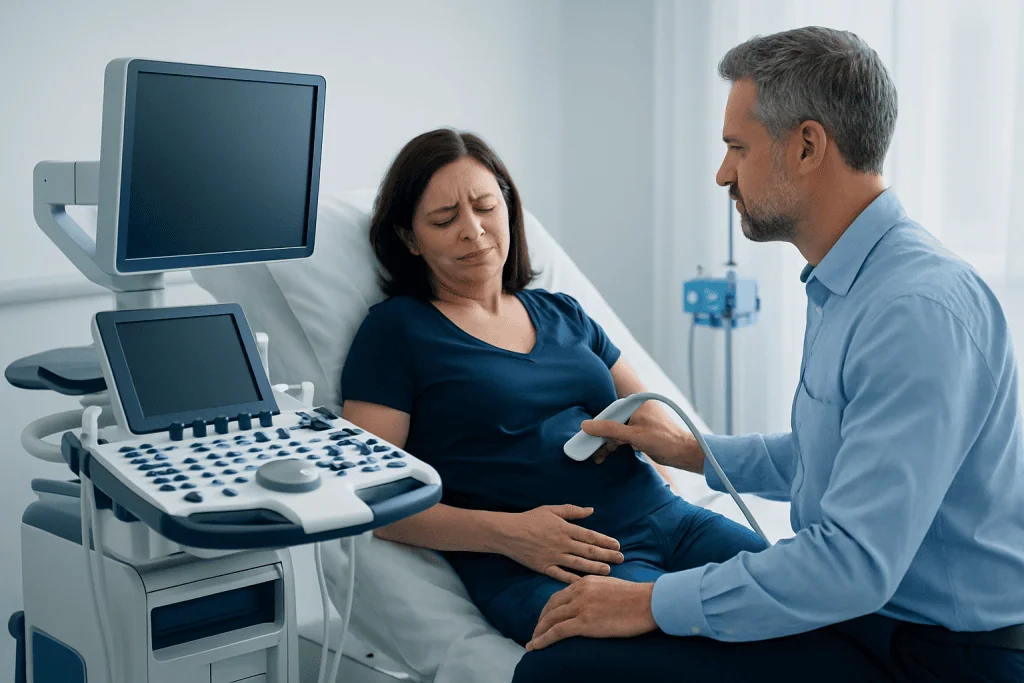
The most typical colelithiasis symptom is pain in the upper right abdomen. The pain may also be felt in the center of the upper abdomen, under the ribs, or less commonly in the back between the shoulder blades or the right shoulder. It often begins suddenly, reaches a peak within a short time, and may last from minutes to several hours.
Some people notice symptoms after meals, particularly meals high in fat. Along with pain, there may be nausea, vomiting, bloating, a feeling of fullness, or discomfort that makes it hard to sit still. The pain is not always relieved by passing gas, changing position, or having a bowel movement, which can help distinguish it from some other digestive complaints.
Symptoms can vary from person to person. A person may have a single episode and then feel well for a long time, while another may have recurring attacks. In some cases, mild symptoms are mistaken for ordinary indigestion. It is also possible for gallstones to be found during imaging done for another reason, even when there have been no symptoms.
- Upper right abdominal pain
- Upper middle abdominal pain
- Pain after eating, especially fatty foods
- Nausea or vomiting
- Bloating or fullness
- Pain radiating to the back or right shoulder
Possible causes and risk factors
Gallstones form when substances in bile become imbalanced and harden into small stone-like deposits. Most gallstones are made mainly of cholesterol, while others are pigment stones associated with excess bilirubin. The exact reason they form is not always clear, but doctors know that several biological and lifestyle factors can increase the chance of developing them.
Risk factors include being female, increasing age, family history, obesity, rapid weight loss, pregnancy, diabetes, and certain liver or blood disorders. A diet pattern linked with excess body weight may contribute indirectly, but gallstones are not caused by one specific food alone. Some medicines, including estrogen-related therapies, can also affect risk in some individuals.
Having risk factors does not mean symptoms will definitely occur. Many people with gallstones never develop pain or complications. Others may begin to notice symptoms only when a stone temporarily blocks the gallbladder outlet or bile duct. People with repeated symptoms may eventually be advised to discuss gallbladder-related disease more broadly with a specialist, especially when imaging shows additional abnormalities that need evaluation.
When symptoms may signal a complication
Uncomplicated gallstone pain usually comes and goes, but certain symptoms can suggest inflammation or blockage that needs more urgent attention. If the gallbladder becomes inflamed, the condition is called cholecystitis. If a stone blocks the common bile duct, jaundice or infection can develop. In rare cases, gallstones can also trigger pancreatitis.
Warning signs include fever, chills, yellowing of the skin or eyes, dark urine, pale stools, severe tenderness in the abdomen, confusion, or pain that lasts longer than a few hours. Persistent vomiting, inability to keep fluids down, or symptoms that are becoming more frequent should also be assessed promptly.
These symptoms do not always mean a serious complication is present, but they should not be ignored. Timely medical assessment helps doctors identify whether the problem is simple biliary pain or a condition that may require urgent treatment, such as pancreatitis or acute gallbladder inflammation.
How doctors diagnose gallstones
Diagnosis starts with a medical history and physical examination. A doctor will ask where the pain is located, how long it lasts, whether it occurs after meals, and whether symptoms such as nausea, fever, or jaundice are present. This history is important because gallstone pain has a pattern that often differs from reflux, ulcers, or bowel-related pain.
Ultrasound is usually the first imaging test used to look for gallstones because it is widely available, noninvasive, and effective at showing stones in the gallbladder. Blood tests may also be ordered to check for signs of infection, inflammation, liver problems, or pancreatic involvement. If doctors suspect a stone in the bile duct, they may recommend more detailed imaging.
Depending on the situation, additional tests can include magnetic resonance cholangiopancreatography, computed tomography, or endoscopic procedures. In some patients, evaluation of the bile ducts may lead to ERCP when a blocked duct is suspected. If symptoms are unclear or other digestive conditions are possible, the doctor may also evaluate for issues such as endoscopy when upper gastrointestinal causes need to be excluded.
Treatment options and what influences them
Treatment depends on whether gallstones are causing symptoms and whether complications are present. Silent gallstones often do not need treatment and may simply be observed. In contrast, repeated biliary pain or complications usually lead to a recommendation for active treatment.
The most common definitive treatment for symptomatic gallstones is surgical removal of the gallbladder, known as cholecystectomy. Many people can digest normally without a gallbladder because bile continues to flow from the liver into the intestine. Surgery may be performed using minimally invasive techniques, and the timing depends on the severity of symptoms, overall health, and whether infection or duct blockage is present.
If a stone has moved into the common bile duct, treatment may involve gallbladder surgery together with a duct-clearing procedure such as ERCP. Pain control, hydration, and antibiotics may also be part of care when inflammation or infection is present. A gastroenterologist or general surgeon can explain the most appropriate plan based on imaging findings and symptoms.
Prevention and self-care between episodes
Not all gallstones can be prevented, but some habits may help reduce risk or lower the chance of symptom flare-ups. Maintaining a healthy weight over time is important. Rapid weight loss can increase gallstone formation, so gradual, supervised weight management is usually safer than crash diets.
Many people find that very fatty or heavy meals trigger symptoms, although triggers vary. Keeping meals balanced and moderate in portion size may help reduce discomfort. Staying hydrated, eating regular meals, and following medical advice for conditions such as diabetes can also support overall digestive health.
Self-care should not replace medical evaluation when symptoms are typical of gallstones or when pain recurs. People who have already been diagnosed should ask their doctor what to do if another episode occurs and whether elective surgery would be safer than waiting for complications. For international patients who need evaluation, Acibadem International’s multidisciplinary specialists in JCI-accredited hospitals diagnose and treat gallbladder conditions with coordinated care.
When to seek medical care
Medical care is appropriate when upper abdominal pain is severe, keeps returning, or interferes with eating and daily activities. A doctor should also evaluate symptoms that seem meal-related and recur in the same pattern, especially when they involve nausea or pain spreading to the back or right shoulder. Even if symptoms improve, repeated attacks are worth discussing because they often return.
Urgent care is needed for fever, jaundice, severe or lasting abdominal pain, faintness, confusion, persistent vomiting, or signs of dehydration. These features can suggest an infection, a blocked bile duct, or pancreatic involvement. Prompt evaluation helps reduce the risk of complications and allows earlier treatment if needed.
If there is any uncertainty about the cause of abdominal pain, it is safest to seek professional assessment rather than assume it is simple indigestion. Early diagnosis can clarify whether symptoms are due to gallstones or another condition and help guide the right next steps.
Frequently asked questions
What are the first colelithiasis symptoms most people notice?
The first symptom many people notice is pain in the upper right abdomen or upper middle abdomen, often after eating. Nausea, bloating, or pain spreading to the back or right shoulder can also occur. Some people, however, have no symptoms at all.
Can gallstones cause symptoms every day?
They can, but many people have intermittent episodes rather than constant symptoms. Pain may come in attacks separated by days, weeks, or longer. Frequent or worsening symptoms should be discussed with a doctor because they may signal a higher chance of complications.
Do all people with gallstones need surgery?
No. Gallstones that are found by chance and do not cause symptoms often do not need treatment right away. Surgery is more commonly recommended when symptoms are recurring or when there is inflammation, infection, or bile duct blockage.
How can someone tell gallstone pain from indigestion?
Gallstone pain is often located in the upper right abdomen or upper middle abdomen and may start suddenly after a meal, especially a fatty one. It may last for hours and is not always relieved by changing position, passing gas, or using routine indigestion remedies. Because symptoms can overlap, diagnosis should be confirmed by a doctor.
Are colelithiasis symptoms dangerous?
Symptoms are not always dangerous, but they can become serious if a stone causes inflammation or blocks a bile duct. Warning signs include fever, jaundice, severe ongoing pain, or repeated vomiting. These symptoms need prompt medical assessment.
Can diet alone make gallstones go away?
Diet may help reduce symptom triggers for some people, but it does not usually dissolve established gallstones. A balanced diet and steady weight management can support gallbladder health and may lower future risk. Treatment decisions depend on whether symptoms or complications are present.
References
- National Institute of Diabetes and Digestive and Kidney Diseases
- American College of Gastroenterology
- National Health Service
- Mayo Clinic
- Society of American Gastrointestinal and Endoscopic Surgeons
This article is for general information only and is not a substitute for professional medical advice. Please consult a qualified doctor about your individual situation.
Explore treatments in Turkey — costs, top hospitals & a free quote
JCI-accredited · board-certified surgeons · reply within 24h
Check your numbers in seconds
BMI, calories, due date, blood pressure and 30+ more clinical calculators — free, instant, doctor-reviewed ranges.