Gentle Exfoliator for Milia — Explained by Medical Evidence, Not Myths

Milia are small keratin-filled cysts, not typical acne, so harsh scrubbing is unlikely to help. A gentle exfoliator for milia may help prevent some new bumps, but existing milia often need time or professional removal.
Key Takeaways
- Milia are small keratin-filled cysts, not typical acne, so harsh scrubbing is unlikely to help.
- A gentle exfoliator for milia may help prevent some new bumps, but existing milia often need time or professional removal.
- Low-irritation chemical exfoliants are generally preferred over abrasive scrubs, especially on the face.
- Skin barrier care, sunscreen, and avoiding heavy or irritating products are important parts of management.
- A dermatologist should assess persistent, widespread, inflamed, or eyelid-area bumps.
Medically reviewed by the Acıbadem International Medical Board — July 25, 2026
A gentle exfoliator for milia can support smoother skin and may help reduce pore-blocking buildup, but it does not reliably remove established milia on its own. Evidence-based care focuses on protecting the skin barrier, avoiding irritation, and seeking medical treatment when bumps persist or affect sensitive areas such as the eyelids.
Overview: does a gentle exfoliator for milia work?
A gentle exfoliator for milia can be useful, but mainly as supportive skin care rather than a quick cure. It may help loosen dead skin cells on the surface and reduce the kind of buildup that can contribute to new bumps forming in some people. However, established milia are tiny keratin-filled cysts sitting just under the skin, so they usually do not clear simply by scrubbing or by using strong home treatments.
This distinction is important because milia are often mistaken for whiteheads or clogged pores. Unlike acne, milia are enclosed and do not have an open pore that can be safely squeezed. For that reason, the most evidence-based approach is gentle, consistent skin care and patience, with medical evaluation if the bumps persist, spread, or appear in delicate areas such as around the eyes.
Many myths suggest that stronger exfoliation is always better. In reality, over-exfoliation can irritate the skin barrier, increase redness, and make the skin more reactive. A balanced routine is usually more helpful than aggressive peeling, picking, or repeated use of multiple active ingredients at the same time.
What milia are and why they form
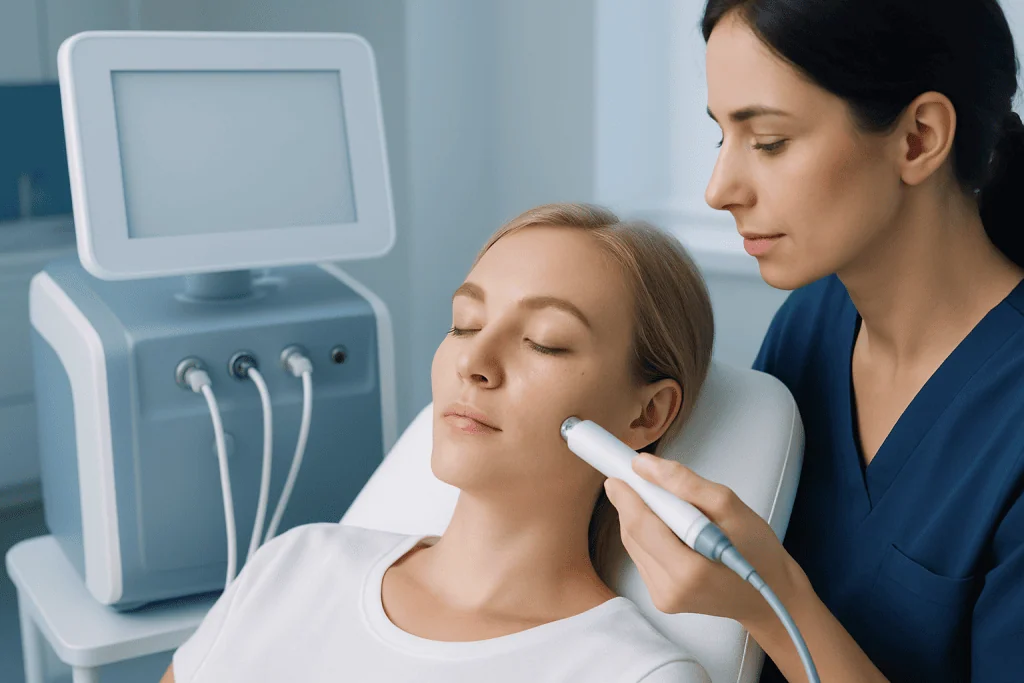
Milia are tiny, firm, white or yellowish bumps that commonly appear on the face, especially around the cheeks, nose, and eyelids. They form when keratin, a protein found in the outer layer of skin, becomes trapped beneath the surface. They are very common in newborns, but older children and adults can develop them too.
In adults, milia may appear without a clear reason, or they may be linked to skin damage, heavy occlusive skin products, long-term sun exposure, or healing after irritation or injury. They can also occur after procedures, rashes, or burns. Some cases are called primary milia, which appear on otherwise healthy skin, while secondary milia develop after the skin has been irritated or injured.
Milia are harmless in most cases, but they can be frustrating because they often stay in place for weeks or months. They are not usually a sign of poor hygiene. Understanding that these bumps are small cysts rather than dirt or trapped oil helps explain why a careful, non-aggressive approach is preferred.
Choosing a gentle exfoliator: what the evidence supports

When people search for a gentle exfoliator for milia, the safest interpretation is a product that promotes cell turnover without damaging the skin barrier. In practice, this often means a mild chemical exfoliant rather than a rough facial scrub. Abrasive scrubs can create friction, especially on thin facial skin, and may worsen irritation without reaching the trapped keratin that forms a milium.
Ingredients that may be considered include low-strength alpha hydroxy acids, such as lactic acid or glycolic acid, and polyhydroxy acids, which are often better tolerated by sensitive skin. Some people may also benefit from carefully introduced retinoid-based skin care, as retinoids can normalize skin cell turnover. Because retinoids can cause dryness and irritation, they should be used cautiously and are best discussed with a clinician if the skin is sensitive, the person is pregnant, or the bumps are close to the eyes.
A gentle exfoliator is usually most helpful for prevention and overall skin texture. It may reduce the chance of new superficial bumps in people prone to buildup, but it is less effective for removing a firm, already formed milium. Skin care labels such as “natural,” “detox,” or “deep peeling” do not necessarily mean a product is suitable for milia-prone skin.
- Prefer fragrance-free, non-abrasive formulas.
- Start slowly, such as a few times per week rather than daily.
- Avoid combining several strong acids, scrubs, and retinoids at once.
- Stop and seek advice if the skin burns, peels excessively, or becomes persistently red.
Skin care habits that may help prevent milia
Prevention usually centers on simple skin-barrier care. A mild cleanser, light non-comedogenic moisturizer, and daily sun protection can support healthier skin turnover while reducing irritation. Heavy, very occlusive products may contribute to congestion for some people, especially around the eyes or on areas where milia tend to recur.
Sun damage can thicken and roughen the outer layer of skin over time, which may make it easier for keratin to become trapped. Regular sunscreen use is therefore a practical part of prevention. If exfoliating products are used, they should be introduced gradually and paired with moisturization so the skin does not become over-dry and reactive.
People should avoid trying to squeeze, scratch, or puncture milia at home. This can injure the skin, increase the risk of infection, and lead to post-inflammatory marks or scarring. If bumps are persistent and cosmetically bothersome, professional assessment is safer than repeated home extraction attempts.
Some patients benefit from broader evaluation of their skin routine, especially if they also have breakouts, sensitivity, or texture changes. In those cases, a dermatologist may help distinguish milia from acne or other small facial bumps and suggest an individualized plan.
When home care is not enough: diagnosis and medical treatment
Milia are often diagnosed by a clinician during a skin examination. In many cases, their appearance is typical enough that no special testing is needed. A doctor may look closely to confirm that the bumps are milia rather than whiteheads, syringomas, sebaceous hyperplasia, or other benign lesions that can look similar.
If the bumps are persistent, numerous, or located around the eyelids, professional treatment may be the most effective option. A dermatologist can sometimes remove individual milia using a sterile technique designed to minimize trauma. Depending on the situation, treatment may also include prescription topical products that improve cell turnover over time. This is especially relevant if the person has recurrent bumps or associated concerns such as uneven texture or signs of skin changes that require expert evaluation.
For selected patients, office-based skin resurfacing approaches may be considered. These can include chemical peel treatments or, in carefully chosen cases, laser treatment for associated texture concerns. The best method depends on skin type, skin sensitivity, the exact location of the milia, and whether other conditions are present. Treatment close to the eyelids should always be handled by an experienced doctor rather than through home devices or over-the-counter peels.
Common myths and mistakes to avoid
One common myth is that milia can be scrubbed away. Because the keratin is trapped beneath the surface, aggressive physical exfoliation rarely solves the problem. Instead, harsh rubbing may damage the outer skin layer and trigger more irritation, especially in people with sensitive or dry skin.
Another misconception is that every white bump is a pimple. Milia are different from acne lesions, and treatments aimed at inflamed pimples may not work well for them. Strong spot treatments, drying alcohol-based products, or repeated attempts to pop them can leave the skin more irritated than before.
It is also a mistake to assume that more active ingredients always bring faster results. Layering acids, retinoids, scrubs, and masks in the same routine can lead to barrier disruption. If a person wants to use exfoliating skin care for milia-prone skin, introducing one product at a time and monitoring the skin response is a much safer approach.
When to seek medical care
Medical care is worth seeking if bumps do not improve after several weeks of gentle skin care, if they recur frequently, or if they appear in clusters. Evaluation is also important when the diagnosis is uncertain. A doctor can confirm whether the bumps are truly milia or another condition that needs a different treatment plan.
Prompt assessment is especially advisable if the bumps are on the eyelids, become red or painful, bleed, or are associated with a rash, burn, or healing wound. These features are not typical of uncomplicated milia and may suggest irritation, infection, or another skin problem. People with very sensitive skin, darker skin tones prone to post-inflammatory marks, or a history of skin disease may also benefit from professional guidance before starting active products.
For international patients who need specialist assessment, Acibadem International’s multidisciplinary teams in JCI-accredited hospitals evaluate and treat a wide range of skin concerns, including persistent facial bumps and texture issues. In selected cases, related aesthetic options such as skin rejuvenation may be discussed when clinically appropriate, but diagnosis should come first.
Frequently asked questions
Can a gentle exfoliator remove milia completely?
Usually not by itself. A gentle exfoliator may help improve surface cell turnover and reduce the chance of some new bumps, but established milia often remain until they resolve naturally or are removed by a clinician.
What kind of exfoliator is best for milia-prone skin?
A non-abrasive, low-irritation chemical exfoliator is generally preferred over rough scrubs. Fragrance-free products with mild acids may be better tolerated, but the best choice depends on skin sensitivity and the area being treated.
Is it safe to pop or extract milia at home?
No, this is not recommended. Home extraction can injure the skin, increase the risk of infection, and leave marks or scars, especially around the eyes.
How is milia different from acne?
Milia are tiny keratin-filled cysts under the skin, while acne commonly involves clogged pores, oil, and inflammation. Because they form differently, treatments that work for pimples may not reliably clear milia.
Can retinoids help with milia?
They can help some people by improving skin cell turnover and reducing the formation of new bumps. However, retinoids may also irritate the skin, so they should be introduced carefully and discussed with a doctor if the skin is sensitive or the area is near the eyes.
When should someone see a doctor for milia?
A doctor should assess milia that persist, recur often, or appear on the eyelids. Medical advice is also important if the bumps are painful, red, bleeding, spreading quickly, or if there is any doubt about the diagnosis.
References
- American Academy of Dermatology
- National Health Service
- Merck Manual Consumer Version
- Mayo Clinic
- British Association of Dermatologists
This article is for general information only and is not a substitute for professional medical advice. Please consult a qualified doctor about your individual situation.
Explore treatments in Turkey — costs, top hospitals & a free quote
JCI-accredited · board-certified surgeons · reply within 24h