Painful Anal: Common Causes, Related Conditions, and When to See a Doctor

Painful anal symptoms are often caused by hemorrhoids, anal fissures, irritation, or infection. The pattern of pain matters: pain during bowel movements often suggests a fissure, while itching or swelling may suggest hemorrhoids or skin irritation.
Key Takeaways
- Painful anal symptoms are often caused by hemorrhoids, anal fissures, irritation, or infection.
- The pattern of pain matters: pain during bowel movements often suggests a fissure, while itching or swelling may suggest hemorrhoids or skin irritation.
- Rectal bleeding, fever, drainage, a new lump, or severe ongoing pain should be assessed by a doctor.
- Early evaluation can rule out related conditions and guide treatment that is tailored to the cause.
- Self-care may help mild cases, but persistent or recurrent symptoms need professional advice.
Medically reviewed by the Acıbadem International Medical Board — July 25, 2026
A painful anal area is a symptom, not a diagnosis. It is commonly linked to hemorrhoids, anal fissures, irritation, constipation, infection, or less often an inflammatory or more serious condition, and the cause can usually be identified with a medical evaluation.
Overview: What a Painful Anal Symptom Can Mean
A painful anal area usually means pain in or around the anus, sometimes described as burning, sharp pain, soreness, pressure, throbbing, or discomfort during sitting or bowel movements. In many people, the cause is a common and treatable problem such as hemorrhoids, an anal fissure, constipation-related strain, or irritation of the skin around the anus.
Because several conditions can feel similar, this symptom is best understood by looking at the pattern of pain rather than assuming one single cause. For example, a sharp tearing pain during a bowel movement may point toward a fissure, while fullness, itching, or swelling may fit better with hemorrhoids. Ongoing deep rectal pain, discharge, fever, or a tender lump can suggest infection or another condition that needs prompt care.
Although a painful anal symptom is often not dangerous, it should not be ignored if it is severe, persistent, recurrent, or associated with bleeding or changes in bowel habits. A doctor can usually narrow down the cause with a careful history and physical examination, and treatment depends on the underlying problem rather than the symptom alone.
Common Symptoms That May Happen Alongside Anal Pain
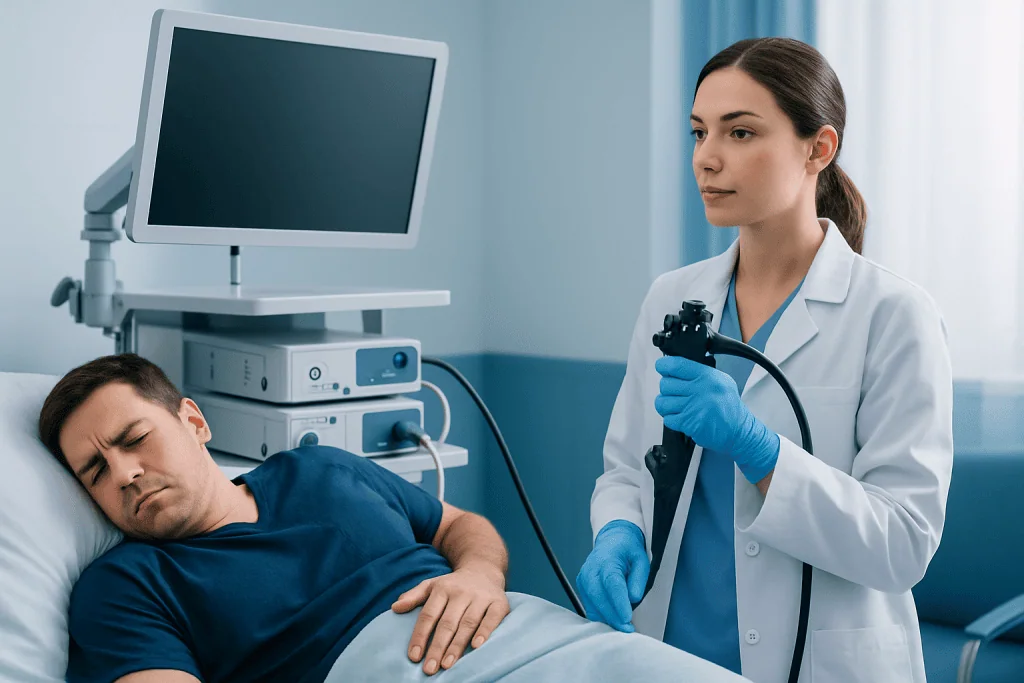
Anal pain can appear in different ways. Some people feel pain only when passing stool, while others notice discomfort after bowel movements, during sitting, walking, or exercise. The pain may be sharp, stinging, aching, pulsating, or associated with itching or a sense of pressure.
Other symptoms can help point to the cause. Bright red blood on toilet paper or in the toilet bowl may occur with hemorrhoids or fissures. Swelling, a small lump, mucus, irritation, or dampness can happen when the tissues around the anus are inflamed. Constipation, hard stools, straining, or diarrhea may trigger or worsen symptoms.
Some features need more urgent attention because they may suggest infection or a more complex disorder. These include fever, pus or drainage, increasing redness, a painful lump, pain that wakes a person from sleep, or pain with weight loss or major bowel habit changes. While these symptoms do not automatically mean a serious disease, they do call for medical review.
- Sharp pain during bowel movements
- Burning or itching around the anus
- Bleeding with wiping
- Swelling or a tender lump
- Mucus, moisture, or skin irritation
- Constipation, straining, or diarrhea
Common Causes and Related Conditions
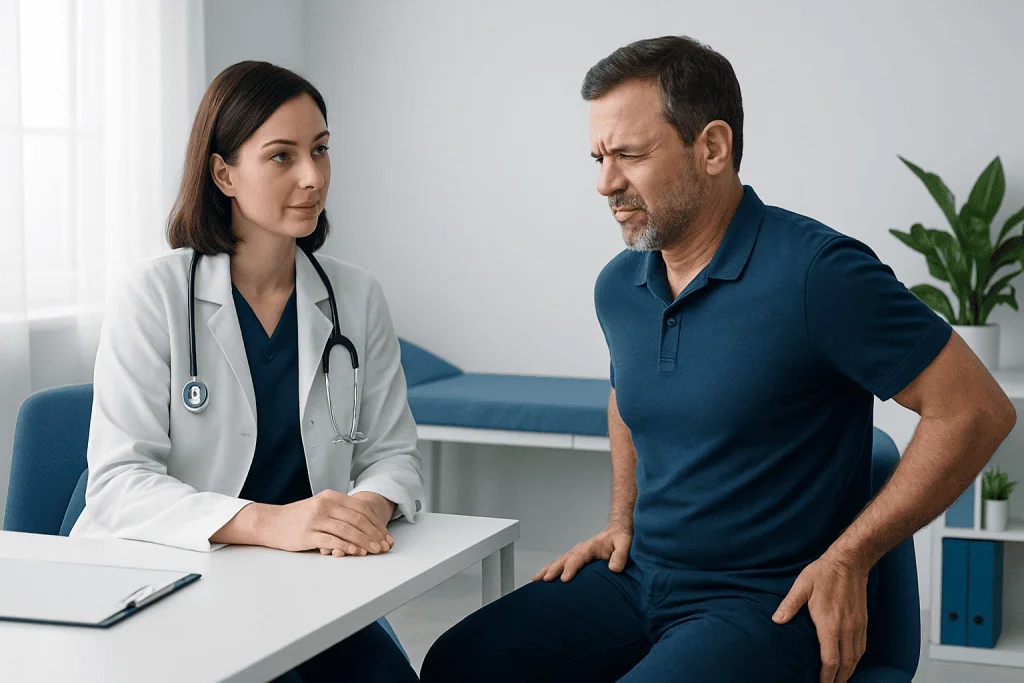
The most frequent causes of a painful anal area are hemorrhoids and anal fissures. Hemorrhoids are swollen veins in or around the anus and can cause pain, itching, swelling, and bleeding, especially if a clot forms in an external hemorrhoid. An anal fissure is a small tear in the lining of the anus, often caused by passing hard stool, and it typically causes sharp pain during and after bowel movements.
Skin irritation is another common reason for pain. This may happen from excessive wiping, scented hygiene products, moisture, friction, diarrhea, or fungal or eczema-like skin problems. People sometimes assume all anal discomfort comes from hemorrhoids, but simple dermatitis or irritation can be the main issue. In some cases, inflammation from digestive disorders can affect the area, including conditions linked to Crohn’s disease.
Infections and abscesses can also cause anal pain. A perianal abscess is a collection of infection near the anus that may cause throbbing pain, swelling, fever, and tenderness. Sexually transmitted infections, proctitis, or trauma to the area may also lead to pain. Less commonly, ongoing or unexplained symptoms may relate to pelvic floor muscle spasm, fistula formation, or other anorectal disorders.
Most causes are benign, but doctors also consider less common possibilities when symptoms do not improve or when warning signs are present. Persistent bleeding, unexplained weight loss, a new change in stool caliber, or a non-healing lesion may require evaluation for more serious bowel or anal conditions.
Risk Factors That Can Make Anal Pain More Likely
Several everyday factors increase the chance of developing anal pain. Constipation is one of the most important because hard stool and straining can stretch and injure the anal canal. Long periods of sitting on the toilet, low fiber intake, dehydration, and avoiding the urge to have a bowel movement can all contribute.
Diarrhea can be just as irritating as constipation. Frequent wiping, ongoing moisture, and inflammation from loose stools can damage the skin and worsen discomfort. Pregnancy, heavy lifting, obesity, and anything that increases pressure in the pelvic and rectal veins may also make hemorrhoids more likely.
Certain medical conditions raise risk as well. Inflammatory bowel disease, skin disorders, previous anorectal surgery, infections, and conditions that affect immunity can change how the anal tissues heal. A history of anal intercourse or trauma may also be relevant in some patients, and doctors ask about this confidentially because it can help identify the cause accurately and respectfully.
How Doctors Diagnose the Cause
Diagnosis starts with a medical history. A doctor will usually ask when the pain began, whether it happens during bowel movements, whether there is bleeding, itching, discharge, constipation, diarrhea, fever, or a lump, and whether the symptoms are new or recurring. This pattern often gives strong clues about the likely cause.
A physical examination of the area is often enough to identify common conditions such as fissures, external hemorrhoids, skin irritation, or an abscess. Depending on symptoms, the doctor may also perform a gentle digital rectal examination or use a small instrument to look just inside the anal canal. If this is likely to be very painful, the examination may be adjusted or delayed until the patient is more comfortable.
Further tests are not always necessary, but they may be recommended if symptoms are persistent, bleeding is unexplained, or there are signs of inflammation or another bowel problem. In selected cases, doctors may suggest endoscopic evaluation such as colonoscopy to examine the lower digestive tract more fully. If surgery is needed for an abscess, fistula, or another structural problem, evaluation by specialists in colorectal surgery may be appropriate.
Treatment Options and Relief Strategies
Treatment depends on the cause. For hemorrhoids, care often includes softer stools, avoiding straining, improving toilet habits, and symptom relief with warm baths and doctor-recommended topical measures. Some hemorrhoids improve with conservative care, while others may need office procedures or specialized treatment if they keep returning or cause significant bleeding or pain.
Anal fissures are usually treated by reducing trauma to the area and helping the muscle around the anus relax. That may include increasing fiber, drinking adequate fluids, warm sitz baths, and prescription creams when needed. If a fissure becomes chronic or does not heal, further assessment is important because targeted treatment may be required.
If the cause is infection, treatment may involve antibiotics, drainage of an abscess, or both, depending on the problem. Skin irritation is managed by protecting the area, minimizing harsh products, keeping the skin clean and dry without over-washing, and addressing any underlying diarrhea or dermatitis. When a linked digestive condition is suspected, doctors may involve gastroenterology specialists to look for inflammation higher in the bowel.
People should avoid self-treating for long periods without a diagnosis, especially if pain is severe or bleeding continues. Using over-the-counter products repeatedly can sometimes delay proper care or irritate the skin further. A clinician can recommend the safest approach for the specific cause.
Self-care, Prevention, and Daily Habits
Many mild cases improve when bowel habits become gentler. A fiber-rich diet, enough fluids, and regular physical activity can help stools pass more comfortably. It is generally helpful to respond to the urge to have a bowel movement without delaying too long, and to avoid prolonged straining or extended time on the toilet.
Good anal skin care is also important. The area should be cleaned gently with water or soft, unscented materials, then dried carefully. Harsh soaps, perfumed wipes, and aggressive scrubbing may worsen irritation rather than help it. Wearing breathable underwear and managing moisture can reduce friction and discomfort.
Warm sitz baths may soothe pain from several common causes, especially after bowel movements. However, self-care is most appropriate for mild, short-lived symptoms. If pain comes back often, limits daily life, or does not improve within a reasonable time, medical advice is the safest next step.
- Increase dietary fiber gradually
- Drink enough water unless a doctor has advised otherwise
- Avoid straining and long toilet sitting
- Clean gently and avoid scented products
- Use warm sitz baths for comfort
- Seek assessment for recurrent symptoms
When to Seek Medical Care
Medical care is important if anal pain is severe, lasts more than a few days, keeps returning, or interferes with normal sitting, walking, or bowel movements. A doctor should also assess pain that occurs together with bright red bleeding, dark blood, a new lump, discharge, or a feeling of incomplete emptying.
Urgent evaluation is recommended when pain is accompanied by fever, spreading redness, pus, or a rapidly enlarging tender swelling, because these can suggest an abscess or another infection. Sudden severe pain, especially with marked swelling, may also need prompt attention.
Persistent symptoms always deserve a proper diagnosis rather than repeated self-treatment. Near the end of the care pathway, patients seeking coordinated evaluation may be seen by Acibadem International, where multidisciplinary specialists in JCI-accredited hospitals diagnose and treat anorectal and digestive conditions for international patients.
Frequently asked questions
What is the most common reason for a painful anal area?
Common causes include hemorrhoids, anal fissures, constipation-related strain, and skin irritation. The exact cause often depends on whether the pain is sharp, aching, associated with bleeding, or linked to bowel movements.
Can hemorrhoids cause anal pain?
Yes. Hemorrhoids can cause pain, especially when an external hemorrhoid becomes swollen or forms a clot. They may also cause itching, bleeding, and a feeling of pressure or fullness.
Why does anal pain happen during bowel movements?
Pain during bowel movements often happens when stool stretches or irritates the anal canal. A fissure is a common cause, particularly if the pain is sharp or tearing and continues for some time afterward.
When is anal pain an emergency?
Anal pain should be assessed urgently if it comes with fever, pus, a rapidly growing painful lump, severe swelling, or worsening redness. These signs can suggest an abscess or another infection that may need prompt treatment.
Can diarrhea or wiping too much make the anus painful?
Yes. Frequent stools, moisture, and repeated wiping can irritate the skin and cause burning or soreness. Gentle cleansing and treating the underlying diarrhea are often important parts of recovery.
Will anal pain go away on its own?
Some mild cases improve with better bowel habits, hydration, fiber, and gentle skin care. However, persistent, severe, or recurrent symptoms should be checked by a doctor so the cause is identified and treated correctly.
References
- National Institute of Diabetes and Digestive and Kidney Diseases
- American Society of Colon and Rectal Surgeons
- Mayo Clinic
- National Health Service
- Merck Manual Consumer Version
This article is for general information only and is not a substitute for professional medical advice. Please consult a qualified doctor about your individual situation.
Explore treatments in Turkey — costs, top hospitals & a free quote
JCI-accredited · board-certified surgeons · reply within 24h