Why Do My Nipples Hurt When Touched Not Pregnant? A Doctor-Reviewed Answer

Nipple pain outside pregnancy is common and often linked to friction, hormonal changes, or skin irritation. Pain in one nipple, new discharge, a breast lump, fever, or skin dimpling are important warning signs.
Key Takeaways
- Nipple pain outside pregnancy is common and often linked to friction, hormonal changes, or skin irritation.
- Pain in one nipple, new discharge, a breast lump, fever, or skin dimpling are important warning signs.
- Doctors usually diagnose the cause with a history, breast exam, and sometimes imaging such as ultrasound or mammography.
- Treatment depends on the cause and may include skin care, better bra support, infection treatment, or evaluation of hormone-related breast pain.
- Persistent or unexplained symptoms should be checked rather than self-diagnosed.
Medically reviewed by the Acıbadem International Medical Board — July 25, 2026
If someone wonders, “why do my nipples hurt when touched not pregnant,” the cause is often harmless, such as friction, hormonal shifts, or skin irritation. Still, nipple pain that is persistent, one-sided, associated with discharge, a lump, rash, or skin changes should be assessed by a doctor.
Overview: why nipple pain happens when not pregnant
For many people, the answer to “why do my nipples hurt when touched not pregnant” is reassuring: the cause is often minor and temporary. Sensitive nipple tissue can react to rubbing from clothing, exercise, changing hormone levels, dry skin, or contact irritation from soaps and detergents. In many cases, symptoms settle once the trigger is identified and removed.
At the same time, nipple pain should not be ignored if it is new, persistent, clearly one-sided, or linked with other breast changes. Pain may sometimes come from inflammation, infection, eczema, blocked ducts, benign breast conditions, or less commonly a more serious breast problem. The presence of discharge, a lump, fever, redness, or skin changes helps guide how urgently the symptom needs review.
A useful way to think about nipple pain is by looking at three broad categories: skin-related causes, breast tissue and hormone-related causes, and nerve or referred pain. This approach helps explain why the discomfort may feel burning, sharp, sore, itchy, or tender only when touched.
Common symptoms and how nipple pain may feel
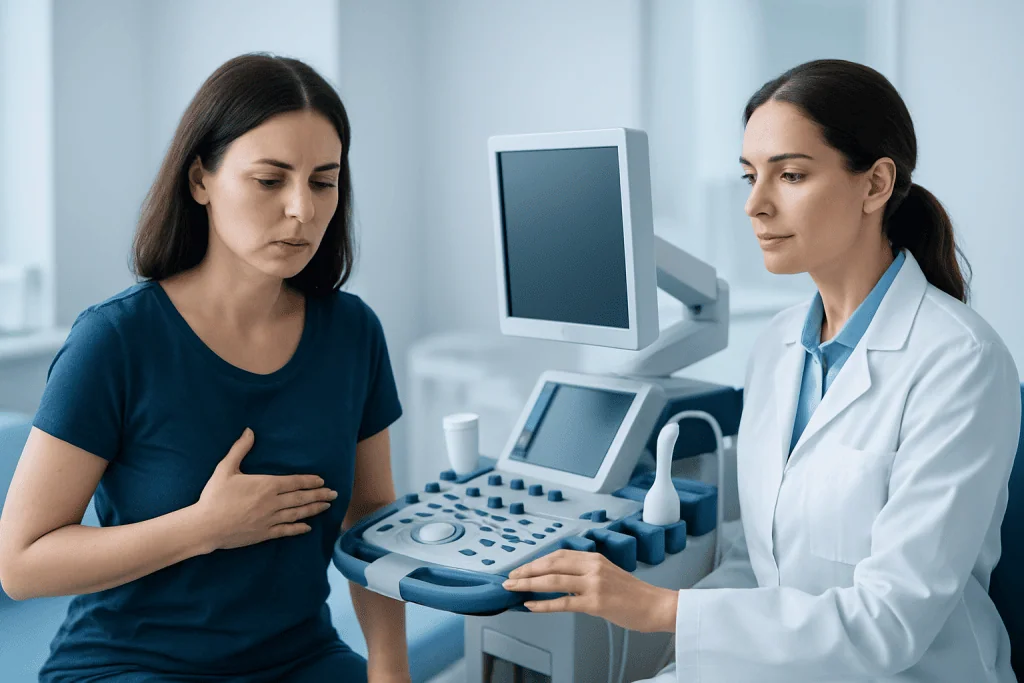
Nipple discomfort can vary widely. Some people notice soreness only with touch, such as when drying off after a shower or putting on a bra. Others describe stinging, burning, itching, rawness, or a deeper ache that seems to come from behind the nipple rather than the skin surface itself.
The timing of symptoms also matters. Pain that comes and goes with the menstrual cycle is often related to hormonal breast tenderness. Pain that starts after running, a new bra, or use of scented products may point more toward friction or contact dermatitis. Ongoing pain with visible redness, swelling, or warmth suggests inflammation or infection.
Associated symptoms can provide important clues. These may include:
- Dry, flaky, cracked, or itchy skin
- Redness or a rash on the nipple or areola
- Breast fullness or generalized tenderness
- Clear, milky, yellow, green, or bloody discharge
- A lump or thickened area in the breast
- Fever or feeling unwell
Because breast and nipple symptoms can overlap, some people who mainly notice nipple tenderness may also be experiencing general breast pain. A doctor may evaluate this in the same way as breast pain when the symptoms appear connected.
Causes and risk factors
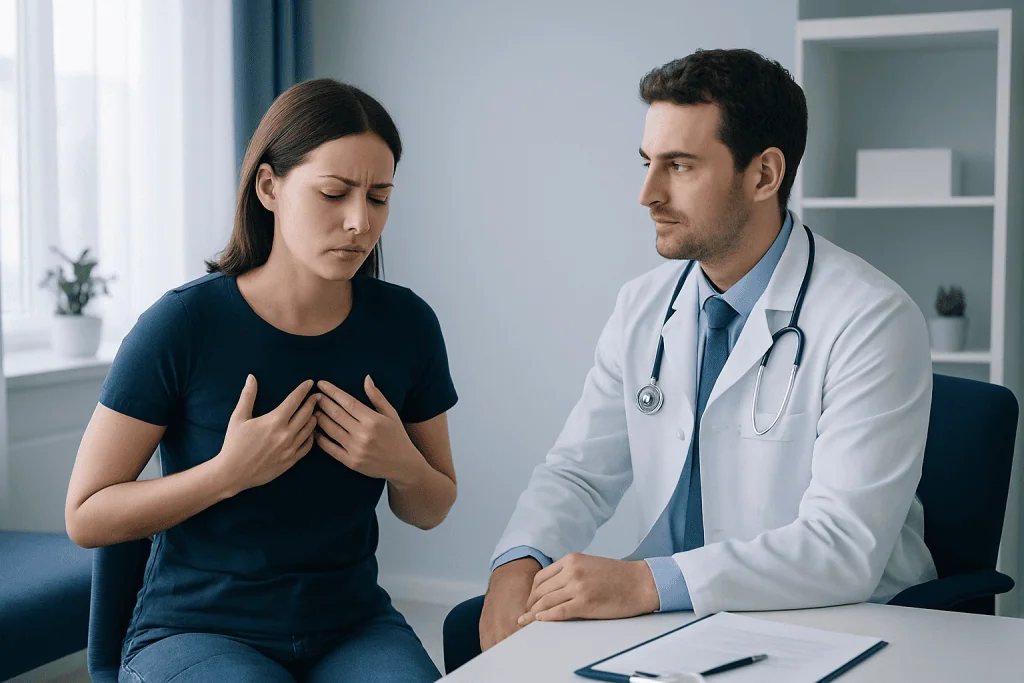
One of the most common reasons nipples hurt when touched is simple irritation. Tight bras, rough fabrics, sweat, exercise, or repetitive rubbing can cause tenderness, especially in people who run or work out frequently. Dry weather, eczema, psoriasis, and reactions to laundry products or skin-care items can also inflame the sensitive skin of the nipple and areola.
Hormonal changes are another frequent cause. Even when not pregnant, normal monthly changes in estrogen and progesterone can make the nipples and breasts more sensitive. Puberty, perimenopause, hormonal contraception, fertility medicines, and some other medications may contribute. In some cases, people also have generalized cyclical breast swelling and tenderness.
Infection and inflammation can cause more noticeable pain. Bacterial infection may lead to redness, warmth, swelling, or discharge. Fungal irritation can cause itching, soreness, and a shiny or flaky rash. Blocked ducts and inflammation can occur even outside breastfeeding, though they are less common. Doctors may also consider benign breast conditions such as cysts, duct ectasia, or fibrocystic changes if there is tenderness behind the nipple.
Less common but important causes include trauma, nerve irritation, shingles, or a breast skin disorder such as Paget disease of the breast. Nipple pain can sometimes be a symptom seen alongside a breast cancer evaluation, especially if there are additional warning signs like skin distortion, spontaneous bloody discharge, or a new lump. Risk factors that increase the need for medical review include a strong family history of breast cancer, prior breast disease, smoking, and symptoms that affect only one side and do not improve.
Red flags: when nipple pain needs prompt medical review
Most nipple tenderness is not an emergency, but certain features should lead to timely assessment. Pain that lasts more than a few weeks, keeps coming back, or is clearly limited to one nipple is more concerning than brief, symmetrical tenderness linked to a period or irritation.
Medical review is important if there is any spontaneous discharge, especially if it is bloody, clear from one duct, or occurs from only one breast. A new lump, thickening, skin dimpling, crusting, scaling that does not heal, inversion of the nipple that is newly developed, or swelling in the underarm should also be checked.
Signs of infection need attention as well. These include fever, warmth, spreading redness, swelling, or increasing pain. If the nipple area looks ulcerated, has persistent eczema-like change on one side, or the pain is severe enough to interfere with sleep or daily life, a clinician should examine it promptly.
How doctors diagnose the cause
Diagnosis starts with a careful history. A doctor usually asks when the pain began, whether it affects one or both nipples, what the pain feels like, and whether it changes with the menstrual cycle. They also ask about skin products, exercise, bras, medications, recent injury, fever, nipple discharge, and any personal or family history of breast conditions.
A breast examination is the next step. The doctor looks for rash, cracks, swelling, crusting, color change, discharge, and changes in the nipple shape. They also feel the breast tissue and underarm area for lumps, tenderness, or enlarged lymph nodes. This helps distinguish surface skin problems from deeper breast causes.
If imaging is needed, the most common tests are breast ultrasound and mammography, depending on age, symptoms, and examination findings. Imaging is especially helpful when there is a focal painful area, a lump, one-sided symptoms, or suspicious discharge. In selected cases, doctors may request laboratory tests, a swab of discharge, or referral to dermatology or breast surgery if a skin disorder or a more serious condition needs exclusion. Imaging support such as mammography may be part of this workup when clinically appropriate.
Treatment options and self-care
Treatment depends on the underlying cause. If friction or irritation is responsible, simple measures often help: wearing a well-fitted soft bra, avoiding rough fabrics, changing out of sweaty clothing promptly, and using fragrance-free detergents and skin products. For dry or irritated skin, a doctor may recommend a bland moisturizer or a short course of medicated cream if eczema or dermatitis is suspected.
When hormonal breast sensitivity is contributing, symptoms may improve with supportive bras, reducing repeated pressure to the nipples, and tracking symptoms across the menstrual cycle. Some patients benefit from discussing medications or hormonal contraception with their doctor if the timing suggests a drug-related effect. If generalized breast discomfort is present, a fuller breast check-up may help clarify whether the pain is cyclical or related to another breast condition.
If infection is present, medical treatment may include antibiotics or antifungal therapy, depending on the cause. A deeper collection of infection, such as an abscess, may occasionally need drainage. Any discharge, persistent inflammation, or a suspicious skin lesion should be professionally evaluated rather than treated only with home remedies.
For a small number of patients, persistent symptoms may lead to more specialized assessment through a dedicated breast health service. Near the end of the diagnostic pathway, if surgery or another procedure is needed, multidisciplinary specialists at Acibadem International and its JCI-accredited hospitals evaluate and treat international patients using evidence-based breast care pathways.
When to seek medical care
A routine doctor’s appointment is appropriate if nipple pain lasts longer than two to four weeks, keeps returning, or does not improve after avoiding likely irritants. It is also wise to seek care if the discomfort is strong enough to affect exercise, clothing choices, sleep, or quality of life.
More urgent medical review is needed for fever, rapid swelling, marked redness, pus-like discharge, or severe worsening pain, because these can suggest infection. Prompt assessment is also recommended for any new breast lump, bloody discharge, unexplained nipple inversion, or an area of crusting or scaling that does not heal.
While serious causes are less common, early evaluation is the safest approach when symptoms are unexplained. A qualified doctor can decide whether simple treatment and observation are enough or whether imaging and specialist referral are needed.
Frequently asked questions
Is nipple pain when touched usually serious if someone is not pregnant?
Usually, no. The most common causes are friction, skin irritation, hormonal changes, or temporary breast tenderness. It becomes more important to seek medical advice if the pain is one-sided, persistent, or linked with discharge, a lump, fever, or skin changes.
Can periods or hormones make nipples sore even without pregnancy?
Yes. Hormone changes around the menstrual cycle can make both the breasts and nipples feel fuller, more tender, or sensitive to touch. This pattern often improves after the period starts, but persistent symptoms should still be discussed with a doctor.
What does it mean if only one nipple hurts?
Pain in one nipple can still be caused by local irritation or a skin problem, but it deserves a bit more attention than pain affecting both sides equally. A doctor may look more closely for infection, eczema, discharge, a blocked duct, or an underlying breast condition.
Can a bra or exercise cause nipple pain?
Yes. Repeated rubbing from tight clothing, sports bras, or running can irritate the nipple and make it sore to touch. Wearing supportive, breathable, well-fitted clothing and changing out of damp workout clothes may help prevent this.
Should nipple pain be checked if there is no lump?
It can be, especially if the symptom is ongoing or unusual for that person. Many causes of nipple pain do not involve a lump, including dermatitis, infection, hormonal tenderness, and nerve irritation. A breast exam helps decide whether imaging is needed.
What tests might a doctor order for sore nipples?
A doctor often starts with a medical history and physical examination. Depending on the person’s age and symptoms, they may recommend breast ultrasound, mammography, or tests related to discharge or infection.
References
- American College of Obstetricians and Gynecologists
- American Cancer Society
- National Health Service
- Mayo Clinic
- National Cancer Institute
This article is for general information only and is not a substitute for professional medical advice. Please consult a qualified doctor about your individual situation.
Explore treatments in Turkey — costs, top hospitals & a free quote
JCI-accredited · board-certified surgeons · reply within 24h