Burning Eyes: What Patients Need to Know

Burning eyes are a symptom, not a diagnosis, and they can have many causes. Dry eye, allergy, smoke, chemicals, and eyelid inflammation are among the most common triggers.
Key Takeaways
- Burning eyes are a symptom, not a diagnosis, and they can have many causes.
- Dry eye, allergy, smoke, chemicals, and eyelid inflammation are among the most common triggers.
- Associated symptoms such as redness, tearing, itching, discharge, or blurred vision help guide diagnosis.
- Simple measures like avoiding irritants, using lubricating drops, and taking screen breaks can help many people.
- Urgent medical care is needed for sudden vision changes, significant pain, injury, or chemical exposure.
Medically reviewed by the Acıbadem International Medical Board — July 25, 2026
Burning eyes are commonly caused by dryness, allergies, irritants, or infection, and they often improve once the trigger is identified and treated. A medical evaluation is important if symptoms are severe, persistent, or accompanied by pain, vision changes, or discharge.
Overview: What burning eyes usually mean
Burning eyes usually mean that the surface of the eye or the surrounding eyelids are irritated, inflamed, or too dry. In many cases, the cause is minor and treatable, such as dry eye, allergy, smoke exposure, or fatigue from prolonged screen use. However, burning can also occur with infections, eyelid conditions, or problems involving the cornea, which is the clear front surface of the eye.
Because burning eyes are a symptom rather than a single disease, the most helpful question is not only “how to stop the burning,” but “what is causing it?” The answer often comes from the pattern of symptoms. For example, itching may suggest allergy, gritty discomfort may point to dryness, and thick discharge may indicate infection.
The eyes are protected by tears, blinking, and healthy eyelids. When any part of this system is disrupted, the eyes may sting, burn, water, or feel irritated. The symptom can affect one eye or both, and it may be brief or ongoing. Understanding the common causes helps patients know when home care may be enough and when a professional eye examination is the safer choice.
Common symptoms that can occur with burning eyes
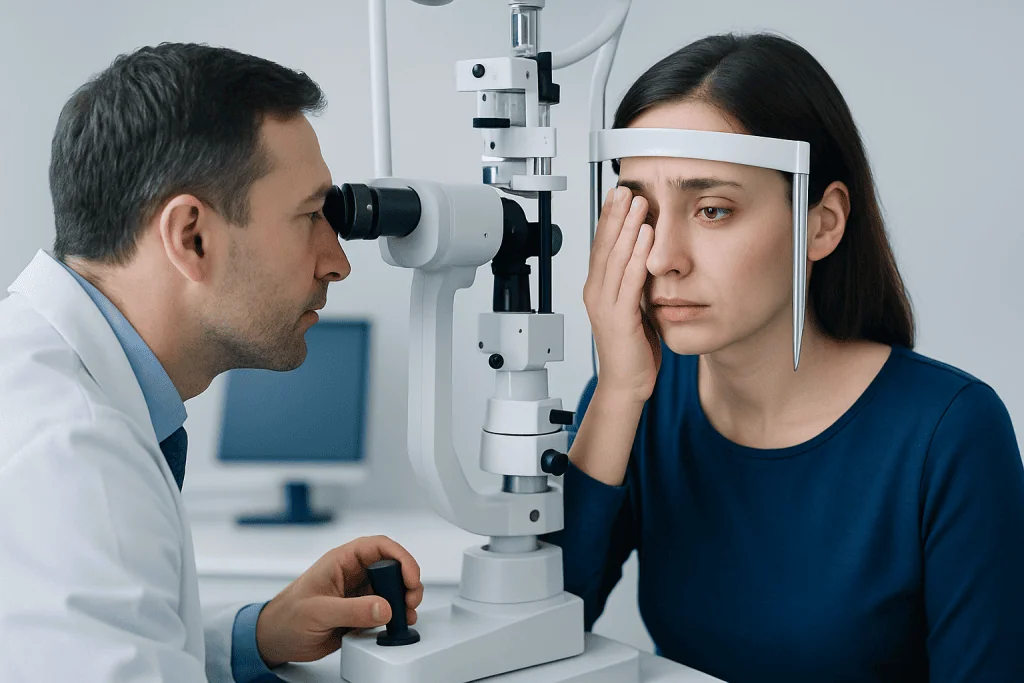
Burning eyes may occur alone, but they often come with other symptoms that provide clues to the cause. Some people describe a stinging, hot, or raw feeling. Others notice that the eyes feel gritty, as if sand or dust is trapped inside. The discomfort may be constant or may worsen at certain times, such as late in the day, during allergy season, or after hours of screen use.
Associated symptoms can include redness, tearing, itching, light sensitivity, blurred vision that improves after blinking, eyelid crusting, swelling, or discharge. Paradoxically, dry eyes can sometimes cause watery eyes because the eye responds to irritation by producing reflex tears. If the burning is linked to contact lens wear, symptoms may include lens discomfort, eye redness, or a sensation that the lens is not sitting properly.
Some symptom patterns deserve closer attention. Burning with severe pain, marked sensitivity to light, reduced vision, or a feeling of a foreign body that does not improve can suggest a corneal problem and should not be ignored. Likewise, burning after exposure to chemicals, fumes, or a direct eye injury requires prompt assessment.
Why eyes burn: common causes and risk factors

One of the most common reasons for burning eyes is dryness. Tears do more than add moisture; they protect the eye surface and help it heal. If the eyes do not make enough tears, or if tears evaporate too quickly, the surface becomes irritated. This can happen with aging, air conditioning, heating, wind, prolonged screen time, some medications, and conditions affecting the eyelids or tear glands. Patients with dry eye often describe burning together with grittiness, fluctuating vision, and discomfort that worsens later in the day.
Allergies are another frequent cause. Pollen, dust mites, pet dander, and mold can trigger inflammation of the conjunctiva, the thin membrane covering the white of the eye. Allergy-related burning is often accompanied by itching, tearing, and puffiness. Irritants such as smoke, perfume, chlorinated water, cosmetics, or air pollution can produce similar symptoms even when allergy is not the main issue.
Inflammation of the eyelids, called blepharitis, is a common but sometimes overlooked cause. It can interfere with the oil glands that help keep tears from evaporating too quickly, leading to burning, crusting, and irritated lids. Infection is another possibility. Viral or bacterial conjunctivitis may cause redness, burning, and discharge. In some cases, a scratched cornea, a foreign body, or contact lens-related irritation can produce significant burning and pain.
Risk factors include contact lens wear, heavy digital device use, exposure to dry or smoky environments, poor eyelid hygiene, a history of allergies, and certain autoimmune conditions. Burning may also occur after eye surgery or procedures while the eye surface is healing. Less commonly, burning can be part of a more complex eye disorder requiring specialist evaluation.
How the cause is diagnosed
Diagnosis begins with a careful history. A doctor will usually ask when the burning started, whether one or both eyes are affected, what seems to trigger it, and whether there are symptoms such as itching, discharge, pain, light sensitivity, or visual changes. Contact lens use, recent illness, workplace exposures, cosmetics, medications, and previous eye problems are also important details.
An eye examination often includes checking visual acuity, looking at the eyelids and eye surface, and assessing the tear film. The doctor may examine the eyes with magnification and may use special dye to look for scratches or areas of surface damage. If allergy is suspected, the pattern of symptoms and examination findings are often enough to guide care. If infection is likely, the appearance of the discharge and conjunctiva may help distinguish the cause.
In people with persistent or recurrent symptoms, more specific testing may be needed to evaluate tear quality, tear production, eyelid gland function, or corneal health. This is especially important if standard measures have not helped, or if there is concern about conditions beyond simple irritation. Depending on the findings, the doctor may recommend further evaluation in an ophthalmology clinic or discuss options used in a comprehensive eye examination.
Treatment options depend on the cause
Because burning eyes can happen for different reasons, treatment is most effective when it matches the cause. If dryness is the main issue, preservative-free lubricating eye drops, environmental adjustments, frequent blinking, and breaks from screens may help. Some patients also benefit from warm compresses and eyelid cleansing, especially when the oil glands along the eyelid margin are not working well.
If allergies are contributing, reducing exposure to triggers and using doctor-recommended anti-allergy eye drops may ease symptoms. For blepharitis, regular lid hygiene is often central to treatment. If infection is diagnosed, care may include targeted medication depending on whether the cause is bacterial, viral, or another organism. Contact lens wearers are often advised to stop wearing lenses until the eye has recovered and a clinician confirms it is safe to restart.
People with more persistent eye surface disease may need additional therapies such as prescription drops, treatment for eyelid gland dysfunction, or procedures selected by an eye specialist. In some cases, managing related conditions can also improve symptoms. For example, if burning is part of chronic ocular surface irritation, a specialist may evaluate therapies used for dry eye treatment. If the problem involves eyelid disease or tear drainage issues, further care may be recommended after specialist review.
Self-treatment should be cautious. Redness-relief drops are not ideal for regular use because they may worsen irritation over time in some people. Eye drops that were prescribed for someone else, leftover antibiotic drops, or steroid drops should not be used without medical advice. If symptoms are not clearly improving, a proper diagnosis is safer than repeated trial-and-error treatment.
Everyday relief, prevention, and self-care
Many cases of burning eyes can be reduced by protecting the eye surface and avoiding known triggers. Helpful daily habits include taking regular screen breaks, blinking fully when using computers or phones, and staying well hydrated. Using a humidifier, reducing direct fan or air-conditioner airflow to the face, and wearing sunglasses outdoors may also lessen irritation.
Good eyelid hygiene matters, especially for people with crusting, oily lids, or recurrent styes. Gentle cleansing of the eyelid margins and warm compresses may support healthier tear function. Cosmetics should be replaced regularly, removed carefully, and avoided if they seem to trigger symptoms. Contact lenses should be used exactly as advised, with proper cleaning and replacement routines.
Patients can also lower risk by avoiding smoke and limiting exposure to harsh fumes, cleaning products, and chlorinated water when possible. Lubricating drops can be useful before prolonged reading, flights, or time in dry indoor air. If symptoms return often, keeping a simple symptom diary can help identify patterns related to environment, seasons, screens, or lens use.
- Take a 20-second break every 20 minutes during screen use.
- Use lubricating drops if recommended by a clinician.
- Avoid rubbing the eyes, which can increase irritation.
- Stop contact lens wear if burning begins and seek advice if it continues.
- Rinse the eyes immediately with clean water after mild irritant exposure.
When to seek medical care
Burning eyes should be assessed promptly if they come with severe pain, sudden blurred vision, sensitivity to light, a visible eye injury, or a strong feeling that something is stuck in the eye. Medical care is also important if symptoms start after chemical exposure, welding light exposure, or trauma. In these situations, fast treatment may help protect vision.
Patients should also arrange medical evaluation if burning lasts more than a few days, keeps returning, or does not improve with simple measures such as avoiding irritants and using lubricating drops. Thick discharge, swollen eyelids, fever, or symptoms limited to contact lens wear can suggest infection or corneal involvement and deserve professional review. Persistent symptoms in people with autoimmune disease or a history of eye surgery also warrant attention.
A careful assessment can identify whether the issue is dryness, allergy, infection, eyelid inflammation, or a more serious eye condition. If specialist care is needed, doctors may evaluate related problems such as conjunctivitis or corneal surface disease and guide the next steps. Acibadem International’s multidisciplinary specialists and JCI-accredited hospitals provide diagnosis and treatment for international patients when more detailed eye evaluation is required.
Frequently asked questions
Are burning eyes usually serious?
Not usually. Burning eyes are often caused by dryness, allergy, or irritation from the environment. However, they can sometimes signal infection, corneal injury, or another eye problem, especially if there is pain or vision change.
Can dry eye cause burning and watering at the same time?
Yes. Dry eye can irritate the eye surface and trigger reflex tearing, so the eyes may feel both dry and watery. This pattern is common and does not rule out dryness as the cause.
Do allergies cause burning eyes or only itching?
Allergies can cause both. Many people notice itching, burning, redness, and watery eyes together, especially during certain seasons or after exposure to dust or pets.
Should contact lenses be worn if the eyes are burning?
It is generally best to stop wearing contact lenses until the cause is clear and the eyes feel better. Burning in a contact lens wearer can be a sign of dryness, poor lens fit, irritation, or infection, and some of these need prompt medical attention.
What can help relieve burning eyes at home?
Helpful steps may include avoiding smoke and irritants, taking breaks from screens, blinking more often, and using lubricating eye drops if appropriate. Cool or warm compresses may also help depending on the cause, but persistent symptoms should be checked by a doctor.
When should burning eyes be treated urgently?
Urgent care is needed if burning is severe or if it happens with sudden vision changes, significant pain, light sensitivity, injury, or chemical exposure. These symptoms can point to conditions that should be treated quickly to protect the eye.
References
- American Academy of Ophthalmology
- National Eye Institute
- American Optometric Association
- Mayo Clinic
- World Health Organization
This article is for general information only and is not a substitute for professional medical advice. Please consult a qualified doctor about your individual situation.
Explore treatments in Turkey — costs, top hospitals & a free quote
JCI-accredited · board-certified surgeons · reply within 24h