Bad Back and Diarrhea: What Patients Need to Know

Bad back and diarrhea are symptoms, not a diagnosis, and they may or may not be related. Common explanations include viral or bacterial gastroenteritis, muscle strain, irritable bowel syndrome, kidney stones, and inflammatory digestive conditions.
Key Takeaways
- Bad back and diarrhea are symptoms, not a diagnosis, and they may or may not be related.
- Common explanations include viral or bacterial gastroenteritis, muscle strain, irritable bowel syndrome, kidney stones, and inflammatory digestive conditions.
- Warning signs include high fever, blood in the stool, severe or worsening back pain, dehydration, weakness, numbness, or loss of bladder or bowel control.
- Diagnosis depends on the overall symptom pattern and may involve an exam, stool or blood tests, urine tests, and imaging when needed.
- Most mild cases improve with hydration, rest, and treatment of the underlying cause, but persistent or red-flag symptoms need medical evaluation.
Medically reviewed by the Acıbadem International Medical Board — July 25, 2026
Bad back and diarrhea can occur together for several reasons, including a stomach infection with body aches, a muscle strain happening at the same time as diarrhea, or a condition that affects the digestive tract, kidneys, or spine. In many cases the cause is short-lived, but severe pain, dehydration, blood in the stool, fever, weakness, or trouble controlling the bladder or bowels should be assessed by a doctor promptly.
Overview: why bad back and diarrhea can happen together
Bad back and diarrhea can happen together, and the combination does not always point to one single illness. Sometimes the link is simple: a viral stomach bug may cause diarrhea along with body aches, including aching in the lower back. In other situations, the two symptoms occur at the same time but come from different causes, such as a strained back muscle during a separate digestive upset.
Doctors usually look at the timing, location, and severity of symptoms to understand whether they are connected. Diarrhea that begins suddenly with cramping, nausea, or fever often suggests an infection. Back pain that started after lifting, twisting, or poor posture may be more likely to be musculoskeletal. However, there are also conditions that can affect nearby organs or body systems and produce both symptoms together.
The key question is not only whether diarrhea and back pain are present, but what else is happening with them. Dehydration, blood in the stool, pain that radiates to the groin, numbness, unexplained weight loss, or problems with bladder or bowel control can change how urgently the symptoms should be assessed. A careful history and physical examination help guide the next steps.
Common patterns and symptoms to notice
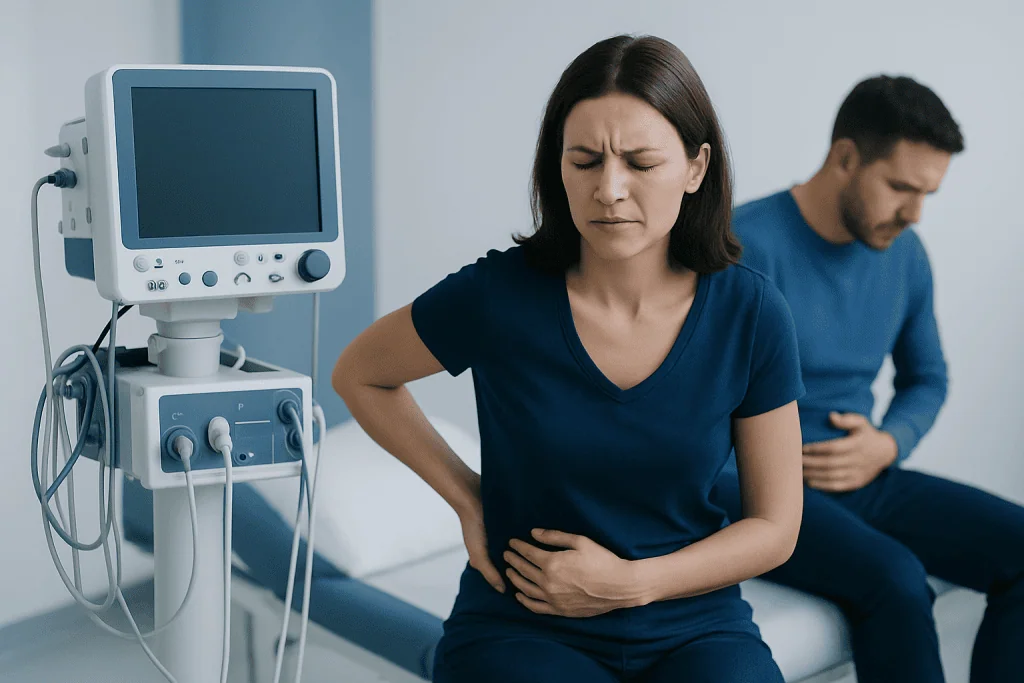
When bad back and diarrhea occur together, the full symptom pattern often offers useful clues. Diarrhea may be watery, frequent, urgent, or associated with cramping. Back pain may feel dull, tight, aching, sharp, or colicky, and it may affect the lower back more than the upper back. Some people also notice nausea, bloating, chills, fatigue, or reduced appetite.
Acute diarrhea lasting a few days is often caused by an infection or food-related illness. In that setting, back discomfort may come from generalized body aches, muscle tension from repeated bathroom trips, or dehydration. Chronic or recurrent diarrhea, especially if it comes with abdominal pain, weight loss, or nighttime symptoms, may suggest a longer-term digestive disorder rather than a simple infection.
It can help to note symptoms such as:
- Fever or chills
- Vomiting or inability to keep fluids down
- Blood, mucus, or black stool
- Pain on one side of the back or pain that moves toward the groin
- Numbness, weakness, or tingling in the legs
- Urgency, incontinence, or dehydration symptoms such as dizziness and dry mouth
Keeping track of when symptoms started, recent travel, new foods, antibiotics, heavy lifting, and any previous bowel or spine problems can make an evaluation more accurate.
Possible causes and risk factors

One of the most common explanations is infectious gastroenteritis. Viral infections, food poisoning, and some bacterial illnesses can cause diarrhea, abdominal cramping, fatigue, and body aches that may be felt in the back. The back pain in these cases is often diffuse and improves as the infection resolves and hydration is restored.
Another common possibility is a muscle or ligament strain in the back that occurs around the same time as diarrhea. Repeated bending, lifting, coughing, or tensing the abdomen can aggravate the lower back. People may also spend long periods in uncomfortable positions during an episode of diarrhea, which can worsen existing back discomfort.
Some causes more directly connect the digestive system and back pain. Irritable bowel syndrome may cause recurrent abdominal discomfort, bloating, and diarrhea, sometimes with pain felt in the lower back due to muscle tension or referred discomfort. Conditions such as Crohn’s disease or ulcerative colitis can also cause diarrhea and abdominal pain, and some people experience back pain related to inflammation, posture changes, or associated joint involvement. If symptoms are persistent, evaluation for inflammatory bowel diseases may be considered.
Kidney and urinary causes are also important. A kidney stone can produce severe flank or back pain that may be accompanied by nausea, vomiting, or even diarrhea in some people. Urinary tract infections that spread upward may cause back pain with fever and digestive upset. Less commonly, spinal nerve compression or serious neurological problems can affect bowel control rather than causing true diarrhea, which is why new incontinence, numbness, or weakness needs urgent attention.
How doctors evaluate bad back and diarrhea
Diagnosis starts with a focused history. A doctor will usually ask when the diarrhea began, how often stools occur, whether there is blood or fever, and what the back pain feels like. They may ask about recent infections, travel, antibiotics, suspicious food exposure, weight loss, urinary symptoms, pregnancy, past bowel disease, or any history of spine problems.
The physical examination may include checking hydration status, temperature, blood pressure, abdominal tenderness, spinal movement, muscle spasm, and the nerves in the legs. This helps distinguish a mild self-limited illness from a problem affecting the kidneys, intestines, or spinal nerves.
Tests are chosen based on the clinical picture rather than ordered routinely for everyone. Depending on symptoms, a doctor may recommend blood tests, urine tests, stool studies, or imaging such as ultrasound, X-ray, CT, or MRI. If digestive symptoms are ongoing or concerning, specialist evaluation and procedures such as colonoscopy may help identify inflammation, infection, bleeding, or other bowel conditions. When the pain pattern raises concern for the spine rather than the bowel, MRI can sometimes clarify whether a disc or nerve problem is contributing.
Treatment depends on the cause
Treatment for bad back and diarrhea focuses on the underlying diagnosis. For short-term infectious diarrhea, care often includes fluids, rest, and a gradual return to regular food as tolerated. If a bacterial infection, inflammatory condition, kidney problem, or another specific illness is found, treatment is tailored accordingly. It is safest for patients to use medicines only as advised by a qualified clinician, especially if there is fever, blood in the stool, kidney disease, or significant dehydration.
When back pain is due to muscle strain, treatment may include activity modification, gentle movement, heat in some cases, and short-term pain relief recommended by a doctor. Remaining completely inactive for long periods is usually not necessary and may worsen stiffness. If digestive symptoms are causing poor sleep, repeated bending, or dehydration, improving those problems can also ease back discomfort.
People with persistent digestive symptoms may need care from a gastroenterologist. Depending on the diagnosis, management may include dietary guidance, treatment for infection, anti-inflammatory therapy, or further procedures. If the problem relates more to the spine, rehabilitation, pain management, or other orthopedic or neurologic care may be considered. In selected cases where ongoing bowel symptoms need specialist assessment, gastroenterology care can help coordinate testing and treatment.
Self-care and prevention
Many mild cases improve with supportive care. The priorities are hydration, rest, and watching for warning signs. Small, frequent sips of water or oral rehydration solutions may be easier to tolerate than large amounts at once. Gentle, simple foods can be reintroduced as symptoms settle, while alcohol and heavily greasy meals are often best avoided during recovery.
For back comfort, it may help to avoid heavy lifting and prolonged awkward positions. Light walking and gentle stretching can reduce stiffness if they do not worsen pain. Good posture, core strength, and safe lifting habits may lower the chance of repeated back strain over time.
Prevention depends on the likely cause. Handwashing, safe food handling, and caution with high-risk foods can reduce infectious diarrhea. Managing chronic conditions such as IBS or inflammatory bowel disease can help prevent flare-ups. People who have recurrent symptoms should avoid self-diagnosing based only on one episode, because repeated diarrhea with back pain deserves a more structured medical review.
When to seek medical care
Medical care is appropriate if bad back and diarrhea are severe, last longer than expected, or interfere with drinking, eating, or daily function. Prompt assessment is especially important for older adults, young children, pregnant patients, and people with weakened immune systems or significant chronic illness.
A doctor should be contacted urgently if there is high fever, blood in the stool, black stool, severe abdominal pain, signs of dehydration, or back pain that is intense, one-sided, or steadily worsening. Urgent assessment is also needed if symptoms follow a recent antibiotic course, because some antibiotic-related infections can cause significant diarrhea.
Emergency care is needed if there is new loss of bladder or bowel control, saddle numbness, leg weakness, inability to walk normally, or severe pain after injury. These symptoms can point to a serious spinal or neurological problem rather than ordinary back strain. Near the end of the care pathway, some patients may benefit from multidisciplinary assessment; Acibadem International’s specialists in JCI-accredited hospitals diagnose and treat digestive, kidney, and spine-related causes for international patients when more complex evaluation is needed.
Frequently asked questions
Can bad back and diarrhea be caused by the same problem?
Yes. They can occur together during infections, inflammatory bowel conditions, kidney problems, or some less common neurological issues. In other cases, they happen at the same time but are unrelated, such as diarrhea plus a separate muscle strain.
Is lower back pain with diarrhea usually serious?
Not always. Many cases are due to short-term stomach infections or muscle tension and improve with hydration and rest. It becomes more concerning if symptoms are severe, persistent, or linked to fever, blood in the stool, dehydration, weakness, or loss of bowel or bladder control.
Could diarrhea cause back pain by itself?
It can indirectly. Frequent bathroom trips, dehydration, abdominal cramping, and prolonged uncomfortable positioning may trigger muscle tension or aching in the lower back. However, strong or localized back pain should not automatically be blamed on diarrhea without medical review.
When should someone go to the emergency room for back pain and diarrhea?
Emergency care is important if there is severe dehydration, confusion, fainting, blood or black stool, unbearable pain, or symptoms after a significant injury. Immediate evaluation is also needed for numbness around the groin, leg weakness, or new loss of bladder or bowel control.
How do doctors find the cause of bad back and diarrhea?
They begin with the symptom timeline, medical history, and physical examination. Depending on the findings, they may order blood tests, stool tests, urine tests, or imaging studies. The choice of tests depends on whether the symptoms suggest infection, digestive disease, kidney problems, or a spine-related issue.
What can help at home while waiting to see a doctor?
Hydration is the first priority, especially if stools are frequent. Rest, simple foods as tolerated, and avoiding heavy lifting may also help. If symptoms worsen, fluids cannot be kept down, or warning signs appear, medical care should not be delayed.
References
- National Institute of Diabetes and Digestive and Kidney Diseases
- National Institute of Arthritis and Musculoskeletal and Skin Diseases
- Centers for Disease Control and Prevention
- American College of Gastroenterology
- Mayo Clinic
This article is for general information only and is not a substitute for professional medical advice. Please consult a qualified doctor about your individual situation.
Explore treatments in Turkey — costs, top hospitals & a free quote
JCI-accredited · board-certified surgeons · reply within 24h