Paresis: An Evidence-Based Guide for Patients

Paresis refers to partial weakness, not complete paralysis. It can affect one limb, one side of the body, the face, or other muscle groups.
Key Takeaways
- Paresis refers to partial weakness, not complete paralysis.
- It can affect one limb, one side of the body, the face, or other muscle groups.
- Common causes include stroke, nerve injury, spinal cord disorders, multiple sclerosis, and muscle disease.
- Sudden weakness, facial drooping, trouble speaking, or balance loss needs urgent medical attention.
- Treatment depends on the cause and may include medicines, rehabilitation, surgery, or supportive therapies.
- Early assessment can improve safety, function, and recovery.
Paresis means partial loss of voluntary muscle strength. It is not a disease itself, but a sign that a nerve, muscle, brain, or spinal cord problem may be affecting movement, so evaluation focuses on finding the underlying cause and guiding treatment.
What paresis means
Paresis is the medical term for partial muscle weakness. A person with paresis can still move the affected body part, but the movement is weaker than expected. This differs from paralysis, in which voluntary movement is completely lost. In everyday life, paresis may feel like a heavy arm, a dragging foot, a weak grip, facial drooping, or difficulty climbing stairs.
Paresis is not a diagnosis on its own. Instead, it is a clinical sign that points to a problem somewhere along the pathway that controls movement. That pathway includes the brain, spinal cord, peripheral nerves, the connection between nerves and muscles, and the muscles themselves. Because many different conditions can cause weakness, the most important step is identifying where the problem is starting.
The pattern of weakness gives helpful clues. Some people develop weakness on one side of the body, while others notice it in a single hand, one leg, both legs, or the face. Paresis may begin suddenly, as can happen with stroke, or it may progress slowly over time with neurological, muscular, or spinal conditions. Understanding this pattern helps doctors decide what tests are most useful.
Symptoms and how paresis can appear
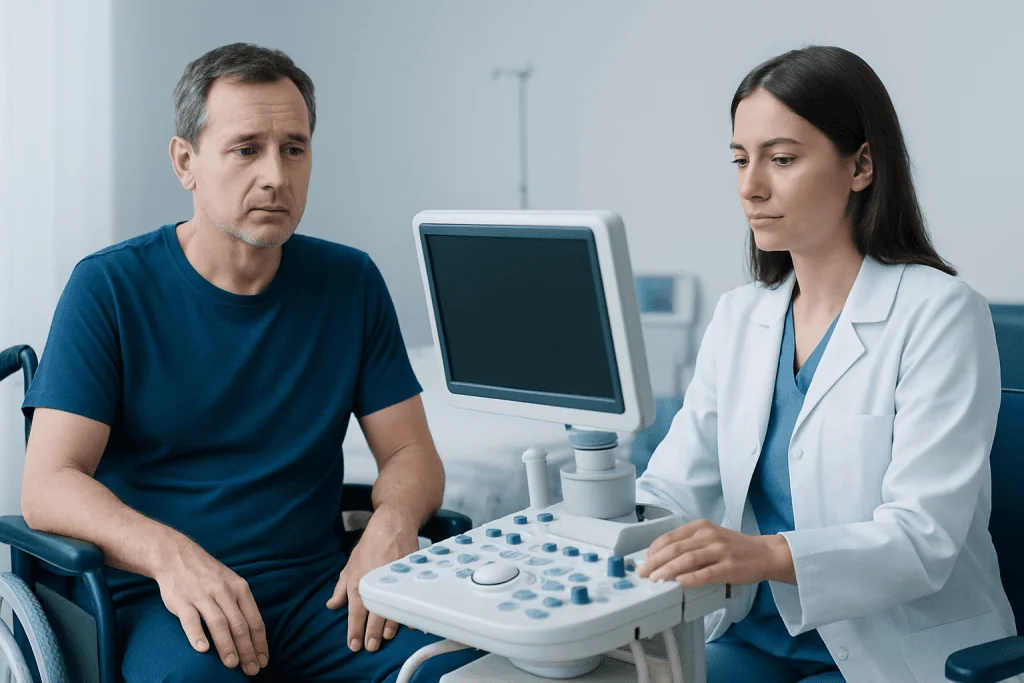
The main symptom of paresis is reduced strength in a specific muscle or group of muscles. People often describe this as heaviness, clumsiness, poor coordination, or a sense that the limb does not respond normally. The weakness may be constant or fluctuate, depending on the cause. Some people notice symptoms only during activity, while others feel weak even at rest.
Other symptoms may occur alongside weakness. These can include numbness, tingling, pain, muscle cramps, muscle wasting, tremor, facial asymmetry, slurred speech, swallowing difficulty, or changes in walking. If the weakness affects the legs, a person may trip more often or find it hard to stand from a chair. If the hands are involved, tasks such as buttoning clothing, writing, or opening jars may become difficult.
Doctors often describe paresis by location. Examples include:
- Monoparesis: weakness in one limb
- Hemiparesis: weakness on one side of the body
- Paraparesis: weakness in both legs
- Quadriparesis: weakness in all four limbs
- Facial paresis: weakness of the muscles of facial expression
Because the same symptom can have very different causes, it is important not to assume that all weakness comes from fatigue, aging, or overuse. Persistent, unexplained, or progressive weakness should be assessed by a qualified doctor.
Common causes and risk factors

Paresis can result from conditions affecting the central nervous system, peripheral nerves, or muscles. Brain-related causes include stroke, brain tumors, infections, traumatic brain injury, and diseases that damage nerve pathways. Spinal cord disorders, such as compression from a disc problem, spinal tumor, inflammation, or injury, can also reduce strength below the level of the affected area.
Peripheral nerve problems are another important cause. These include nerve compression, nerve trauma, diabetic neuropathy, and inflammatory neuropathies. Disorders at the neuromuscular junction, where nerves communicate with muscles, can also lead to weakness. Muscle diseases, including inflammatory and inherited myopathies, may cause paresis as well. In some cases, weakness develops because of autoimmune neurological conditions such as multiple sclerosis.
Risk factors depend on the underlying disorder. They may include older age, high blood pressure, diabetes, smoking, high cholesterol, prior vascular disease, infections, autoimmune disease, cancer, recent injury, and a family history of certain neuromuscular conditions. Medication side effects, electrolyte imbalances, and severe systemic illness can also contribute to weakness in some patients.
Doctors also consider timing. Sudden paresis raises concern for emergencies such as stroke, spinal cord compression, or acute nerve injury. Gradually progressive weakness may point more toward degenerative, inflammatory, metabolic, or structural causes. A careful history often provides the first clues.
How doctors diagnose paresis
Diagnosis begins with a detailed medical history and neurological examination. The doctor asks when the weakness started, whether it came on suddenly or gradually, which muscles are affected, and whether symptoms such as numbness, pain, speech changes, vision changes, or bladder symptoms are present. They will also ask about recent illness, injury, medications, and personal risk factors such as diabetes or vascular disease.
The physical examination focuses on strength, reflexes, muscle tone, sensation, balance, coordination, and gait. This helps determine whether the weakness is most likely coming from the brain, spinal cord, peripheral nerves, or muscles. For example, brisk reflexes may suggest a central nervous system cause, while reduced reflexes can point toward peripheral nerve involvement.
Further tests are chosen based on the suspected cause. These may include blood tests, nerve conduction studies, electromyography, and imaging such as MRI or CT. When stroke is suspected, urgent brain imaging is essential. If a spinal problem is possible, a doctor may recommend MRI scanning to look for compression or inflammation. In selected cases, lumbar puncture or specialized neuromuscular testing may be needed.
The goal of diagnosis is not only to confirm that paresis is present, but to identify a treatable cause, assess urgency, and create a safe plan for recovery and long-term care.
Treatment options and recovery
Treatment for paresis depends entirely on the cause. If the weakness is due to stroke, treatment may involve urgent stroke care followed by rehabilitation; if it is due to a compressed nerve or spinal cord, treatment may include medications, injections, or surgery; if it is related to inflammation or autoimmune disease, immune-based therapies may be considered. This is why early and accurate diagnosis matters.
Rehabilitation is a central part of care for many patients. Physical therapy can help improve strength, balance, walking, flexibility, and endurance. Occupational therapy supports hand function and daily tasks such as dressing, bathing, and writing. When facial muscles or swallowing are affected, speech and swallowing therapy may also help. In more complex cases, a doctor may recommend a structured neurological rehabilitation program.
Some people need assistive devices during recovery, such as braces, canes, walkers, or adaptive tools for the home. Pain control and management of muscle stiffness or spasticity may improve comfort and function. If a structural problem is causing pressure on the brain or spine, treatment by teams experienced in neurosurgery may be appropriate.
Recovery varies widely. Some causes of paresis improve quickly once treated, while others require longer rehabilitation or ongoing management. Improvement depends on the underlying diagnosis, the severity of weakness, how quickly treatment begins, and the person’s overall health.
Prevention, daily safety, and self-care
Not all causes of paresis can be prevented, but some risks can be reduced. Managing blood pressure, diabetes, and cholesterol, avoiding smoking, staying physically active, and following medical advice for chronic conditions may lower the risk of stroke and nerve damage. Injury prevention, including safe lifting, workplace ergonomics, and fall prevention, may help reduce trauma-related weakness.
For someone living with paresis, self-care focuses on safety and function. It can help to remove tripping hazards, use handrails, wear supportive footwear, and avoid activities that feel unsafe until assessed by a professional. Energy conservation strategies, rest breaks, and a regular rehabilitation plan may support daily independence.
People should not start strengthening exercises for unexplained weakness without medical guidance, especially if the symptoms are worsening. In some neuromuscular disorders, overexertion may increase fatigue. A doctor or therapist can suggest the safest level of activity and help tailor exercises to the specific diagnosis.
Near the end of the care journey, some patients benefit from coordinated follow-up with neurologists, rehabilitation specialists, radiologists, and surgeons when needed. Acibadem International’s multidisciplinary specialists and JCI-accredited hospitals diagnose and treat conditions associated with paresis for international patients.
When to seek medical care
Urgent medical care is needed if paresis begins suddenly, especially when it affects one side of the body or occurs with facial drooping, trouble speaking, severe headache, confusion, vision loss, severe back pain, or loss of bladder or bowel control. These symptoms may signal a stroke, spinal cord emergency, or another time-sensitive neurological condition.
Prompt medical evaluation is also important if weakness is getting worse, spreading to other limbs, causing repeated falls, or interfering with breathing, swallowing, or walking. Even when symptoms seem mild, progressive or unexplained weakness should not be ignored. Early evaluation can improve safety and may expand treatment options.
For non-emergency symptoms, patients can begin with a primary care doctor, neurologist, or rehabilitation specialist. Depending on the findings, additional assessment may include neurology evaluation and imaging or nerve testing. Seeking care early often helps clarify the cause before weakness leads to avoidable complications.
Frequently asked questions
Is paresis the same as paralysis?
No. Paresis means partial weakness, while paralysis means complete loss of voluntary movement in the affected area. A person with paresis can still move the muscles, but not with normal strength.
Can paresis go away?
Sometimes it can improve significantly, especially when the cause is found and treated early. Recovery depends on why the weakness happened, how severe it is, and whether rehabilitation is needed. Some people recover fully, while others may have ongoing weakness that can still be managed.
What causes sudden paresis?
Sudden paresis can be caused by stroke, spinal cord compression, acute nerve injury, or less commonly certain infections or inflammatory conditions. Because some of these are emergencies, new sudden weakness should be assessed immediately.
Which doctor treats paresis?
The right specialist depends on the suspected cause. Many patients are assessed by a primary care doctor or neurologist first, and treatment may also involve rehabilitation medicine, neurosurgery, orthopedics, or other specialists as needed.
How is paresis diagnosed?
Doctors diagnose paresis through a medical history, physical and neurological examination, and tests chosen according to the pattern of weakness. These may include blood tests, MRI or CT scans, nerve conduction studies, and electromyography.
Is exercise helpful for paresis?
Exercise can be helpful, but it should match the cause and severity of the weakness. A therapist or doctor can recommend safe exercises to improve strength, balance, and function while avoiding strain or unsafe movements.
This article is for general information only and is not a substitute for professional medical advice. Please consult a qualified doctor about your individual situation.
Joint and spine care in Turkey — expert assessment & treatment
JCI-accredited · board-certified surgeons · reply within 24h
Add us as a Preferred Source to see more of our trusted health content across Google Search, AI Overviews and Discover.
Check your numbers in seconds
BMI, calories, due date, blood pressure and 30+ more clinical calculators — free, instant, doctor-reviewed ranges.

More from the Health Library

Bumetanide: A Complete Medical Overview

Boric Acid Suppositories — Explained by Medical Evidence, Not Myths

Wisdom Teeth Stitched: A Complete Medical Overview

Early Onset Dementia: What Patients Need to Know

Bird Dog — Explained by Medical Evidence, Not Myths