Ercp Medical Abbreviation: A Complete Medical Overview

ERCP stands for endoscopic retrograde cholangiopancreatography. It combines endoscopy and X-ray imaging to reach the bile and pancreatic ducts.
Key Takeaways
- ERCP stands for endoscopic retrograde cholangiopancreatography.
- It combines endoscopy and X-ray imaging to reach the bile and pancreatic ducts.
- ERCP is often used as a treatment procedure as well as a diagnostic test.
- Common reasons for ERCP include bile duct stones, blockages, leaks, and narrowing of the ducts.
- Most people need fasting, sedation, and short-term monitoring after the procedure.
- Patients should seek urgent medical care after ERCP if they develop severe pain, fever, vomiting, or bleeding.
Medically reviewed by the Acıbadem International Medical Board — July 25, 2026
ERCP medical abbreviation stands for endoscopic retrograde cholangiopancreatography. It is a specialized procedure that helps doctors examine and treat problems in the bile ducts, gallbladder area, and pancreatic ducts without traditional open surgery.
Overview: What the ERCP Medical Abbreviation Means
ERCP medical abbreviation stands for endoscopic retrograde cholangiopancreatography. In simple terms, ERCP is a procedure that uses a flexible camera tube called an endoscope together with contrast dye and X-ray imaging to look at the bile ducts and pancreatic ducts. These ducts carry bile from the liver and gallbladder and digestive enzymes from the pancreas into the small intestine.
Unlike many tests that only help with diagnosis, ERCP is often used to diagnose and treat a problem during the same session. For example, a doctor may remove a bile duct stone, place a small tube called a stent to relieve a blockage, or widen a narrowed duct. This makes ERCP different from standard imaging tests such as ultrasound, CT, or MRCP.
Today, ERCP is usually reserved for cases where treatment is likely to be needed, rather than as a first-line test for every digestive complaint. Noninvasive imaging may be used first, while ERCP is chosen when there is a strong suspicion of obstruction, infection, stones, or other duct-related disease. This treatment-focused role is one of the most important things to understand when someone asks what ERCP means in medicine.
Why ERCP Is Done
Doctors recommend ERCP when they need direct access to the bile ducts or pancreatic ducts. A person may have jaundice, abnormal liver blood tests, unexplained bile duct widening on imaging, recurrent pancreatitis, or pain suggesting a blocked duct. In these situations, ERCP can help identify the cause and, in many cases, correct it immediately.
Common reasons for ERCP include gallstones that have moved into the common bile duct, strictures or narrowing caused by inflammation or scarring, bile leaks after surgery, and tumors affecting the duct system. ERCP may also be used to collect tissue samples or brushings if there is concern about an abnormal area. Related conditions can include gallstones and pancreatitis, depending on the symptoms and imaging findings.
Because ERCP can also be therapeutic, it may reduce the need for larger operations in selected patients. During the same procedure, the doctor may perform ERCP treatment, remove obstructing stones, open a narrowed area, or place a stent to help bile drain more normally. This practical, problem-solving role is why ERCP remains an important procedure in modern gastroenterology.
How the Procedure Works
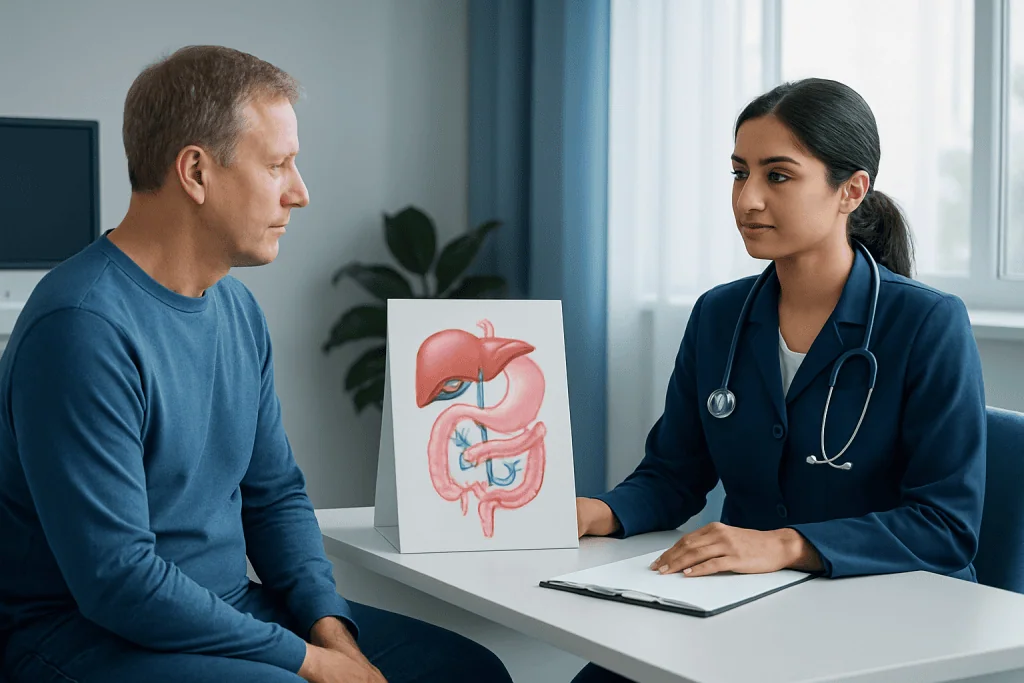
ERCP is usually performed by a gastroenterologist with special training. The patient is asked to fast beforehand so the stomach and upper intestine are empty. Sedation or anesthesia is given to improve comfort, and the endoscope is gently passed through the mouth, down the esophagus and stomach, and into the first part of the small intestine called the duodenum.
Once the endoscope reaches the opening where the bile and pancreatic ducts drain, the doctor inserts a very small catheter through the scope. Contrast dye is injected into the ducts, and X-ray images are taken to show whether there are stones, narrowing, leaks, or other abnormalities. If needed, the doctor can pass miniature tools through the scope to treat the problem.
Treatments performed during ERCP may include a small cut at the duct opening called a sphincterotomy, stone extraction with a basket or balloon, dilation of a narrowing, or placement of a temporary or longer-term stent. In some cases, additional procedures such as endoscopy or gastroenterology care are part of the wider evaluation and follow-up plan.
Most procedures are completed within a relatively short period, though the exact length depends on the complexity of the problem. Afterward, the patient is monitored until the effects of sedation wear off. Because judgment and reflexes may remain affected for several hours, someone else usually needs to accompany the patient home if ERCP is done as a day procedure.
What Conditions ERCP Can Help Diagnose or Treat
ERCP is especially useful for disorders involving the biliary and pancreatic duct systems. A classic example is a stone blocking the common bile duct, which can cause jaundice, abdominal pain, dark urine, pale stools, or infection. By removing the stone and restoring drainage, ERCP can quickly address the underlying mechanical problem.
It can also help in cases of bile duct strictures, which may result from previous surgery, chronic inflammation, pancreatitis, or tumors. In these situations, ERCP may be used to define the narrowing, take samples, and place a stent so that bile can flow more freely. This can relieve symptoms and support further treatment planning.
Another important use is in bile leaks, often after gallbladder surgery, and in selected pancreatic duct disorders. ERCP may help lower pressure in the duct system and encourage healing by placing a stent. If a doctor suspects a more complex digestive disorder, ERCP findings are often interpreted alongside blood tests and imaging studies to build a complete picture.
Although ERCP is highly useful, it is not the right test for every person with abdominal symptoms. If the goal is only to visualize the ducts, doctors may prefer noninvasive options first. ERCP is generally chosen when there is a meaningful chance that an intervention will be necessary.
Preparation, Recovery, and Possible Risks
Before ERCP, the care team reviews the patient’s medical history, allergies, medications, and any previous reactions to sedation or contrast agents. Blood-thinning medicines may need special instructions, and people with diabetes may need guidance about adjusting food and medication because of fasting. It is important for patients to tell their doctor about pregnancy, implanted medical devices, and any serious heart or lung disease.
After the procedure, temporary bloating, a mild sore throat, or sleepiness from sedation can occur. Many people go home the same day, but some may need hospital observation, especially if the ERCP was technically difficult or done for an urgent problem such as infection or severe obstruction. Eating and drinking usually resume based on the doctor’s advice and the patient’s recovery.
ERCP is generally safe when performed by experienced specialists, but it does carry recognized risks. The most important is pancreatitis after ERCP, which can cause abdominal pain, nausea, and vomiting. Other possible complications include bleeding, infection, perforation, and reactions related to sedation.
These risks are one reason doctors balance the benefits and alternatives carefully before recommending ERCP. The procedure is most appropriate when the expected diagnostic or therapeutic value is clear. At centers with multidisciplinary expertise, patients may be assessed by gastroenterology, surgery, radiology, and anesthesia teams to improve safety and decision-making.
How ERCP Differs From Other Tests
People often confuse ERCP with other digestive investigations, especially MRI-based MRCP, abdominal ultrasound, or CT scans. The key difference is that ERCP is an interventional procedure. While imaging tests can show a blockage or duct problem, ERCP can allow the doctor to act on it right away.
For example, ultrasound may suggest gallstones, and MRCP may map the ducts very clearly without instruments entering the digestive tract. However, neither test can remove a stone, place a stent, or perform a sphincterotomy during the same session. ERCP is therefore often selected when imaging has already identified a likely treatable obstruction.
Another difference is recovery and risk. Noninvasive scans usually have fewer immediate risks and require less preparation, while ERCP involves sedation and a small but real chance of complications. For that reason, it is often reserved for patients whose symptoms, blood tests, or imaging strongly suggest that direct treatment may be needed.
Understanding this distinction helps answer the original question more fully: the ERCP medical abbreviation is not just the name of a test, but the name of a specialized procedure that can both investigate and treat certain pancreaticobiliary conditions.
When to Seek Medical Care
A person should seek medical attention if they develop symptoms that may point to a bile duct or pancreatic problem. These can include yellowing of the eyes or skin, persistent upper abdominal pain, fever with chills, unexplained vomiting, dark urine, pale stools, or itching along with abnormal liver tests. These symptoms do not always mean a serious condition, but they should be assessed promptly by a qualified doctor.
After ERCP, urgent medical care is important if severe abdominal pain develops, especially if it is persistent or accompanied by fever, vomiting, faintness, chest symptoms, black stools, or bleeding. These signs may indicate a complication and should not be ignored. Patients should follow all discharge instructions and know whom to contact if they feel unwell after returning home.
If ongoing specialist evaluation is needed, centers such as Acibadem International offer assessment and treatment for international patients through multidisciplinary specialists in JCI-accredited hospitals. Decisions about ERCP are usually individualized, based on symptoms, imaging, laboratory results, and the likely need for treatment.
Frequently asked questions
What does ERCP stand for in medical terms?
ERCP stands for endoscopic retrograde cholangiopancreatography. It is a procedure used to examine and treat problems in the bile ducts and pancreatic ducts.
Is ERCP a surgery?
ERCP is not open surgery. It is a minimally invasive endoscopic procedure performed through the mouth using a flexible tube, specialized instruments, and X-ray guidance.
Why would someone need an ERCP?
A doctor may recommend ERCP if there is concern about a blocked bile duct, a duct narrowing, a bile leak, or certain pancreatic duct problems. It is often chosen when treatment may be needed at the same time as diagnosis.
Is ERCP painful?
Most patients receive sedation or anesthesia, so they are generally comfortable during the procedure. Mild throat discomfort, bloating, or fatigue can happen afterward, but severe pain is not expected and should be reported promptly.
What are the main risks of ERCP?
The main recognized risks include pancreatitis, bleeding, infection, perforation, and sedation-related complications. Although these problems are uncommon, patients should understand them before the procedure and follow aftercare instructions closely.
How long does it take to recover from ERCP?
Many people recover enough to go home the same day after monitoring, though they may feel sleepy for several hours because of sedation. Full recovery depends on whether any treatment was performed and whether complications occur.
Can ERCP remove gallstones?
ERCP can remove stones that are lodged in the common bile duct. It does not remove stones from inside the gallbladder itself, so some patients may need additional treatment depending on the source of the problem.
References
- National Institute of Diabetes and Digestive and Kidney Diseases
- American Society for Gastrointestinal Endoscopy
- National Health Service
- Mayo Clinic
- World Gastroenterology Organisation
This article is for general information only and is not a substitute for professional medical advice. Please consult a qualified doctor about your individual situation.
Explore treatments in Turkey — costs, top hospitals & a free quote
JCI-accredited · board-certified surgeons · reply within 24h