

2 Month Vaccines: What Patients Need to Know

2 month vaccines help protect infants before many infections become dangerous. Several vaccines are often given during the same visit because this is safe and effective.
Key Takeaways
- 2 month vaccines help protect infants before many infections become dangerous.
- Several vaccines are often given during the same visit because this is safe and effective.
- Mild fever, soreness, and fussiness are common after vaccination and usually improve within a day or two.
- Parents should follow the local immunization schedule and ask a pediatrician about any missed or delayed doses.
- Urgent medical care is needed for severe allergic symptoms, breathing problems, or a baby who is difficult to wake.
2 month vaccines are the first major routine immunizations many babies receive, helping protect against several serious infections early in life. Most infants tolerate them well, and common reactions such as fussiness, sleepiness, or mild fever are usually short-lived.
Overview: what 2 month vaccines are and why they matter
2 month vaccines are routine infant immunizations given around the age of 8 weeks to protect babies from infections that can become serious very quickly in early life. At this stage, a baby’s immune system can respond well to vaccines, and immunization begins before exposure to many germs becomes more likely through family, community, or childcare contact.
Although schedules vary somewhat by country, the 2-month visit commonly includes vaccines that protect against diphtheria, tetanus, pertussis, polio, Haemophilus influenzae type b, hepatitis B, pneumococcal disease, and rotavirus. Some countries may also include other vaccines depending on local recommendations and disease patterns. A pediatrician or family doctor can confirm the exact schedule for the child’s region.
Parents often worry that receiving several vaccines at one appointment may be too much for a small baby. In general, giving multiple recommended vaccines during the same visit is well studied and is considered safe. It also reduces delays in protection and helps families stay on schedule.
Which vaccines are usually given at 2 months
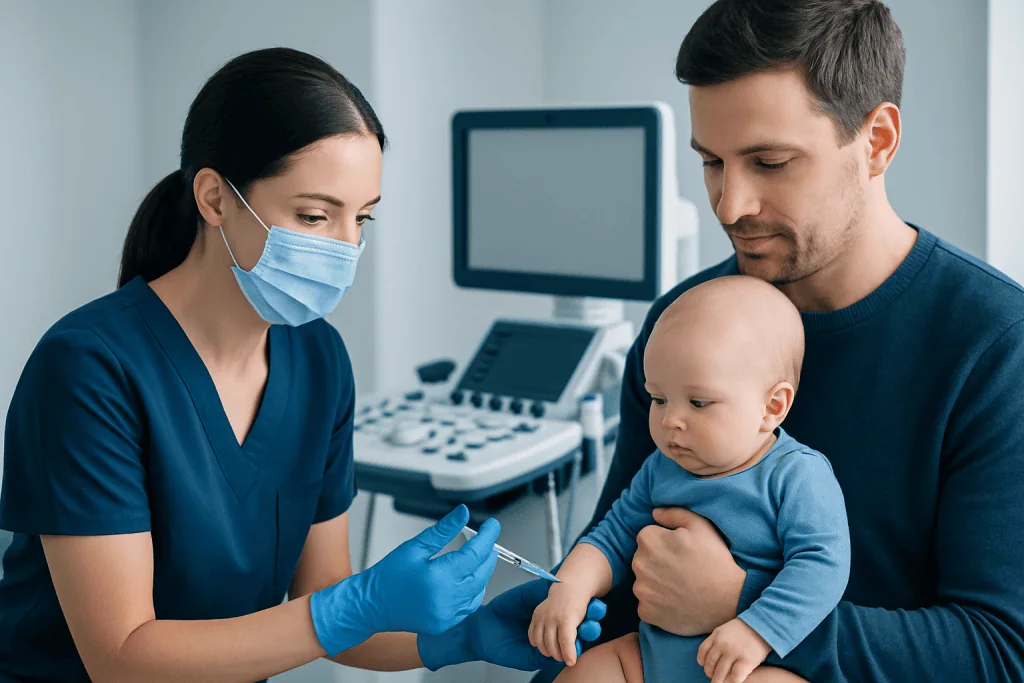
The exact 2 month vaccine schedule depends on national immunization programs, but several vaccines are commonly recommended around this age. Many are given as combination vaccines, which means one injection can protect against more than one illness. This can reduce the number of injections while maintaining strong protection.
Common vaccines at this visit may include:
- DTaP, which protects against diphtheria, tetanus, and pertussis
- IPV, which protects against polio
- Hib vaccine, which protects against invasive Haemophilus influenzae type b infections
- Hepatitis B vaccine, depending on the schedule already started at birth
- Pneumococcal conjugate vaccine, which helps prevent pneumonia, ear infections, bloodstream infection, and meningitis
- Rotavirus vaccine, which is usually given by mouth rather than injection
These vaccines target illnesses that can be especially serious in young infants. For example, pneumococcal disease can contribute to severe infections such as meningitis, while pertussis can cause dangerous breathing problems in babies. Rotavirus can lead to significant diarrhea and dehydration, especially in very young children.
How babies usually respond after vaccination

Most babies handle 2 month vaccines well. The most common reactions are mild and temporary, such as crying more than usual, sleepiness, reduced appetite, mild fever, or redness and soreness where a shot was given. These effects usually begin within the first day and settle on their own within a short time.
Because infants cannot explain how they feel, parents may notice subtle signs of discomfort. A baby may want to be held more, feed a little less, or sleep differently for a day or two. These changes are often part of a normal immune response rather than a sign that something is wrong.
It helps to prepare for the appointment by bringing the baby’s feeding supplies, a favorite blanket, and a list of questions. After the visit, comfort measures such as cuddling, feeding on demand, and following the clinician’s advice about fever or pain relief are usually enough. If symptoms seem more severe than expected or continue beyond a couple of days, a doctor should be contacted.
Why the schedule starts early
The timing of 2 month vaccines is based on two main goals: early protection and reliable immune response. Young babies are at higher risk of complications from certain infections, including breathing problems, brain infections, dehydration, and bloodstream infection. Vaccinating at around 2 months helps close a period of vulnerability when passive protection from the mother is fading.
Waiting longer does not make vaccines work better in most routine situations. In fact, delay can leave an infant exposed during a time when they may be least able to cope with infection. Starting on time also supports future booster doses, which are designed to strengthen and extend protection over the first years of life.
This early schedule is part of a broader prevention strategy in childhood. Vaccines work alongside breastfeeding support, safe sleep, hygiene, and prompt medical care when infants are unwell. Families who have concerns about vaccine timing should discuss them with a pediatrician rather than changing the schedule on their own.
Safety, side effects, and rare reactions
Vaccine safety is monitored carefully before and after approval. Routine infant vaccines are recommended because their benefits in preventing serious disease greatly outweigh the risk of side effects. Mild side effects are common and expected, while severe reactions are rare.
Common side effects after 2 month vaccines may include:
- Mild fever
- Temporary fussiness or irritability
- Sleepiness
- Redness, swelling, or tenderness at the injection site
- Temporary change in feeding pattern
- Mild vomiting or diarrhea after oral rotavirus vaccine in some infants
Parents are often especially concerned about fever. A low-grade fever can happen after vaccination and may simply reflect the body’s immune response. However, in very young infants, any fever should be taken seriously and assessed according to the advice of the child’s doctor, especially if the baby appears unwell, is difficult to wake, or is feeding poorly.
Rare reactions can include an allergic response shortly after vaccination. This is why babies are typically observed briefly after the visit. Clinicians who provide vaccines are trained to recognize and manage emergencies. Families with a history of prior vaccine reaction, severe allergy, or immune-related conditions should tell the doctor before vaccination so the plan can be individualized if needed.
How doctors decide if a baby is ready for vaccination
Before giving 2 month vaccines, the clinician reviews the baby’s age, growth, medical history, birth history, and any prior vaccine doses. Parents may be asked about allergies, past reactions, recent illnesses, medications, or immune system conditions in the child or close family. This quick review helps confirm that vaccines are given safely and at the right time.
A mild cold, nasal congestion, or low-grade illness is not usually a reason to delay vaccination. However, a baby with a moderate or severe acute illness may be asked to return when better. For premature infants, the schedule is generally based on chronological age rather than adjusted age, although doctors may tailor decisions in special circumstances.
If a dose is missed, the schedule can usually be resumed without starting over. Catch-up immunization plans are common and can be created by a pediatrician. In some situations, a child may also need evaluation for symptoms that overlap with infection, such as fever, breathing difficulty, or poor feeding, and this may involve a broader pediatric assessment or pediatric check-up.
Practical care at home after the 2 month visit
After vaccination, most infants can go home and continue normal daily routines. Gentle comforting measures are often enough. Holding the baby, offering usual feeds, keeping clothing loose around the injection area, and allowing extra rest can all help if the infant seems fussy or tired.
Parents should follow the specific instructions provided by the clinician. It can be useful to note the time of vaccination and any symptoms that occur afterward. This makes it easier to describe the response if a follow-up call is needed. If the baby spits up the oral rotavirus vaccine or has frequent vomiting afterward, families should ask whether any further advice is needed rather than assuming another dose should be given.
Some babies who receive a rotavirus vaccine may have temporary changes in stool pattern. Good hand hygiene after diaper changes remains important, especially in households with other young children or vulnerable family members. Prevention more broadly also includes staying alert for signs of dehydration and infections such as pneumonia in infants who become unusually sleepy, breathe fast, or feed poorly.
For families seeking coordinated pediatric care, Acibadem International’s multidisciplinary specialists in JCI-accredited hospitals evaluate and support international patients, including routine child health needs and vaccine-related questions.
When to seek medical care
Parents should contact a doctor promptly if a baby has symptoms that seem more intense than expected after 2 month vaccines. Examples include a high or persistent fever, repeated vomiting, a weak cry, marked sleepiness, poor feeding, or redness and swelling that continue to worsen at an injection site. Clinical advice is especially important for any infant who appears unwell rather than simply fussy.
Emergency care is needed if the baby has trouble breathing, swelling of the face or lips, a widespread rash that appears suddenly, seizures, limpness, or is difficult to wake. These are not typical post-vaccine reactions and need immediate assessment. In very young infants, breathing issues can overlap with conditions such as bronchiolitis, so urgent evaluation matters.
If the baby develops severe dehydration from diarrhea or vomiting, hospital-based support may be needed, including pediatric emergency care or, in selected cases, intravenous fluid therapy. Families should trust their instincts: if a baby looks significantly different from usual or seems hard to console and hard to arouse, medical assessment is the safest step.
Frequently asked questions
What shots does a baby usually get at 2 months?
Many babies receive vaccines that protect against diphtheria, tetanus, pertussis, polio, Hib, hepatitis B, pneumococcal disease, and rotavirus at around 2 months. The exact combination depends on the country’s immunization schedule and what was given at birth.
Is it safe for a baby to get several vaccines in one visit?
Yes. Giving multiple recommended vaccines during the same visit is standard practice and has been studied carefully. It helps babies become protected sooner and reduces the chance of falling behind schedule.
What side effects are normal after 2 month vaccines?
Mild fever, fussiness, sleepiness, and soreness or redness where the shot was given are common. These reactions are usually short-lived and improve within a day or two.
Should vaccines be delayed if a baby has a mild cold?
A mild cold without significant illness is not usually a reason to postpone vaccination. If the baby seems more unwell, has a moderate or severe illness, or the parent is unsure, a doctor should decide whether to delay.
Can 2 month vaccines cause the illness they are meant to prevent?
Routine infant vaccines do not cause the full diseases they protect against. Some may cause mild, temporary symptoms as the immune system responds, but this is different from having the actual infection.
When should parents call a doctor after vaccination?
Parents should seek medical advice if the baby has a persistent or high fever, feeds poorly, vomits repeatedly, seems unusually sleepy, or has worsening redness or swelling. Emergency care is needed for breathing trouble, severe allergic symptoms, seizures, or a baby who is hard to wake.
This article is for general information only and is not a substitute for professional medical advice. Please consult a qualified doctor about your individual situation.
Explore treatments in Turkey — costs, top hospitals & a free quote
JCI-accredited · board-certified surgeons · reply within 24h
Add us as a Preferred Source to see more of our trusted health content across Google Search, AI Overviews and Discover.

More from the Health Library

Scar Eyebrow Piercing — Explained by Medical Evidence, Not Myths

General Anes — Explained by Medical Evidence, Not Myths

High RBC: A Complete Medical Overview

Restasis Eye Drops: An Evidence-Based Guide for Patients

Masterbait: A Complete Medical Overview

Tingling in Face — Explained by Medical Evidence, Not Myths
Infectious Diseases & Clinical Microbiology Specialists at Acibadem

Dr. Meltem Hüner
Infectious Diseases & Clinical Microbiology
Dr. Nevin Sarıgüzel
Infectious Diseases & Clinical Microbiology
Dr. Rehile Zengin
Infectious Diseases & Clinical Microbiology
Dr. Sedef Başgönül
Infectious Diseases & Clinical Microbiology