Scar Eyebrow Piercing — Explained by Medical Evidence, Not Myths

An eyebrow piercing can leave a scar even when it heals normally, but irritation and infection raise the risk. Not every bump is a keloid; common causes include swelling, irritation, trapped debris, or hypertrophic scarring.
Key Takeaways
- An eyebrow piercing can leave a scar even when it heals normally, but irritation and infection raise the risk.
- Not every bump is a keloid; common causes include swelling, irritation, trapped debris, or hypertrophic scarring.
- Safe care focuses on gentle cleansing, avoiding friction, and not removing jewelry too early if infection is suspected.
- Persistent redness, pus, increasing pain, fever, or a fast-growing lump should be assessed by a clinician.
- Dermatology or plastic surgery treatments may help if a scar is raised, itchy, dark, or cosmetically bothersome.
A scar eyebrow piercing usually refers to visible skin changes after an eyebrow piercing, such as a flat mark, raised scar, darker spot, or a firm bump. In many people, this happens because of irritation, delayed healing, infection, or a tendency to form thicker scars, and treatment depends on the exact type of scar rather than online myths.
What a scar eyebrow piercing really means
A scar eyebrow piercing is any lasting skin change around the piercing channel after healing or injury. It may look like a small line, a pale or darker mark, a firm raised ridge, or a rounded bump. The main medical point is that these are not all the same. Some are normal post-healing marks, some are irritation bumps, and some are true scars such as hypertrophic scars or, less commonly, keloids.
Eyebrow piercings sit in thin, mobile skin that is exposed to facial movement, cosmetics, hair products, hats, towels, and accidental pulling. Because of that, this area can be more easily irritated than people expect. Repeated friction or trauma can prolong healing and make visible scarring more likely.
Many myths online describe every bump as a “keloid,” but that is often inaccurate. Keloids grow beyond the original wound edges and are more likely in people with a personal or family tendency toward this type of scar. Much more often, a bump after piercing is caused by inflammation, localized infection, or a hypertrophic scar that stays within the original piercing area.
How eyebrow piercing scars can look and feel
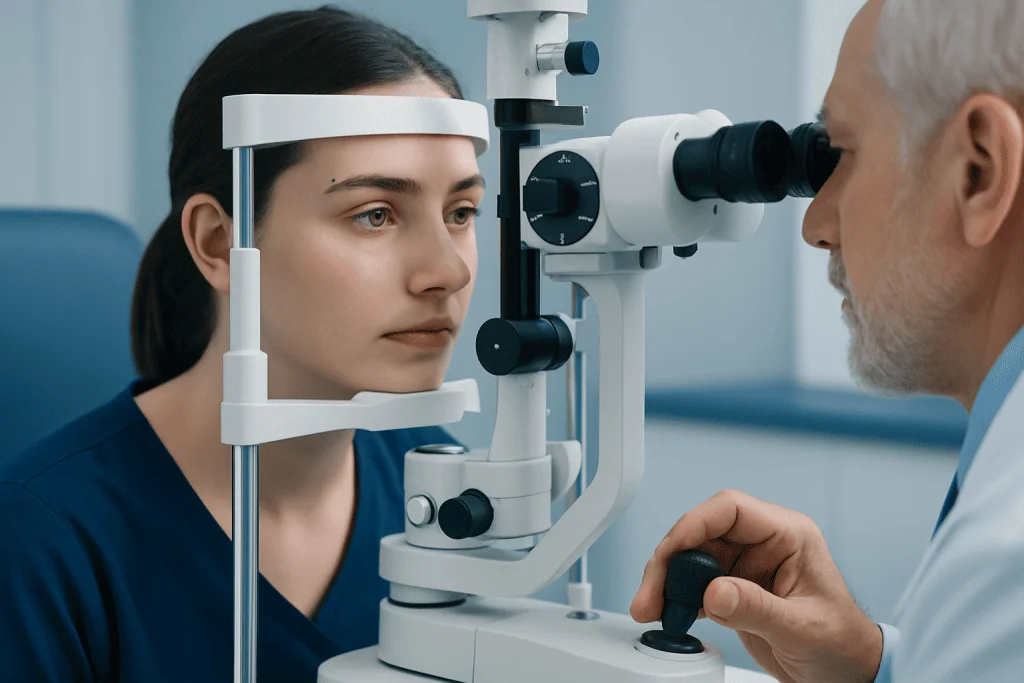
The appearance of an eyebrow piercing scar depends on how the skin healed. A simple healed scar may be a faint line or small dimple after jewelry removal. Post-inflammatory color change can leave the area pink, red, brown, or darker than the surrounding skin for weeks to months, especially in deeper skin tones.
A hypertrophic scar is raised, firm, and often pink or skin-colored, but it remains confined to the piercing tract. A keloid is thicker and may slowly extend beyond the original hole. Some people also develop a piercing bump caused by irritation, which can resemble a scar but may improve once the source of friction is removed.
Symptoms vary. A scar may be painless, mildly itchy, tender, or cosmetically noticeable only. Concerning symptoms suggest another problem rather than simple scarring. These include increasing warmth, spreading redness, throbbing pain, drainage of pus, bad odor, or sudden enlargement.
- Flat scar: small mark where the piercing was
- Raised scar: firm tissue along the piercing channel
- Dark mark: post-inflammatory hyperpigmentation
- Bump: may reflect irritation, inflammation, or trapped debris
- Progressively enlarging mass: needs medical assessment
Why scarring happens: causes and risk factors

Scarring forms when the body repairs a wound. With an eyebrow piercing, the process may become more noticeable if healing is interrupted. Common reasons include repeated touching, sleeping pressure, snagging on clothing or towels, harsh cleansers, alcohol or peroxide use, and early jewelry changes. These factors can inflame the skin and lead to thicker scar tissue.
Infection can also increase the risk of a scar. Bacteria may enter when aftercare is inconsistent or when nonsterile handling occurs. Infection does not always cause severe illness, but it can delay healing and damage surrounding tissue. If there is concern for cellulitis, a deeper skin infection, prompt evaluation is important because treatment may be needed.
Some people are naturally more prone to visible scars. Risk factors include a personal or family history of keloids, darker skin phototypes, prior problematic scars, chronic skin conditions, and frequent local irritation. Jewelry factors matter too. Poor fit, pressure from a barbell that is too short, or sensitivity to certain metals can keep the area inflamed.
Finally, eyebrow piercings can reject or migrate. This means the body gradually pushes the jewelry closer to the skin surface. Migration can leave a longer, more obvious scar and may be mistaken for a standard healing problem. Ongoing thinning of the skin over the jewelry is a sign that a professional piercer and a medical clinician should be consulted.
Scar or infection? Clues that help tell them apart
Scarring and infection can overlap, but they are not the same. A scar tends to be stable or slowly improving, while infection usually causes increasing tenderness, warmth, redness, or discharge. Mild redness in early healing can be normal, yet worsening symptoms after initial improvement deserve attention.
A simple irritation bump often develops where the jewelry rubs. It may look moist or inflamed, but it usually does not cause fever or spreading redness. A hypertrophic scar is firmer and less inflamed. A keloid tends to continue growing over time and may be itchy or uncomfortable, even after the piercing has been removed.
Another point that matters is timing. Scars often become more visible after the acute healing stage, once swelling settles and the tissue remodels. Infection more often appears with active pain, pus, crusting, and persistent local heat. If there is uncertainty, a doctor may look for signs of skin infection, allergic reaction, cyst formation, or another condition such as a sebaceous cyst.
Because the face is highly visible and richly supplied with blood vessels, it is best not to self-diagnose a painful or enlarging lesion for too long. Early assessment can clarify whether care should focus on scar management, jewelry changes, infection treatment, or removing a source of irritation.
Diagnosis and treatment options
Diagnosis is usually clinical, meaning a doctor can often identify the problem by examining the area and asking about timing, aftercare, jewelry material, and symptoms. Tests are not always needed. If there is discharge or recurrent infection, a clinician may take a sample in selected cases. If the lesion is unusual, persistent, or changing, referral to dermatology or plastic surgery may be appropriate.
Initial treatment depends on the cause. If the issue is irritation, the focus is on reducing friction, stopping harsh products, and cleaning gently with saline or as advised by a clinician. If there is a suspected allergy to jewelry metal, changing to a better-tolerated material under professional guidance may help. If there is clear infection, a doctor may recommend treatment rather than home remedies alone.
True scar treatment varies. Flat scars and color changes often improve with time and sun protection. Raised scars may respond to silicone-based scar therapy, pressure reduction, or medical procedures such as steroid injections, depending on the diagnosis. For selected scars, specialists may consider dermatologic procedures or plastic and reconstructive surgery if appearance or symptoms remain bothersome.
If the area is repeatedly inflamed or contains a trapped sac of material, treatment may overlap with care used for dermatology evaluation and treatment or minor lesion management. In complex facial scars, a specialist may discuss options similar to other forms of scar revision, always tailored to skin type, scar behavior, and cosmetic goals.
Prevention and self-care for healthier healing
The best way to reduce a scar eyebrow piercing is to support uncomplicated healing from the start. Hands should be washed before touching the area, and unnecessary handling should be avoided. Hair products, makeup, and skin care acids or retinoids should be kept away from the piercing until the skin is stable. Picking crusts or rotating jewelry can reopen the tract and increase inflammation.
Gentle cleaning is usually safer than strong antiseptics. Overuse of alcohol, hydrogen peroxide, tea tree oil, or abrasive scrubs can irritate tissue and delay healing. Good sleep habits also help; pressure from sleeping on the face may worsen swelling and friction. Sports helmets, tight hats, and anything that catches the jewelry should be used with care.
After jewelry removal, the scar should still be treated gently. Sun protection can reduce long-lasting darkening. If a doctor recommends silicone gel or sheets, regular use may improve scar texture over time. People with a history of keloids should discuss the risk before any new piercing, as prevention is easier than treatment.
- Choose an experienced, hygienic piercer
- Use well-fitted, high-quality jewelry
- Avoid changing jewelry too early
- Do not squeeze bumps or apply home acids
- Seek help if healing stalls or the skin thins over the bar
When to seek medical care
Medical care is advisable if an eyebrow piercing area becomes more painful, red, warm, or swollen instead of gradually improving. Pus, spreading redness, fever, a foul smell, or trouble moving nearby facial tissues are reasons to arrange prompt assessment. These signs may suggest infection rather than simple scar formation.
It is also sensible to seek care if a bump keeps enlarging, bleeds easily, becomes very itchy, or extends beyond the original piercing site. This can help distinguish a hypertrophic scar from a keloid or another skin lesion. A doctor should also assess skin that looks thin or shiny over the jewelry, because migration and rejection can leave a more noticeable scar.
If appearance is the main concern, a non-urgent consultation can still be useful. Early advice may prevent further irritation and guide the safest treatment for raised scars, pigmentation changes, or persistent bumps. Near the end of the care pathway, Acibadem International’s multidisciplinary specialists and JCI-accredited hospitals evaluate facial skin concerns and provide individualized treatment for international patients.
Frequently asked questions
Will an eyebrow piercing always leave a scar?
Not always, but a small mark can remain even after normal healing. The chance of a visible scar is higher if the piercing becomes irritated, infected, migrates, or is repeatedly traumatized.
Is every bump near an eyebrow piercing a keloid?
No. Many bumps are caused by irritation, swelling, trapped debris, or a hypertrophic scar rather than a true keloid. A keloid usually grows beyond the original wound and may continue enlarging over time.
Should jewelry be removed if the piercing looks infected?
Not always. Removing jewelry too early can trap drainage and sometimes make evaluation more difficult. It is better to speak with a qualified clinician or experienced piercer promptly for guidance based on the symptoms.
How long does an eyebrow piercing scar take to fade?
This depends on the type of scar and the person’s skin. Flat marks and color changes may fade gradually over weeks to months, while raised scars can last longer and may need treatment.
Can home remedies remove a scar eyebrow piercing?
Home remedies are often disappointing and can irritate the skin further. Gentle care, sun protection, and clinician-recommended scar treatments are safer choices than acids, oils, or frequent squeezing.
Who is more likely to develop a raised scar or keloid?
People with a personal or family history of keloids are at higher risk. Repeated friction, infection, migration, and delayed healing can also increase the chance of more noticeable scar tissue.
This article is for general information only and is not a substitute for professional medical advice. Please consult a qualified doctor about your individual situation.
Explore treatments in Turkey — costs, top hospitals & a free quote
JCI-accredited · board-certified surgeons · reply within 24h
Add us as a Preferred Source to see more of our trusted health content across Google Search, AI Overviews and Discover.

More from the Health Library

Cinnamon Oil: What Patients Need to Know

Sublingual: What Patients Need to Know
Corn on Finger — Explained by Medical Evidence, Not Myths

Care for Fractured Foot — Explained by Medical Evidence, Not Myths

Dextromethorphan Hbr: What Patients Need to Know

Anabolism: A Complete Medical Overview
Dermatology Specialists at Acibadem

Dr. Oya Yeşim Hacımustafaoğlu Utkan (m)
Dermatology
Dr. Özden Zeki Pınar
Dermatology
Assoc. Prof. Dr. Özgür Timurkaynak
Dermatology
Dr. Özlem Akın Çakıcı
Dermatology