Ais Androgen: What Patients Need to Know

AIS androgen usually means androgen insensitivity syndrome, not excess androgen. AIS happens because the body's cells do not respond normally to androgens.
Key Takeaways
- AIS androgen usually means androgen insensitivity syndrome, not excess androgen.
- AIS happens because the body's cells do not respond normally to androgens.
- Symptoms vary widely depending on whether androgen resistance is complete or partial.
- Diagnosis may involve physical examination, hormone tests, imaging, and genetic testing.
- Treatment focuses on individual needs, including puberty support, gonad care, hormone management, fertility counseling, and emotional support.
- Long-term follow-up with experienced specialists is important for bone, sexual, reproductive, and mental health.
AIS androgen most often refers to androgen insensitivity syndrome, a genetic condition in which the body cannot fully respond to androgens such as testosterone. It can affect sex development, puberty, fertility, and long-term health, but many people with AIS can be supported well with specialist care and personalized follow-up.
Overview: what “ais androgen” means
AIS androgen usually refers to androgen insensitivity syndrome. This is a genetic condition in which the body has androgens, such as testosterone, but the tissues do not respond to them in the usual way. Because androgens help guide sex development before birth and during puberty, reduced response can affect the appearance of the genitals, the pattern of puberty, fertility, and some aspects of long-term health.
AIS is part of a broader group sometimes called differences of sex development. People with AIS usually have XY chromosomes and testes that produce androgens, but the androgen receptor does not work fully. The effect can range from complete androgen resistance to partial resistance, so the condition looks different from one person to another.
For many patients and families, the term itself can be confusing. It does not mean that the body makes too much androgen. Instead, it means the body’s cells cannot use androgen signals normally. Understanding this distinction can make it easier to follow discussions about diagnosis, treatment choices, puberty, and fertility planning.
How AIS can appear at different ages
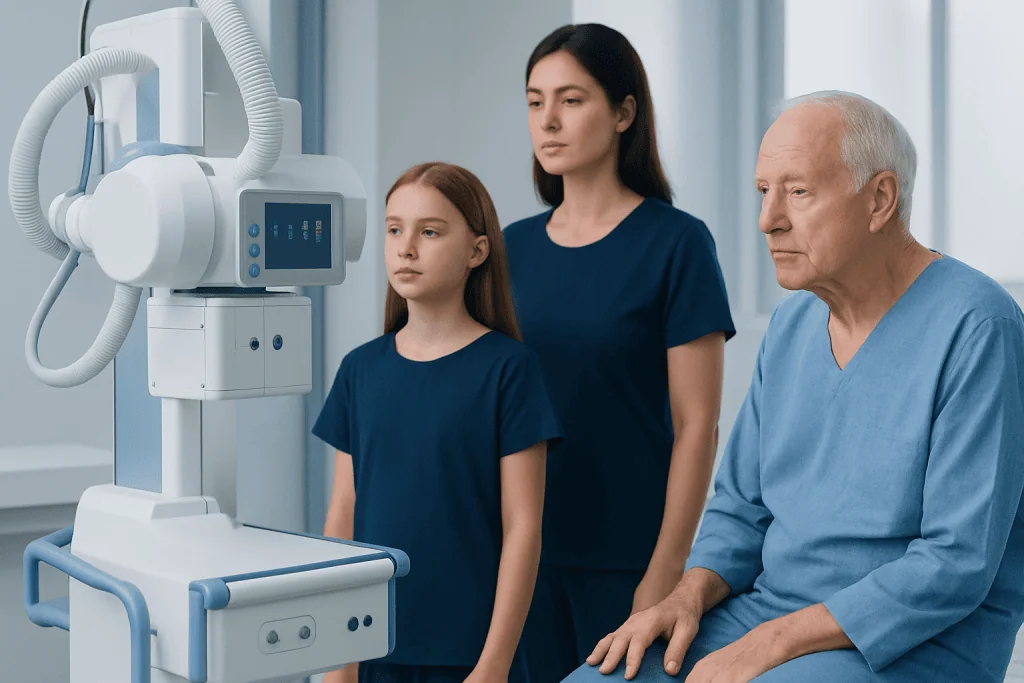
AIS may be noticed at birth, in childhood, during puberty, or sometimes in adulthood. In complete androgen insensitivity syndrome, a baby may have external genitalia that appear typically female even though the child has XY chromosomes and internal testes. The condition may only become apparent later when menstruation does not start.
In partial androgen insensitivity syndrome, signs can vary more. A child may be born with genital differences such as a smaller penis, undescended testes, hypospadias, or genital anatomy that is not clearly typical male or female. In some cases, the diagnosis is first considered when puberty does not progress as expected.
Typical clues during adolescence include absent or infrequent menstrual periods, limited or unusual pubic and underarm hair development, breast development without menstruation, inguinal hernias in a child assigned female at birth, or concerns related to fertility. Because these signs overlap with other conditions, evaluation by a specialist is important. Some patients may also need assessment for related issues such as hypospadias or undescended testes.
- At birth: atypical genital development or inguinal hernia
- In childhood: hernia evaluation, undescended testes, or genital concerns
- At puberty: no periods, unexpected puberty pattern, sparse body hair, or fertility questions
- In adulthood: infertility work-up or review of a long-standing diagnosis
Causes and risk factors

AIS is caused by changes in the androgen receptor gene, which is located on the X chromosome. This gene contains instructions that help cells detect and respond to androgens. When the receptor does not function normally, the body may not be able to use these hormones effectively even if hormone production is normal.
The condition is usually inherited in an X-linked pattern, although a new genetic change can also occur for the first time in one person. Because of this inheritance pattern, family history may sometimes include infertility, undescended testes, delayed diagnosis of puberty differences, or other relatives known to have AIS.
The main biological factor that determines how AIS appears is how much receptor function remains. Complete loss of function leads to complete AIS, while partial function can lead to partial AIS with more varied physical findings. Nothing a parent did during pregnancy causes AIS, and it is not the result of diet, exercise, or environmental exposure alone.
How doctors diagnose AIS
Diagnosis begins with a careful history and physical examination carried out respectfully and with attention to privacy. Doctors may ask about birth findings, puberty timing, menstrual history, hernias, previous surgeries, fertility concerns, and family history. The goal is not only to identify AIS but also to distinguish it from other conditions that can affect sex development or puberty.
Tests often include blood work to measure hormones such as testosterone, luteinizing hormone, follicle-stimulating hormone, and sometimes anti-Müllerian hormone. Imaging, such as pelvic ultrasound or MRI, may be used to look for internal reproductive structures and to locate testes if they are not in the scrotum. Genetic testing can confirm changes in the androgen receptor gene and help guide counseling for the patient and family.
Diagnosis should ideally be handled by a multidisciplinary team. This may include pediatric or adult endocrinology, urology, gynecology, genetics, radiology, psychology, and fertility specialists. When surgery or imaging is being considered, related services such as MRI or genetic testing may be part of the evaluation pathway if available and appropriate.
Not every person with suspected AIS needs every test immediately. The timing and extent of evaluation depend on age, symptoms, anatomy, and the patient’s own preferences. Sensitive communication is especially important, since discussions may involve sex development, identity, fertility, and future reproductive options.
Treatment options and long-term care
There is no single treatment plan for AIS, because needs vary according to age, anatomy, hormone function, the type of AIS, and the patient’s goals. Management may include observation, hormone monitoring, planned puberty support, surgery in selected situations, fertility counseling, and mental health support. The best approach is individualized and ideally made together with the patient and, when appropriate, family members.
One major question can involve the gonads, especially if testes are inside the abdomen or groin. In complete AIS, testes are often present internally and may be monitored or removed at a carefully chosen time, often after spontaneous puberty has been considered. If gonads are removed, hormone replacement may be needed to support bone health, sexual health, and overall well-being. If surgery is needed for related anatomy concerns, options such as pediatric urology care or urology evaluation may be relevant.
Some patients with partial AIS may require treatment for undescended testes, hypospadias, or pubertal concerns. Others may mainly need regular follow-up and clear information about fertility potential, sexual health, and screening for long-term issues such as reduced bone density. Psychological support can also be very helpful, especially during adolescence, when questions about body image, identity, and relationships often become more important.
Long-term care should continue beyond the initial diagnosis. Follow-up can include bone health assessment, hormone review, sexual health counseling, review of any surgical outcomes, and support with life transitions from pediatric to adult care. Near the end of the care journey planning, some international patients choose specialist centers such as Acibadem International, where multidisciplinary teams in JCI-accredited hospitals evaluate and treat complex endocrine, gynecologic, and urologic conditions.
Everyday self-care, emotional support, and living with AIS
Living with AIS often involves more than medical treatment. Patients may need time, clear information, and ongoing support to understand their diagnosis. Many benefit from repeated conversations with specialists rather than receiving everything at once, especially when topics include chromosomes, hormones, fertility, and future treatment decisions.
Good self-care includes keeping regular appointments, asking for copies of important test results, and understanding which follow-up visits are needed over time. If hormone treatment is prescribed, taking it as directed and discussing side effects early can help maintain bone and general health. Exercise, adequate calcium and vitamin D intake, and avoiding smoking also support long-term well-being.
Emotional support matters. A diagnosis related to sex development can bring up feelings about privacy, identity, family communication, and future relationships. Counseling, peer support groups, or psychological care can help patients and families process information in a respectful and practical way. Fertility counseling may also be useful, even when biological parenthood is uncertain or unlikely, because it helps patients understand options and make informed decisions.
When to seek medical care
Medical review is advisable if a baby is born with genital differences, if a child has an inguinal hernia together with unusual genital findings, or if testes cannot be felt in the scrotum. Evaluation is also important when puberty seems delayed or different from expected, such as no menstrual periods by the usual age range, breast development without periods, or concerns about pubic hair growth and body changes.
Adults should seek assessment if they are being investigated for infertility, have a long-standing but unclear diagnosis related to sex development, or have symptoms after previous gonad surgery or hormone changes. Ongoing care is especially important if there is pain, a new groin or abdominal lump, significant emotional distress, or questions about hormone replacement.
Prompt specialist input can help avoid unnecessary delay, confusion, or repeated testing. While AIS is not always recognized quickly, careful evaluation by endocrinology, gynecology, urology, genetics, or pediatrics can provide clarity and help the patient plan next steps with confidence.
Frequently asked questions
What does ais androgen mean?
In most health contexts, ais androgen refers to androgen insensitivity syndrome. This means the body makes androgens or is exposed to them, but the cells cannot respond in the usual way because of a problem with the androgen receptor.
Is AIS the same as having too much testosterone?
No. AIS is not mainly a problem of producing too much testosterone. The key issue is reduced sensitivity to androgens, so the body cannot use hormone signals normally even if hormone levels are present.
Can AIS be diagnosed in adulthood?
Yes. Some people are diagnosed in adolescence because periods do not begin, while others are diagnosed later during infertility evaluation or review of earlier unexplained findings. Adult diagnosis can still be useful for treatment planning, hormone management, and family counseling.
Does AIS affect fertility?
AIS can affect fertility, but the impact depends on the type of AIS and the individual's anatomy. A fertility specialist can explain what is known, what is uncertain, and whether any options for family building are available.
Will everyone with AIS need surgery?
No. Surgery is not necessary for every patient. Decisions about gonad surgery or procedures for genital anatomy are individualized and should be made with experienced specialists after discussing benefits, timing, alternatives, and long-term follow-up.
Is AIS inherited?
It often is. AIS is usually linked to changes in the androgen receptor gene on the X chromosome, so it can run in families. Genetic counseling can help explain the inheritance pattern and what it may mean for relatives.
References
- National Institutes of Health
- MedlinePlus
- National Organization for Rare Disorders
- Endocrine Society
- American Urological Association
This article is for general information only and is not a substitute for professional medical advice. Please consult a qualified doctor about your individual situation.
Explore treatments in Turkey — costs, top hospitals & a free quote
JCI-accredited · board-certified surgeons · reply within 24h