Scarring of Tissue: A Complete Medical Overview

Scarring of tissue happens when the body replaces damaged tissue with fibrous tissue during healing. Scar tissue may affect the skin only, or it can form deeper in muscles, tendons, joints, and internal organs.
Key Takeaways
- Scarring of tissue happens when the body replaces damaged tissue with fibrous tissue during healing.
- Scar tissue may affect the skin only, or it can form deeper in muscles, tendons, joints, and internal organs.
- Symptoms depend on where the scar forms and may include stiffness, pain, limited movement, or organ-related problems.
- Treatment ranges from observation and skin care to physical therapy, medicines, injections, or surgery in selected cases.
- Persistent pain, growing scars, breathing difficulty, trouble swallowing, or reduced organ function should be assessed by a doctor.
Scarring of tissue is the body’s natural way of healing after injury, surgery, infection, or inflammation. While many scars are harmless, some can become thick, tight, painful, or interfere with how skin, muscles, joints, or internal organs work.
Overview: what scarring of tissue means
Scarring of tissue refers to the formation of fibrous tissue as the body repairs damage. This is a normal part of healing after cuts, burns, surgery, infection, or inflammation. In many cases, a scar is small and causes no long-term problems. In other cases, the scar becomes thick, tight, raised, or forms in a location where it can affect movement or the function of an organ.
Scar tissue is different from the original tissue it replaces. It is usually less flexible and may have a different structure, strength, or blood supply. On the skin, this can change appearance or texture. Inside the body, scar tissue may connect structures that should move freely, narrow a passage, or reduce how well an organ expands and works.
Doctors also use the term fibrosis for some forms of tissue scarring, especially when it happens in internal organs such as the lungs, liver, or heart. Although the basic healing process is similar, the effects can vary greatly depending on the body part involved. For this reason, scarring of tissue is best understood not only by how it looks, but also by how it affects function.
How scar tissue forms
Healing usually happens in stages. After tissue is injured, the body first controls bleeding and starts an inflammatory response. It then produces collagen and other repair materials to close the wound and rebuild strength. Over time, the scar remodels and may become flatter, softer, and less noticeable.
This process is essential, but it is not a perfect replacement of the original tissue. Scar tissue often contains collagen fibers arranged differently from healthy tissue. Because of this, the repaired area may feel firmer, look different, and move less smoothly than before.
Sometimes healing becomes exaggerated or prolonged. A scar may grow larger than expected, remain raised, or continue to tighten over time. In deeper tissues, repeated inflammation can lead to ongoing fibrosis. This is one reason chronic conditions may gradually affect normal organ function even when no external wound is visible.
Symptoms and possible effects
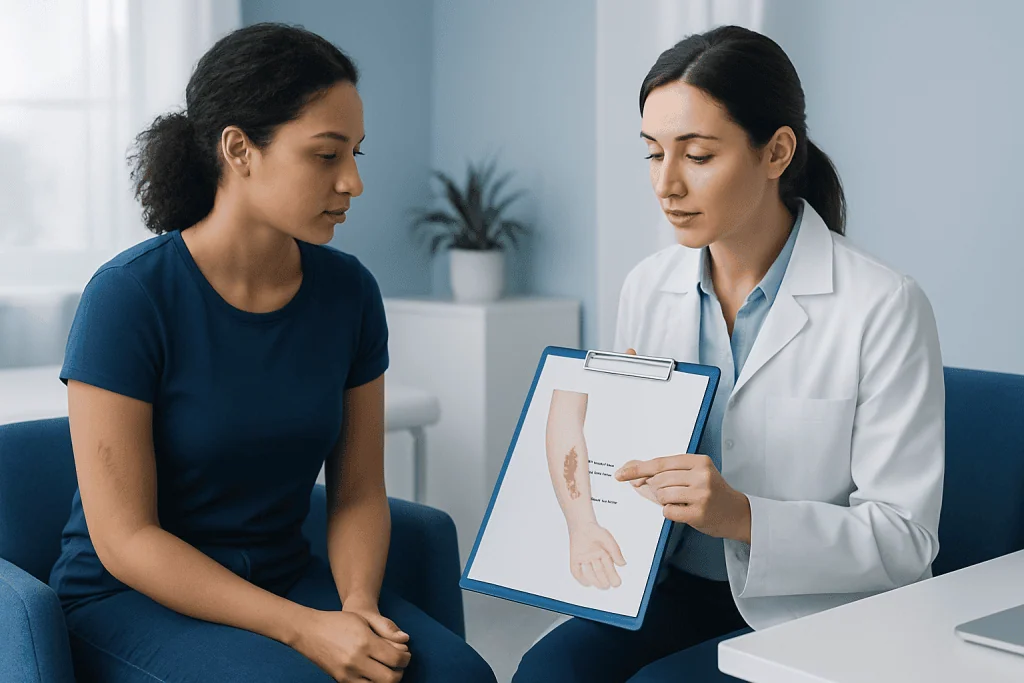
The symptoms of scarring of tissue depend on where it occurs. A skin scar may be flat, raised, pale, dark, itchy, tender, or firm. If the scar crosses a joint or forms after a burn or major surgery, it can pull on surrounding tissue and limit movement.
Deeper scar tissue may cause pain, stiffness, or a feeling of tightness. For example, scar tissue around muscles, tendons, or nerves may affect movement or sensation. In the abdomen, adhesions can form after inflammation or surgery and may sometimes lead to pain or bowel-related symptoms. In the lungs, fibrosis may reduce elasticity and contribute to shortness of breath.
Common signs that a scar may need medical review include:
- Pain that does not improve or becomes worse
- Reduced range of motion or joint stiffness
- Thick, raised, or rapidly changing scars
- Persistent itching, tenderness, or swelling
- Breathing, swallowing, or digestive symptoms that suggest internal scarring
Not every scar causes symptoms. Many improve gradually over months. However, a scar that affects appearance, comfort, or body function can often be evaluated and, when appropriate, treated.
Common causes and risk factors
Scarring of tissue can develop after many different types of injury. Common causes include cuts, burns, acne, surgery, fractures, sprains, and infections. It can also happen after repeated irritation or chronic inflammation, even without a single major injury. Examples include inflammatory skin disorders, autoimmune disease, liver inflammation, and some lung conditions.
Certain scars form in recognizable patterns. Hypertrophic scars stay within the original wound but become raised and thick. Keloids extend beyond the edges of the initial injury and continue to grow. Internal scar tissue may develop as adhesions after abdominal or pelvic surgery, or as fibrosis in organs after long-standing disease. Readers interested in abnormal raised scars may also find keloid helpful.
Risk factors depend on the type of scar but may include:
- Deep wounds, burns, or infected wounds
- Delayed healing or repeated trauma to the same area
- Major surgery or repeated operations
- Ongoing inflammation, autoimmune disease, or chronic infection
- Personal or family tendency toward raised scarring
- Smoking, poor nutrition, or health conditions that impair healing
Good wound care may lower the chance of problematic scarring, but it cannot prevent all scars. Some people are more likely to develop visible or restrictive scar tissue even after proper treatment.
How doctors diagnose tissue scarring
Diagnosis starts with the medical history and physical examination. A doctor will ask when the scar appeared, what caused the injury or inflammation, whether symptoms are changing, and how the area affects daily life. On examination, the doctor may assess color, thickness, tenderness, flexibility, and whether the scar limits movement or appears attached to deeper structures.
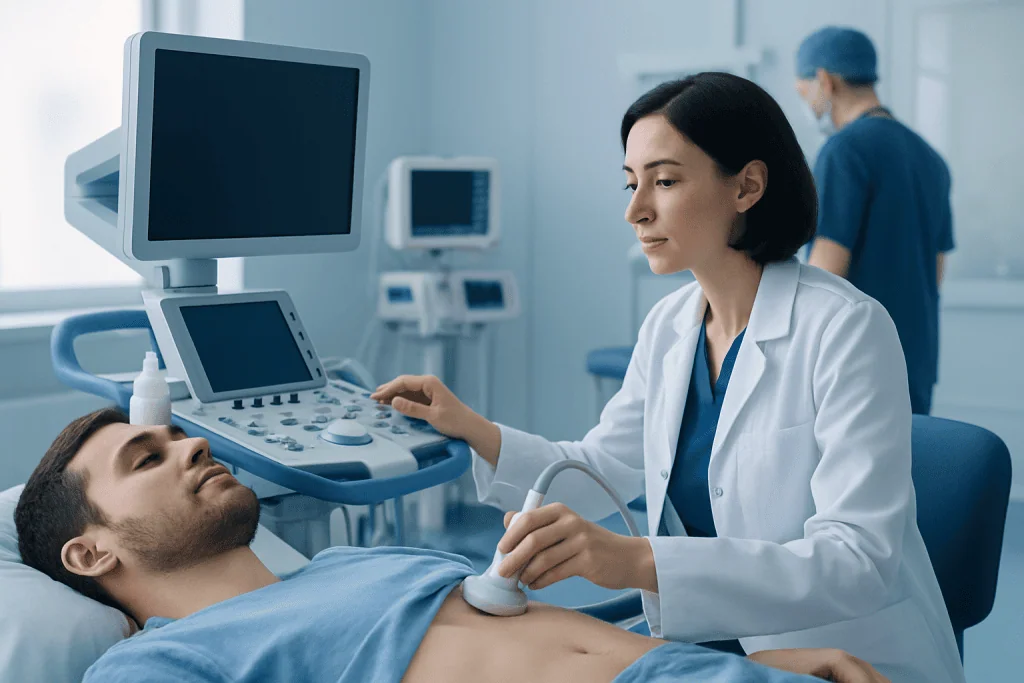
When internal scarring is suspected, testing depends on the organ involved. Imaging studies such as ultrasound, X-ray, CT, or MRI may help show deeper tissue changes. Lung function tests, endoscopy, or blood tests may be used when fibrosis is suspected in specific organs. In selected cases, a biopsy may be needed to confirm the diagnosis or rule out another condition.
Doctors also consider whether the problem is mainly cosmetic, functional, or part of a broader disease process. For example, a person with shortness of breath may need evaluation for lung fibrosis rather than treatment directed only at a scar itself. This broader approach helps guide the right plan and avoid unnecessary procedures.
Treatment options for scarring of tissue
Treatment depends on the type, location, age, and symptoms of the scar. Some scars need no active treatment and improve with time. Others benefit from measures that soften tissue, reduce symptoms, or improve movement. Doctors generally aim to preserve function first and then address appearance if needed.
For skin scars, options may include silicone sheets or gels, moisturization, sun protection, pressure therapy in selected cases, steroid injections, laser-based approaches, or other dermatologic procedures. Physical therapy may help when scar tissue limits movement after injury or surgery. Gentle stretching and guided rehabilitation can be especially important for scars around joints, muscles, or tendons. In selected patients, physical therapy and rehabilitation supports mobility and function while the tissue continues to remodel.
Surgery is not the first choice for every scar, because surgery itself creates new scar tissue. However, it may be considered when a scar causes severe tightness, distorts nearby structures, blocks normal movement, or creates a functional problem that has not improved with conservative care. If a skin scar is extensive or restrictive, plastic and reconstructive surgery may be part of treatment planning.
Internal fibrosis is treated according to the underlying disease. This may involve medicines to reduce inflammation, manage autoimmune conditions, or support organ function. When organ damage is significant, specialist care is important. For example, people with suspected lung involvement may need assessment related to pulmonary fibrosis and, when appropriate, care through chest diseases services.
Prevention and self-care
It is not always possible to prevent scarring of tissue, but early care can improve healing. For skin wounds, cleaning the area, following medical advice, keeping the wound protected, and avoiding repeated irritation are all helpful. Once the skin has closed, protection from sun exposure may reduce discoloration and help the scar mature more evenly.
People recovering from surgery or injury should follow rehabilitation instructions carefully. Too little movement can contribute to stiffness, while too much strain too early may worsen healing. A clinician or therapist can advise when stretching, strengthening, massage, or scar desensitization techniques are appropriate.
General health also matters. Not smoking, eating a balanced diet, controlling diabetes, and attending follow-up visits can support better repair. People who know they tend to form raised scars should tell their doctor before procedures, as this can help with planning and follow-up.
Home remedies should be approached cautiously. Strong acids, unverified creams, and forceful massage can irritate tissue and make symptoms worse. If a scar becomes increasingly painful, red, swollen, or warm, medical assessment is important to check for infection or another complication.
When to seek medical care
Medical care is advisable if a scar is painful, growing, unusually raised, or limiting movement. A doctor should also assess scars that change color quickly, break down, or repeatedly become irritated. Internal scarring should be considered if symptoms such as shortness of breath, trouble swallowing, persistent abdominal pain, or reduced function continue after an illness, injury, or surgery.
Urgent care may be needed for signs of infection such as fever, increasing redness, pus, or worsening swelling around a wound. Immediate assessment is also important for breathing difficulty, chest symptoms, bowel obstruction symptoms, or severe functional loss. Early attention may prevent complications and improve recovery.
For people with complex or long-standing symptoms, evaluation by the right specialist can help clarify whether the issue is a simple skin scar, a movement-related problem, or fibrosis affecting an internal organ. Near the end of the care pathway, some patients may benefit from multidisciplinary review. Acibadem International’s multidisciplinary specialists and JCI-accredited hospitals diagnose and treat conditions related to tissue scarring for international patients.
Frequently asked questions
Is scarring of tissue always harmful?
No. Scarring of tissue is a normal part of healing, and many scars are small and cause no medical problem. It becomes more important when it causes pain, tightness, cosmetic concern, or affects the function of skin, joints, or internal organs.
Can scar tissue go away completely?
Scar tissue usually does not disappear completely, but it often changes over time. Many scars become flatter, softer, and less noticeable over months, and some symptoms improve with treatment or rehabilitation.
What is the difference between a scar and fibrosis?
A scar usually describes the visible or localized tissue left after healing, especially on the skin. Fibrosis is a broader term often used for excessive or ongoing scarring within deeper tissues or organs, where it may affect normal function.
Does scar tissue always cause pain?
No. Some people have no pain at all, while others notice tenderness, pulling, or stiffness. Pain is more likely if the scar affects nearby nerves, joints, muscles, or deeper tissues that need to move freely.
When should someone worry about internal scar tissue?
Internal scar tissue should be assessed if there are persistent symptoms such as breathing problems, abdominal pain, bowel changes, trouble swallowing, or reduced function after surgery or inflammation. These symptoms do not always mean fibrosis, but they do deserve medical evaluation.
Can massage or exercise help scar tissue?
In some cases, yes, but timing and technique matter. Guided stretching, movement, and scar management can improve flexibility and comfort, especially after surgery or injury, but they should be done under professional advice when symptoms are significant.
References
- World Health Organization
- National Institutes of Health
- American Academy of Dermatology
- American College of Surgeons
- National Health Service
This article is for general information only and is not a substitute for professional medical advice. Please consult a qualified doctor about your individual situation.
Joint and spine care in Turkey — expert assessment & treatment
JCI-accredited · board-certified surgeons · reply within 24h